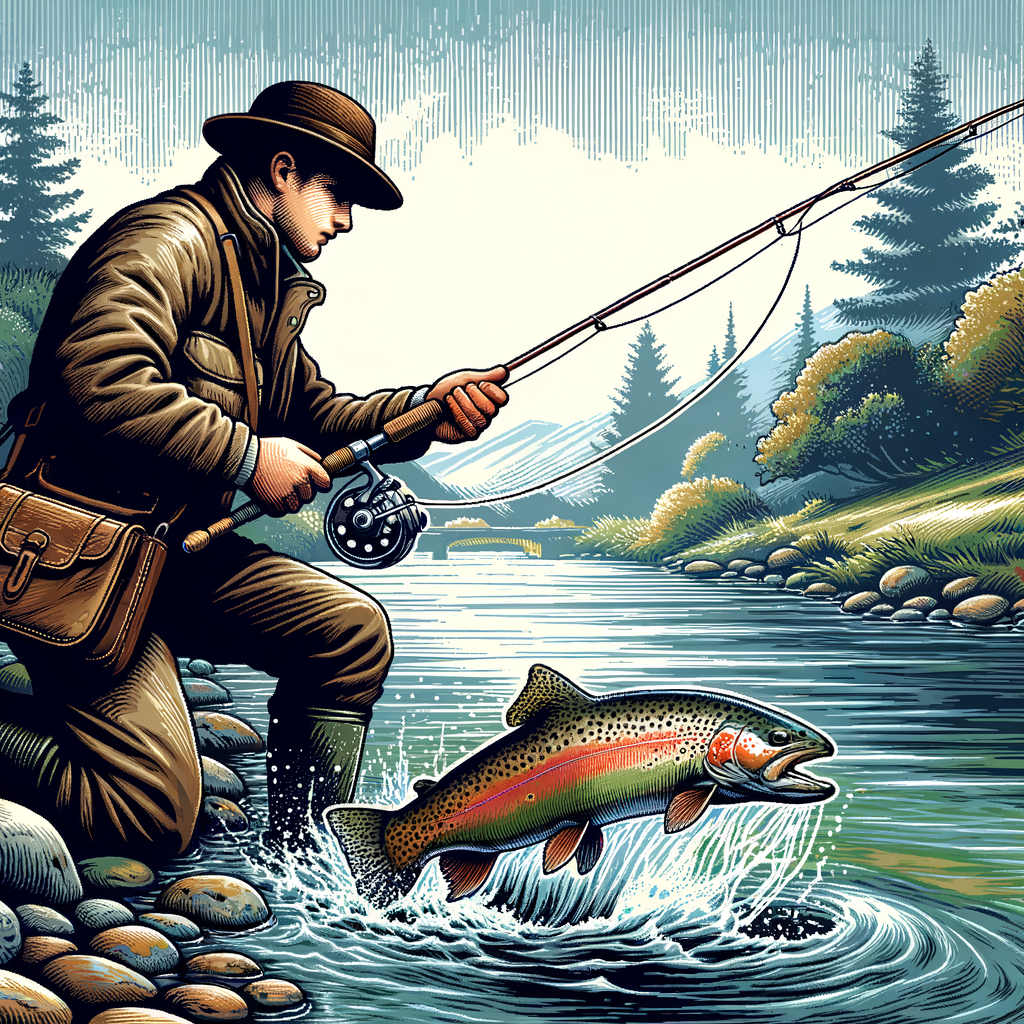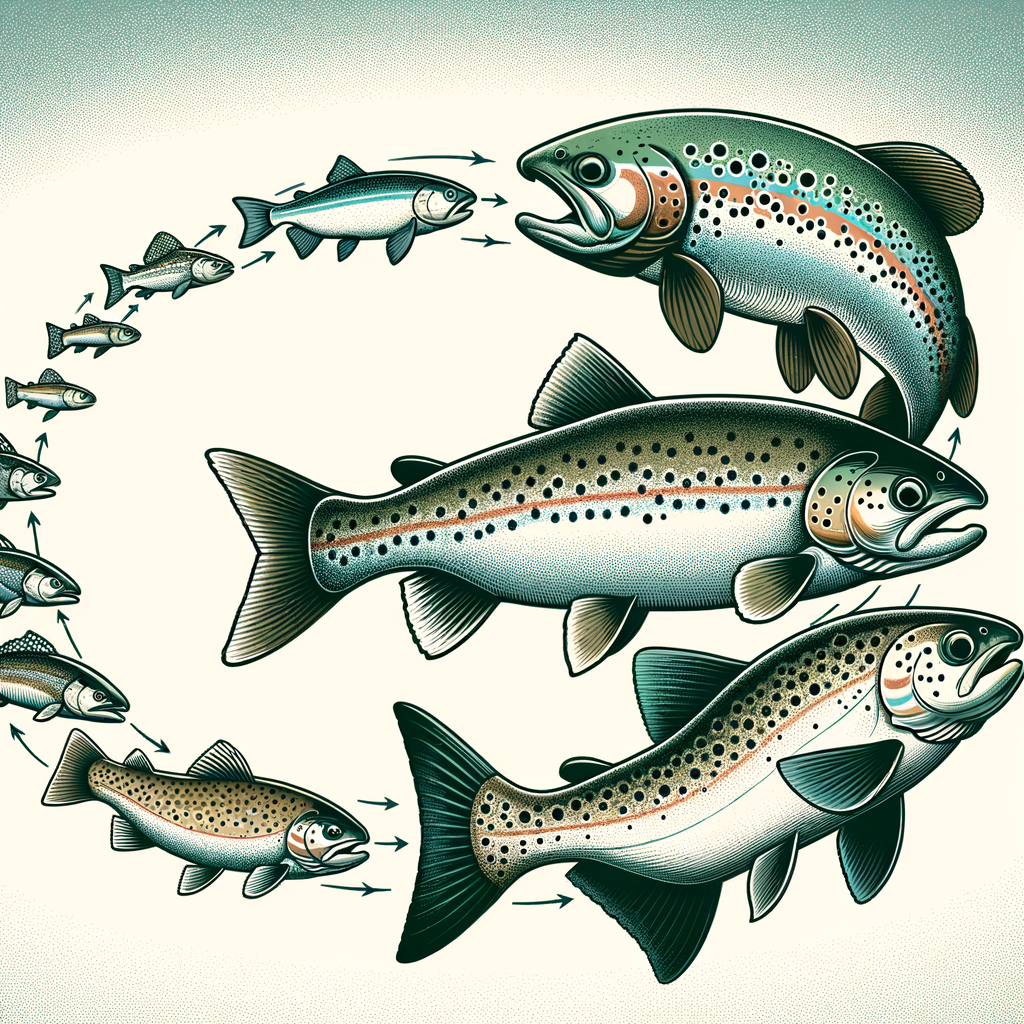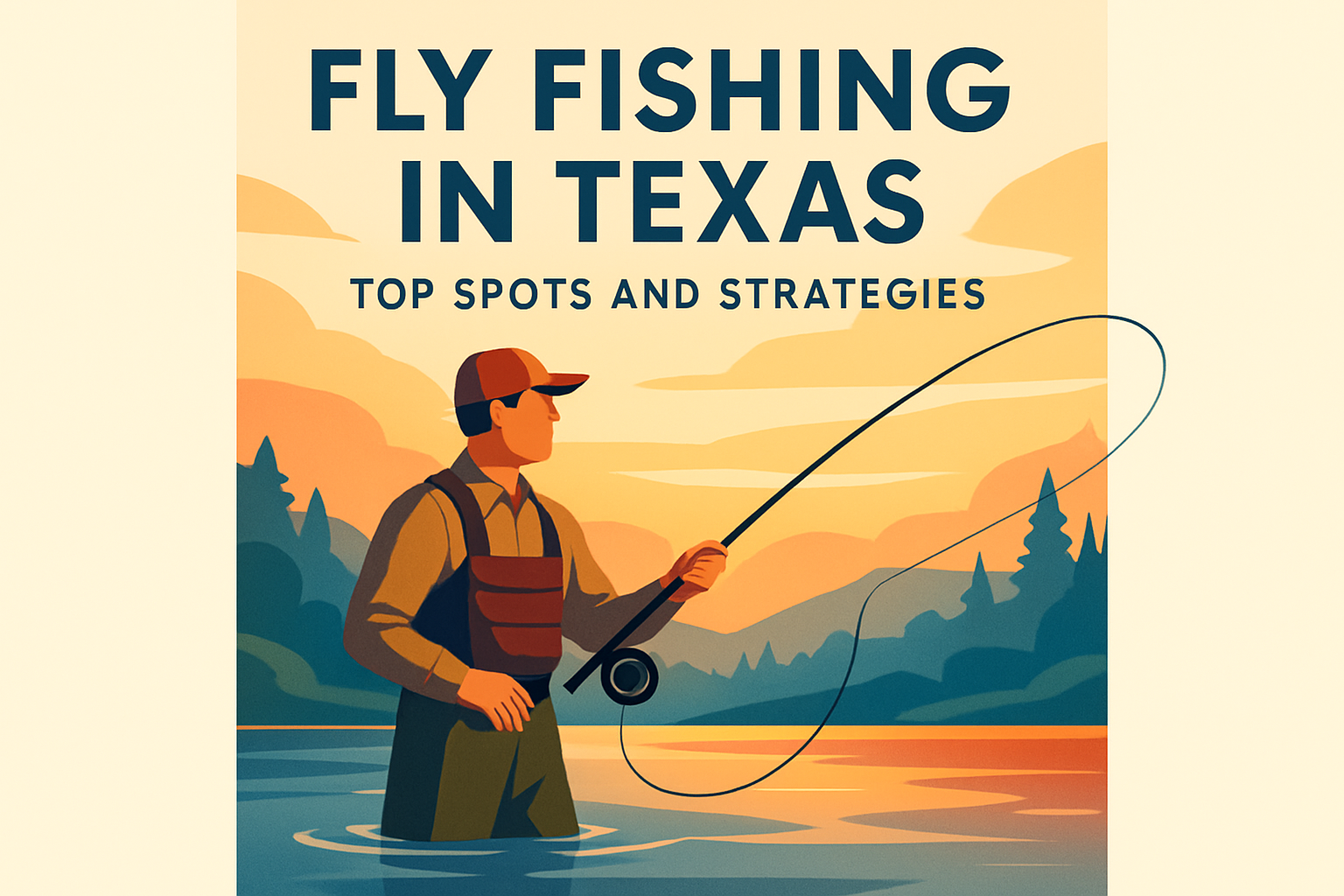
Fly fishing in Texas surprises people who assume the state is only about bass boats, stock tanks, and broad muddy rivers. In practice, Texas offers one of the most varied fly fishing landscapes in the country, with clear Hill Country streams, sprawling Gulf Coast flats, urban tailwaters, warmwater ponds, and winter trout fisheries that reward anglers who understand local conditions. When I have guided friends and planned my own trips across the state, the constant lesson has been simple: success in fly fishing in Texas depends less on romantic scenery alone and more on matching species, water type, season, and presentation. That combination is what turns an average day into a memorable one.
At its core, fly fishing means using the weight of a specialized fly line to cast lightweight artificial flies that imitate baitfish, insects, shrimp, crabs, worms, or other prey. In Texas, that broad definition matters because the state is not dominated by one classic trout experience. Instead, anglers often target Guadalupe bass, largemouth bass, Rio Grande cichlids, redfish, speckled trout, carp, gar, and stocked rainbow trout. Each species responds differently to water temperature, current, structure, and fly choice. That means the best fly fishing strategy in Texas is not generic. It is situational, species-specific, and tied to regional ecology.
This matters for beginners and experienced anglers alike because Texas can be both generous and unforgiving. A productive river in spring may become low and technical by midsummer. A windy bay flat can frustrate perfect casting mechanics. A tailwater may hold trout only under certain flow conditions. Regulations also vary by waterbody and species, so anglers should always check Texas Parks and Wildlife Department guidance before fishing. Still, the upside is enormous. Few states let you sight-cast to redfish at dawn, chase Guadalupe bass in moving limestone water by noon, and plan a winter trout trip a few hours away. For anglers searching for the top fly fishing spots in Texas and the strategies that actually work, the key is to understand where to go, when to go, and how to adapt.
Why Texas is a unique fly fishing destination
Texas stands apart because its fisheries span multiple climates and ecosystems. In the central part of the state, spring-fed streams such as portions of the Guadalupe, San Marcos, and Llano systems can maintain fishable conditions when nearby rivers fluctuate. Along the coast, marshes, back lakes, and grass flats create prime habitat for red drum and spotted seatrout. In East Texas, reservoirs and creeks provide warmwater opportunities for bass, sunfish, and carp. In winter, selected urban and park waters receive stocked rainbow trout, giving many anglers an accessible entry point to fly tackle.
From experience, the biggest mistake visiting anglers make is expecting one setup to cover all of Texas. A 5-weight that feels ideal on a Hill Country creek becomes undergunned on a windy bay when a redfish pushes bait thirty feet away. Likewise, an 8-weight saltwater outfit is excessive on small cypress-lined warmwater streams where bluegill and Guadalupe bass are the primary targets. Texas rewards specialization, but not complication. If you understand a few core categories of water and carry the right rod, line, and leader for each, the state becomes far easier to read.
Another reason Texas matters is that it has a distinct native icon: the Guadalupe bass, the official state fish. Unlike generic “bass on a fly” conversations, pursuing Guadalupe bass is a genuinely regional experience. These fish favor flowing water, rock, current seams, and shaded edges. They are aggressive, but not careless, and they teach line control, mending, and accurate short-range casting. For many anglers, catching Guadalupe bass on a popper or small streamer in clear current is the most representative inland fly fishing experience Texas offers.
Best Hill Country rivers for fly fishing
The Hill Country is the center of inland fly fishing in Texas, and it is where many anglers should start. The Guadalupe River is the best-known option, especially below Canyon Dam, where cold releases can support trout during parts of the year. That tailwater section also holds bass and panfish, so it remains relevant beyond trout season. In my own planning, I treat the Guadalupe as two different fisheries: a trout and nymphing river when temperatures and flows cooperate, and a warmwater streamer and dry-dropper river when trout become less dependable.
The Llano River system is another standout, particularly for Guadalupe bass. Clear water, granite and limestone structure, moderate current, and wadable stretches make it ideal for fly tackle. Fish commonly hold near boulders, ledges, riffle transitions, and submerged timber. Smaller flies generally outperform oversized patterns here. A size 6 or 8 olive streamer, a foam hopper in summer, or a simple popper near shaded banks can all produce. Early and late light windows are especially strong when summer temperatures climb.
The San Marcos River offers more stable flow than many Texas rivers because of spring influence, and that consistency can help when other waters are low or off-color. Aquatic vegetation is both a benefit and a challenge. It supports a healthy food chain, but it also demands disciplined retrieves and careful fly design. Weedless patterns, lightly weighted streamers, and precise drifts are useful here. The San Gabriel and Pedernales can also fish well, though access and conditions vary significantly, making pre-trip scouting essential.
The common strategy across Hill Country rivers is simple: target current seams, oxygenated runs, undercut banks, and shaded structure. In clear water, long leaders and natural presentations matter. Wading quietly matters more. I have seen anglers step directly into productive holding water and spook fish before the first cast. On Texas rivers, stealth is often the first tactic, not the last adjustment.
Top Gulf Coast fly fishing spots for redfish and trout
If Hill Country rivers define inland Texas, the Gulf Coast defines its premier sight-fishing. Port O’Connor, Rockport, the Laguna Madre, South Padre area flats, and Galveston region marshes all offer legitimate fly opportunities. Redfish are the headline species because they are durable, aggressive, visible in shallow water, and willing to eat well-presented shrimp, crab, and baitfish patterns. Speckled trout, black drum, flounder, and occasional snook or tarpon in specific seasons add variety depending on location.
Port O’Connor and Rockport are especially respected because they combine marsh edges, lakes, drains, and flats where redfish can be found tailing, cruising, or pushing wakes. The Lower Laguna Madre is different. It offers broad, shallow expanses with clear water, seagrass, and a strong sight-fishing culture. Wind can be constant, and that changes everything. On calm mornings, delicate presentations and smaller flies shine. When the wind builds, compact loops, heavier rods, and more aerodynamic flies become necessary. Texas coastal fly fishing is often less about textbook elegance and more about making one efficient cast under pressure.
For speckled trout, anglers often focus on potholes in grass, drop-offs, channels, and current movement around bait concentrations. On fly tackle, intermediate lines and small baitfish patterns are reliable. Redfish, by contrast, are often best approached with a floating line, a 16- to 20-pound leader, and shrimp or crab flies that land softly but sink enough to reach the fish’s field of view. Lead the fish, do not hit the fish, and begin the retrieve only when the fly is in the feeding lane. That timing error is the main reason many new coastal fly anglers get refusals.
| Texas fly fishing spot | Primary species | Best season | Most effective fly approach |
|---|---|---|---|
| Guadalupe River below Canyon Dam | Rainbow trout, bass | Winter through spring | Nymph rigs, streamers, small midges |
| Llano River | Guadalupe bass, sunfish | Spring through early fall | Poppers, small streamers, terrestrials |
| San Marcos River | Bass, Rio Grande cichlids, sunfish | Year-round | Weedless streamers, dry-dropper setups |
| Rockport and Port O’Connor flats | Redfish, speckled trout, black drum | Spring through fall | Shrimp and crab patterns on floating lines |
| Lower Laguna Madre | Redfish, trout | Fall through spring | Sight-casting with baitfish and shrimp flies |
Seasonal tactics that actually work in Texas
Season dictates strategy more than many anglers realize. Spring is arguably the most versatile period for fly fishing in Texas. River temperatures are comfortable, insect activity increases, bait becomes active, and many fish feed aggressively before summer heat intensifies. On rivers, this is a prime time for streamers, topwater flies, and nymphs. On the coast, spring can bring active redfish on warming flats and good trout action around moving bait.
Summer demands adaptation. Hill Country rivers may run low and clear, making fish cautious during midday. The answer is not to fish harder; it is to fish earlier, later, and tighter to cover. Foam terrestrials, small deer hair bugs, and lightly weighted baitfish patterns become effective near overhangs, rock ledges, and shaded banks. Coastal anglers often get their best shots early, before boat traffic and wind rise. Hydration, sun protection, and fish handling also matter more in summer. If water temperatures are extreme, quick releases are part of responsible angling.
Fall is underrated. Bait migration and cooling water can activate both coastal and inland fisheries. Redfish frequently become more predictable on flats and marsh edges, while bass feed aggressively around structure. Winter narrows the menu but creates excellent opportunities. The Guadalupe trout fishery gets the most attention, and for good reason. Stocked rainbows are accessible and fun, but the anglers who catch consistently usually focus on drift quality, depth control, and subtle strikes rather than constantly changing flies. Winter also brings urban trout stocking in parks and neighborhood waters, which is ideal for beginners learning casting and line management.
A practical answer to the question “When is the best time to fly fish in Texas?” is this: spring offers the broadest range, fall offers exceptional consistency, summer rewards timing and stealth, and winter is best for trout and selected warm spells on the coast. Match the season to the species you care about most.
Gear, flies, and presentation for Texas conditions
If an angler asked me for the most efficient Texas fly fishing setup, I would recommend a two-rod system. A 5- or 6-weight covers most rivers, creeks, pond bass, sunfish, and stocked trout. An 8-weight covers redfish, coastal trout, windy conditions, and larger warmwater fish. That pairing handles nearly everything without creating unnecessary overlap. For reels, a smooth drag matters most on the coast. For freshwater warmwater fishing, line management and durable construction matter more than premium drag performance.
Lines should match the water. Weight-forward floating lines are standard for rivers and flats. An intermediate line is valuable for coastal trout and some deeper channels. Leaders should not be overcomplicated. Nine-foot leaders tapered to 3X or 4X are fine for many trout and bass situations, while 12- to 20-pound leaders suit redfish and most saltwater work. In brushy creeks, shorter leaders can improve turnover and accuracy.
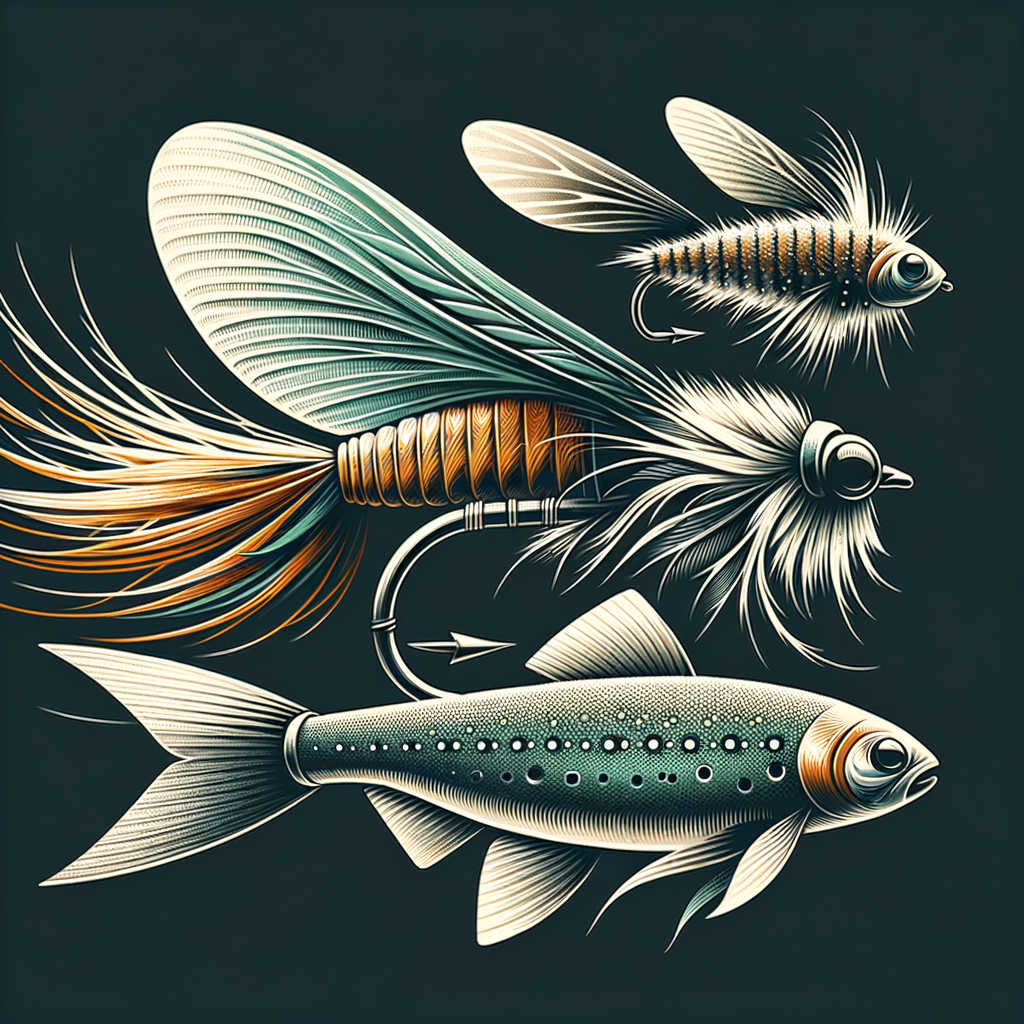
Fly selection in Texas should be grounded in prey categories, not brand loyalty. For Hill Country bass, carry small Clouser-style minnows, woolly buggers, baitfish patterns, foam poppers, hoppers, and simple nymphs. For Rio Grande cichlids and sunfish, small beadhead nymphs, rubber-leg patterns, and tiny poppers are productive. For redfish, proven standards include shrimp imitations, crab patterns, spoon flies, and lightly weighted baitfish flies in tan, olive, copper, white, and chartreuse accents depending on water color.
Presentation separates average anglers from effective ones. On rivers, that means controlling slack, keeping the fly in the strike zone, and adjusting angle before changing patterns. On the flats, it means reading fish behavior. A tailing fish, a cruiser, and a laid-up fish require different leads and retrieve speeds. Fast strips often pull the fly away from redfish. Short, measured strips with pauses usually produce better eats. In Texas, fly choice matters, but presentation usually matters more.
Access, regulations, and common mistakes to avoid
Access can define your trip as much as fishing skill. Texas has a strong private land tradition, so not every promising stretch of water is legally reachable. Public parks, bridges, paddling trails, leased access areas, and guided coastal launches can simplify logistics. Before traveling, confirm access points, parking rules, wadeability, and current conditions. River flows from the USGS and local fly shops are practical planning tools, not optional extras. On the coast, wind forecasts and tide movement deserve equal attention.
Regulations also matter. Texas fishing licenses and saltwater endorsements are straightforward, but species rules, trout stocking schedules, and special harvest regulations vary. Texas Parks and Wildlife Department remains the authoritative source, and anglers should verify current guidance before every trip. This is especially important on tailwaters and coastal waters where seasonal rules or conservation concerns may influence harvest and tackle practices.
The most common mistakes are predictable. First, anglers fish poor water too long. In Texas, productive water usually looks alive: current seams, shade, bait presence, mullet activity, marsh drains, or visible structure. Second, they use flies that are too large for clear, pressured water. Third, they ignore wind and sun angle on the coast, which ruins visibility and casting efficiency. Fourth, they move too fast. I have caught many Texas fish by slowing down, watching longer, and making fewer but better casts.
Another mistake is failing to connect local knowledge with on-water adjustment. A fly shop recommendation is a starting point, not a script. Water color, pressure, weather shifts, and recent flow changes can all alter fish behavior. Good Texas fly anglers stay flexible. They change depth, angle, and pace before assuming the fish are absent.
Conclusion
Fly fishing in Texas is compelling because it is diverse, technical, and surprisingly accessible once you understand the regional patterns. The top spots are not interchangeable. Hill Country rivers excel for Guadalupe bass, sunfish, and seasonal trout opportunities. The Gulf Coast delivers premier redfish and speckled trout sight-fishing. Urban stockings and smaller warmwater waters create easy entry points for new anglers. Across all of them, the winning strategy is consistent: match your target species to the right season, use tackle suited to the water, present the fly naturally, and respect access and regulations.
For most anglers, the biggest benefit of learning Texas-specific fly fishing strategies is efficiency. You stop guessing and start reading water with purpose. You carry flies that solve real problems. You choose destinations based on conditions instead of marketing. That leads to more fish, fewer wasted trips, and a much better understanding of what makes Texas special as a fly fishing state.
If you are planning your next outing, start with one river or one stretch of coast, check current conditions, and build your approach around the species that water supports best. Then fish deliberately. Texas rewards anglers who pay attention.
Frequently Asked Questions
What are the best places to fly fish in Texas?
Texas has an unusually diverse fly fishing map, which is exactly why it catches so many anglers off guard. If you want clear water and classic wading opportunities, the Hill Country is one of the top regions to start. Rivers such as the Guadalupe, Llano, and San Marcos can offer excellent fishing depending on flow, access, and season. The Guadalupe River below Canyon Lake is especially well known because it supports a winter trout fishery and, in certain stretches, holds trout through the year thanks to cold releases. For warmwater action, many central and east Texas creeks, ponds, and small rivers provide productive fishing for largemouth bass, Guadalupe bass, Rio Grande cichlids, sunfish, and carp.
On the coast, the Texas Gulf offers a completely different fly fishing experience. Places around Port Aransas, Rockport, the Laguna Madre, and Galveston Bay can produce redfish, speckled trout, black drum, and seasonal opportunities for more migratory species. Shallow grass flats, marsh drains, and back lakes are ideal for sight fishing when wind and water clarity cooperate. Urban and suburban fisheries also deserve more respect than they usually get. Tailwaters, drainage channels, retention ponds, and city lakes can all hold surprisingly good fish, particularly during stable weather. The best place ultimately depends on what kind of fly fishing you want: technical trout fishing, aggressive warmwater bass fishing, or sight casting on the flats.
When is the best time of year to fly fish in Texas?
The best time depends heavily on the species and region, because Texas really fishes like several states rolled into one. For trout on the Guadalupe and other winter-stocked fisheries, late fall through early spring is the prime window. Cooler temperatures improve angler comfort, reduce recreational river traffic, and often make fish more active during the day. In the Hill Country and warmwater streams, spring and fall are often the sweet spots because water temperatures are moderate, insect activity improves, and bass, sunfish, and cichlids feed consistently. Summer can still be productive, but it usually requires earlier starts, a focus on shaded structure, and careful fish handling because heat stresses fish quickly.
Along the Gulf Coast, fly fishing can be productive year-round, but conditions matter as much as the calendar. Spring and fall are often favored because they combine manageable temperatures with active redfish and trout. Summer can offer excellent early-morning and low-light opportunities, though heat, boat traffic, and wind can become more challenging as the day develops. Winter can be outstanding for redfish in shallow dark-bottom areas that warm quickly under the sun. Across Texas, one of the biggest strategic advantages comes from matching your trip to weather patterns rather than just season alone. A stable barometer, reasonable water clarity, and fishable wind can turn an average spot into a great one, while a famous destination can struggle badly under poor conditions.
What flies and tackle work best for Texas fly fishing?
A flexible setup usually beats a highly specialized one in Texas unless you are targeting a very specific fishery. For much of the state, a 5-weight or 6-weight rod is a strong all-around choice for streams, ponds, and river bass fishing, especially when targeting sunfish, Guadalupe bass, small largemouth, and stocked trout. If you are fishing bigger rivers, heavier flies, or windy conditions, a 7-weight offers more control. On the coast, an 8-weight is often the standard because it handles wind, larger flies, and stronger fish like redfish and black drum much better. Floating lines cover most situations, although sink tips or intermediate lines can help in deeper channels, lakes, or faster current.
As for flies, Texas rewards practical patterns more than complicated ones. In trout water, small nymphs, midge patterns, San Juan worms, eggs, and streamers can all produce depending on flow and stocking pressure. In warmwater fisheries, Clouser Minnows, woolly buggers, baitfish patterns, poppers, foam bugs, and simple crawfish imitations are consistently effective. For redfish and coastal species, shrimp patterns, crab flies, spoon flies, and small baitfish flies are staples. Color choice often comes down to water clarity and light conditions: natural tones in clear water, darker or brighter contrast in stained water. Leaders should also match the fishery. Long, lighter leaders can help on clear streams, while shorter, stronger leaders are better for bass cover or coastal fish around shell, grass, and structure.
How do you adjust your fly fishing strategy for different Texas water conditions?
This is one of the most important skills an angler can develop in Texas, because conditions change fast and often dramatically. In clear, low water, the fish usually become more cautious, so longer leaders, smaller flies, stealthier approaches, and precise casting matter much more. Wading quietly, staying low, and making your first cast count can be the difference between a great day and a frustrating one. In higher or stained water, fish often shift tighter to structure, softer seams, eddies, grass lines, or bank cover where they can feed without spending too much energy. That is when larger flies, more vibration, stronger silhouettes, and slower presentations start to make sense.
Wind is another major factor, especially on the coast and open lakes. Instead of fighting it blindly, smart anglers use it to choose protected shorelines, marsh edges, leeward banks, and shorter, higher-percentage casts. In summer heat, focus on early morning, deeper shade, oxygen-rich inflows, and faster water. During colder periods, especially on the coast, fish may slide into shallow areas later in the day once the sun has warmed the water. Current speed also changes presentation. In faster rivers, dead drifts and tight line control can be critical for trout, while in warmwater systems, stripping patterns past current breaks can trigger reaction strikes. The overall rule is simple: let the conditions tell you where the fish can feed efficiently, then present the fly in a way that looks easy to catch.
Is Texas a good destination for beginner fly anglers?
Yes, Texas is actually an excellent place for beginners because it offers so many approachable entry points. Not every trip has to involve technical trout water or long casts into coastal wind. Many newcomers can build skills on ponds, neighborhood lakes, small creeks, and gentle river sections where sunfish, bass, and other warmwater species are willing to eat simple flies. These fisheries teach the fundamentals quickly: casting, line control, reading visible cover, and landing fish without the pressure of ultra-selective trout. Winter trout fisheries can also be beginner-friendly in the right areas, especially where access is straightforward and fish are concentrated in wadable runs and pools.
The key for beginners is to simplify. Pick one region, one target species, and a small selection of proven flies. Focus on casting accurately at short to medium distances before worrying about hero shots. Learn to observe water movement, identify likely holding areas, and fish methodically instead of rushing. If possible, hire a guide for a day or spend time with a skilled local angler, because local knowledge shortens the learning curve dramatically in Texas. Access points, seasonal timing, river flows, and even boat traffic can all influence success. With a manageable setup, realistic expectations, and attention to conditions, Texas gives beginners a real chance to catch fish, learn fast, and discover just how broad fly fishing in the state can be.