Fly fishing in California rewards anglers who combine local knowledge, careful presentation, and seasonal timing, because the state offers everything from high Sierra trout streams to coastal surf estuaries in a single region. In practical terms, fly fishing means using a weighted line to cast an artificial fly that imitates insects, baitfish, or other prey, while success depends on reading water, matching food sources, and choosing the right tackle for each fishery. California matters to serious fly anglers because it contains remarkable variety: wild rainbow trout in freestone rivers, tailwater fisheries with selective fish, alpine lakes that fish best for a few summer months, and warmwater opportunities for bass and carp when trout streams slow down. I have fished across the state in runoff, drought, and high snow years, and the anglers who do best are rarely the ones with the most expensive gear; they are the ones who understand California’s regulations, watershed differences, and hatch timing. This guide explains what works, why it works, and how to improve your odds whether you are planning a first trip or refining your approach on familiar water.
Choose the right California water for your skill level
The fastest way to improve at fly fishing in California is to match your destination to your current skills instead of chasing famous names alone. Beginners usually learn faster on meadow streams, moderate freestone rivers, and stocked stillwaters where fish are willing and presentations do not need to be perfect. Rivers such as the lower Owens, parts of the Truckee tributaries in softer flows, and accessible Sierra lakes often provide enough casting room and visible structure to build confidence. More technical fisheries, including spring creeks, clear tailwaters, and heavily pressured sections of the upper Sacramento system, demand accurate drifts, fine tippet, and disciplined wading. That distinction matters because California’s diversity can fool anglers into assuming all trout water behaves the same way. It does not. A pocket-water river asks for short drifts and fast line control, while a tailwater asks for depth management and subtle mends.
When I help newer anglers choose water, I use three filters: access, fish behavior, and complexity. Access includes parking, trail length, bank gradient, and whether backcasts are available. Fish behavior means whether trout are opportunistic, like many freestone fish, or highly selective, as on heavily fished spring creeks. Complexity includes current seams, depth variation, and insect diversity. If two rivers are equal in reputation, pick the one with easier access and less technical current. You will spend more time fishing and less time recovering from mistakes. Also remember that California’s well-known waters can fish hardest on weekends. A less celebrated creek with eager eight- to twelve-inch trout can teach more in one day than a crowded trophy destination where every fish has seen ten flies before lunch.
Local fly shops are still one of the best sources for accurate destination planning. Shops in Bishop, Redding, Truckee, and Sacramento track flows, hatches, access changes, and recent fish behavior in a way generic internet reports often do not. California Department of Fish and Wildlife regulations are essential reading too, because gear restrictions, barbless requirements, seasonal closures, and zero-limit sections vary by district and can change. Successful anglers treat regulations as part of trip planning, not an afterthought. If you want consistent success, choose water that fits the season, the current flow regime, and your real skill level.
Build a practical fly fishing setup that handles California conditions
For most trout fishing in California, a nine-foot five-weight rod is still the best all-around tool, especially for rivers that require dry flies, nymph rigs, and small streamers in the same day. Pair it with a dependable reel, floating line, and leaders from 9 to 12 feet. I carry 4X through 6X tippet for standard trout work, plus 3X for larger flies, windy days, or strong fish in heavier current. On small brushy creeks, a shorter three-weight or four-weight helps with roll casts and short-range accuracy. On big rivers such as the Truckee or lower Sacramento, a six-weight gives better control when using indicator nymph rigs, weighted flies, or larger streamers. In lakes, intermediate sinking lines can be more important than changing rods because they keep leeches, chironomids, and baitfish patterns in the strike zone.
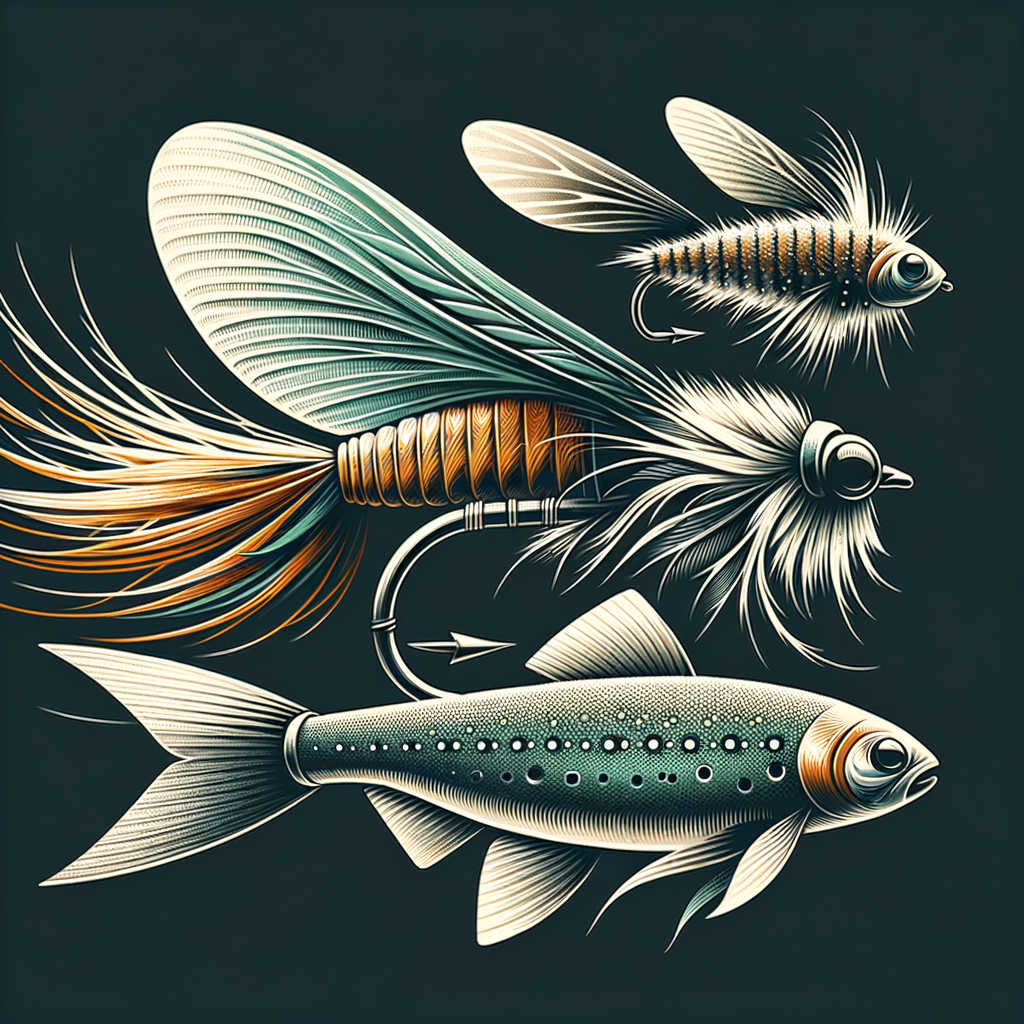
Anglers often ask what flies they actually need. In California trout water, proven basics outperform oversized fly boxes. Carry attractor dries like Parachute Adams, Elk Hair Caddis, and Chubby Chernobyl patterns; nymphs such as Pheasant Tails, Hare’s Ears, Zebra Midges, Perdigons, and caddis pupae; and streamers including Woolly Buggers, Sculpzillas, and small baitfish patterns. Add seasonal confidence flies for local waters: Green Drakes on select Sierra streams, PMDs and midges on technical tailwaters, and balanced leeches or chironomids for productive stillwaters. Success usually comes from depth, drift, and position before exact pattern choice, but having local staples narrows the gap quickly.
Wading gear and accessories matter more in California than many visitors expect. Freestone rivers with granite substrate can be slick, and spring snowmelt keeps water dangerously cold well into summer. Felt soles are restricted in some areas and controversial because of invasive species concerns, so quality rubber soles with studs are a practical default. Polarized glasses are not optional; they help you spot current seams, submerged boulders, cruising trout, and hazards. A thermometer is also useful. When summer water temperatures climb above the upper sixties for trout, especially in low flows, ethical anglers fish early, move to colder water, or target bass and carp instead.
Read water, match hatches, and present the fly correctly
Reading water is the core skill behind fly fishing success in California. Trout hold where they can conserve energy and intercept food, so look first for seam lines, riffle transitions, undercut banks, pocket water, tailouts, and the softer edges beside faster current. In freestone rivers, I start by identifying oxygen, cover, and feeding lanes in that order. A plunge pool with broken surface and a soft cushion behind a rock often holds fish even when insect activity appears light. In meadow streams, undercut sod banks and shaded bends are high-value targets. In lakes, wind lanes, drop-offs, weed edges, and inlets concentrate food and fish. Good anglers do not cast everywhere; they eliminate dead water and spend time on probable holding lies.
Matching the hatch means identifying what fish are eating and choosing a fly, size, and presentation that imitate it well enough. California trout feed on mayflies, caddis, stoneflies, midges, terrestrials, and aquatic baitfish depending on river type and season. During spring and early summer runoff, larger stonefly nymphs and attractor patterns can produce because visibility is lower and fish want a substantial meal. Summer often brings caddis in riffles, PMDs on smoother glides, and terrestrial action with ants, beetles, and hoppers along grassy banks. Fall favors streamers, Baetis, and opportunistic dry-dropper fishing. If fish are rising steadily, watch the rhythm. Splashy rises often suggest caddis or emergers; gentle sips in flat water can indicate tiny mayflies or midges that require finer tippet and cleaner drifts.
Presentation is where most hookups are won or lost. A perfect fly with a dragging drift is usually ignored. On moving water, set up slightly upstream or across from the target lane, cast with enough slack for a natural drift, and mend immediately to separate fly line from conflicting currents. High-sticking works well in pocket water because it reduces drag and keeps nymphs in contact. On technical tailwaters, use lighter indicators, longer leaders, and small split shot adjustments rather than constantly swapping fly patterns. In lakes, count down your retrieve to repeat the productive depth. When fish follow but do not commit, change retrieve speed before changing flies. California fish often tell you what they want if you watch closely.
Use seasonal strategy and local timing to increase hookups
California fly fishing is highly seasonal, and timing often matters more than destination. Snowpack drives runoff, runoff changes clarity and access, and water temperature controls trout metabolism. In many Sierra freestones, late June through September offers the most stable conditions, but heavy snow years can push prime access later. Tailwaters and spring creeks can fish well earlier because flows are more controlled, although insect timing still shifts. Coastal and valley rivers may turn on in cooler months, while summer creates better windows at elevation. If you show up during peak runoff with a delicate dry-fly plan, you are fighting hydrology, not just fish behavior.
I plan each season around water type. Early spring favors lower-elevation rivers, midge and Baetis activity, and nymphing deeper buckets before afternoon warmth triggers short dry-fly windows. Runoff season calls for edges, side channels, soft pockets, and heavier flies. Mid-summer is ideal for alpine lakes, terrestrial fishing, dawn patrol on trout streams, and long evenings when caddis and mayflies overlap. Fall is one of California’s best periods because flows are often manageable, crowds thin, and trout feed hard before winter. Streamers become more effective, and technical fish often relax when temperatures moderate. Even within one day, timing matters. The first hour of light can be best in warm weather, while cold mornings may not produce until solar warming triggers insect movement.
| Season | Best California Targets | Effective Flies and Tactics |
|---|---|---|
| Spring | Lower elevation rivers, tailwaters, valley trout water | Midges, Baetis, deeper nymph rigs, short afternoon dry-fly windows |
| Early Summer | Runoff edges, meadow streams, select tailwaters | Stonefly nymphs, caddis pupae, streamside seam fishing, dry-dropper rigs |
| Mid to Late Summer | High Sierra streams and lakes, dawn trout sessions | Hoppers, ants, beetles, callibaetis, chironomids, careful temperature management |
| Fall | Freestones, larger rivers, technical trout water | Baetis, streamers, nymphs in deeper runs, low-light bank structure |
Weather overlays every seasonal rule. Wind improves some lake fisheries by concentrating food, but it ruins precise dry-fly drifts on open rivers. Overcast skies can extend mayfly activity and make larger trout comfortable in shallow water. Sudden heat waves increase stress on trout and should change your plan immediately. The most successful California anglers are not rigid. They adjust destination, start time, and technique to the season instead of forcing the same approach twelve months a year.
Avoid common mistakes and fish California water responsibly
Most failed days on California trout water trace back to a small set of repeat mistakes. Anglers wade too aggressively, fish too fast, use too much false casting, or ignore depth. Trout in clear Sierra streams often sit much closer than expected, especially beside undercut banks and boulders. If you charge into the run before making the first cast, you may step on the best fish. Another common error is changing flies every five minutes while refusing to adjust drift angle, leader length, shot placement, or indicator depth. Depth and drag matter more than pattern obsession on most days. I have watched anglers blank with perfect entomology because they never got the fly into the feeding lane.
Hooking fish is only part of success; handling them properly protects the fishery. Use barbless hooks where required and consider them everywhere because they speed release and reduce injury. Keep fish in the water whenever possible, wet your hands before touching them, and avoid extended photo sessions. This is especially important in warm summer conditions when dissolved oxygen is lower and recovery is slower. California’s trout fisheries face pressure from drought, wildfire impacts, habitat fragmentation, invasive species, and warming temperatures. Ethical choices matter. If water temperatures rise into stressful ranges, stop targeting trout and switch to species better suited to warm water. Bass in foothill reservoirs, panfish in ponds, and carp on flats can provide excellent fly-rod sport without compounding stress on coldwater fish.
Responsible fly fishing also means respecting access, private property, and other anglers. Many California rivers cross mixed public and private land, and legal access points are not always obvious. Know where you can enter, avoid blocking gates, and give other anglers room, especially on smaller water. Pack out tippet clippings and refuse. Clean, drain, and dry gear between watersheds to reduce the spread of invasive organisms. If you want long-term success in California fly fishing, think beyond the next fish. Healthy fisheries depend on anglers who protect the resource as seriously as they pursue it.
Fly fishing in California becomes far more consistent when you simplify the challenge into a repeatable system: pick the right water, bring versatile gear, read holding lies, match food sources, and let season and temperature guide your plan. The state rewards adaptability because no single tactic covers alpine lakes, technical tailwaters, freestone rivers, and meadow creeks equally well. In my experience, the anglers who improve fastest keep careful notes on flows, insects, water temperatures, and successful presentations, then use those observations to make better decisions on the next trip. That habit matters more than chasing every new fly pattern or rod release. California offers enough variety to teach every skill in the sport, from close-range high-stick nymphing to precise dry-fly work in flat water and streamer fishing for larger trout in autumn. The main benefit of learning these waters well is not just catching more fish; it is developing a durable understanding of how trout relate to current, food, cover, and seasonal change. Start with approachable water, check local regulations and shop reports, fish methodically, and adjust based on what the river shows you. If you apply these tips on your next outing, you will fish more confidently and catch more trout across California.
Frequently Asked Questions
What makes fly fishing in California different from other states?
California stands out because it offers an unusually wide range of fly fishing opportunities within one state. An angler can fish cold, clear Sierra streams for wild trout, tailwaters and freestone rivers for larger fish, alpine lakes during summer, and even coastal estuaries or surf zones for species that demand completely different tactics. That variety means success in California depends on adaptability. Water types, insect activity, weather patterns, and fish behavior can change dramatically from one region to another, sometimes within the same trip. A productive approach in a high-elevation meadow stream will not necessarily work in a larger river or brackish coastal fishery.
Another defining factor is the importance of timing. California’s fisheries are heavily influenced by snowpack, runoff, drought cycles, reservoir releases, and seasonal temperatures. Spring conditions can be excellent in some areas and nearly unfishable in others due to high water. Summer often opens access to the high country, while fall can bring stable flows and aggressive feeding behavior in many trout waters. Serious anglers do well when they pay close attention to regional conditions instead of assuming the entire state fishes the same way at the same time.
Local knowledge also matters more than many beginners expect. Understanding hatches, access points, regulations, and fish-holding structure can make the difference between a frustrating day and consistent action. California rewards anglers who study each fishery, refine their presentation, and match their tackle to the environment rather than relying on a single setup everywhere they go.
What gear should I bring for fly fishing in California?
The best gear depends on where you plan to fish, but a versatile trout setup is the smartest starting point for most California fly anglers. A 4-weight or 5-weight rod in the 8-foot 6-inch to 9-foot range covers a broad range of trout situations, from medium-sized rivers to lakes and many mountain streams. Pair it with a quality reel, a floating fly line, tapered leaders, and tippet in several sizes so you can adjust to small dry flies, nymph rigs, or streamers. If you expect larger rivers, windy lakes, or bigger fish, a 6-weight can be a better choice. For coastal species or heavier streamers, many anglers step up to a 7-weight or 8-weight setup.
Your fly selection should reflect California’s diversity. A practical trout box usually includes mayfly, caddis, midge, and stonefly patterns in both dry and nymph forms, plus a few streamers and attractor flies. In fast water, weighted nymphs and indicator rigs are often effective. In spring creeks or clear tailwaters, smaller and more natural-looking patterns may be necessary. For lakes, balanced leeches, chironomids, damselfly nymphs, and baitfish imitations can be productive. If you are fishing estuaries or surf, baitfish flies and crustacean patterns become more important.
Do not overlook basic support gear. Waders and appropriate boots are essential in many rivers, especially during colder months or when wading over uneven bottoms. Polarized sunglasses help you read water, spot fish, and protect your eyes. A landing net, forceps, nippers, floatant, strike indicators, split shot, and a pack or vest for organizing tackle all improve efficiency on the water. Finally, always check regulations before you go. Certain California waters have tackle restrictions, seasonal closures, barbless hook rules, or catch-and-release requirements, so the right gear also means legal gear.
How do I read the water and find fish in California rivers and streams?
Reading water is one of the most important skills in fly fishing, and in California it often matters more than simply changing flies repeatedly. Trout and other game fish usually hold where they can conserve energy, stay protected, and intercept food drifting naturally toward them. In practical terms, that means you should look for seams where fast and slow currents meet, riffles that oxygenate the water and deliver insects, deeper pools that offer security, undercut banks, submerged rocks, logjams, and tailouts where fish may feed during specific times of day.
In freestone rivers, especially during runoff or after flows rise, fish often move closer to softer edges, slower pockets, and bank-side structure because they do not want to fight heavy current all day. In summer low water, they may become selective and shift into deeper runs, shaded areas, and oxygen-rich sections. In mountain streams, fish may hold in surprisingly small pockets behind rocks or in short plunge pools, so careful, accurate casts are often more important than distance. In spring creeks and clearer tailwaters, fish can be wary, making stealth, longer leaders, and drag-free drifts critical.
One of the best habits is to pause before entering the water. Watch for rising fish, drifting insects, changes in current speed, and signs of feeding activity. Then fish the most likely holding water methodically instead of rushing through it. Make controlled presentations, adjust depth if nymphing, and cover water from near to far to avoid spooking fish. In California’s clearer fisheries, presentation is often everything. A well-drifted fly in the right lane will usually outproduce a perfect-looking fly presented poorly.
When is the best time of year to go fly fishing in California?
The best time depends on the region and species you want to target, but California offers productive fly fishing in every season if you match your plans to conditions. Spring can be excellent before peak runoff or in tailwaters and lower-elevation fisheries where flows remain manageable. It is also a strong time for insect activity, with many rivers coming alive as water temperatures rise. The challenge is that snowmelt can quickly swell Sierra streams, making some waters difficult or unsafe to fish for part of late spring and early summer.
Summer is prime time for high-elevation lakes, meadow creeks, and alpine streams once snow recedes and access improves. This is when many anglers head to the Sierra for classic trout fishing, terrestrial patterns, and visible dry-fly opportunities. Early mornings and evenings are often best during hot weather, especially on lower-elevation waters where fish become stressed as temperatures climb. Midday can still be productive on cold mountain streams and lakes, but it pays to carry a thermometer and avoid fishing for trout when water temperatures become too warm.
Fall is widely considered one of California’s best fly fishing seasons because flows often stabilize, temperatures moderate, and fish feed more aggressively. Many rivers fish well during this period, and crowds may thin compared with peak summer. Winter can also be very good, particularly on select tailwaters, lower-elevation fisheries, and coastal waters, although conditions are more weather dependent. The key is not chasing a single “best” season statewide. Instead, successful anglers choose the right fishery for the season, monitor current conditions, and stay flexible.
What are the most important tips for beginners who want to succeed at fly fishing in California?
Beginners improve fastest when they focus on fundamentals instead of trying to master every technique at once. Start by learning how to cast efficiently with a weighted fly line, control slack, and present the fly naturally. In many California trout waters, a modest cast with good line control will catch more fish than a long cast with drag or splash. Practice on grass before your trip, then on the water concentrate on accuracy, a gentle presentation, and mending line to maintain a natural drift.
It is also wise to keep your approach simple. Pick one or two proven methods for the day based on conditions. If fish are feeding near the surface, use a dry fly or dry-dropper rig. If you are not seeing surface activity, a basic nymph setup is often the most consistent choice. Cover likely holding water carefully, adjust depth before changing flies constantly, and move with purpose if a run is not producing. Many beginners fish too shallow, wade too quickly into the best water, or switch patterns before giving a productive drift enough chances.
Another major tip is to learn from local sources. Visit a nearby fly shop, hire a guide for a day, or study reports from the specific river or lake you plan to fish. California’s fisheries are too diverse for generic advice alone to be enough. Current hatches, flow levels, and access issues can change quickly. Finally, respect fish and regulations. Use appropriate tippet, handle fish minimally, pinch barbs where required or helpful, and release trout quickly in warm conditions. The anglers who succeed most consistently in California combine curiosity, preparation, patience, and a willingness to adapt to what the water is telling them.