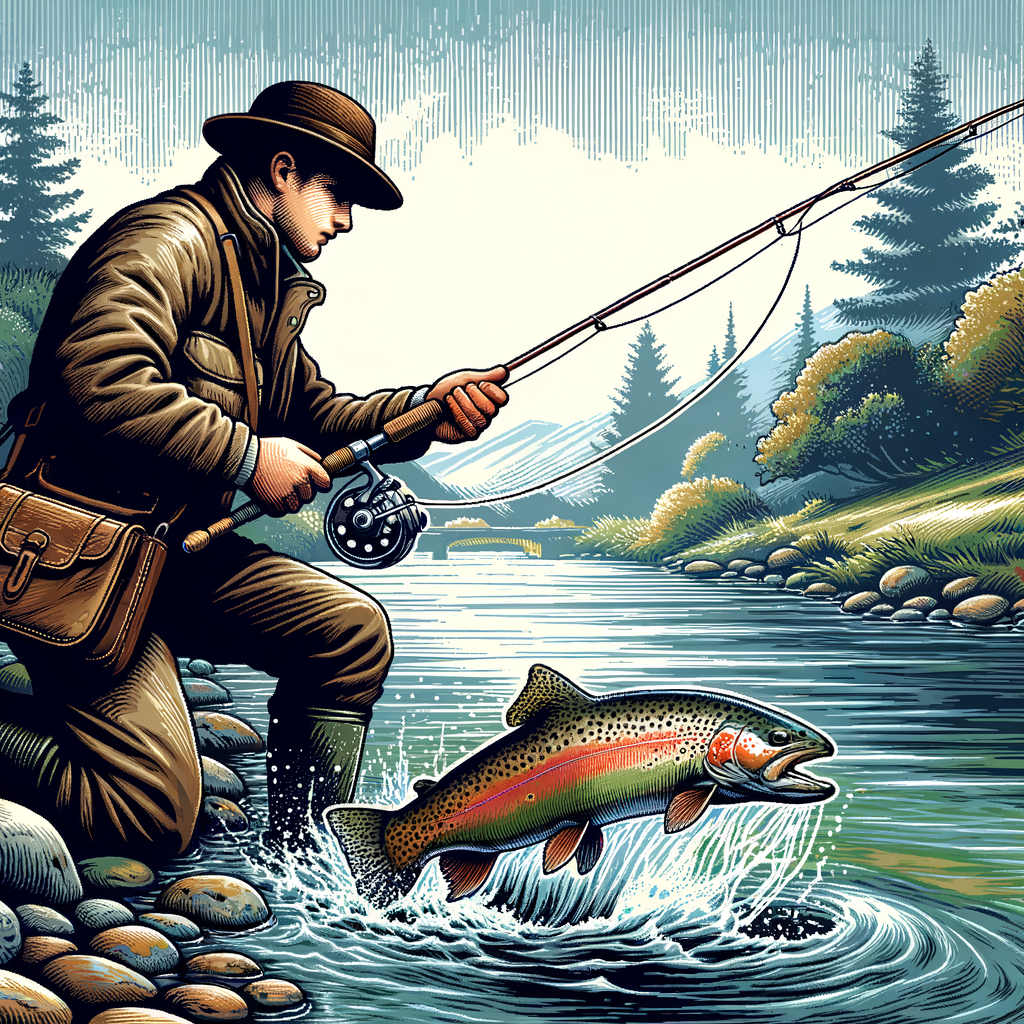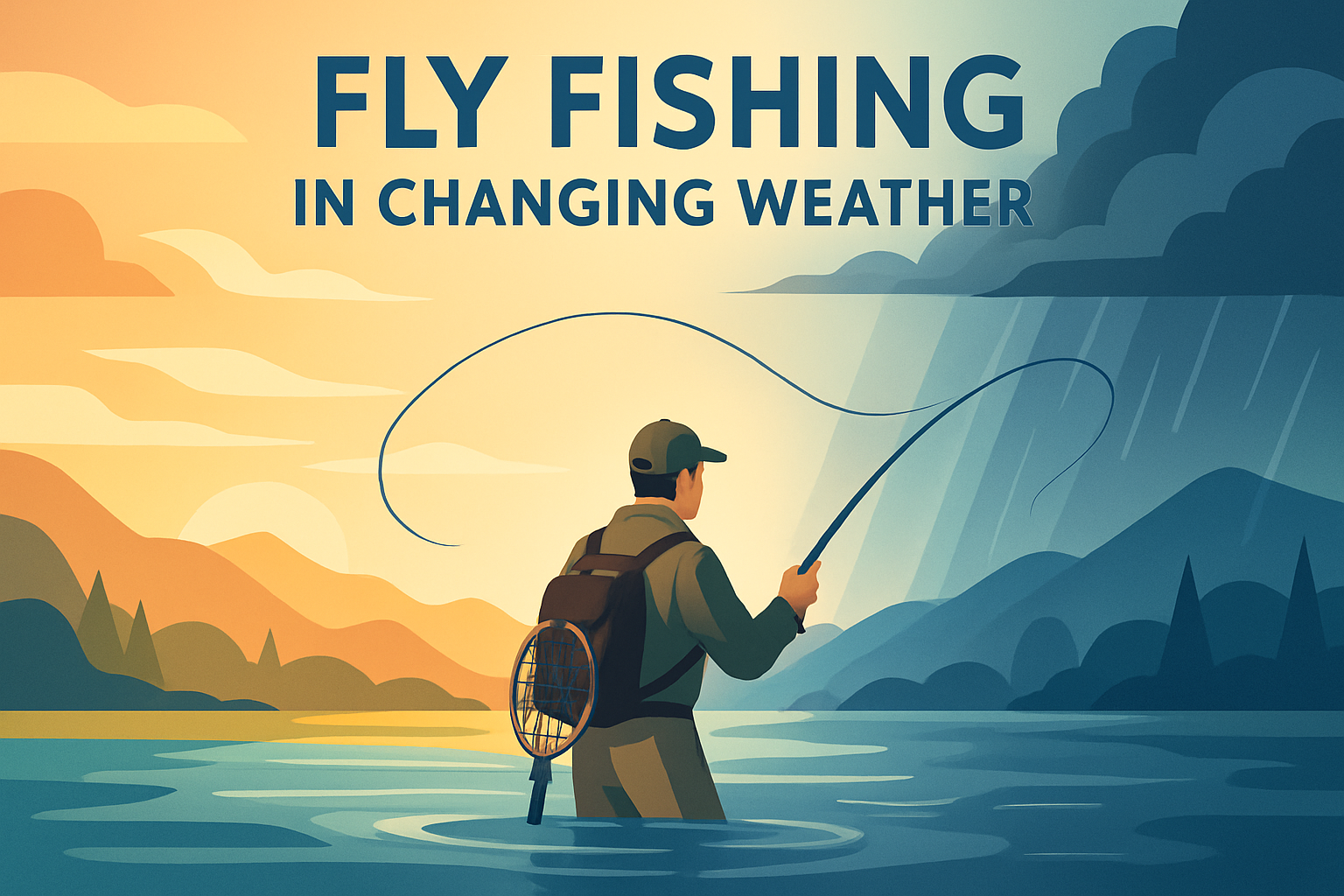
Fly fishing is a timeless sport that combines skill, nature, and relaxation into a truly unique experience. It involves using a lightweight rod and an artificial fly to catch fish in both freshwater and saltwater. A key aspect of this activity is understanding the environment, and more specifically, how weather changes can impact fishing success. Weather conditions such as wind, rain, and temperature fluctuations play significant roles in determining fish behavior and how anglers need to adjust their strategies. Adapting to these changes is crucial for every angler, from beginners to seasoned veterans. This understanding allows fishermen to remain successful even when conditions are less than ideal, making it an essential skill for anyone who takes their fly fishing seriously.
Why does it matter? Well, the success of a fly fishing trip largely hinges on reading the environment correctly. An awareness of how altering weather conditions affect fish feeding patterns, water flow, and visibility can greatly increase the likelihood of a productive outing. This knowledge not only boosts catch rates but also enhances the overall experience by connecting anglers with the natural world in a meaningful way. With a solid grasp of how to adapt to changing weather conditions, anglers can transform potentially frustrating scenarios into rewarding adventures.
Understanding Weather Patterns and Their Impact
Weather patterns directly influence fish behavior, making it crucial for anglers to understand these effects. For instance, high winds can affect casting accuracy, while overcast skies might make fish more confident in venturing away from cover. Changing atmospheric pressure can also alter fish feeding habits. Understanding these elements allows anglers to strategize effectively.
Consider a scenario where a sunny day turns overcast. Fish, which are naturally wary of light exposure, may become more active. An experienced angler, aware of these tendencies, might seize the opportunity to switch to brighter flies that stand out in the dimmer light. Recognizing how even subtle changes in weather prompt fish to alter their behavior can lead to more fruitful fishing excursions.
Adjusting Techniques for Windy Conditions
Wind can be both a bane and a boon for fly fishermen. While it complicates casting, it also creates surface disturbances that can camouflage both line and angler, improving the chances of fooling wary fish. Learning how to cast in the wind is an indispensable skill that requires anglers to be adept at using wind to their advantage.
Take, for example, a fly fisherman casting on a breezy day. Instead of fighting the wind, they angle the rod low to the water and shoot the line under the gusts, ensuring the fly reaches the target zone. This method, known as a sidearm cast or a Belgian cast, can drastically improve catch rates during windy conditions.
Rainy Weather Fishing Strategies
Rain can be a fly fisher’s friend, often leading to increased fish activity. Fish might venture closer to the surface under the cover of raindrops, mistaking them for insects or other bait. Rain can also wash terrestrial insects into the water, providing a feast for fish and, consequently, an excellent opportunity for anglers.
A practical example is fishing after a light rainfall when fish are more likely to be near the surface. Anglers might switch to dry flies that mimic drowned insects, increasing the chances of enticing a bite. Adjusting tactics according to rainfall intensity and duration is a critical aspect of capitalizing on rainy weather.
Adapting to Temperature Fluctuations
Water temperature influences fish metabolism and behavior, making it an essential factor for anglers to consider. Cold fronts might make fish lethargic, while a sudden warm spell could trigger a feeding frenzy. Recognizing these patterns and adjusting the approach accordingly can determine the success of a fishing trip.
In colder temperatures, fish often move to deeper waters where it’s warmer. For example, during a cold snap, an experienced fisherman might opt for a sinking line to reach these depths, presenting nymphs or streamers that mimic the natural food source fish would seek in colder conditions.
| Weather Condition | Fish Behavior | Recommended Fly and Technique |
|---|---|---|
| Windy | Less visibility, more surface feeding | Sidearm cast with weighted nymphs |
| Rainy | Increased surface activity | Dry flies during light rain |
| Cold Front | Lethargic, deeper water presence | Sinking lines with streamers |
| Warm Front | Active, aggressive feeding | Floating lines with attractor patterns |
Capitalizing on Overcast Skies
Overcast weather can often lead to the best fly fishing. Without the sharp sunlight, fish feel safer and bolder, roaming further from shelter in search of food. This scenario offers anglers a chance to cast in broader areas and explore more of the waterscape.
An illustrative example of this is when an angler finds clear waters under a cloudy sky, using lightly colored flies that might otherwise be too conspicuous under bright sunlight. The muted environment facilitates stealthier presentation, which is likely to coax strikes from even the most cautious fish.
Dealing with Sudden Weather Changes
Sudden weather changes can be the most challenging aspect of fly fishing. These shifts can cause fish to alter their behavior rapidly, potentially ruining a well-laid plan. However, the key is flexibility and readiness to shift tactics as needed.
For instance, if a mild day suddenly turns cold and windy, switching from dry flies to nymph patterns fished deeper can maintain engagement with fish that have retreated to calmer waters. This adaptability ensures continuous success despite erratic weather patterns.
Utilizing Weather Forecasts to Plan
With advancements in technology, fly fishermen can utilize weather forecasts to plan their outings strategically. Knowing the expected conditions allows anglers to prepare the right gear and strategies, maximizing the odds of a successful trip.
For instance, if a forecast predicts a clear morning followed by afternoon showers, an angler might plan to fish with dry flies early and switch to streamers as weather deteriorates. By leveraging forecasts, anglers can enhance their preparation and responsiveness to the elements.
Summary: Mastering Weather for Fly Fishing Success
Adapting to changing weather is an indispensable aspect of fly fishing, directly impacting success on the water. By understanding weather patterns, anglers can adjust their techniques to align with fish behavior in various conditions—be it employing low-sidearm casts in wind, utilizing dry flies during light rain, or sinking lines in cold fronts. Each adjustment in strategy is guided by an informed understanding of the dynamic embrace between weather and fish. Furthermore, by interpreting weather forecasts proactively, anglers set themselves up for greater achievements on their fishing adventures.
Reflect on these insights when planning your next fly fishing trip. Use the knowledge of weather impacts to enhance your tactics and optimize your time on the water. Whether a day begins clear and still or shifts to blustery or wet, your ability to adapt will be crucial to not only improving your catch rate but also experiencing nature in its most authentic form. Implement these strategies conscientiously, and embrace the challenges and rewards each unique weather condition presents. The more you fish, the more these adaptations will become instinctive, leading to enriched experiences and more successful fly fishing expeditions.
Frequently Asked Questions
1. How does wind affect fly fishing, and what adjustments should I make?
Wind is one of those elements that can make or break a fly fishing trip. It can be both a friend and a foe, depending on how well you adapt your tactics. When the wind picks up, it can help by breaking the surface tension of the water, making fish more likely to feed. But it can also make casting more challenging and affect the presentation of your fly.
To adapt to windy conditions, consider using a heavier line to cut through the wind and a shorter leader to maintain better control of your fly. Adjust your casting technique by using a tighter loop to penetrate the wind more effectively. Position yourself to cast with the wind rather than against it whenever possible. Practicing your roll casts can also come in handy on particularly gusty days.
Don’t forget to observe the wind direction; fish often face into the current, and in windy conditions, the wind can push insects to the farthest bank or shoreline, drawing fish to these areas. Position yourself wisely to take advantage of these natural movements.
2. What impact does rain have on fly fishing, and how can I best prepare for it?
Rain can significantly influence both fish activity and angler strategy during a fly fishing session. Light rain often stimulates fish to feed more actively by oxygenating the water and washing insects into the stream, making it an excellent opportunity for fishing. However, heavy rain can make things a tad more complicated.
If moderate rain begins, focus your efforts on the areas where the rain is washing food particles into the water, as these spots tend to become feeding hotspots for fish. Also, opt for flies that work well in low-light and turbid conditions—streamers and nymphs with brighter colors often prove effective.
However, heavy rainfall can lead to water becoming murky, which can be challenging. In such conditions, using larger, darker flies can help, as they will stand out better against the muddy background. Always keep an eye on water levels, as rising water can be dangerous and might require changing locations or calling it a day. Always pack your waterproof gear, including raincoats and waders, to avoid getting cold and damp.
3. How do temperature changes throughout the day affect fly fishing?
Temperature plays a pivotal role in fish behavior and can vary significantly from morning to evening. In warmer months, it’s not uncommon for fishing to be best during the cooler parts of the day, such as early morning or late afternoon, when fish are more active.
During colder weather or early spring, the sun’s warmth throughout the day might entice more insect activity, consequently attracting fish to feed more actively in areas warmed by the sunlight. Conversely, in peak summer, fish tend to seek refuge in deeper, cooler waters as the midday heat rises. That’s why targeting deeper pools or shaded areas during the hotter hours can yield better results.
Remember that with changing temperatures, fish metabolism and appetites change too. Adjust the size of your flies and the speed of your retrieval to match their feeding habits. Faster retrieval with smaller flies might be more effective when water temperatures rise, while slower presentations with larger flies might suit colder temperatures.
4. Can you explain the effects of barometric pressure changes on fly fishing?
Barometric pressure, though often overlooked, is an influential factor in determining fish behavior. Fish can sense pressure changes through their swim bladders and often react before a weather front arrives. Generally, a dropping barometer can signal an incoming storm or cold front, often triggering fish to feed more aggressively in anticipation, providing a short window for productive fishing.
On the other hand, rising barometric pressure, typically following a front, may lead to slower fishing days, as fish can become lethargic and less inclined to bite. During these conditions, patience is key. Consider using more attractor patterns, like colorful flies or those with added motion, to entice a bite.
A stable barometer, regardless of whether it’s high or low, tends to be favorable for fishing since fish adjust to the stable pressure. Keep a close eye on weather forecasts and be prepared to act quickly during periods of changing pressure, maximizing your chances for success.
5. How do I adjust my fly fishing strategy for seasonal weather changes?
Seasonal changes bring about new challenges and opportunities for fly fishing enthusiasts. Each season dictates distinct water levels, temperatures, bug hatches, and fish behavior all of which you need to adapt to.
Spring is notorious for its melting snow and higher waters, which require adjusting your approach to fishing deeper sections of rivers and using weighted nymphs that get down to where the fish are. As the weather warms, look out for the various hatches, such as Caddis and Mayflies, which will dictate your fly selection.
Summer brings low water and high temperatures. Fish often move to deeper, cooler sections to escape the heat, so fish in the mornings and evenings when temperatures are cooler, and aim for shadowed areas or riffles. Wet flies and terrestrials like ants and grasshoppers become prime choices as terrestrial insects start to fall into the water.
Fall offers cooler waters again, prompting fish to become more active throughout the day, preparing for winter. Use streamers that mimic baitfish, as predator species like trout and bass begin feeding more aggressively. Keep an eye on weather fronts, as they can greatly influence feeding patterns.
Winter fishing can be a test of patience and skill since fish metabolisms slow down. Smaller midges and nymphs are typically more successful, and fishing during the warmer parts of the day can increase your chances.
Adapting your tactics to the seasonal weather changes not only enhances your success on the water but deepens your appreciation for the sport as you learn to work with nature’s cycle.