Introduction to Fly Fishing in Clear Water
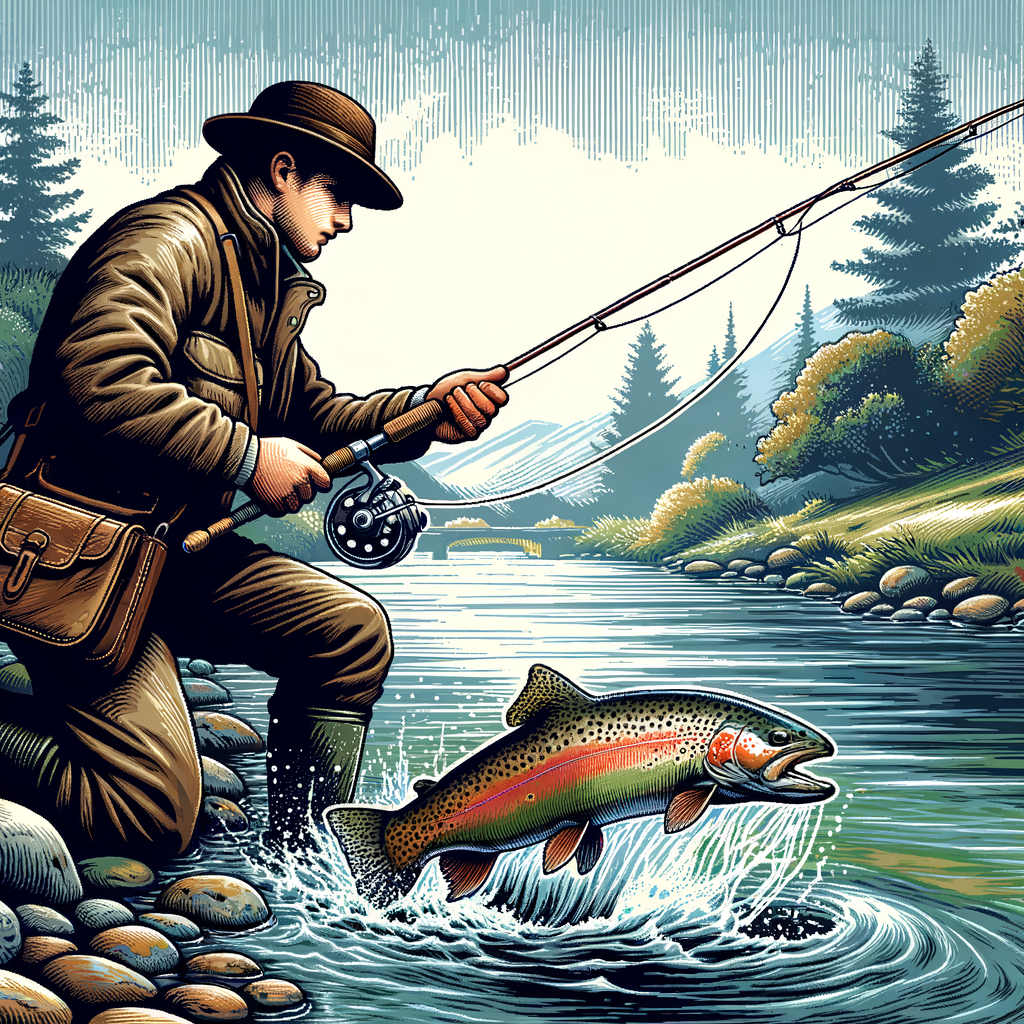
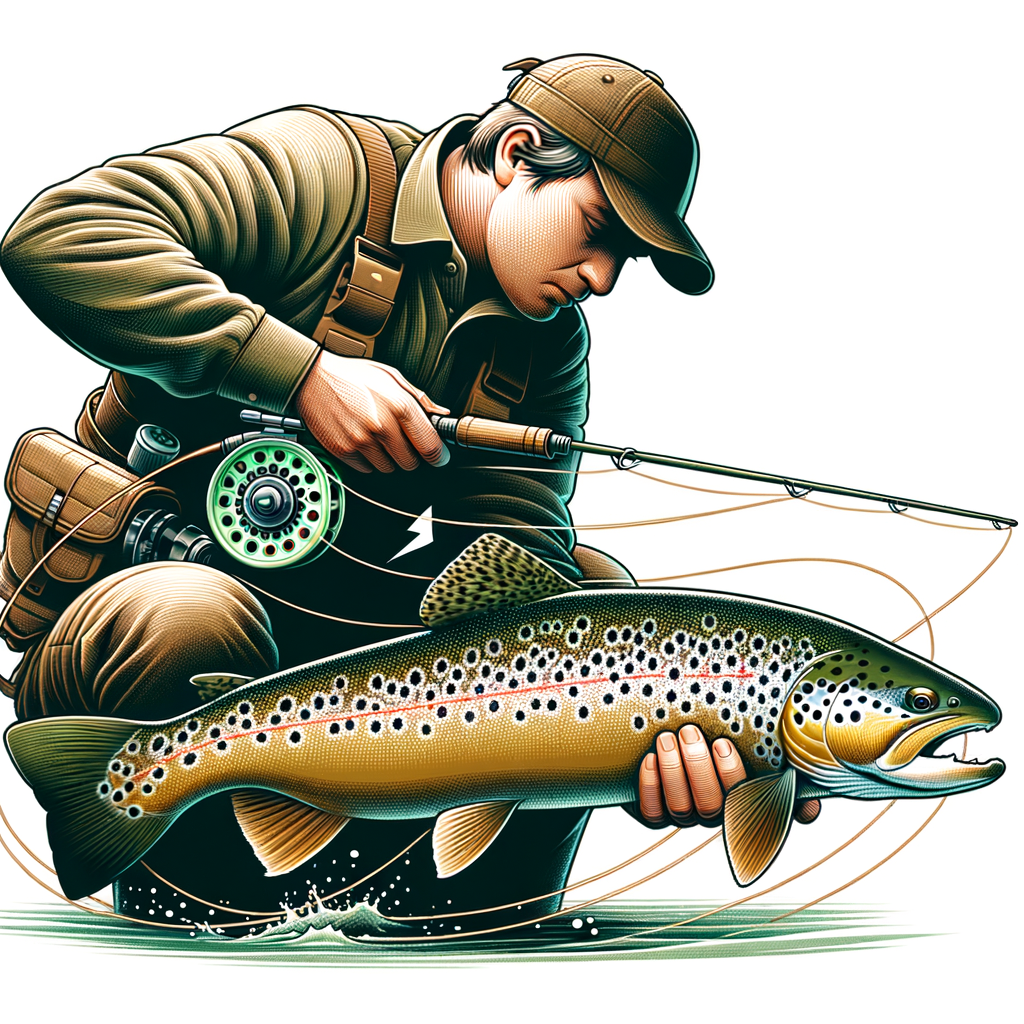
Fly fishing is a distinguished angling method that involves using artificial “flies” to catch fish. These flies, created from a combination of synthetic fibers and feathers, are cast using specialized equipment, notably a fly rod, reel, and weighted line. This technique, celebrated for its elegance and skill-demanding nature, is especially challenging in clear water. In such pristine environments, the fish possess heightened awareness and can often detect any flaws or disturbances. Therefore, it’s crucial for anglers to employ specific strategies to increase their likelihood of success.
Clear water fly fishing matters significantly to both amateur and professional anglers worldwide. The transparent waters not only present a greater challenge but also showcase the true beauty of the aquatic habitat, making the fishing experience more rewarding. The tactics discussed herein are carefully curated for maximizing success in these scenarios, promising improved results and enhanced satisfaction for every fishing enthusiast willing to grasp them.
Understanding Fish Behavior in Clear Water
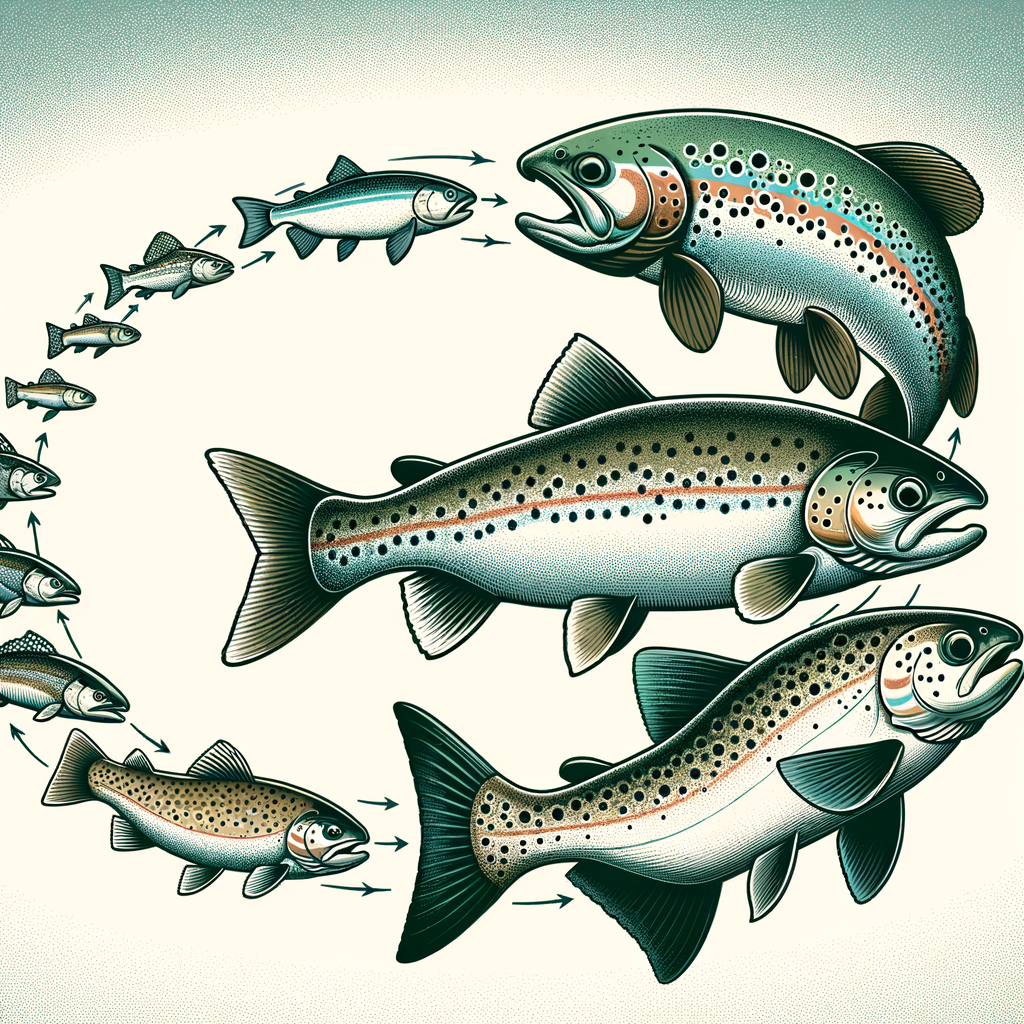
The first fundamental step towards successful fly fishing in clear water is understanding fish behavior. Fish in these environments are more alert and cautious due to high visibility. Consequently, they can detect unusual movements, and angler mistakes could easily spook them. Recognizing fish patterns and their typical reactions to changes in the environment is crucial.
Fish rely heavily on their sensory systems in clear waters, including vision, smell, and auditory signals. For instance, trout, a popular species for fly fishing, are known for their keen vision. They can differentiate colors and may be more suspicious of unconvincing fly patterns or intrusive movements. As a real-world example, during midday when the sun is high, trout often seek shaded areas or deeper sections with overhead cover to avoid predators. Understanding these tendencies means anglers can position themselves more strategically, minimize shadows or disturbances, and select fly patterns that better mimic the fish’s natural prey.
Selection of the Right Fly
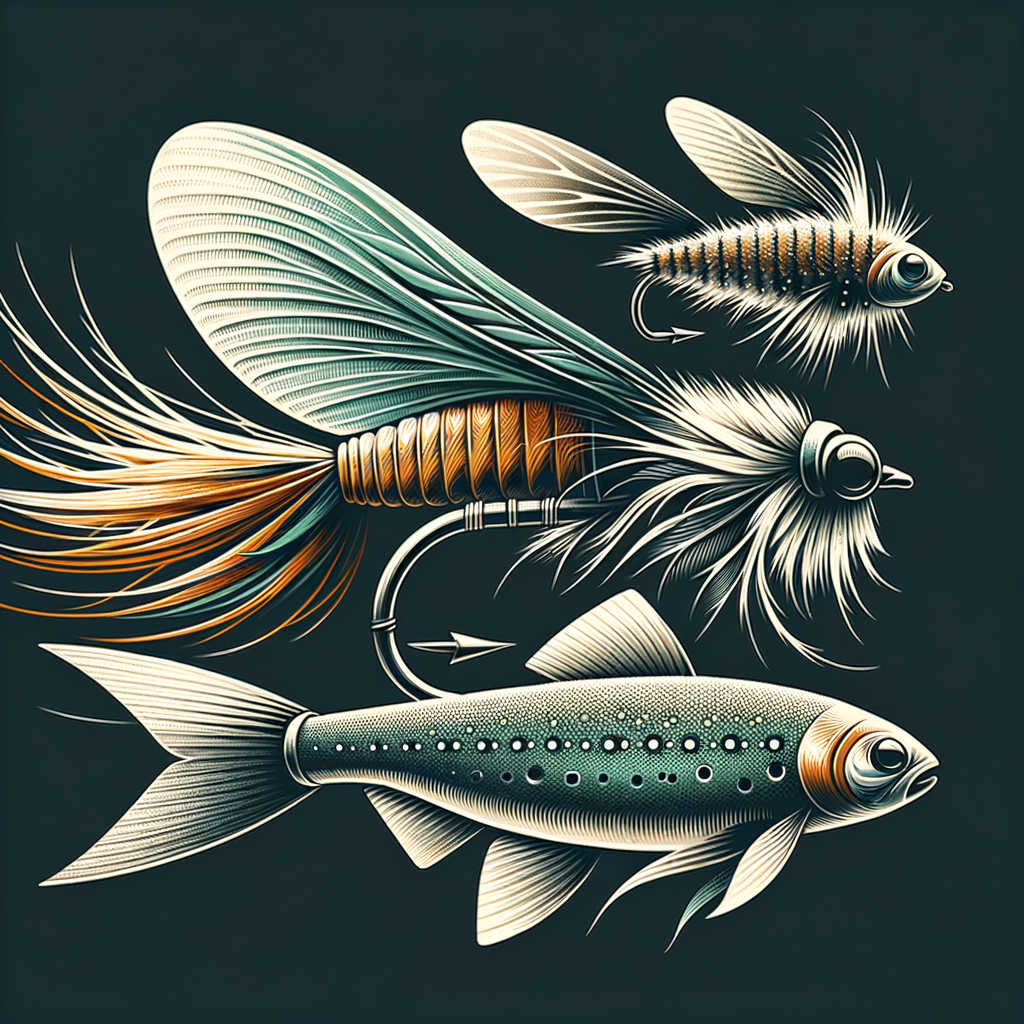
Choosing the appropriate fly is paramount when fishing in clear water. With such high visibility, fish are more likely to approach flies that closely resemble their natural food sources. The size, color, and pattern of the fly should be carefully considered.
For example, in a stream where aquatic insects like mayflies are prevalent, selecting a fly that mimics these insects enhances the chances of a successful catch. Natural colors that blend seamlessly into the environment tend to be more effective.
Consider the case of Richard, an experienced fly fisher who frequently fishes in the clear waters of Montana. He discovered that using small, pale-colored dry flies like the “Blue-winged Olive” significantly improved his success rate compared to using bigger, more vividly colored flies. This emphasizes the importance of keen observation of the immediate environment and choice of fly.
Mastering Casting Techniques
The ability to cast effectively is a crucial skill that can make or break a fishing expedition in clear water. The casting technique directly influences the fish’s reaction and the likelihood of catching them. Due to the transparency, every movement is magnified, and fish can easily be alarmed by splashes or sudden shadows.
One recommended technique is the roll cast, ideal for fishing in tighter spaces or when overhead casting is challenged by trees or other obstacles. Without lifting the line from the water, the roll cast reduces unnecessary noise and disturbance that might spook the fish. Additionally, maintaining a low profile and utilizing a stealthy approach, as demonstrated by Lisa, an avid angler from Vermont, ensures minimal visibility, easing the tension among the fish. Her subdued casting and quiet approach allowed her to consistently catch fish even in heavily fished waters.
Utilizing Proper Gear and Equipment
Equipping oneself with the right gear is as crucial as mastering the techniques. In clear water environments, light tackle is often beneficial. A lightweight rod with a sensitive tip allows anglers to experience even the most delicate nibbles from fish.
Finesse lines, clear or lightly colored, are preferable as they blend with the water, reducing the likelihood of detection by the fish. Moreover, polarized sunglasses are indispensable for reducing glare and enhancing underwater visibility. They aid anglers in spotting fish or potential hiding spots, ultimately improving efficiency and precision.
Reading the Waters
Successfully fly fishing in clear water demands an intimate familiarity with the waterbody. An understanding of currents, water temperatures, and natural structures like rocks and logs is key to knowing where fish might be hiding and feeding.
Take, for instance, the method adopted by Sam, a passionate angler from Colorado. When fishing the transparent streams of the Rocky Mountains, he makes it a priority to decode the water’s topography. By observing the way water flows around boulders and through riffles, he identifies likely feeding zones and strategically places his fly, often resulting in successful catches.
Using a Systematic Approach: A Quick Reference
Embracing a systematic approach simplifies the planning and execution of clear water fly fishing. Here’s a quick reference guide summarized in table form:
| Strategy | Description |
|---|---|
| Observing Fish Patterns | Monitor the behavior of fish, identifying feeding zones and reactions to conditions. |
| Fly Selection | Choose flies that replicate local food sources in terms of color, size, and pattern. |
| Casting Techniques | Employ efficient casts such as roll casts to minimize disturbance. |
| Equipment and Gear | Opt for lightweight gear, finesse lines, and polarized sunglasses. |
| Study the Water | Learn the waterbody’s topography and use it to your advantage. |
Conclusion: Key Takeaways from Fly Fishing in Clear Water
Clear water fly fishing presents unique challenges that, when approached with the right strategies, lead to a gratifying experience. Key takeaways include the understanding of fish behavior, the importance of proper fly selection, mastering unobtrusive casting techniques, and ensuring adept use of specialized equipment. Equip yourself with these insights and you can anticipate enhanced accuracy and success in transparent water environments.
The satisfaction from successfully catching fish in such demanding conditions is unparalleled, supporting both personal development and a deeper appreciation of nature. All anglers are encouraged to immerse themselves in mastering these strategies and experience the serendipity and excitement clear water fly fishing can provide. As a simple call to action, why not plan your next fishing trip armed with these insights? Head to a nearby clear stream, apply what you have learned here, and discover the artful mastery of fly fishing in pristine waters.
Frequently Asked Questions
1. What makes fly fishing in clear water more challenging than in other environments?
Fly fishing in clear water presents a unique challenge primarily due to the heightened visibility. Fish in these environments are particularly wary because they can easily detect movement, colors, and shadows that might signal danger. This means the angler has to be extra cautious and strategic in their approach. Unlike murky waters, where fish rely more on their lateral lines to detect vibrations, the clear water fish rely heavily on their vision. This necessitates the use of more natural-looking flies and precise casting techniques to avoid spooking the fish. Additionally, casting has to be done with utmost precision to avoid creating ripples that can alert the fish. All these factors combined make it a test of skill, patience, and finesse.
2. How can I choose the right fly to use in clear water conditions?
Choosing the right fly for clear water conditions requires careful consideration of the water clarity, natural environment, and the fish species you are targeting. It is essential to match the hatch, which means replicating the look and behavior of the insects the fish are naturally feeding on at that time. Since fish can see your fly more clearly in pristine environments, subtlety is key. Choose flies that mimic the natural color and size of the local bait. Bright or unnatural colors might make your fly stand out too much, alerting the fish to danger rather than enticing them to bite. Also, consider using flies tied with translucent and lightweight materials that can behave naturally in the water, like emerger patterns or parachute flies, which float gently and create minimal disturbances on the water surface.
3. What casting techniques work best for fly fishing in clear water?
In clear water, your casting technique needs to be precisely refined to avoid alerting the fish to your presence. Begin by ensuring a smooth and controlled cast that lands gently on the water surface without creating significant ripples. Sidearm casting or roll casting can be particularly effective since they allow the fly line to land delicately on the water, minimizing disruption. Additionally, practice your accuracy to place the fly exactly where it needs to be—near feeding lanes or on the edge of cover where fish are likely to be. Longer leaders and fine tippets are recommended because they help prevent the fish from seeing the line. Remember, stealth is crucial; avoid sudden movements or vibrations as you’re approaching the fishing spot.
4. Are there specific times of day that are more productive for fly fishing in clear water?
Timing can significantly influence your success in fly fishing clear waters. Generally, early morning and late afternoon are considered optimal times due to the presence of hatches and fish activity. During early morning, water temperatures are cooler, making fish more active and likely to feed near the surface. As the sun climbs and clearer light complicates stealth, late afternoon can also be productive, as fish resume their feeding closer to the surface in anticipation of evening insects. Conversely, midday often sees slower activity due to increased light penetration, which can make fish more wary. Nonetheless, local environmental factors such as weather patterns and water flow can alter these general guidelines, so observing on-the-ground conditions remains crucial for determining the best fishing times.
5. How do I prevent spooking fish in a clear water environment?
Preventing spooking in clear water starts even before you make your first cast. Begin by approaching the water with caution. Avoid sudden movements and wear natural-colored clothing to blend into your surroundings. A low profile helps minimize being easily spotted by fish. When casting, ensure your line lands softly, and don’t let your shadow fall on the water surface where you predict the fish might be. Also, pay attention to the position of the sun, as casting shadows can easily alert the fish of your presence. Lastly, be mindful of your noise level—walk gently on bank terrains and avoid splashing. Patience and quiet observation will often give you an advantage, allowing you to better adjust to the behavior and locations of the fish without causing alarm.