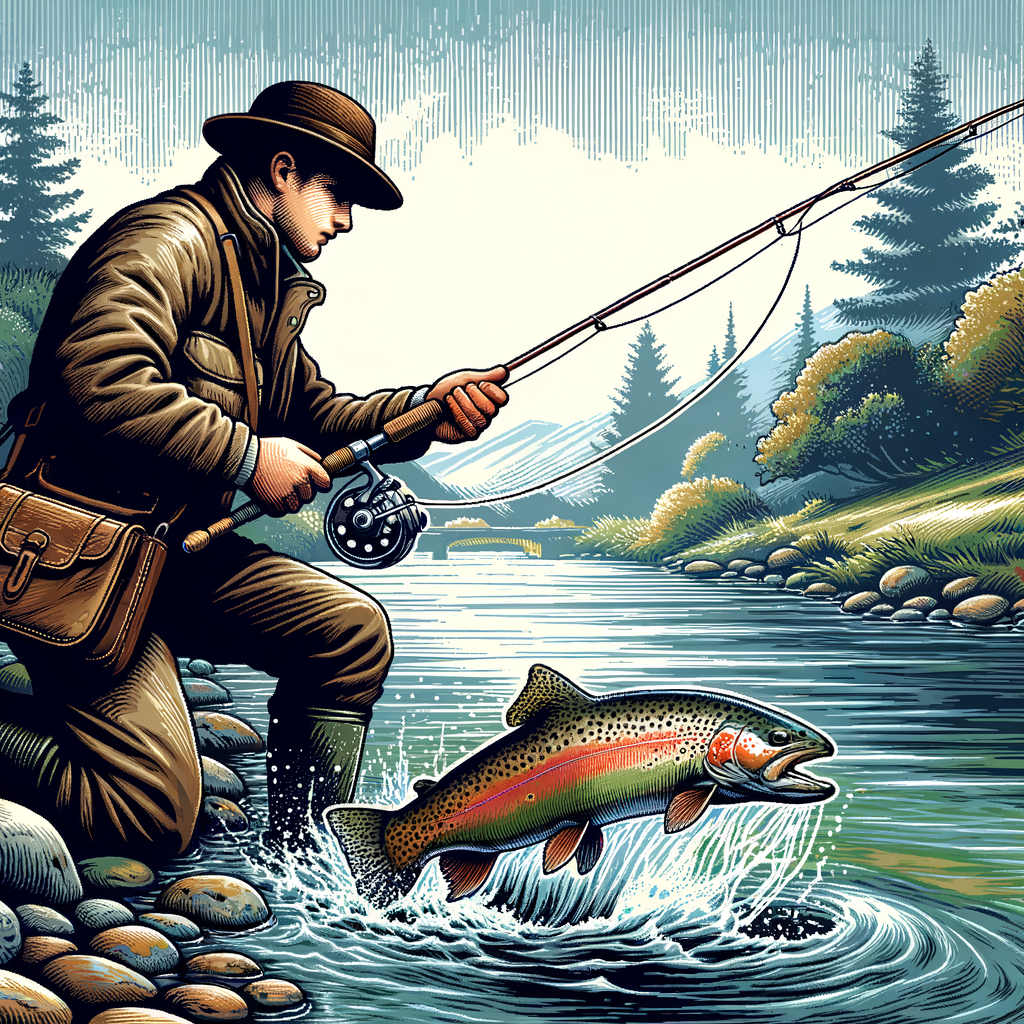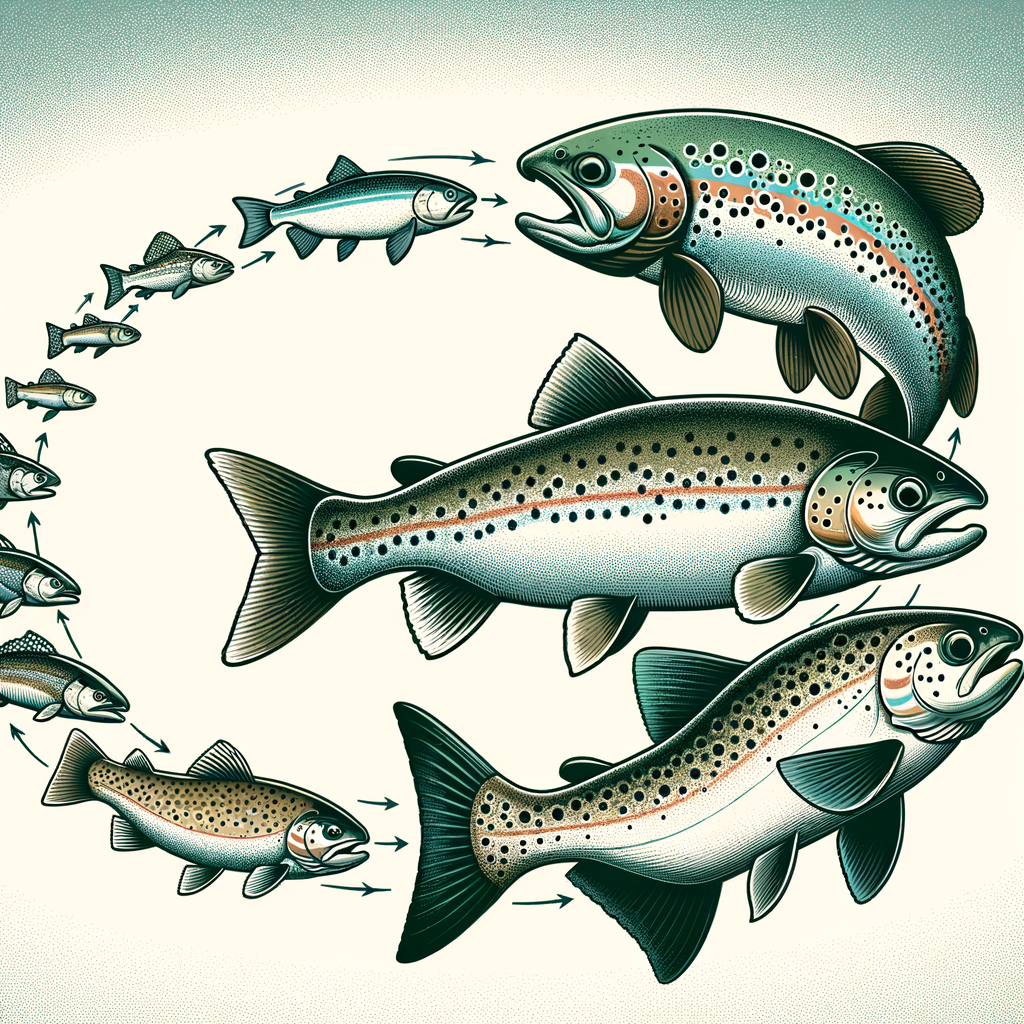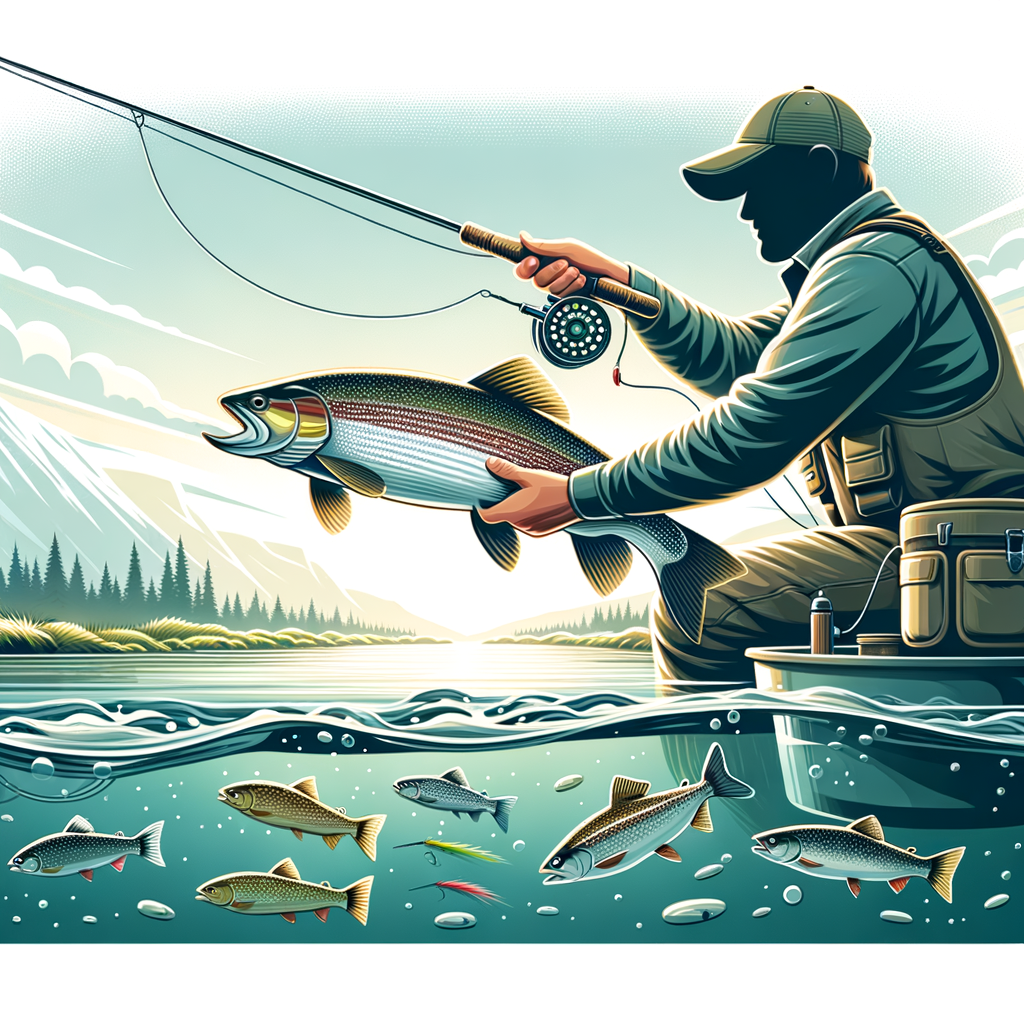
Fly fishing stands out as a captivating pursuit for anglers, offering a serene yet challenging endeavor that draws enthusiasts to rivers and streams worldwide. One fish that has particularly charmed fly fishers is the grayling, known for its beauty, elusive nature, and the skill required to catch it. Grayling are associated with pristine freshwater habitats, adding an extra layer of allure for those who seek them. In this article, we will delve deep into the techniques and tips for fly fishing specifically for grayling, highlighting how the unique behavior and habitat of this species influences the approach an angler must take. Whether you are a seasoned expert or a newcomer intrigued by the art of fly fishing, understanding grayling’s characteristics and honing your skills to catch them is a rewarding experience. As we explore this topic, we will focus on gear selection, fly choices, reading water effectively, and techniques tailored to successfully landing grayling. Join us on this detailed journey into the world of fly fishing for grayling, and prepare to enhance your angling skills.
Understanding Grayling Behavior and Habitat
To effectively target grayling, understanding their behavior and preferred habitats is crucial. Grayling are cold-water fish, thriving in clear, well-oxygenated streams, rivers, and lakes. These fish are often found in northern Europe, Asia, and parts of North America, where they prefer gravel-bottomed rivers with moderate to fast currents. Often seen rising to the surface to feed, grayling are insectivorous, feeding on aquatic and terrestrial insects, making fly fishing an particularly productive method. They tend to congregate in pools or behind large rocks where the current slows, providing them with protection and easier access to drifting food.
Understanding the seasonal movements and feeding habits of grayling can also enhance your fishing success. During spring and fall, grayling are generally more active as they prepare to spawn or recover post-spawning, resulting in marked behavior changes. In warmer months, anglers can expect to find grayling feeding heavily on surface insects, while in colder months, nymph patterns tend to be more successful as the fish stay deeper and less aggressive.
Gear and Equipment for Grayling Fly Fishing
Having the right equipment is essential for successful grayling fly fishing. Most anglers recommend a lightweight rod, typically in the 2 to 4-weight range, as grayling are not known for their large size, with most fish averaging between 10 to 15 inches. A shorter rod, around 9 feet, suffices in tighter streams or for those preferring delicate presentations. Paired with a lightweight aluminum reel to reduce fatigue over a long day, precision is key when targeting grayling.
A fly line with a weight-forward taper is advisable for achieving delicate, controlled casts. Since grayling are quite line-shy, using a fine leader, about 9 to 12 feet in length with a 4X to 6X tippet, is preferred to ensure minimal disruption when presenting the fly. Always keep in mind that sensitive tackle is necessary to feel the subtle bites often characteristic of grayling.
Choosing the Right Flies for Grayling
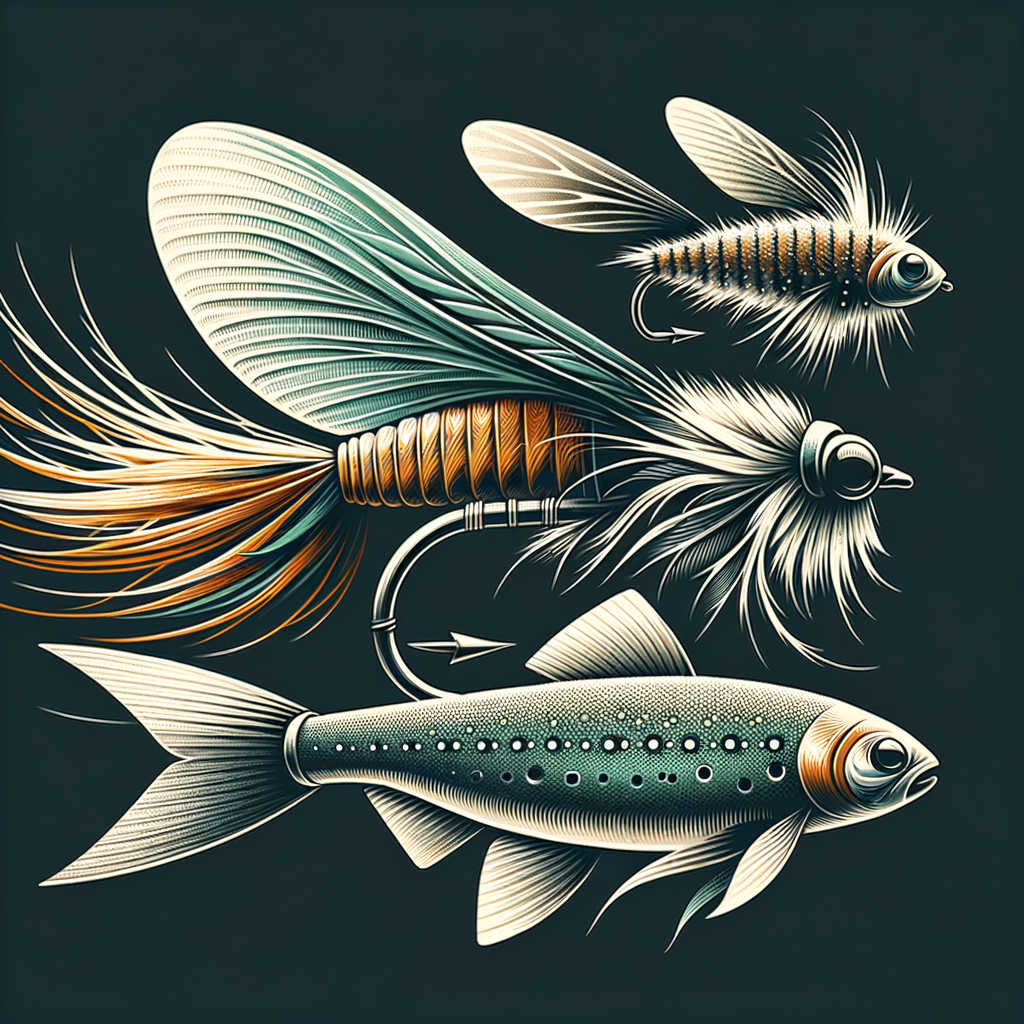
Perhaps the most crucial aspect of fly fishing for grayling is selecting the right flies. Grayling are known for being adventurous feeders, particularly partial to dry flies due to their surface-feeding habits. Presenting a fly that closely imitates their natural diet is crucial. Popular dry fly patterns include the Blue Dun, Elk Hair Caddis, and Adams, widely used during warmer months when insects are abundant.
However, when grayling are not rising, deploying nymphs can be significantly effective. When grayling are feeding beneath the surface, flies like the Pheasant Tail Nymph or the Hare’s Ear Nymph can spark interest. In colder waters and during winter, consider using streamer patterns that mimic baitfish, as grayling can become protein-hungry. Remember that grayling are opportunistic feeders, and the fly’s size and color matching natural conditions can be critical to success.
Casting Techniques for Targeting Grayling
Mastery of casting techniques is vital when fly fishing for grayling. Due to their wary nature, stealthy and accurate casts are necessary to avoid spooking them. When targeting grayling using dry flies, use a reach cast to place the fly gently in front of the feeding fish without causing disturbance. Mending the line quickly after the cast is crucial to ensure a drag-free drift, allowing the fly to present naturally.
If employing nymphs, consider the European nymphing technique, which aids in detecting subtle strikes that often go unnoticed. This method involves a tight line between the rod tip and the fly, enabling an improved feel for subtle bites. Frequently adjusting your casting distance and presentation tactics depending on water conditions and fish behavior is pivotal for success.
Reading the Water and Positioning
Another fundamental skill in fly fishing for grayling is the ability to accurately read the water and position yourself strategically. Grayling prefer areas with adequate cover from predators and strong currents. Often, these fish can be found near streambed depressions or undercut banks where they feel secure and have easy access to food. Look for riffles, deep pools, or areas just downstream from submerged rocks, as these spots attract insect hatches and in turn become regular feeding grounds for grayling.
Position yourself upstream and cast to these areas, allowing for your fly to drift naturally with the current toward potential holding spots. Using polarized sunglasses can be invaluable, enhancing your ability to see beneath the water’s surface and assisting in identifying grayling or productive pockets to target. Staying low and moving quietly are essential tactics for maintaining stealth and not scaring fish.
Adjusting for Different Seasons and Conditions
Seasonal adjustments are a significant part of fly fishing for grayling. In the spring, as water temperatures rise, grayling become more active, often found in shallower waters, providing excellent opportunities for dry fly fishing. Stack your fly box with patterns that mimic early season hatches such as mayflies and caddisflies.
During high summer, water temperatures and insect activity peak, increasing feeding activity but also stress levels for grayling. Consider fishing early or late in the day when temperatures are cooler. In contrast, autumn is a prime season as grayling prepare for winter, voraciously feeding to build energy reserves, requiring anglers to switch between dry flies and nymphs depending on the changing weather conditions.
In winter, you’ll find grayling deeper in the river, conserving energy. Nymph patterns fished near the bottom prove effective, though you might need to approach fishing slowly and with persistence. By understanding these seasonal patterns, tailoring your techniques accordingly can ensure a high level of success in all phases of the year.
Conservation and Ethical Angling
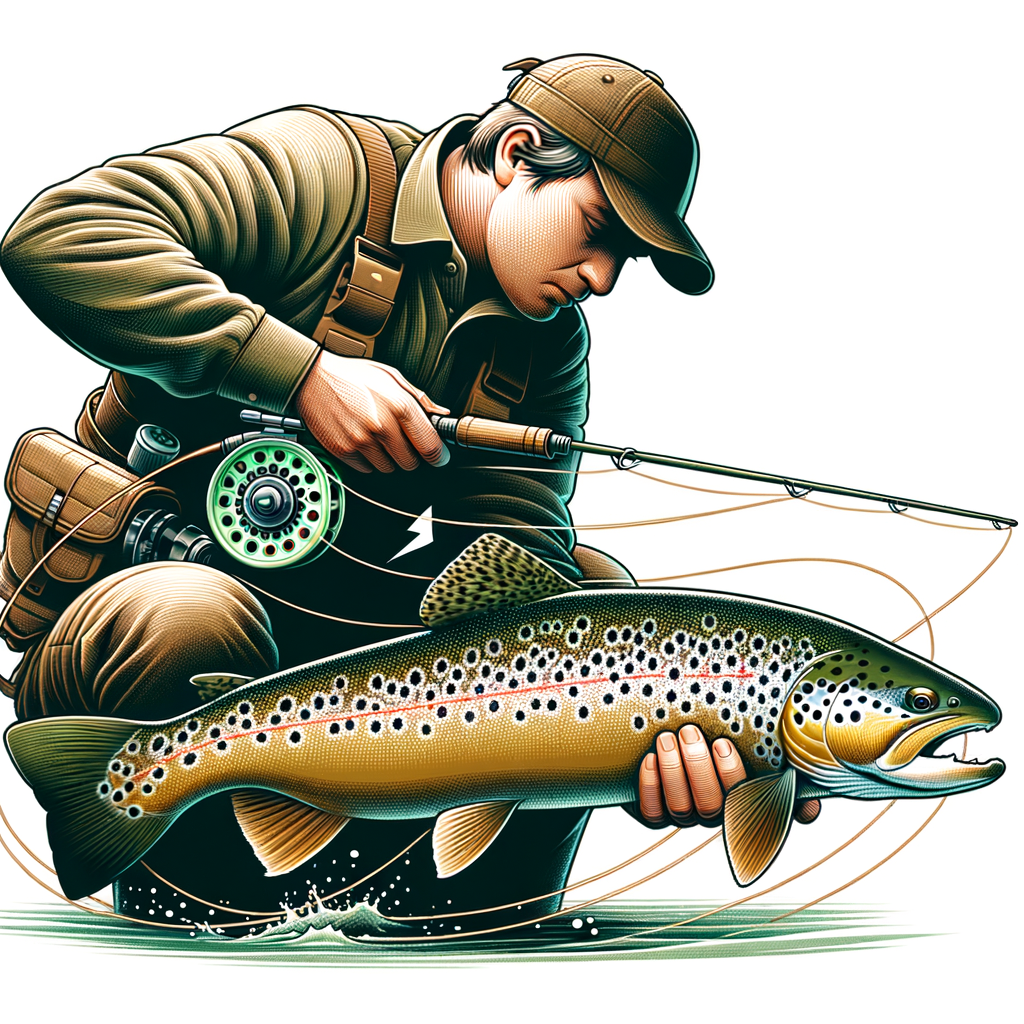
With the growing popularity of fly fishing for grayling, it’s vital to focus on conservation and ethical angling. Recognizing the importance of preserving habitats that support grayling populations ensures sustainability and the continued enjoyment of the sport. Always abide by local regulations, including catch and release practices where applicable, to assist in maintaining fish populations at healthy levels.
Handle grayling with care during releases, minimizing exposure to air and excessive handling to prevent harm. While wading, be mindful of your impact on streambeds and aquatic habitats, avoiding disruption to nesting areas and the aquatic life that grayling depend on. Ethical angling not only helps preserve fish populations but enriches your overall fishing experience, enhancing the satisfaction derived from engaging with the natural environment.
Conclusion
Fly fishing for grayling offers unparalleled opportunities to connect with nature and sharpen fishing skills through engaging challenges and serene environments. From selecting appropriate gear, mastering casting techniques, and employing thoughtful fly selection, each aspect holds the potential to enhance your experience and success on the water. Understanding seasonal habits and feeding patterns ensures that you approach fishing with an informed perspective, thereby improving your chances of landing these beautiful fish. As the pursuit of grayling ignites passions across the globe, anglers must strike a balance between tradition and innovation, embracing conservation efforts to secure the future of fly fishing for generations to come. By respecting ethical guidelines and remaining open to adapting your methods, fly fishing for grayling can be a gratifying endeavor, providing countless stories and memories to cherish. Dive into this rewarding segment of fly fishing, and discover the profound satisfaction of angling for grayling, a species embodying both beauty and the essence of the sport.