Bull trout are a remarkable species of fish found in the cold, clear waters of North America. Known for their elusive nature and impressive size, they are a sought-after species for anglers looking for a challenging catch. Bull trout are part of the char family, which also includes brook trout and lake trout, and are easily recognizable by their olive-green coloring with pale yellow spots. They typically inhabit cold, clean, and well-oxygenated streams and lakes, often in high-altitude or northern locations. Due to their habitat requirements and sensitivity to environmental changes, they are considered a species of concern and, in some areas, are listed as threatened. Despite these conservation challenges, they remain a prized catch for those who are passionate and tenacious enough to seek them out.
Anglers aiming to catch these giants must be well-versed in the specific techniques and strategies that make for a successful pursuit. Bull trout can grow to impressive sizes, with many individuals reaching over thirty inches in length and weighing over twenty pounds. Such size only adds to their allure, making them a true trophy for anyone lucky enough to reel one in. Their size and strength require patience and precision on the part of the angler, along with a deep understanding of their behavior and habitats. This introduction will guide you through the essentials of finding and catching these magnificent fish, detailing both the thrill of the chase and the satisfaction of a successful catch.
Understanding Bull Trout Habitats
Bull trout are indigenous to a range of environments, particularly in the western regions of North America. They require very specific habitat conditions to thrive, which is part of why they have a reputation as a challenging fish to find and catch. These fish favor cold, pristine waters, with temperatures that are consistently below 60 degrees Fahrenheit. They are sensitive to temperature changes, and even slight increases can push them to seek deeper or more remote areas. This environmental requirement means that they are often found in high-altitude lakes and in river systems with substantial groundwater contributions.
Geographically, bull trout occupy diverse areas, ranging from northern Canada down through the Pacific Northwest of the United States. Within these areas, their distribution is often patchy due to their specific habitat needs. Streams and rivers with plenty of cover and structure, such as downed logs and overhanging banks, are ideal for bull trout as they offer protection and ambush points from which to hunt. In addition, bull trout require large, connected waterways for migration, as they often move significant distances between spawning, rearing, and overwintering habitats. This migratory behavior contributes to their enigmatic presence since it can be challenging to predict their precise location at any given time of year.
Optimal Seasons and Timing for Bull Trout Fishing
Bull trout fishing is highly dependent on seasonal changes and water temperatures. Fall is often cited as one of the best times to try your luck at catching a bull trout, as they are more active and accessible due to their spawning patterns. As water temperatures drop, bull trout become more aggressive, making them more likely to strike. Spawning typically occurs in September and October, during which time bull trout move into shallower, gravel-bottom streams. However, fishing in these areas and times should be approached with caution and respect for fishing regulations, to avoid disrupting the spawning process.
Besides fall, early spring can also provide prime angling opportunities for bull trout. As winter ice melts, fresh water influxes into streams and lakes, often carrying nutrients that increase fish activity levels. During this time, bull trout can often be found in river systems hunting baitfish that are becoming active with the warmer water influx. Understanding these seasonal patterns and their impact on bull trout behaviors is crucial for planning a successful fishing trip.
Techniques and Tackle for Bull Trout
When it comes to catching bull trout, the right tackle and techniques make all the difference. Because bull trout can reach substantial sizes, using heavy-duty gear is recommended. Anglers typically use rods that can handle significant weight and force, with a medium-to-heavy action being ideal. Strong braided line is often employed, with a test strength of at least 20-40 pounds, depending on the size of the fish in your target area. The reels should also be reliable, with a smooth drag system capable of handling the lengthy and strenuous battles bull trout are known to put up.
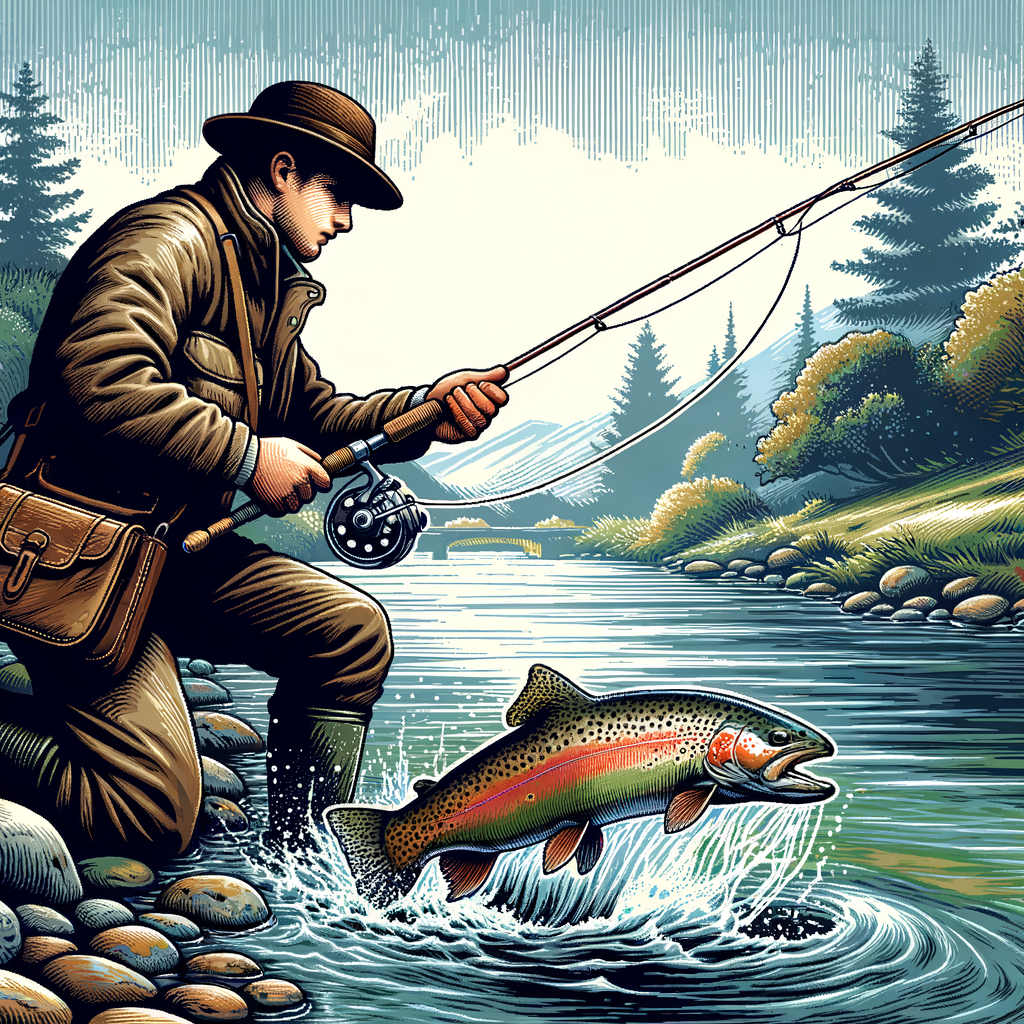
Given their predatory nature, bull trout fishing often involves mimicking the prey they naturally hunt. Spoons, jigs, and streamers that mimic baitfish like sculpins or smaller trout are particularly effective. Large, flashy lures can attract their attention, especially in clear waters. It is important to use lures that are appropriate for the specific water habitat, whether it is faster-moving rivers or tranquil lakes. Fly fishing is also a popular method, with anglers using large streamers that replicate movements of fish swimming in the water column. Moreover, sight fishing, where anglers look for the trout in clear, shallow water, adds another layer of challenge and excitement to the endeavor.
Considerations for Conservation
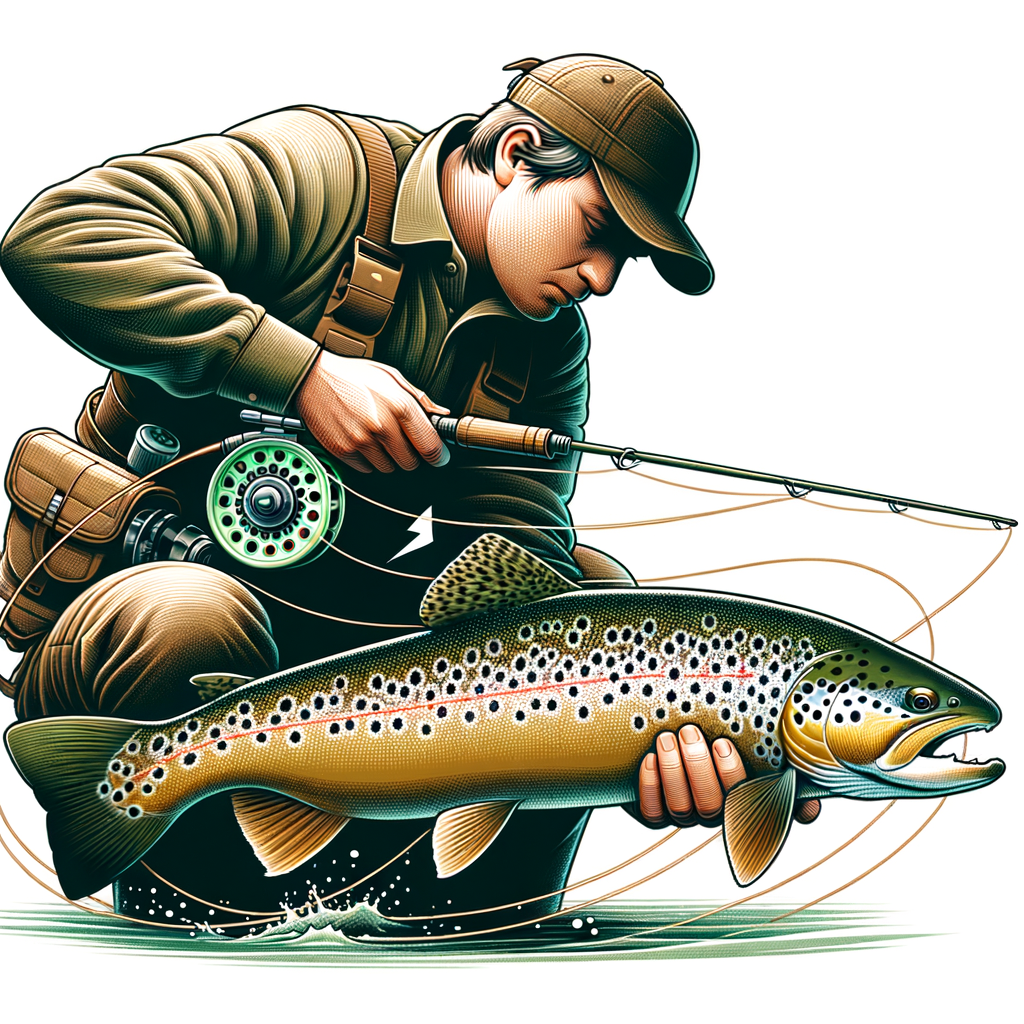
Conservation is a core consideration while targeting bull trout. Their populations are sensitive to environmental disturbances such as habitat destruction, pollution, and temperature increases due to climate change. Overfishing and competition from non-native species can also impact their numbers. When fishing for bull trout, it is paramount to maintain an ethical approach that aligns with regional conservation efforts. This often includes practicing catch and release, using barbless hooks to minimize injury, and ensuring that photography and handling are done swiftly and respectfully to reduce stress on the fish.
Regulations vary by region, with some areas having strict no-take mandates to protect vulnerable populations. Familiarizing yourself with these rules is imperative, as they are in place to ensure the species’ long-term survival. Additionally, many conservation organizations encourage anglers to report their catches, as these data contribute to better understanding and management of bull trout populations. Respectful fishing practices not only safeguard the species but also ensure that future generations of anglers can enjoy the challenge of catching these remarkable fish.
Wildlife Behavior and Angling Impact
Bull trout are notorious for their aggressive and solitary behavior. Unlike some other fish species that thrive in schools, bull trout are often found alone or in smaller groups, thereby enhancing their mystique and making them an enticing target for seasoned anglers. Their aggression is advantageous when fishing, as they are more likely to attack lures or bait with zeal. Understanding their hunting habits is crucial. Bull trout typically ambush their prey rather than chasing it for long distances, which means that strategically positioning oneself with knowledge of where they might be lying in wait can influence success rates significantly.
It’s also essential to understand the wider ecosystem when fishing for bull trout. This involves awareness of predator-prey dynamics and the impact of human activity on the environment. Responsible angling ensures that the natural behavior of these fish isn’t disrupted, and that habitats are preserved for further ecological stability. By maintaining a fair approach and respecting these magnificent creatures, anglers contribute to a more profound appreciation and a sustainable ecosystem that continues to support robust bull trout populations.
Conclusion
Catching bull trout is more than just a test of angling skills; it’s an affirmation of one’s understanding of nature and dedication to preserving it. These giants of the freshwater world present both a challenge and a rewarding experience to those who seek them out. Their demanding habitat needs, elusive nature, and impressive size make the pursuit of bull trout a unique adventure that requires knowledge, patience, and respect. As stewards of the natural world, anglers have a vital role to play in fostering sustainable fishing practices that ensure the well-being and continuity of bull trout populations for generations to come.
The intricate balance between enjoying the thrill of the catch and mindfulness of environmental impacts embodies the true spirit of fishing. The shared experiences on riverbanks and lakesides, accompanied by the stories of pursuit and capture, enrich the angling community and reinforce a collective responsibility towards conservation. By actively participating in the responsible management of bull trout ecosystems, anglers not only preserve the opportunity to capture these magnificent fish but also contribute to a broader understanding of our ecological responsibilities. In essence, finding and catching bull trout is an endeavor rooted in respect, sustainability, and the authentic passion that drives fishermen to connect with nature through the art of fishing.
So, prepare your gear, do your research, and embark on a journey to find one of the most incredible freshwater challenges that North America has to offer. Armed with the knowledge and guidance provided, you are now ready to navigate the pristine waters where bull trout reside, creating your own stories and experiences that highlight not just the thrill of the catch but also the profound respect and love for our natural world.