Utah offers one of the most complete fly fishing experiences in North America, combining blue-ribbon tailwaters, high-elevation lakes, meadow streams, desert canyons, and easy access from major travel corridors. For anglers building a destination list, exploring Utah’s premier fly fishing spots means understanding more than famous river names. It means knowing how elevation shapes hatches, why tailwaters fish differently from freestone rivers, when stillwater opportunities peak, and which regions serve beginners versus technical dry-fly specialists. As a hub within the broader Fly Fishing Destinations coverage for North America, this guide explains where Utah fits on the continental map and why it consistently earns attention from traveling anglers, guides, and conservation groups.
In practical terms, Utah fly fishing spans three major categories. Tailwaters are rivers flowing below dams, where stable temperatures and controlled releases often create long seasons and strong trout growth. Freestone rivers depend more on snowmelt, summer storms, and seasonal runoff, which makes them dynamic and often best during narrower windows. Stillwaters include alpine lakes and reservoirs, where chironomids, damselflies, leeches, and terrestrials can produce exceptional fishing, especially for larger trout. I have planned trips across all three in Utah, and the state stands out because these fisheries sit within a relatively compact geography. You can fish a technical Provo River nymph run in the morning, explore a stillwater in the afternoon, and be within reach of another watershed by the next day.
That variety matters because anglers rarely want only one kind of water. Some travelers want family-friendly access near Park City or Heber Valley. Others are chasing large brown trout on streamers in late fall, sight-fishing spring creeks, or hiking to alpine cutthroat water that sees little pressure. Utah also matters from a regional perspective. Within North America, it complements the larger destination stories of Montana, Idaho, Wyoming, Colorado, British Columbia, and Alaska by offering unusually strong shoulder-season fishing, dependable guide infrastructure, and a broad menu of public access. For visitors flying into Salt Lake City, the logistics are often easier than in more remote destination states. That convenience, paired with real fish quality, is exactly why Utah belongs near the top of any western fly fishing shortlist.
Why Utah stands out among North American fly fishing destinations
Across North America, elite fly fishing destinations usually earn their reputation in one lane. Montana is often associated with iconic freestones, Alaska with wild salmon and trout ecosystems, and British Columbia with remote scale and steelhead heritage. Utah is different because it performs well across several categories at once. The state has productive tailwaters like the Green and Provo, classic freestone systems such as the Weber and Blacksmith Fork, and highly underrated stillwaters and alpine fisheries. That range makes Utah a smart hub destination for anglers who want multiple fishing styles without committing to long transfers between regions.
Another reason Utah stands out is the role of elevation and water management. Snowpack from the Wasatch, Uintas, and other mountain ranges feeds rivers that would otherwise be limited by an arid climate. Reservoir systems and dams create cold releases that sustain trout below impoundments, especially in summer. This produces a calendar with fewer dead zones than many anglers expect. Spring offers midge, blue-winged olive, and early caddis activity on tailwaters. Runoff affects freestones, but tailwaters remain fishable. Summer brings terrestrial fishing, PMDs, caddis, and alpine access. Fall is prime for browns, streamers, and lower fishing pressure. Even winter can be productive on the Provo and Green for nymph anglers who understand temperature windows.
From a travel planning perspective, Utah is also organized around distinct fly fishing corridors. The Wasatch Front gives quick access to the Provo, Weber, and multiple stillwaters. Northeastern Utah offers the Green River below Flaming Gorge, one of the West’s benchmark tailwaters. Southern Utah adds scenic contrast with fisheries near red rock country. For readers exploring Fly Fishing Destinations across North America, Utah functions as both a standalone trip and a strategic stop within a larger western road circuit that might also include Idaho’s Henry’s Fork, Wyoming’s Green River drainage, or Colorado’s Yampa and Gunnison systems.
The Provo River: Utah’s most reliable all-around trout fishery
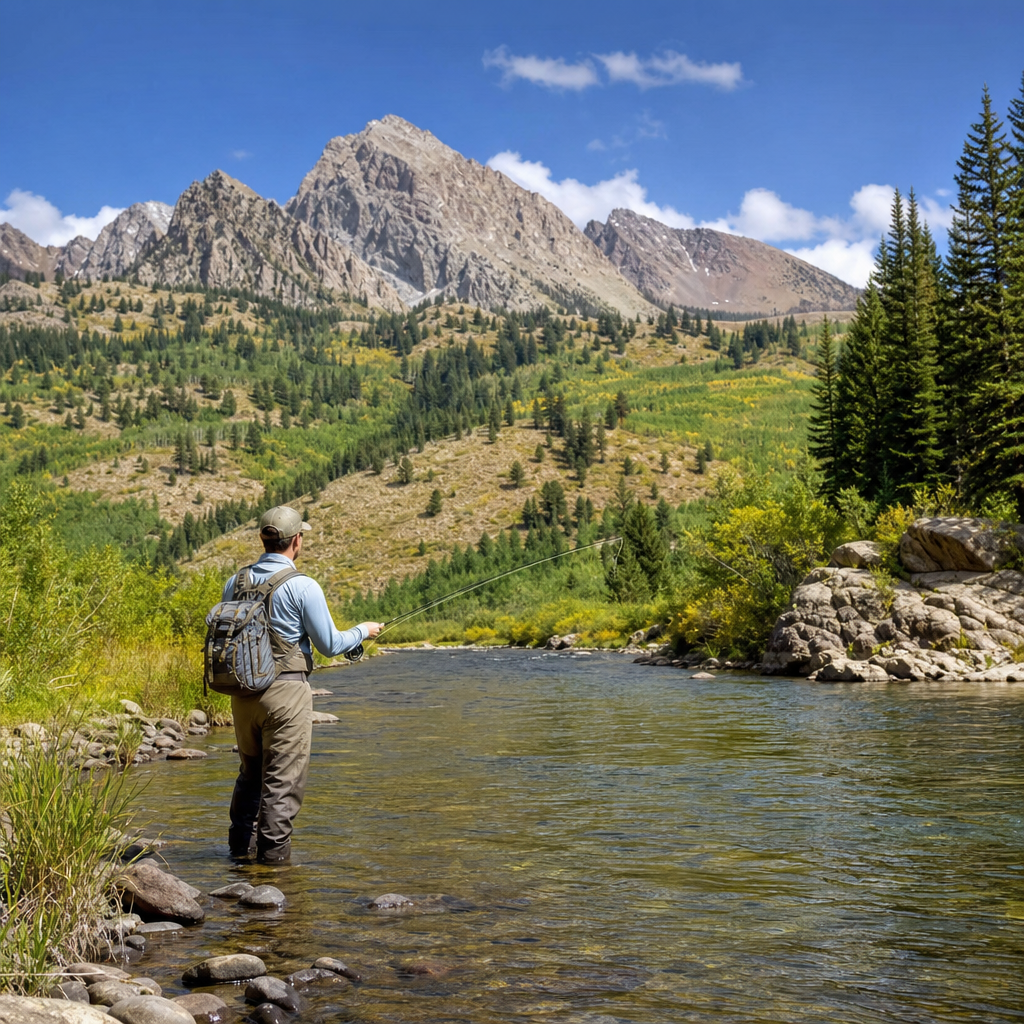
If one river best represents Utah fly fishing, it is the Provo. Divided into upper, middle, and lower sections, the Provo offers year-round opportunity, dense trout populations, and easy access from Salt Lake City, Park City, and Heber. The Middle Provo below Jordanelle Reservoir is the most frequently recommended stretch for visiting anglers because it combines stable flows, abundant insect life, and fishable structure ranging from riffles and seams to undercut banks. Brown trout and rainbow trout both thrive here, and while average fish are often in the mid-teens, larger trout are common enough to keep experienced anglers engaged.
The Provo’s strength is consistency. Midges produce in winter. Spring can bring blue-winged olives and effective nymphing before runoff impacts nearby freestones. Summer usually means PMDs, caddis, sow bugs, scuds, and terrestrial patterns along grassy banks. In fall, streamer fishing improves as brown trout become more aggressive. This is not a river where anglers should expect solitude, especially near popular access points, but heavy pressure has also made fish selective. That is useful for skill development. Good drifts matter. Depth control matters. Small changes in split shot, indicator placement, and fly size often determine whether a run produces one trout or six.
For newer anglers, the Provo is one of the best places in Utah to hire a guide because the learning curve pays off immediately. A guide can explain reading inside seams, adjusting weight through deep buckets, and timing midge emergers during cold weather. For experienced anglers, the river rewards tactical variety. Euro nymphing works well in many slots, but dry-dropper rigs and streamer presentations also have their moments. In North American destination terms, the Provo is less romanticized than rivers like the Madison or Delaware, yet it is more dependable than many famous names. That dependability is a major advantage when a trip has limited days.
The Green River below Flaming Gorge: a flagship western tailwater
The Green River below Flaming Gorge Dam is Utah’s headline fishery and one of the most important trout rivers in the American West. The section known as sections A, B, and C near Dutch John is the core destination. Cold, nutrient-rich releases create ideal trout habitat, supporting strong populations of brown trout, rainbow trout, and mountain whitefish. The upper river, especially section A, is the most famous because of its drift-boat access, prolific aquatic insect life, and high fish-per-mile numbers. In practical terms, it is the river many traveling anglers picture when they think of Utah fly fishing.
What makes the Green so effective is ecological stability. Tailwater temperatures remain relatively cool through summer and moderate through winter, extending productive fishing windows. Midge hatches can be excellent in colder months. Spring and early summer bring blue-winged olives and caddis. Cicadas and terrestrials can become meaningful during warm periods, while streamers move larger browns when flows, light, and angler timing line up. The river’s clear water and heavy pressure create technical conditions, so long leaders, precise mends, and smart positioning matter. Many anglers fish indicators and small nymphs, but dry-fly opportunities can be outstanding when hatches align.
The Green is also a travel benchmark because it combines fish quality with scenery. Red canyon walls, wildlife sightings, and the sense of isolation elevate the trip beyond simple catch rates. Still, anglers should plan carefully. Boat ramps, flow schedules, and campsite reservations can affect the experience significantly. Wading anglers can do very well, but understanding release changes from the dam is essential for safety and access. In the context of North American fly fishing destinations, the Green compares favorably with other premier tailwaters because it delivers both numbers and atmosphere, and it does so with a management structure that has supported its reputation for decades.
Other premier Utah waters: Weber, Blacksmith Fork, Strawberry, Boulder, and alpine lakes
Utah’s depth shows up once anglers look past the two headline rivers. The Weber River, particularly below Echo and Rockport reservoirs, offers productive tailwater and transition water fishing with healthy brown trout populations and less destination hype than the Provo. It can be excellent for nymphing and streamer tactics, especially when flows are favorable. The Blacksmith Fork, a tributary of the Bear River system, is a smaller, more intimate fishery known for technical dry-fly fishing, clear water, and selective trout. During good hatches, it feels like a spring-creek puzzle, rewarding careful approach, fine tippet, and accurate presentation.
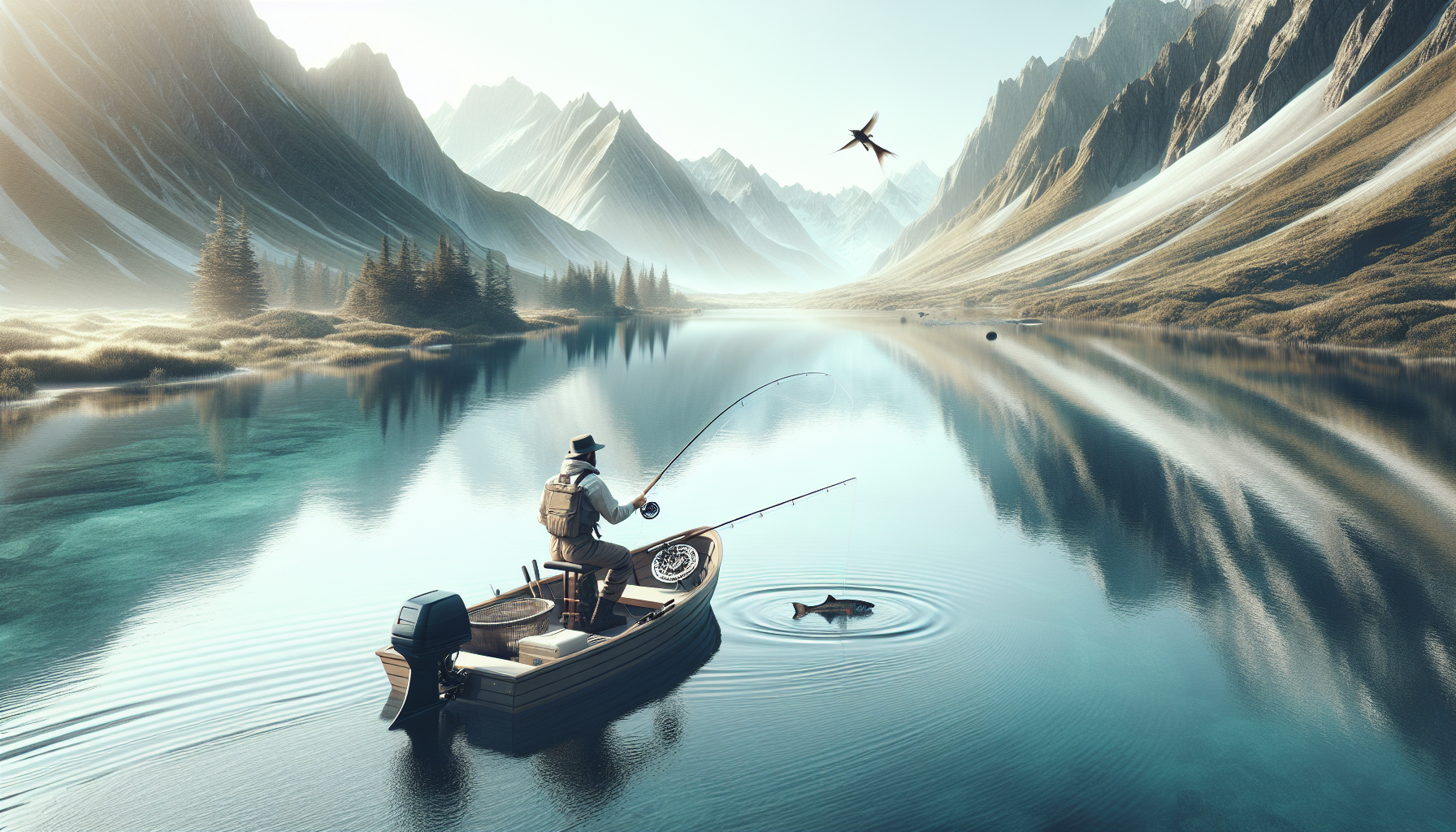
Stillwater anglers should not overlook Strawberry Reservoir, a nationally respected fishery for large cutthroat and cuttbow trout. Boat anglers often do best, but float tubes and pontoons can be effective during key periods. Chironomids, leeches, balanced minnows, and damselfly presentations all have their place depending on season and weather. Strawberry broadens the Utah fly fishing conversation because it proves the state is not only about rivers. Trophy-class trout in stillwater demand a different skill set, including depth tracking, wind management, and understanding feeding lanes over structure and shelves.
Southern and central Utah add another dimension through waters like Boulder Mountain lakes and select stretches of the Fremont and Sevier systems. These are not always as famous nationally, but they matter for anglers who want scenery, solitude, and native-fish context. Alpine lakes in the Uintas and other mountain ranges provide summer opportunities for brook trout, cutthroat, grayling in certain waters, and eager fish willing to rise during brief but intense insect activity. That diversity is one reason Utah works so well as a North America sub-pillar hub: one state introduces tailwater precision, freestone timing, stillwater technique, and high-country adventure.
| Water | Type | Best Known For | Ideal Season | Primary Tactics |
|---|---|---|---|---|
| Provo River | Tailwater/Freestone mix | Consistency and access | Year-round | Nymphs, dries, streamers |
| Green River | Tailwater | High trout density | Spring through fall, plus winter midges | Indicators, dry flies, streamers |
| Weber River | Tailwater/Freestone | Brown trout and lower pressure | Spring to fall | Nymphs, streamers |
| Blacksmith Fork | Spring creek style stream | Technical dry-fly fishing | Late spring through summer | Small dries, light tippet |
| Strawberry Reservoir | Stillwater | Large cutthroat and cuttbows | Ice-off through fall | Chironomids, leeches, damselflies |
Best times to fish Utah and how to plan a successful trip
The best time to fish Utah depends on the water type and the experience you want. For the Green and Provo, productive fishing is possible in every month, but the most comfortable and versatile periods are typically April through June and September through October. Spring offers active trout, strong subsurface fishing, and good chances at blue-winged olives and caddis, though runoff can affect non-tailwater systems. Summer expands your options to alpine lakes and terrestrials, but midday heat can reduce performance on some lower-elevation waters. Fall is arguably the best all-around season for many experienced anglers because temperatures moderate, crowds often thin after summer travel, and brown trout become more aggressive.
Trip planning should start with water conditions, not just dates. Check USGS flow gauges, dam release schedules, and local fly shop reports before locking in a route. On the Green, release changes can alter wading access and drift conditions quickly. On freestones like parts of the Weber, snowmelt timing determines whether a stretch is clear and fishable or still pushing high and off-color. For alpine trips, road access and snowpack may delay the season well into early summer. These details matter more than generic calendar advice, and they are often the difference between an average trip and an excellent one.
Gear should match Utah’s range. A 9-foot 5-weight handles much of the Provo and Green, but many anglers also carry a 6-weight for streamers or windy stillwaters. Longer leaders, fluorocarbon tippet, split shot, strike indicators, and a broad nymph selection are essential. On technical dry-fly water, add 5X and 6X tippet and accurate small patterns. For stillwater, bring intermediate or sinking lines if you plan to cover depth. If you are building a broader North America fly fishing itinerary, Utah pairs especially well with neighboring states because travel times are manageable and the fishing calendar overlaps in useful ways. Start with a Utah tailwater, then expand outward with confidence.
Conservation, etiquette, and what this hub means for North America coverage
Great fly fishing destinations stay great only when anglers treat them as shared resources. In Utah, that means respecting seasonal closures, private property boundaries, spawning fish, and low-water stress periods. It also means handling trout efficiently with rubber nets, keeping fish wet, and pinching barbs when conditions warrant. On heavily used rivers like the Provo and Green, etiquette is not optional. Give other anglers room, avoid jumping into a run someone is working, and think carefully before anchoring or beaching in active water. These are simple habits, but they preserve the quality of the experience for everyone.
Utah’s fisheries are also shaped by broader western issues: drought, changing snowpack, invasive species risks, whirling disease concerns in some regions, and the constant balancing act between water delivery, recreation, and habitat. Anglers benefit from following the work of Utah Division of Wildlife Resources, Trout Unlimited chapters, and local watershed groups. Healthy fisheries do not happen by accident. They depend on flow management, habitat restoration, science-based stocking where appropriate, and public support for access and conservation funding. From my experience, the best destination anglers are the ones who arrive informed and leave the resource better than they found it.
As the hub page for Fly Fishing Destinations in North America, this article positions Utah where it belongs: among the continent’s most versatile trout states. The key takeaway is simple. Utah is not a one-river destination. It is a complete system of tailwaters, freestones, stillwaters, and alpine fisheries that can serve first-time travelers and highly skilled anglers equally well. If you are planning your next western trip, start by mapping the Provo and Green, then add a secondary water such as the Weber, Blacksmith Fork, or Strawberry. Build around conditions, hire a reputable local guide for at least one day, and use Utah as your gateway to a deeper North American fly fishing journey.
Frequently Asked Questions
What makes Utah one of the best fly fishing destinations in the West?
Utah stands out because it offers remarkable variety within a relatively compact geographic area. In a single trip, anglers can fish productive tailwaters below dams, classic freestone rivers, high-country creeks, alpine lakes, and stillwaters bordered by desert landscapes or mountain forests. That range matters because each fishery behaves differently. Tailwaters often provide cold, stable flows and dependable insect activity, while freestone rivers are more sensitive to snowmelt, summer heat, and seasonal runoff. High-elevation lakes and streams can fish brilliantly during short summer and early-fall windows, while lower-elevation rivers may offer stronger spring and late-fall opportunities.
Another reason Utah ranks so highly is accessibility. Many of its best fisheries are reachable from major highways and population centers, making it possible for both destination travelers and local anglers to build productive itineraries without spending entire days in transit. You can pair well-known blue-ribbon waters with less-pressured regional fisheries, which gives Utah unusual depth as a fly fishing state. For anglers who enjoy matching tactics to conditions, Utah is especially rewarding because success comes from understanding elevation, water type, season, and regional climate rather than simply visiting a famous name on a map.
How do tailwaters and freestone rivers in Utah fish differently?
Tailwaters and freestone rivers can feel like completely different worlds, even when they are only a few hours apart. Utah tailwaters typically benefit from regulated releases below dams, which help maintain colder water temperatures, steadier flows, and more consistent insect populations. That usually translates into longer productive seasons, stronger trout growth, and more predictable nymphing and dry-fly opportunities. On many tailwaters, anglers can expect technical fishing with selective trout that respond to small flies, precise drifts, and careful presentation. These rivers often reward patience, observation, and a willingness to fish methodically.
Freestone rivers, by contrast, are shaped more directly by weather, snowpack, runoff, and summer temperatures. During spring runoff, flows can rise sharply and make fishing difficult, but once conditions stabilize, freestones often provide dynamic and highly visual fishing with attractor dries, terrestrials, and pocket-water tactics. Trout in these systems may be more opportunistic than tailwater fish, especially in broken currents where presentation can be a bit less exacting. However, freestones demand close attention to timing. Water can be too high in late spring, ideal in early summer, low and warm in late summer, and excellent again in early fall. Understanding that distinction helps anglers choose the right destination for the conditions rather than forcing the wrong water type at the wrong time.
When is the best time of year to explore Utah’s premier fly fishing spots?
The best time depends on the type of water you want to fish and the elevation of the region you plan to visit. In general, spring and fall are excellent for many of Utah’s lower- and mid-elevation rivers, especially tailwaters and select freestones that are less affected by peak runoff. Spring can bring strong midge, blue-winged olive, and early-season nymphing opportunities, while fall often delivers cooler water, active trout, lighter crowds, and excellent streamer fishing. These shoulder seasons are especially attractive for anglers who prefer consistent river conditions and comfortable daytime temperatures.
Summer becomes increasingly important as you move higher in elevation. Many mountain streams, meadow creeks, and alpine lakes reach their prime after runoff recedes and access roads open fully. This is when terrestrial fishing can shine, and when stillwater opportunities in high-country lakes become particularly appealing. Utah’s elevation changes are a major part of trip planning: what fishes beautifully in June at one elevation may still be locked in runoff or snow at another, while lower desert-influenced waters may be warming too much by midsummer. The strongest approach is to think regionally and vertically. If lower rivers are blown out or too warm, move higher. If alpine water is still inaccessible, focus on tailwaters or lower-elevation fisheries with controlled flows.
Are Utah’s lakes and stillwaters worth targeting for fly fishing, or should anglers focus only on rivers?
Utah’s stillwaters are absolutely worth targeting and are often overlooked by anglers who focus only on famous rivers. In fact, one of the most complete ways to experience the state is to include lakes and reservoirs in your plans, especially if you enjoy varied tactics and are willing to fish beyond the standard river playbook. Productive stillwaters can offer excellent chironomid, damselfly, leech, callibaetis, and terrestrial action, depending on the season and elevation. Some fisheries produce strong numbers of trout, while others are better known for size, scenery, or a short but exceptional seasonal window.
Stillwater success requires a slightly different mindset. Instead of reading seams, riffles, and runs, you are paying attention to depth, structure, weed beds, shoals, drop-offs, water temperature, wind direction, and insect movement. Float tubes, pontoon boats, or small watercraft can dramatically expand your options, though there are also productive shoreline opportunities on many waters. Timing is especially important. Ice-off periods can be excellent in some lakes, while others peak later in summer or into early fall when trout cruise accessible zones or key insect hatches intensify. For travelers building a destination list, including stillwaters creates flexibility. If river flows are high, runoff is heavy, or crowds are concentrated on marquee streams, a well-timed stillwater session can save a trip and sometimes outfish moving water altogether.
How should anglers choose which part of Utah to fish on a destination trip?
The best way to choose a region is to match your trip goals to season, elevation, access, and preferred fishing style. If you want dependable flows and the chance to fish technical trout water over multiple days, start with major tailwater corridors and nearby supporting fisheries. If your ideal trip involves dry flies, pocket water, and scenic variety, focus on freestone rivers and mountain streams once runoff has passed. If solitude, summer travel, and visual fishing appeal to you, high-elevation basins and meadow systems may be the right fit. And if you want backup options for variable river conditions, build in a stillwater day or two.
Logistics matter as much as fishability. Utah is travel-friendly, but distances, elevation changes, and weather swings can alter plans quickly. A smart itinerary considers how close fisheries are to each other, how quickly you can pivot if runoff or heat affects one area, and whether your target waters require hiking, boats, or specialized local knowledge. It also helps to think in terms of fishing windows rather than fixed dates. One region may be ideal in late June, another in August, and another in October. The anglers who get the most from Utah are usually the ones who plan adaptively, understand how water type and elevation shape conditions, and avoid the mistake of choosing a destination based only on reputation instead of seasonal fit.