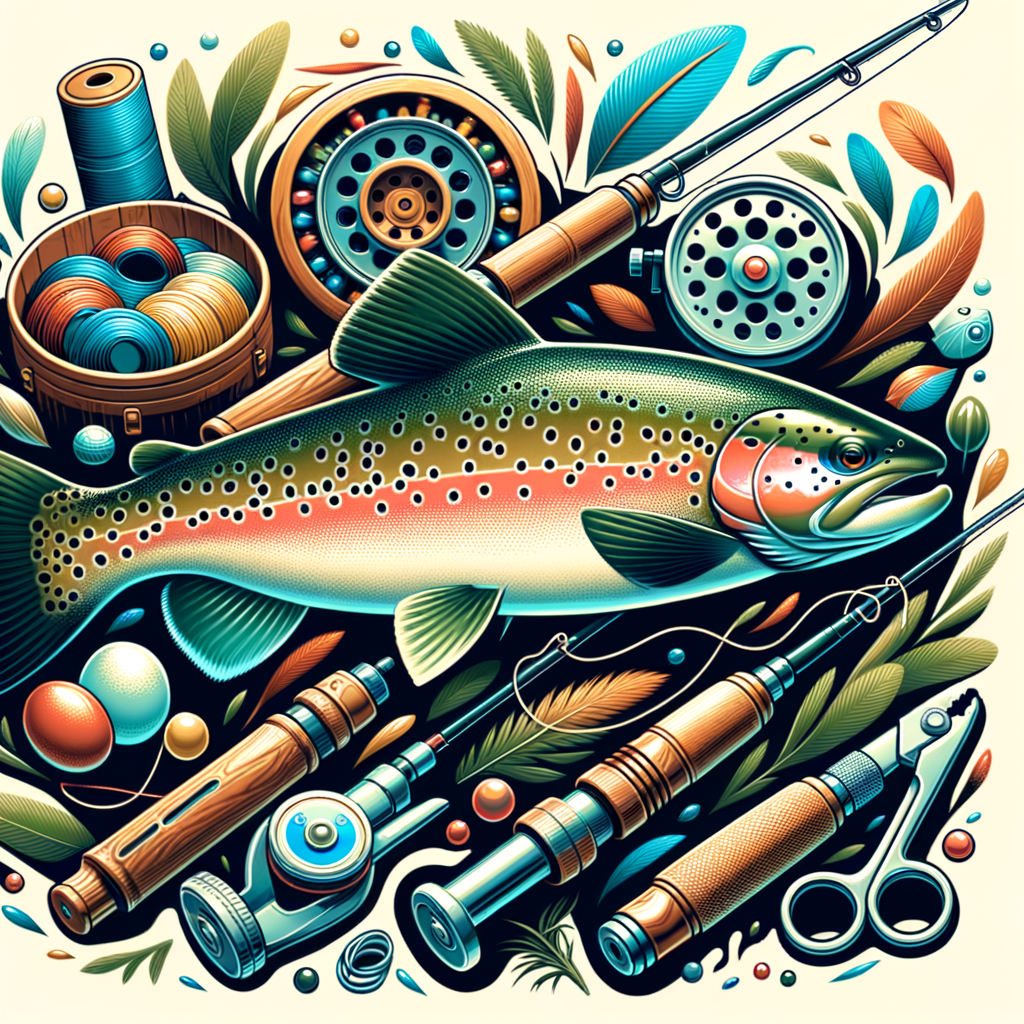
Cutthroat trout are a fascinating species known for their vivid colors and unique characteristics. Found primarily in North America, these fish offer a compelling study due to their diverse habitats and the numerous techniques employed to catch them. Anglers and conservationists alike show a keen interest in understanding cutthroat trout habitats and successful fishing methods to preserve their populations while enjoying the sport. With multiple subspecies spread across various geographical locations, cutthroat trout have adapted profoundly to their environments. Their presence highlights the importance of preserving natural water ecosystems and serves as a focal point in discussions about ecological conservation. The Mystery and allure surrounding these fish make them a challenging yet rewarding catch for anglers.
Understanding cutthroat trout habitats and fishing techniques is crucial for both enthusiasts and conservationists striving for a balance between recreation and preservation. These trout thrive in diverse habitats from mountain streams, alpine lakes by adapting remarkably to different aquatic environments. As thriving inhabitants of such locations, their presence provides essential insights into the health of water ecosystems. Anglers who pursue these fish must equip themselves with a comprehensive understanding of their environments to master fishing techniques successfully. This article delves into the captivating world of cutthroat trout, focusing on their varied habitats and exploring the sophisticated techniques employed to catch these remarkable fish.
Habitats of Cutthroat Trout
Cutthroat trout are native to western North America and are mainly found in the Pacific Ocean and mountain regions. Their habitats span an impressive range, including rivers, lakes, coastal waters, and even small headwater streams high in the mountains. The adaptability of cutthroat trout to varying habitats is one of their most remarkable attributes. They have been found in freshwater environments from small, rapid-flowing streams to expansive, slow-moving rivers. In regions where freshwater meets the ocean, certain populations venture into saltwater, illustrating their versatility. Understanding the biodiversity across their habitats is crucial for effective conservation practices. Biologists emphasize the significance of maintaining habitat connectivity, which helps ensure genetic sustainability and broader ecological health.
Each habitat offers a unique set of environmental conditions that the trout have adapted to over time. In mountain streams, for example, cutthroat thrive in environments with abundant cover like submerged logs, rocks, and overhanging vegetation, offering protection from predators and a constant food supply. In contrast, lake habitats require adaptability to greater depths and colder temperatures. Research in these areas demonstrates how specific adaptive traits have enabled them to survive and flourish across daunting conditions. Scientists note how modern environmental challenges like climate change and habitat loss particularly impact these sensitive habitats, affecting cutthroat trout distribution. Active initiatives focus on restoring natural habitats to mitigate such threats, ensuring sustainable populations.
The subspecies of cutthroat trout, such as the Yellowstone cutthroat, Lahontan cutthroat, and Colorado River cutthroat, further highlight the species’ ability to adapt. The Yellowstone cutthroat inhabits regions within the Yellowstone National Park and surrounding areas, relying heavily on clean and interconnected waterways for survival. In contrast, the Lahontan cutthroat resides in Nevada and Eastern California, a testament to adaptability in more arid, less fertile environments. Conservation programs for these subspecies place emphasis on retaining genetic diversity and preventing habitat fragmentation. By examining distinct environmental adaptations, researchers strive to create a more holistic understanding of cutthroat trout and develop targeted conservation strategies.
Notably, the dispersal of cutthroat trout habitats has also led to conflicts with other species. Introduced species, such as the nonnative rainbow trout, have been known to hybridize with cutthroat, threatening pure population lines. Conservationists work to regulate and manage water bodies to minimize interbreeding occurrences, guarding against the erosion of cutthroat’s genetic integrity. The intertwining of trout habitats and artificial introductions necessitates multidimensional conservation approaches, encompassing habitat restoration, protection, and species interaction management. Such initiatives underscore the delicate balance essential to preserving biodiversity within trout ecosystems.
As such, efforts to preserve these habitats require a collaborative approach from local communities, authorities, and ecological organizations. Conservationists base initiatives not only on scientific research but also incorporate traditional ecological knowledge from Indigenous communities, who traditionally view cutthroat trout as culturally and economically significant. This amalgamation of knowledge serves to enrich ecosystem-focused preservation, bridging cultural practices with modern scientific principles. Bringing full-circle awareness to how cutthroat trout habitats function as complex ecosystems propels conservation drives into dynamic methodologies blending ecological insight with cultural heritage.
Fishing Techniques for Cutthroat Trout
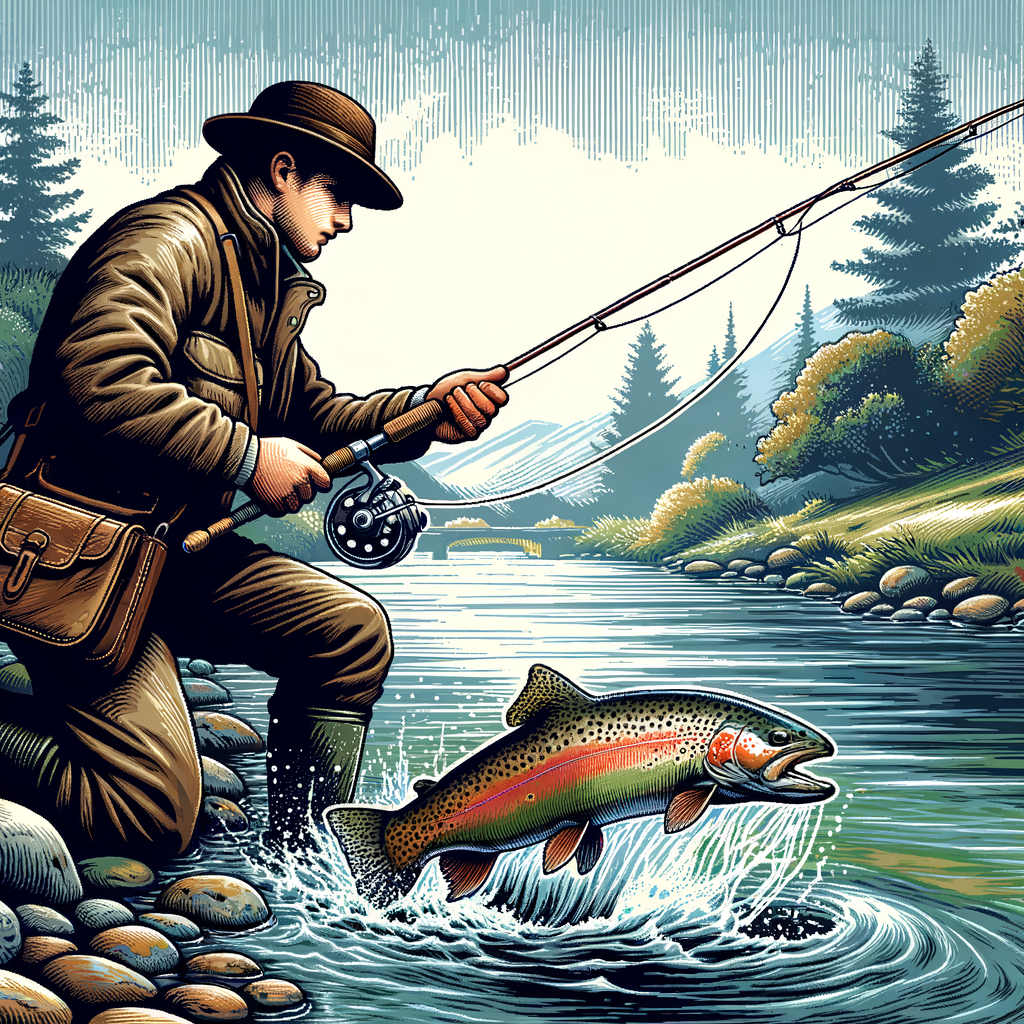
Fishing for cutthroat trout involves a broad array of techniques, adapted to suit the wide range of habitats these fish occupy. Successful cutthroat angling often requires a deeply nuanced understanding of their environment, behavior, and feeding patterns. Fly fishing stands out as a favored technique among anglers, allowing a more immersive experience by simulating the insect-rich menu that trout naturally pursue. Practiced in streams and rivers, fly fishing builds on the dynamic interaction between the angler and their quarry, honing awareness of environmental diversity. Expert fly fishers often craft flies mimicking local fauna, capitalizing on cutthroat’s instinctual feeding behaviors.
For those fishing in lakes and reservoirs, trolling is a popular method. This technique involves dragging lures or flies behind a moving boat to cover water expansively. Anglers often utilize sonar equipment to detect trout and fine-tune their approach based on observed depths and fish movement. Particularly effective in deeper water, trolling exploits the cutthroat’s pursuit instincts, coaxing them into striking moving bait. Varying the trolling speed and depth adds essential degrees of strategy, making it a challenging yet rewarding pursuit. Trolling provides anglers the ability to engage with larger fish residing in the depths, often overlooked in traditional casting methods.
Spin fishing, another widely used technique, allows targeting of specific trout areas while offering accessibility for anglers at all skill levels. Using a spinning rod, reel, and a variety of lures, this method proves adept at striking a balance between the precision of fly fishing and the breadth of trolling. Spinners and spoons create flashing, spinning effects in the water, attracting cutthroat trout through light and movement. Newcomers to cutthroat trout fishing appreciate the simplicity spin fishing provides while offering ample opportunity for growth through increasingly intricate practices. The approachability coupled with technical mastery options ensures spin fishing remains a mainstay in trout angling culture.
Ice fishing for cutthroat in colder climates adds an intriguing dimension to trout fishing, offering anglers the thrill of venturing onto frozen lakes. Through drilling holes in the ice and using specialized gear, anglers maintain access to fish throughout winter months. Adapting to colder conditions requires patience and the usage of small jigs or bait near the lakebed, where trout are more likely to congregate. This seasonal activity provides not only a unique challenge but also an opportunity to gather valuable insights into winter trout behavior. Observations regarding cutthroat feeding preferences in colder temperatures contribute to broader knowledge, directly benefiting future fishing endeavors.
Regardless of the technique employed, timing and location play critical roles in the prospects of landing cutthroat. Observing seasonal patterns, such as insect hatches and water temperature fluctuations, grants anglers strategic insights into optimal fishing times. Early mornings and late evenings are often prime for cutthroat, coinciding with peak feeding periods. Moreover, weather conditions also influence cutthroat activity, with overcast days generally perceived as favorable due to decreased predator visibility. Chronicling these patterns enables anglers to efficiently optimize fishing hours for better catch rates, integrating empirical knowledge into practical application.
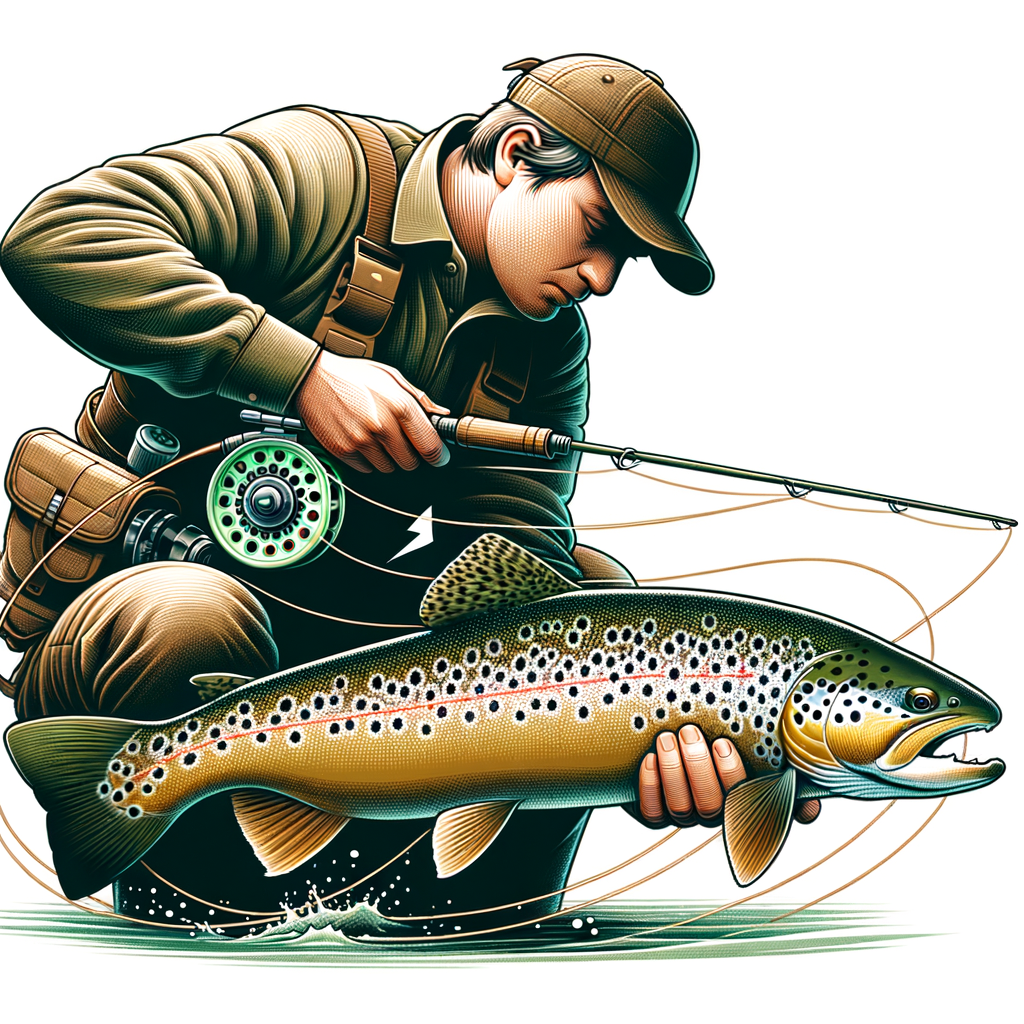
Ultimately, effective cutthroat trout fishing hinges upon a combination of skill, knowledge, and adaptive strategies to confront environmental and biological challenges. Anglers committed to mastering these methods embrace the opportunity to immerse themselves in nature, crafting unique experiences in pursuit of these remarkable fish. The diversity of fishing approaches illustrates the depth of expertise embraced by the broader angling community, continually evolving alongside ecological principles. Engaging in responsible fishing practices, such as catch-and-release policies, further demonstrates commitment to conservation, ensuring that the thrill of cutthroat trout fishing persists for generations to come. Mindful engagement with their environment forms the core of sustainable angling, fostering a mutually beneficial relationship between humans and aquatic ecosystems.
Conclusion
Cutthroat trout straddle the line between ecological passion and sporting challenge, reflecting the intricate balance of nature and recreation. Their dependency on diverse habitats underscores the necessity of preserving untouched ecosystems, integral to their survival and well-being. As we continue to delve into their habitats, the vibrant world of cutthroat trout fishing techniques not only expands angler expertise but offers unrivaled interaction with nature. Mastery of their environments, paired with adaptive fishing techniques, cultivates respect for these vibrant species and emphasizes dedication to environmental stewardship. Through the unwavering commitment to protecting headwaters, rivers, and lakes, we contribute to maintaining these beloved habitats for both humans and wildlife.
The conservation status of cutthroat trout, subjected to challenges like habitat destruction, climate change, and competition from invasive species, calls for concerted efforts to safeguard their future. Conscious conservation strategies, ensuring habitat integrity while promoting angling culture responsibly, are integral to supporting sustainable populations. Communities, conservationists, and anglers intertwine in making significant contributions towards habitat restoration and genetic diversity preservation, ultimately fostering ecosystem resilience. By harmonizing the art of fishing with sustainable practices, a formative role is played in the long-term preservation of cutthroat trout, reinforcing collective responsibility as stewards of our natural world.
Finding the balance between human interaction and ecological perseverance remains at the crux of cutthroat trout preservation. Responsible engagement encapsulates both the thrill of fishing and the deeply rooted commitment to environmental wellbeing. Managing these dual objectives forms a foundational component in comprehensively understanding these species while ensuring the propagation of their incredible lineage. The path forward necessitates inclusive ecological education, empowering future generations to cherish and protect valuable aquatic ecosystems through traditional practices and innovative conservation strategies. Embracing these multifaceted approaches nurtures a greater appreciation for cutthroat trout, securing their place as both ecological treasures and distinguished catches within the angling community.
In conclusion, cutthroat trout extend an invitation into a world brimming with complex ecological dynamics and rich cultural traditions. Reconciling the charm of the pursuit with a profound respect for their environments fosters a meaningful coexistence with the wild. A holistic, collaborative, conservation-driven approach protects these species, celebrating their ecological significance and intrinsic beauty. Immersing ourselves in the mysteries of cutthroat trout stages a commitment to sustaining natural ecosystems, ensuring both thriving wildlife and the continued pleasure of angling amid nature’s bounty.