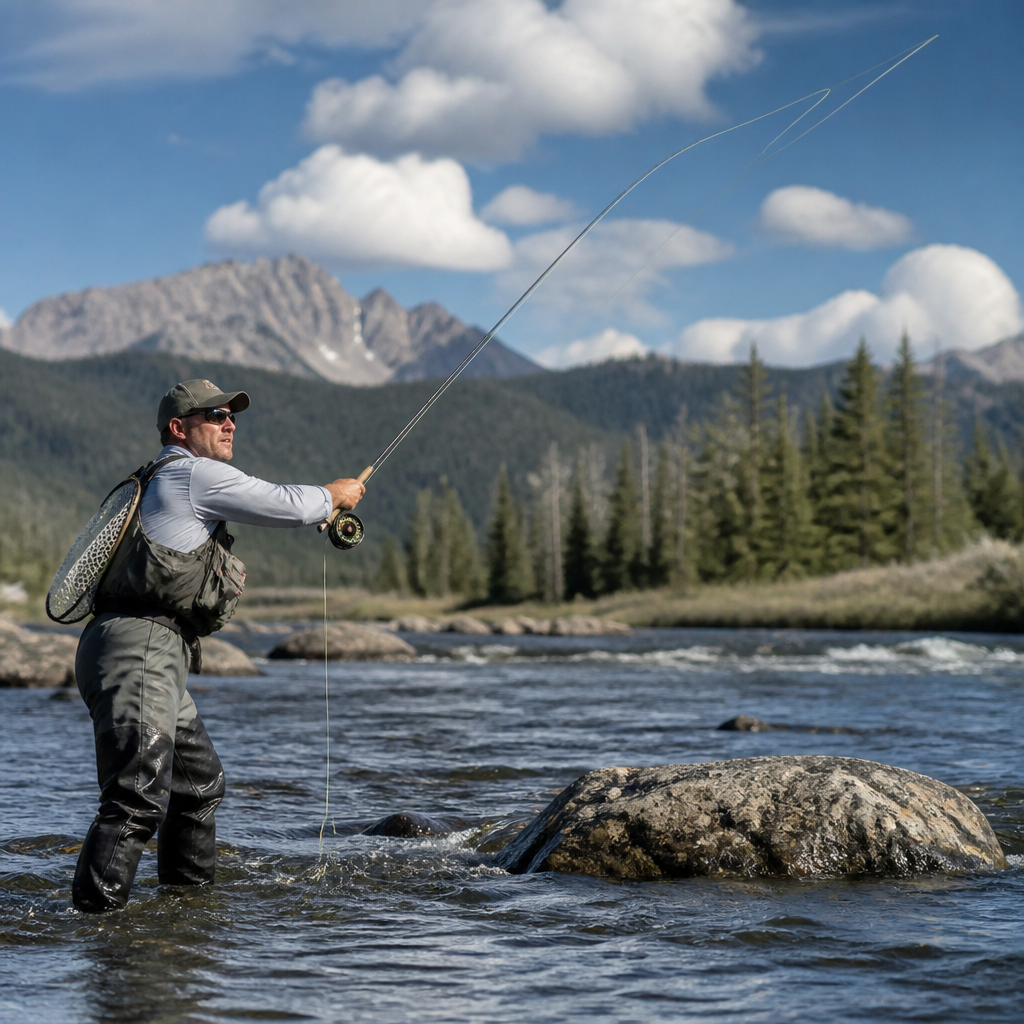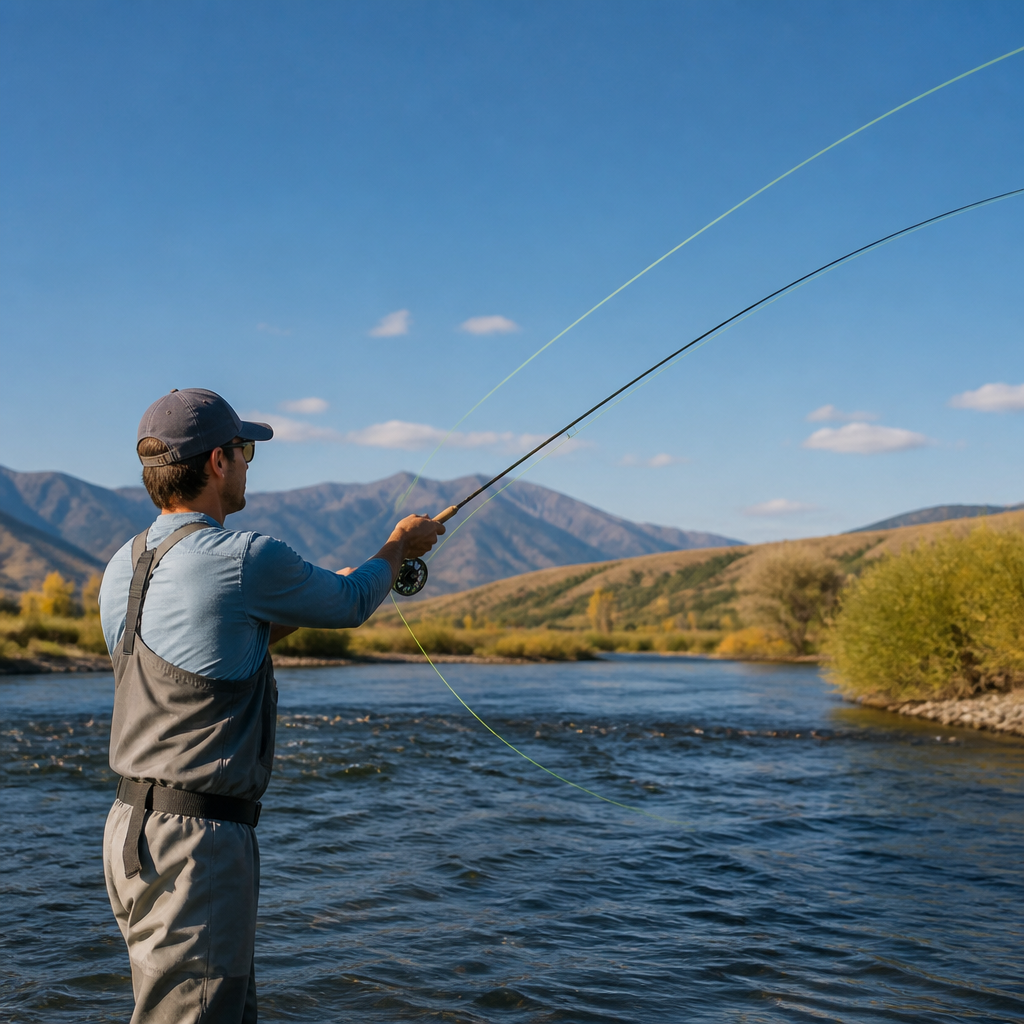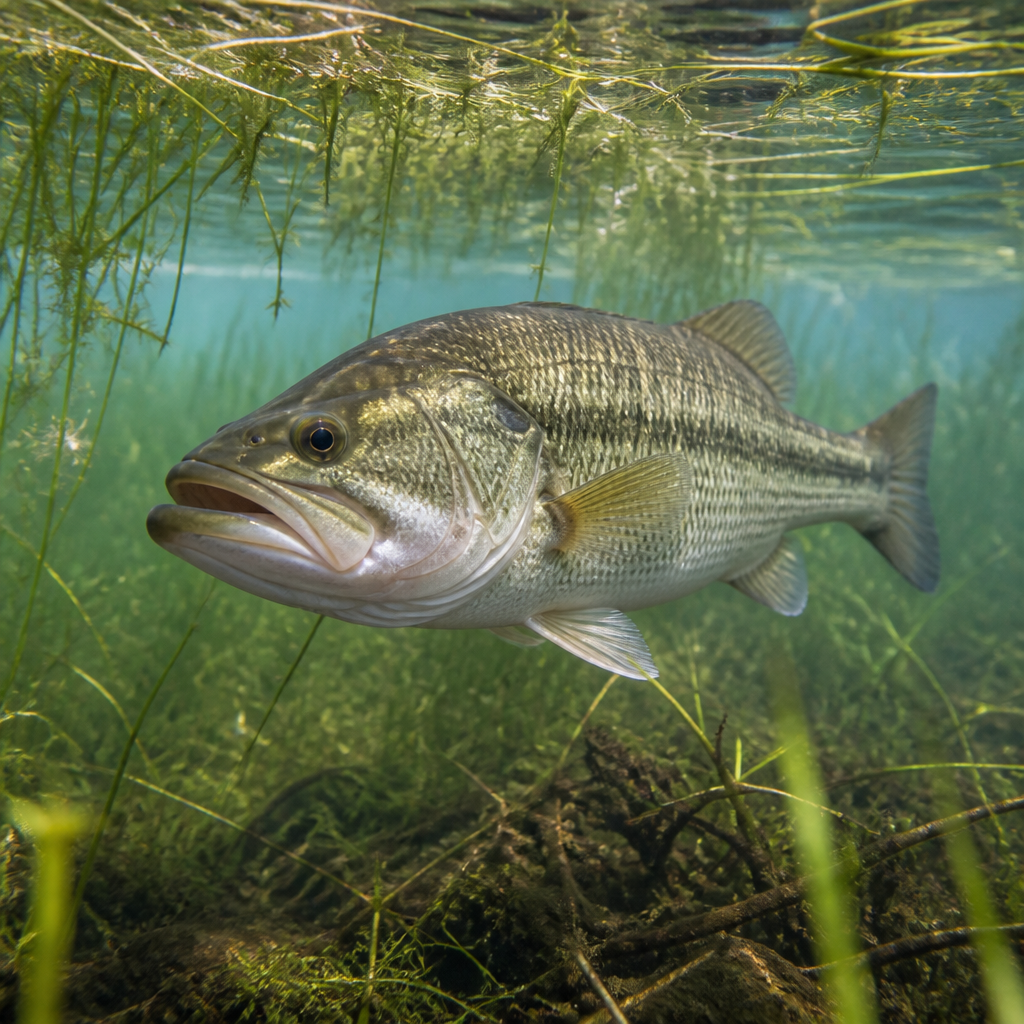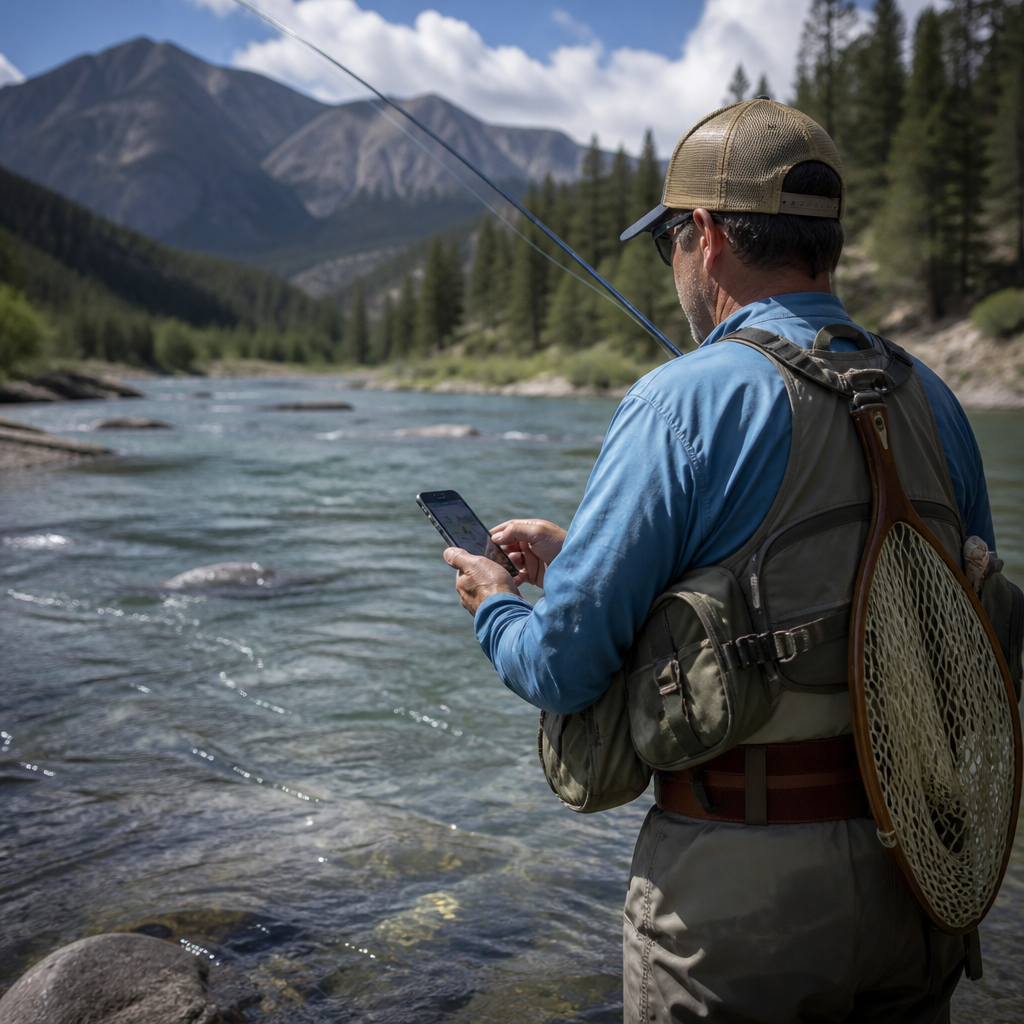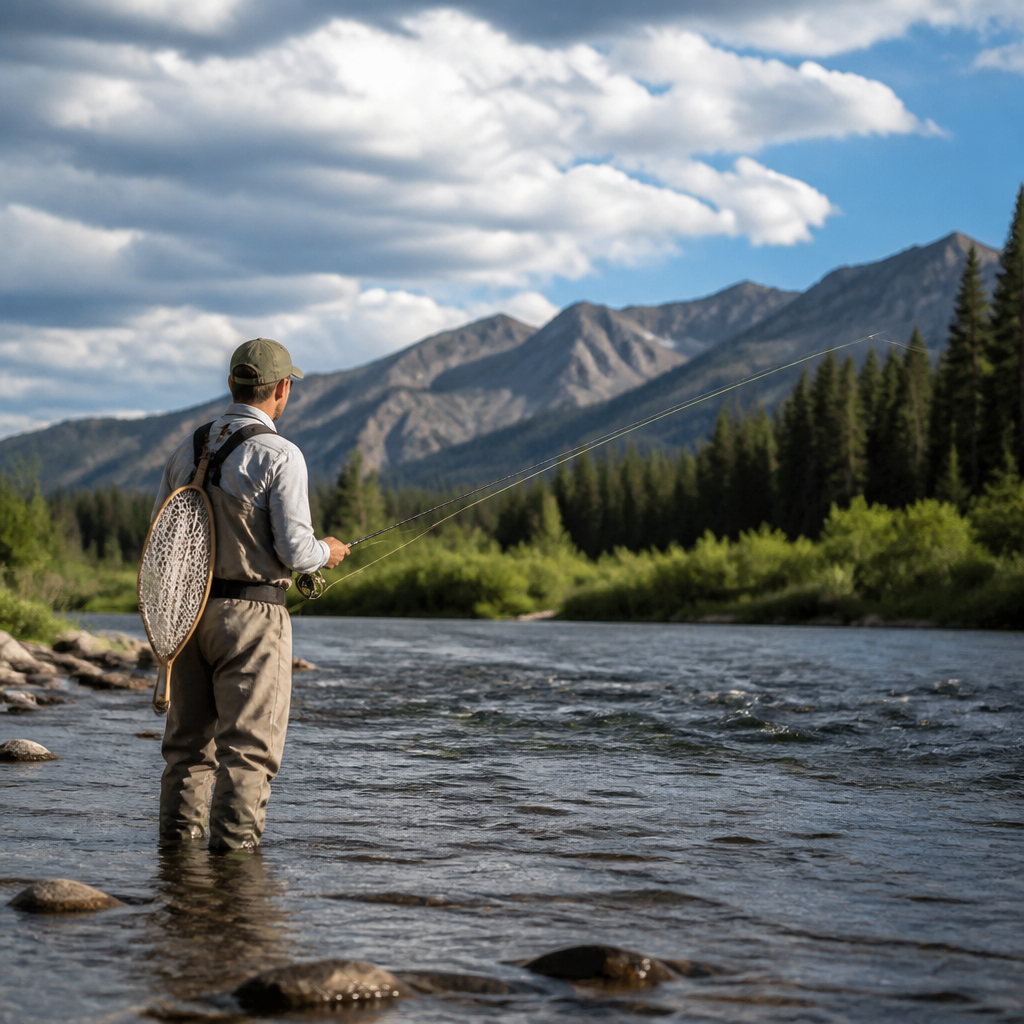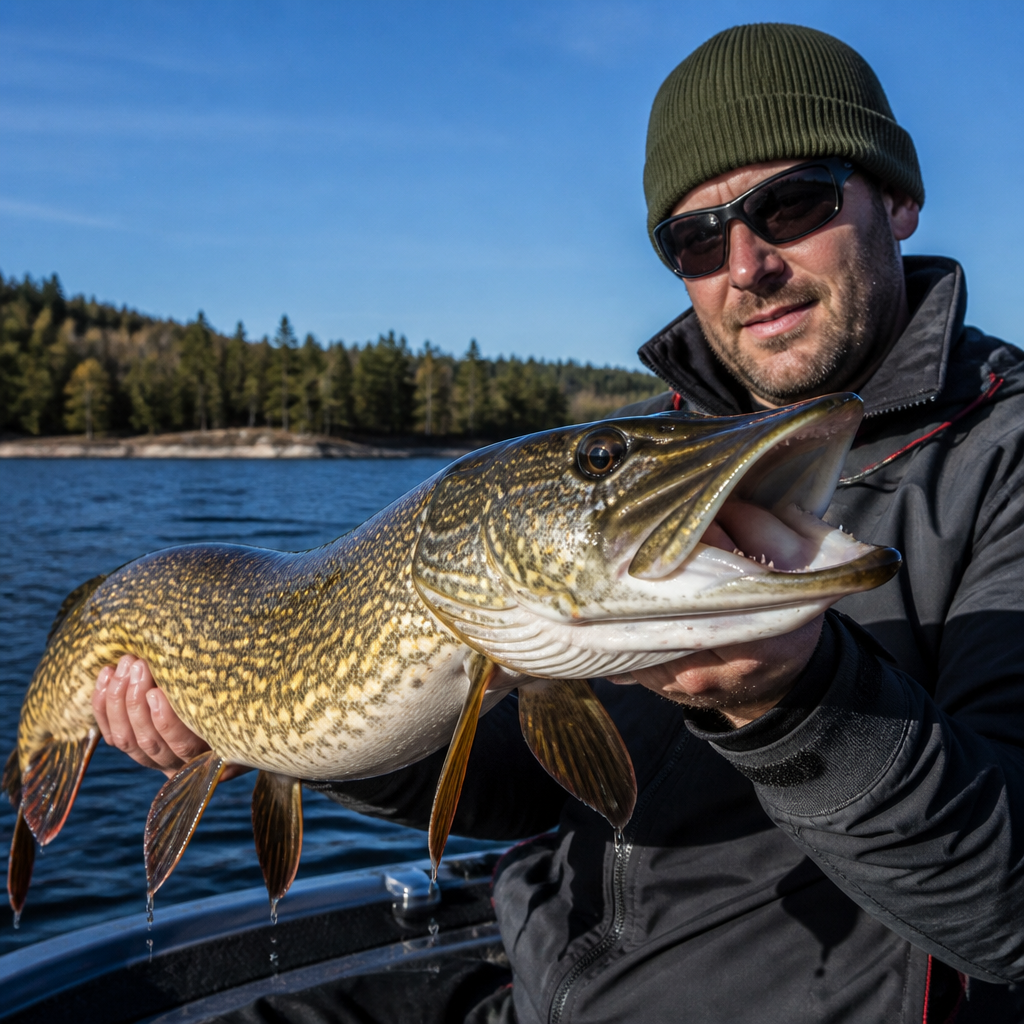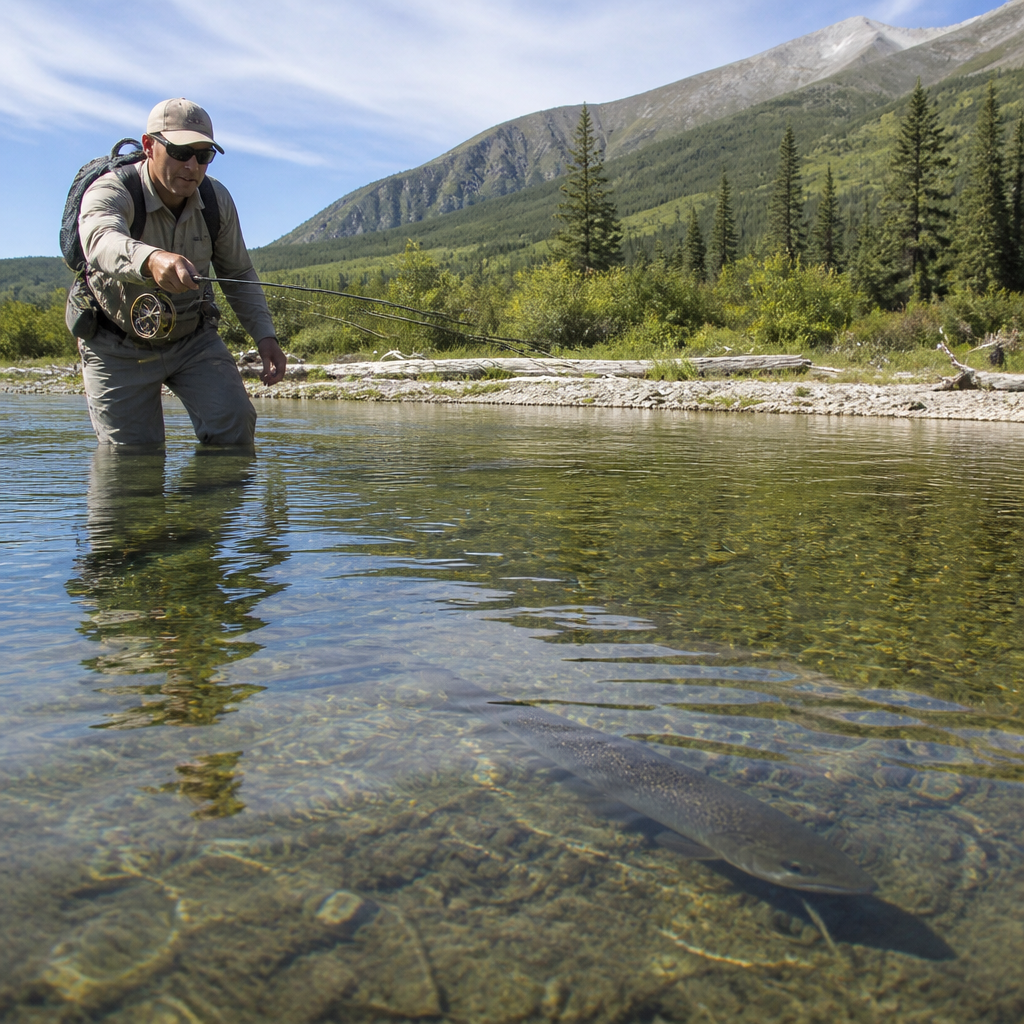
Sight fishing is one of the most visual, tactical, and rewarding ways to catch fish because you locate the fish first, study its behavior, and then present a lure or bait directly to it. Unlike blind casting, where anglers cover water and hope to intersect feeding fish, sight fishing depends on observation, stealth, light conditions, water clarity, and precise presentation. In practical terms, sight fishing means spotting fish with your eyes before making a cast, whether you are stalking redfish on a flooded flat, watching bass cruise a shallow spawning pocket, or tracking carp along a muddy margin. It sits at the intersection of fish behavior, environmental reading, and casting skill, which is why it deserves its own foundation within techniques and strategies.
The term includes several related approaches. Flats anglers often poling skiffs across shallow saltwater refer to tailing fish, waking fish, laid-up fish, and cruising fish, each requiring a different presentation. Freshwater anglers sight fish for bass, trout, pike, carp, and panfish whenever visibility allows, especially in rivers, spring creeks, clear lakes, and shallow cover during seasonal movements. Fly anglers use the phrase constantly, but spinning and baitcasting anglers rely on it just as much when water is clear enough to reveal targets. The core idea stays the same: see the fish, predict the response, and place the offering where the fish can detect it naturally.
Why does sight fishing matter so much? First, it shortens the feedback loop. You can watch how fish react to boat noise, footfalls, lure splash, retrieve speed, color choice, and casting angle. Second, it teaches fish behavior faster than almost any other method. After enough days on the water, you start recognizing when a fish is feeding, guarding, resting, or simply moving through. Third, it can dramatically increase efficiency in the right conditions because you stop casting at dead water and focus on visible, high-probability targets. It is not always the best method, but when visibility, sunlight, and fish position line up, sight fishing becomes one of the most deliberate and educational styles in angling.
I have found that beginners often assume sight fishing is simply “seeing fish in clear water.” In reality, it is more accurate to define it as a decision-making process built around visual contact. Sometimes you never see the full fish at all. You may detect a push of water, a tail tip, a dark shape over sand, a white mouth opening, a shadow moving against current, or a sudden flash as a fish rolls. Experienced sight anglers learn to trust these partial signals. Polarized sunglasses, elevated vantage points, understanding sun angle, and reading bottom composition usually matter as much as pure eyesight. Many missed opportunities come from poor approach, not poor casting.
How sight fishing works in real conditions
Sight fishing works when three factors overlap: you can see into the water, fish are shallow enough or exposed enough to be visible, and your presentation reaches them without triggering alarm. Water clarity is the obvious starting point, but clarity alone is not enough. Light penetration, surface chop, cloud cover, bottom color, current seams, and even pollen or floating vegetation affect what you can actually detect. In my experience, the best beginners’ days are bright but not blinding, with light wind, a high sun angle, and a simple bottom such as sand, gravel, or sparse grass. Dark fish over pale bottom are much easier to identify than fish over broken rock or heavy weed.
Behavior is the next critical piece. A cruising fish covers water and may intercept a lure placed ahead of its path. A laid-up fish is stationary and often less willing to move far. A feeding fish usually tracks and tips more decisively, while a pressured fish may flare, drift off, or pin its fins at the first unnatural cue. This is why accurate classification matters. For example, a redfish with its tail out of the water on a flood tide is actively feeding and often responds best to a short, soft presentation just beyond the head. A bedding bass may react out of aggression rather than hunger, making repeated casts and angle changes more important than lure realism alone.
Distance control separates casual sight fishing from consistent success. Most fish do not want a lure landing on top of them. The usual rule is to lead the fish, not hit it. How far depends on species, depth, and speed. In skinny saltwater flats, a shrimp imitation dropped two to four feet ahead of a cruising redfish can be perfect. In a clear trout stream, a longer drift upstream may be necessary because the current carries the fly naturally into the window first. For carp, too much splash often ends the chance immediately. The angler’s job is to estimate where the fish will be when the offering becomes visible, then move it just enough to trigger interest.
Strike detection during sight fishing is also different from standard fishing. Sometimes you feel the take, but often you see a fish tilt, flare its gills, open its mouth, or simply stop where your lure disappeared. With soft-plastic bass fishing, the line may never jump because the fish inhaled and turned toward you. On the flats, a fish may pin a crab fly and only show a slight puff of silt. New anglers commonly pull too early because they react to movement instead of confirmed eats. Watching for body language is more reliable than guessing. If the fish tracked but did not commit, change speed, angle, sink rate, or lure size before changing locations.
Where sight fishing is most effective
The best sight fishing water is usually shallow, relatively clear, and predictable enough that fish use visible lanes or structure. Saltwater flats are the classic example. Redfish, bonefish, permit, and striped bass in shallow estuaries often reveal themselves through tails, wakes, shadows, or muds. Freshwater examples include spring creeks where trout hold in current tongues, natural lakes with shallow weed edges, reservoirs during the bass spawn, and urban ponds where carp patrol sun-warmed margins. Even in stained water, visibility can be good in inches rather than feet; if fish are very shallow, you can still sight fish effectively by watching movement on the surface and bottom disturbances.
Season matters as much as location. In many bass fisheries, sight fishing peaks in pre-spawn and spawn when fish move shallow and hold around beds, docks, reeds, or gravel pockets. Carp become easier to see in late spring and summer when they cruise warming shallows. Redfish often flood onto grass flats on higher tides, exposing tails and backs. Trout are easiest to spot in low, clear flows, especially when insect hatches encourage steady feeding lanes. Winter can also be surprisingly productive in very clear lakes, where slow-moving fish are visible around sunny banks or clear marinas. The key is not a single season but a seasonal event that concentrates fish within visual range.
Human pressure changes the equation quickly. On popular lakes, fish that are easy to see are often the first fish to become educated. They learn to associate hull slap, push poles banging, false casts overhead, and trolling motor noise with danger. I have watched shallow bass slide off a bed when an angler stood too high on the deck and cast a sharp shadow over the water. The same happens on clear rivers when wading anglers skyline themselves against the bank. Productive sight fishing spots are often less about famous locations and more about overlooked angles, tide windows, weekday timing, or stretches where fish receive less repeated pressure.
| Environment | Common visible signs | Primary target species | Best first presentation |
|---|---|---|---|
| Shallow saltwater flat | Tails, wakes, pushes, shadows | Redfish, bonefish, permit | Lead fish and make a soft landing |
| Clear lake spawning pocket | Beds, cruising pairs, guarding fish | Largemouth and smallmouth bass | Cast past target and work into zone |
| Spring creek or clear river | Holding lanes, flashes, nose-up feeders | Trout, grayling | Natural upstream drift |
| Urban pond or muddy margin | Muds, backs, surface rolls, bubbles | Carp, tilapia in some regions | Quiet drop slightly ahead of path |
Essential gear and setup choices
Polarized sunglasses are the single most important sight fishing tool after the rod itself. They cut glare, improve contrast, and reduce eye strain, letting you distinguish fish from bottom. Lens color matters. Copper, amber, and rose-based lenses often enhance contrast in variable light and shallow flats, while gray lenses are useful in bright open conditions where true color matters. Frames with side coverage block stray light and help more than most beginners expect. A brimmed hat with a dark underbill further reduces reflected glare. If you only upgrade one part of your kit for sight fishing, make it your optics, because visibility drives every other decision.
Rod, reel, and line choices depend on species and casting style, but accuracy and control matter more than raw power. In bass fishing, a medium or medium-heavy fast-action spinning or baitcasting setup handles weightless plastics, small jigs, and finesse creatures well. On the flats, 7- to 9-weight fly rods are standard for redfish and bonefish, matched with weight-forward floating lines and leaders designed to turn over wind-resistant flies quietly. Trout sight fishing usually favors longer leaders, finer tippets, and presentations that drift before the fish detects line or leader. For carp, a forgiving rod protects lighter tippet and absorbs sudden surges at close range.
Lure and fly selection should emphasize detectability, sink rate, and realism within the fish’s feeding window. Natural colors generally outperform loud patterns in clear water, but contrast still matters. A tan shrimp fly may be visible to a redfish over pale sand, while a black bugger can silhouette better in low light. Weight should match depth and fish mood. Too heavy and the lure crashes or snags; too light and it never reaches the strike zone. Soft plastics like flukes, stickbaits, Ned rigs, and creature baits are common for visible bass. Crab and shrimp imitations dominate flats fishing. Small nymphs, dries, and streamers cover most visible trout scenarios.
Support equipment can increase success just as much as terminal tackle. A push pole is quieter than constant trolling motor adjustments in skinny water. On kayaks, stake-out poles reduce drift and hull slap. Elevated platforms improve visibility on skiffs, but height also increases exposure, so movement must be controlled. Wading staffs help river anglers hold position without splashing. Modern electronics are less central to sight fishing than to offshore structure fishing, yet they still help by identifying likely shallow zones, water temperature changes, and access routes. Good gear does not replace fieldcraft, but it removes avoidable barriers between seeing a fish and making the right cast.
Stealth, presentation, and common mistakes
Stealth is the deciding factor in more failed sight fishing attempts than lure choice. Fish detect pressure waves, shadow changes, sudden flashes, and unnatural movement long before they identify an exact object. That is why experienced anglers lower their profiles, reduce deck noise, close hatches gently, and plan approaches with wind, current, and sun in mind. Approaching from down-sun may improve concealment but can reduce visibility; approaching from up-sun helps spotting but risks exposing your outline. The right answer depends on species and setting. In shallow water, I generally prioritize not spooking the fish first, then solve the visibility problem with better positioning rather than rushing the cast.
Presentation starts before the lure lands. Your casting lane should avoid crossing directly over the fish whenever possible. The entry should be soft, the line should straighten without ripping the lure, and the first movement should match what the prey would actually do. Shrimp often flick and settle. Baitfish usually dart, pause, and angle away. Bottom-oriented nymphs should drift with current, not skate across it. If a fish follows but will not commit, small changes beat dramatic ones: one shorter strip, a longer pause, a lower sink rate, a slightly different lead distance. When fish are visible, they are giving feedback in real time, and disciplined anglers use it.
Beginners repeat a few mistakes consistently. They stare at the lure instead of the fish. They cast too soon out of excitement. They move too fast after spotting a target. They assume every visible fish is catchable, even when its posture says otherwise. They also overestimate how much fish see upward versus outward; many species react more strongly to lateral movement and pressure than to a distant overhead object, until a hard shadow or splash changes everything. Another common error is abandoning an area after one refusal. If the fish was interested, the spot is still productive. Adjust angle, profile, or timing before leaving.
There are also ethical and practical limits worth noting. Sight fishing for bedding bass is legal in many places but controversial because repeated harassment can affect spawning success, especially where seasons remain open during reproduction. Warm-water trout sight fishing in midsummer can create handling stress when water temperatures climb beyond safe release ranges. In saltwater, prolonged shots at laid-up fish in ultra-shallow water can push them off critical feeding habitat. Responsible anglers know local regulations, carry fish appropriately, and stop when conditions make catch-and-release risky. Effective technique should never come at the expense of the fishery.
How to learn faster and build a sight fishing system
The fastest way to improve at sight fishing is to treat each outing as observation training, not just a catching mission. Spend time scanning before you cast. Learn the difference between fish, logs, rocks, shadows, and bottom transitions. On clear water, watch how fish react when they notice you, when they ignore you, and when they feed naturally. Keep notes on sun angle, tide stage, wind speed, water level, and lure response. Over time, patterns emerge. You may find that redfish on a particular flat feed best on the last two hours of the incoming tide, or that lake bass become visible along bluegill beds after three calm mornings in a row.
A repeatable system helps. First, locate likely shallow habitat. Second, set up your angle relative to light and wind. Third, scan methodically from near to far so your eyes do not skip fish close at hand. Fourth, identify behavior before casting. Fifth, choose a presentation that matches depth and direction of travel. Sixth, watch the fish, not the lure, during the retrieve. Seventh, evaluate the reaction honestly. This kind of sequence prevents emotional, rushed decisions. It also makes sight fishing transferable across species. The same logic works whether you are hunting carp in a canal, bass on a bed, or redfish over spartina edges.
If you are building out your broader techniques and strategies knowledge, sight fishing should connect naturally to articles on fish behavior, seasonal patterns, stealth, reading water clarity, polarized sunglasses selection, flats presentation, bass spawn tactics, fly presentation, kayak positioning, and catch-and-release best practices. Those topics deepen what this hub introduces. Start simple: pick one clear-water fishery, one target species, and one presentation style. Practice spotting, approaching, and making calm first shots. Sight fishing rewards patience more than motion, and once you learn to see what other anglers miss, every shallow flat, shoreline, and clear run becomes more legible. The best next step is straightforward: get on the water in good light, slow down, and start looking with intention.
Frequently Asked Questions
What is sight fishing, and how is it different from regular casting?
Sight fishing is the practice of visually locating a fish before you make a cast, then presenting a lure or bait directly to that fish based on what it is doing. That is what separates it from more traditional “blind casting,” where you cast into likely water without actually seeing the fish first. In sight fishing, observation comes first. You are reading the water, watching for movement, looking for shapes, shadows, tails, wakes, flashes, or subtle changes in color that reveal a fish’s position and behavior.
This approach is far more tactical than simply covering water. Once you spot a fish, you are making decisions in real time: Is it feeding? Is it cruising? Is it nervous? Is it moving with the current or holding in place? Those details determine where you cast, how far in front of the fish you land your lure, and how quickly or slowly you work it. Because of that, sight fishing often feels more like hunting than conventional angling. It demands patience, careful movement, and accuracy, but it also gives you a unique level of control and feedback that many anglers find incredibly rewarding.
What conditions make sight fishing easier or more effective?
The best sight fishing conditions usually combine clear water, good light, calm surface conditions, and a vantage point that helps you see into the water. Water clarity is one of the biggest factors. If the water is dirty, heavily stained, or churned up by wind, your ability to spot fish drops quickly. Cleaner water gives you more time to identify fish and plan your presentation instead of reacting at the last second.
Light matters just as much. Bright days can be excellent for sight fishing because sunlight helps illuminate the water and reveal fish, especially when the sun is at an angle that reduces glare. That said, too much glare can make visibility difficult, which is why polarized sunglasses are considered essential. They cut surface reflection and help you see beneath the water more clearly. Calm or lightly rippled water is also helpful because heavy chop breaks up the fish’s outline and makes subtle movement harder to detect.
Your position can improve visibility as well. Standing on a raised casting deck, shoreline bank, poling platform, or even slightly elevated ground gives you a better view into the water. Beyond that, knowing what to look for is part of the equation. Sometimes you will not see the whole fish. You may only notice a tail breaking the surface, a push of water, a nervous bait reaction, or a faint shadow sliding across the bottom. Effective sight fishing often comes down to combining favorable conditions with trained observation.
What gear is most important for beginner sight anglers?
For beginners, the most important sight fishing gear is not necessarily complicated or expensive, but it does need to support visibility, stealth, and precise casting. Polarized sunglasses are at the top of the list. They are arguably the single most important tool for sight fishing because they help you cut glare and detect fish, bottom changes, and movement that would otherwise be hidden. Lens color can matter depending on light conditions, but the key is having quality polarization that improves contrast and reduces surface reflection.
A rod and reel setup that allows accurate, controlled presentations is also important. In many sight fishing situations, especially in shallow water, you are not making long random casts. You are making deliberate casts to a specific target. That means a setup with enough sensitivity and control to place a lure softly and work it naturally. Anglers often favor lighter, quieter lures or baits that can be presented without spooking fish. In clear, shallow water, fish can become extremely wary, so subtlety matters.
Clothing and boat or bank setup also play a bigger role than many new anglers expect. Neutral clothing can help reduce your visibility, especially when fish are shallow and alert. A hat with a dark underside on the brim can reduce reflected light and improve your vision. If you are fishing from a boat, minimizing noise is crucial. Dropped gear, loud footsteps, and banging hatches can ruin opportunities before you ever see the fish. For a beginner, the ideal setup is one that helps you see better, move quieter, and cast more accurately rather than one loaded with unnecessary accessories.
How do you approach fish without spooking them when sight fishing?
Stealth is one of the foundations of successful sight fishing. Fish in shallow, clear water are often highly aware of sound, movement, pressure changes, and unnatural presentations. The first rule is to slow down. Whether you are walking a shoreline, drifting a flat, or easing along in a skiff, rushing causes missed fish and creates noise. Move carefully, scan ahead, and avoid sudden changes in speed or direction. The more composed your approach, the more likely you are to spot fish before they detect you.
Distance and angle matter a great deal. You generally want to stay far enough away that the fish remains relaxed while still being close enough to make an accurate cast. Approaching from directly behind or crossing over a fish’s path too abruptly can put it on edge. Instead, try to anticipate where the fish is heading and position yourself for a cast that lands ahead of it, not on top of it. A lure dropped too close often startles the fish, while one placed naturally in its line of travel gives it a chance to notice and react without alarm.
Noise discipline is equally important. On a boat, keep movements soft and deliberate. On foot, avoid heavy steps, splashing, and quick shifts that create vibration or a visible silhouette. Your cast itself should be part of your stealth strategy. A clean, controlled presentation is far better than a hard splash. In many cases, the best sight anglers are not the ones making the most casts, but the ones who know when to wait, when to reposition, and when to deliver one well-placed presentation that feels natural to the fish.
What are the most common mistakes beginners make in sight fishing?
One of the most common beginner mistakes is casting too quickly as soon as a fish is spotted. That reaction is understandable, but it often leads to poor presentation. New anglers frequently throw the lure directly at the fish instead of leading it properly or considering the fish’s direction and mood. In sight fishing, seeing the fish is only the first step. The real skill is understanding how to present to it in a way that looks natural and does not trigger a negative reaction.
Another major mistake is failing to read behavior. Not every visible fish is equally catchable. A fish that is actively feeding, tailing, or moving with purpose is very different from one that is nervous, drifting aimlessly, or already alerted to your presence. Beginners also tend to focus too narrowly once they see a fish, which can make them ignore wind, current, sun angle, or nearby obstacles that affect the cast. Sight fishing is not just about the fish; it is about the whole scenario around the fish.
Many new sight anglers also underestimate the importance of patience and visibility. They may move too fast, make too much noise, fish poor light angles, or neglect polarized sunglasses. Others give up too soon when they do not immediately spot fish clearly, not realizing that sight fishing improves dramatically with practice. Your eyes get better at distinguishing fish from bottom, your timing improves, and your presentations become more intentional. The biggest lesson for beginners is that sight fishing is a skill-building style of angling. Early frustration is normal, but with repetition, observation, and discipline, it becomes one of the most effective and satisfying ways to target fish.