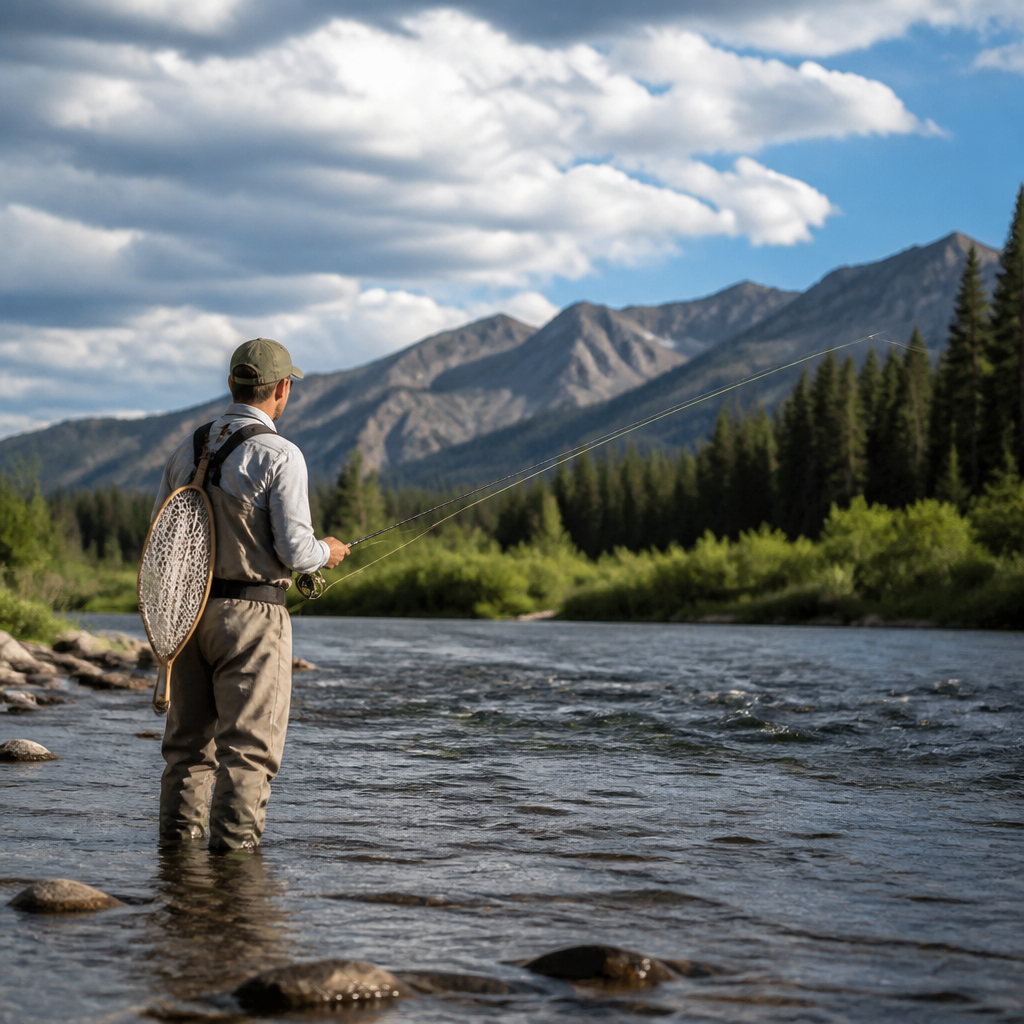
Casting techniques for dry fly fishing determine whether a trout sips your imitation confidently or veers away at the last instant. In dry fly fishing, the fly is designed to float and imitate an adult insect resting on or emerging through the surface film. That simple definition hides a technical challenge: every cast must deliver a nearly weightless fly with precision, slack control, and a drag-free drift. I have spent enough dawns on spring creeks and freestone rivers to know that poor presentation ruins more dry fly opportunities than fly choice does. Anglers often focus on matching mayflies, caddis, or terrestrials, but the cast is what places the imitation in the trout’s feeding lane naturally. If the leader lands heavily, if the line crosses currents badly, or if the fly skates at the wrong speed, even aggressive fish refuse it.
For that reason, learning casting techniques for dry fly fishing matters at every skill level. Beginners need a reliable overhead cast and a controlled presentation. Intermediate anglers must learn how to introduce slack, alter trajectory, and manage conflicting currents. Advanced anglers refine reach mends, curve casts, parachute casts, and aerial mends to solve specific stream problems. This article serves as a hub for the full dry fly fishing discipline by explaining the key casts, the situations they solve, and the common errors that limit success. It also connects the mechanics of casting to the broader strategy of reading rises, choosing approach angles, selecting leaders, and fishing water types from smooth spring creeks to broken pocket water. If you understand why a cast works, not just how it looks, you can adapt faster on the water and convert more rises into fish.
What Makes Dry Fly Casting Different
Dry fly casting is different from streamer fishing, nymphing, or indicator presentations because the objective is not simply distance or turnover. The primary goal is a natural float. That means energy must transfer through the fly line, leader, and tippet just enough to straighten the system without dragging the fly unnaturally. In practice, I think about dry fly presentations as controlled underpower. With a streamer, you can tolerate splash and direct contact. With a dry fly, especially on flat water, the fish often inspect the drift from below for several feet. A size 18 Blue Winged Olive tied to 6X tippet cannot be punched like a size 6 woolly bugger.
The mechanics start with loop shape and casting plane. Tight loops cut wind and improve accuracy, but they can also over-straighten a leader when a little slack is helpful. Open loops are useful when casting bushy flies or when intentionally cushioning the leader. Rod tracking, smooth acceleration, crisp stops, and appropriate power application matter more than brute force. Line speed should match the problem. Fast line speed helps with distance and wind; moderated line speed helps with soft landings. The best dry fly anglers are not always the strongest casters. They are the best at controlling where the fly line, leader butt, midsection, tippet, and fly each land relative to current seams.
Another difference is that your cast must account for current before the fly lands. If the line lands across fast and slow currents in a straight line, drag begins immediately. This is why dry fly fishing and mending cannot be separated. Many effective “casts” are really deliveries that build in slack or position line upstream from the drift. Reach casts, wiggle casts, puddle casts, and parachute casts all solve drag in different ways. Knowing which one to choose begins with reading the water and the trout’s feeding rhythm.
The Foundational Overhead Cast and Presentation Setup
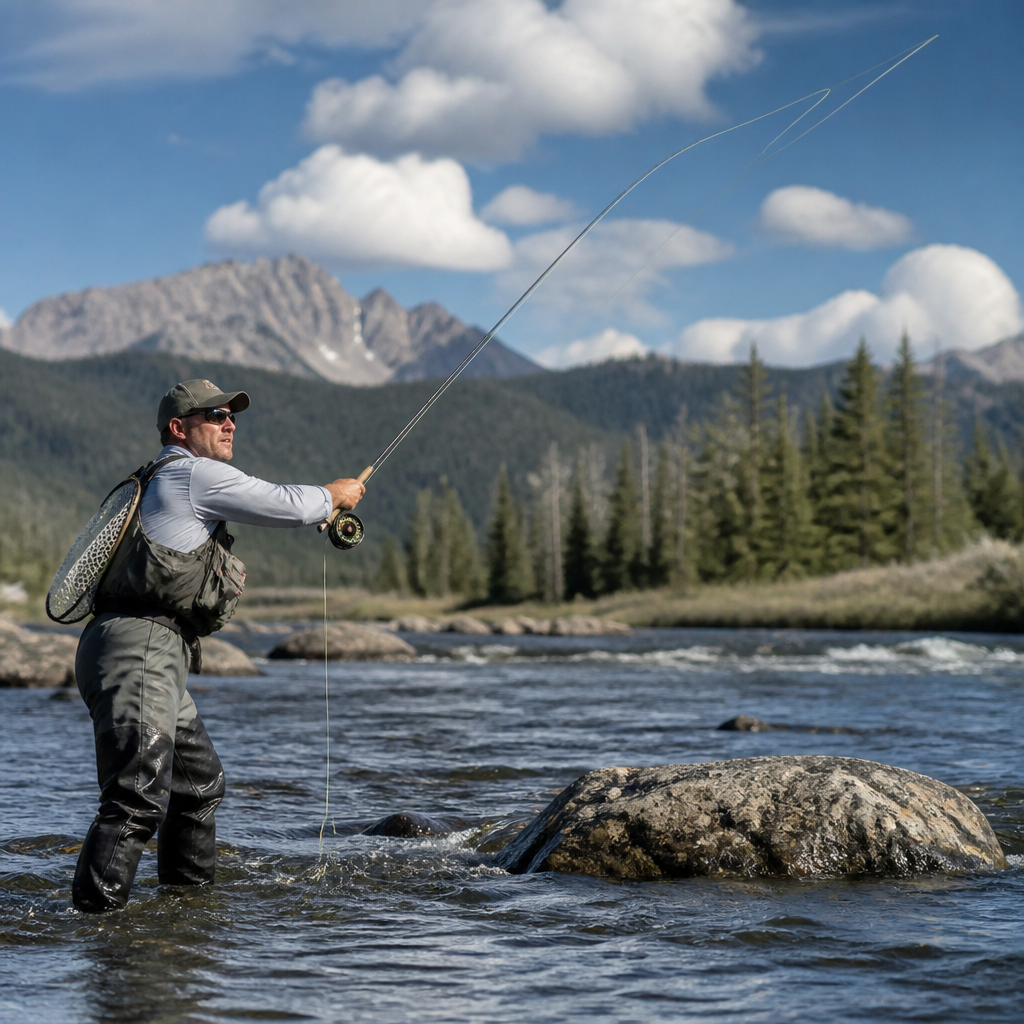
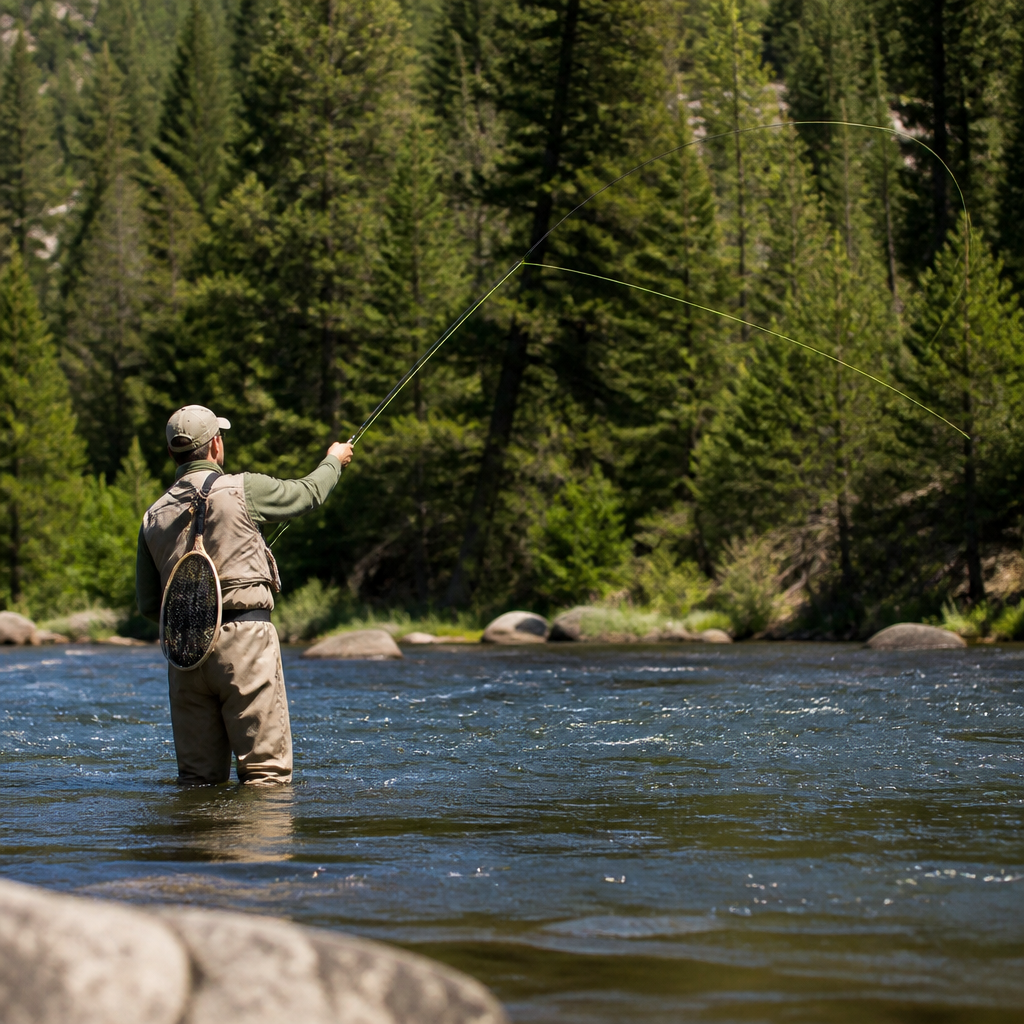
Every advanced presentation rests on a competent overhead cast. The overhead cast for dry flies should be compact, repeatable, and quiet. Start with a stable stance, rod tip low to the water, and enough line out to load the rod. Lift smoothly into the back cast, accelerate, stop high, allow the loop to unroll, then drive forward with a straight tracking path and a controlled stop. I teach anglers to watch the back cast occasionally because most tailing loops, ticking leaders, and blown presentations start there. If the rod tip dips under load, the forward cast inherits the error.
Leader setup also shapes the cast. A standard dry fly leader of 9 to 12 feet with a fine tippet gives turnover without too much kick. On technical spring creeks, 12 to 15 feet may be necessary; on small mountain streams, 7.5 to 9 feet can be easier under canopy. Taper matters because a thick butt section transfers energy while thinner mid and terminal sections dissipate it. If your leader piles up unintentionally every cast, the system may be too long or underpowered for the fly and conditions. If it snaps over violently and drags the fly, it may be too short, too stiff, or cast with too much force.
Before the final presentation, line management is critical. Strip excess line into organized coils, identify your target window, and choose a casting lane that avoids micro-drag from conflicting currents. On rivers where trout feed steadily in one seam, I often make one false cast fewer than I think I need. Extra false casting dries the fly but also increases the chance of lining the fish, changing the angle, or losing timing with the rise. Efficient casting is part of stealth.
Presentation Casts That Create a Drag-Free Drift
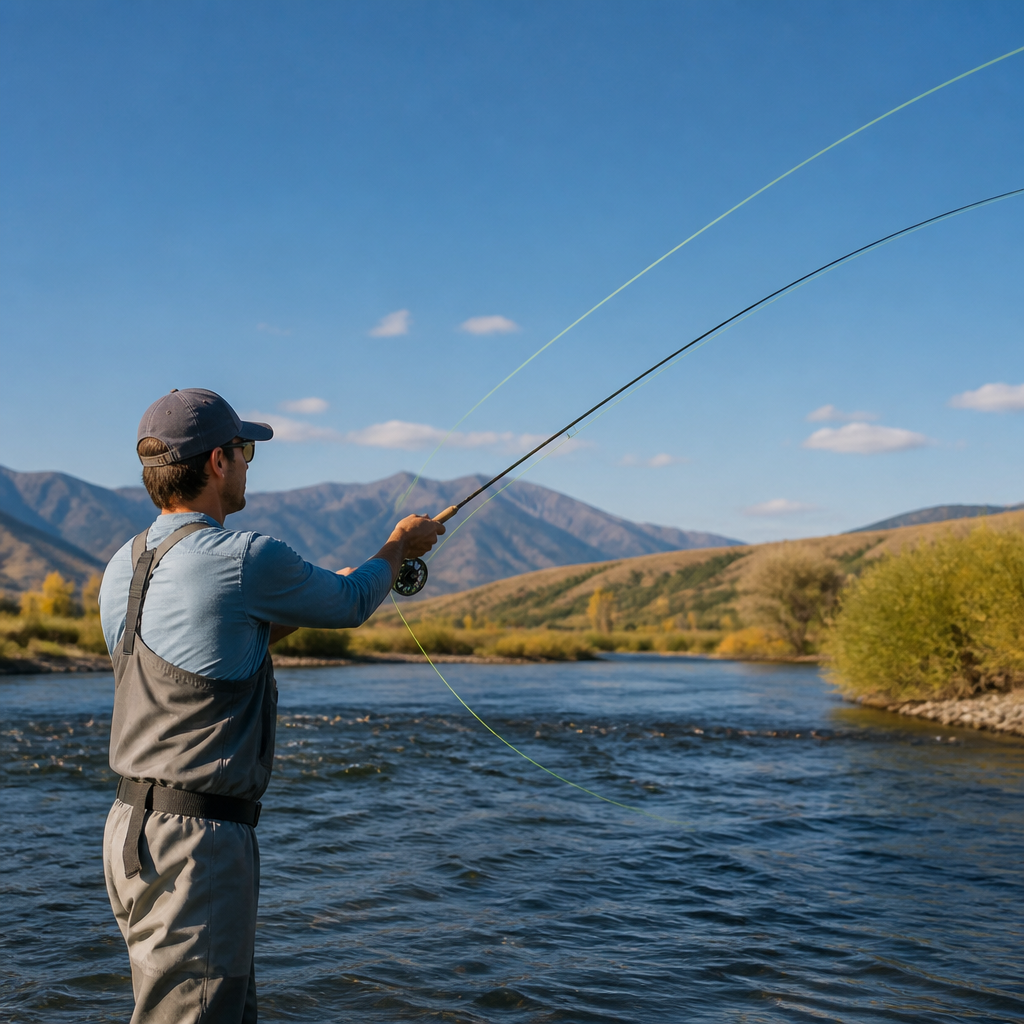
The standard presentation cast lands fly, leader, and line in sequence with enough softness to avoid spooking fish. It works when currents are uniform and the trout is not hyper-selective. However, most productive dry fly situations require a cast that changes line layout on purpose. The reach cast is the first adjustment every dry fly angler should learn. After the forward stop, move the rod upstream or downstream before the line lands. This repositions the line and leader, buying extra drift before conflicting currents pull the fly. An upstream reach is especially effective when you stand below and across from a feeding trout. A downstream reach can be useful when side currents would otherwise grab the line immediately.
The parachute cast, sometimes called a pile or slack-line cast depending on how it is formed, introduces vertical slack by checking the forward cast high and allowing the leader to fall in relaxed curves. It excels at short to medium distance when trout feed in slow water and reject anything that drags. The wiggle cast adds horizontal slack. During the forward delivery, lightly oscillate the rod tip side to side while maintaining forward line speed. This places small S-curves in the line, delaying drag. The key is subtlety. Excess motion destroys accuracy and can tangle fine tippets.
Curve casts solve lateral obstacles and awkward current angles. By altering rod path or introducing side force late in the forward cast, you can make the line bend around a current tongue, grass edge, or exposed rock. On meadow streams, I use a gentle curve cast to drift a fly alongside undercut banks without dropping the line directly over the fish. The tuck cast, by contrast, is more associated with nymphing, so it is rarely the right answer for dry flies because it drives the terminal end downward instead of cushioning the surface landing. Choosing the right presentation means knowing the problem you are solving: extra slack, altered angle, obstacle avoidance, or softer touchdown.
| Cast | Primary Purpose | Best Situation | Common Mistake |
|---|---|---|---|
| Overhead presentation | Accurate, straight delivery | Uniform current, close targets | Too much power causing hard landings |
| Reach cast | Reposition line to reduce drag | Across-current presentations | Moving the rod too late after the line lands |
| Parachute or slack-line cast | Create immediate slack | Slow pools, selective trout | Overpowering the cast and straightening everything |
| Wiggle cast | Add S-curves for a longer drift | Complex seams at medium range | Excess rod movement reducing accuracy |
| Curve cast | Bend the line around currents or structure | Bank feeders, side obstacles | Trying to force too much curve at long distance |
Accuracy, Distance, and Line Control on Different Water Types
The best casting techniques for dry fly fishing change with the water type. On spring creeks, accuracy and stealth matter most. Trout in these systems often feed in slow, glassy flows where any unnatural movement stands out. Here, shorter casting strokes, longer leaders, and slack presentations outperform heroic distance. I aim for a landing zone measured in inches, not feet, and I care more about first-drift quality than repeated shots. One clean 35-foot cast beats three average 50-foot casts on technical fish.
Freestone rivers demand more versatility. Broken currents can hide imperfect line landings, but they also create instant drag. Pocket water often allows close-range high-percentage casts where a simple overhead delivery upstream is enough. Riffle corners and seam lines, however, reward reach casts and quick on-water mends. On larger Western rivers, distance becomes relevant because the fish may feed far across multiple lanes. Distance without control is useless, so the solution is efficient line speed paired with a delivery that lands with planned slack. Hauling can help, but the final presentation still must relax, not slap.
Small streams introduce canopy, brush, and awkward body positions. Roll casts, bow-and-arrow casts, and sidearm deliveries become essential support skills for dry fly fishing in tight corridors. Even when the cast itself is abbreviated, presentation principles remain unchanged: avoid lining the fish, lead the target, and land with enough slack to drift naturally through the pocket or under the overhang. Lakes are a separate challenge. Rising trout cruising chironomid or callibaetis slicks often require long, accurate dry fly casts with careful leader turnover and immediate line pickup for the next shot. Wind lanes can concentrate insects, but they also magnify drag and compromise mends. The cast must be efficient and repeatable under pressure.
Approach Angle, Mending, and Timing the Rise
A cast cannot be separated from approach angle. The same reach cast can be brilliant from one position and ineffective from another. Whenever possible, approach feeding trout from downstream and slightly off to the side so the line lands first away from the fish and the fly arrives naturally in its window. Casting directly over a trout’s head is the fastest way to turn a willing riser into a ghost. On rivers with clear water and bright light, your position and shadow matter as much as the cast itself.
Mending begins in the air if possible and on the water if necessary. An aerial mend, such as a reach, is usually cleaner because it avoids disturbing the surface around the fish. Once the line is down, upstream mends can extend the drift, but they must be small and timely. Big, late mends move the fly. On short drifts, I often plan the entire presentation backward: where the fly must drift, where the leader should land, where the belly of line can sit harmlessly, and where I must stand to make that geometry possible.
Timing matters because trout feed rhythmically. Watch several rises before casting. Are they moving laterally for emergers, holding under one lane, or sliding inches left and right? Casting techniques for dry fly fishing become far more effective when synchronized to feeding cadence. If a trout rises every five seconds in the same seam, you can place the fly a foot upstream and let it arrive just as the fish resets. This is more reliable than rushing a cast at every splash. Good dry fly anglers look patient because they are solving a timing problem, not merely throwing line.
Common Casting Errors and How to Fix Them
The most common error in dry fly casting is overpowering the forward stroke. This causes tailing loops, snapped-off flies, and hard presentations. The fix is smoother acceleration and a firmer stop rather than more force. Another frequent mistake is dropping the rod tip too soon on the forward cast, which drives the line into the water and kills loop efficiency. Keeping the stop crisp and allowing the loop to unroll before lowering for presentation solves much of this. I also see many anglers false cast too much. More air time does not improve accuracy after a point; it usually increases fatigue and errors.
Poor tracking is another hidden problem. If the rod tip travels in a curved path, the line follows with wide loops or crossing tails. Practicing over grass with a target hula hoop or paper plate helps reveal this immediately. Leaders that collapse unpredictably often point to a mismatch between fly size, leader design, and casting tempo. A bushy size 10 hopper needs more turnover energy than a size 20 midge dun. Wind compounds every issue. In headwinds, tighten loops, lower the trajectory, and consider a slightly shorter leader. In crosswinds, adjust casting plane and body position so the line blows away from you safely while still landing softly.
Finally, many refusals blamed on pattern choice are actually drag caused by poor line layout. If trout inspect then refuse repeatedly, change the cast before changing the fly. Add a reach, land farther upstream, switch to a longer tippet, or alter your angle. Presentation fixes catch fish faster than constant fly swapping.
Casting techniques for dry fly fishing are the operational core of the entire method. Fly selection, hatch knowledge, and river reading all matter, but the cast is what turns strategy into a believable drift. Start with a dependable overhead cast, then build the practical presentations that solve real river problems: the reach cast for crosscurrents, the parachute or slack-line cast for delicate drifts, the wiggle cast for added float time, and the curve cast for difficult angles. Match those deliveries to water type, leader design, trout position, and feeding rhythm. Just as important, diagnose mistakes honestly. Hard landings, immediate drag, and missed lanes are usually technical issues with clear fixes.
If you treat this page as your dry fly fishing hub, the next step is simple: practice one presentation cast at a time on the water you fish most. Choose a visible target, study current seams, and test how different line layouts change the drift. The goal is not prettier casting. The goal is more natural presentations, more confident rises, and more trout brought to hand on the surface. Master the cast, and dry fly fishing becomes less mysterious and far more consistent.
Frequently Asked Questions
What is the most important casting skill in dry fly fishing?
The single most important skill in dry fly fishing is presenting the fly so it lands naturally and drifts without drag. Many anglers focus first on distance, but trout feeding on the surface usually punish sloppy presentation far more than they reward long casts. A dry fly is meant to imitate an insect resting on the surface film, so the cast has to deliver that fly softly, accurately, and with enough line control that conflicting currents do not immediately pull it off course.
In practical terms, that means learning to control both the fly and the leader during the cast. A clean stop on the forward stroke helps the loop unroll with precision. Good timing prevents tailing loops and hard landings. Just as important, the angler must decide whether to cast a straight leader for a direct drift or introduce intentional slack so the fly can float naturally before the line tightens. On smooth spring creeks, even a tiny amount of drag can make a trout refuse. On pocket water, you may get away with more, but precise placement still matters.
If you want one skill to prioritize, work on accuracy at realistic fishing distances of 20 to 40 feet, followed by deliberate slack-line presentation. The best dry fly casters are not necessarily the ones who cast the farthest. They are the ones who consistently land the fly first, keep the leader from slapping down, and match the drift to the current seams where trout are feeding.
How do you cast a dry fly so it lands softly and does not spook trout?
A soft landing begins long before the fly touches the water. It starts with a controlled casting stroke, a smooth acceleration, and a crisp stop that forms a tight but not overly aggressive loop. If the stroke is rushed or powered too hard, the line straightens violently and the fly often kicks over and lands with unnecessary force. In dry fly fishing, especially over selective trout in clear water, that impact can scatter fish or put them immediately on edge.
To make the presentation more delicate, reduce false casting and fish as close as conditions allow. Each extra false cast increases the chance of poor timing, line splash, and visual disturbance. On the final forward cast, aim slightly above the water and allow the loop to unroll before the leader and fly settle down. A longer leader often helps because it separates the heavier fly line from the fly itself, making the final delivery gentler. Many anglers also benefit from stopping the rod tip high on the presentation cast, then lowering it slightly as the fly lands to introduce a touch of slack.
Your approach angle matters too. Casting from downstream or quartering across often gives you more control over the drift and keeps the line farther from the trout’s window. A reach cast, puddle cast, or parachute cast can soften the landing while setting up a better drift. If trout are feeding in calm water, it is usually better to land the fly six inches to a few feet above the fish, depending on current speed, than to drop it directly on the target. Softness, positioning, and current-aware delivery work together. When all three are right, the fly arrives as naturally as the real insect it is meant to imitate.
What is a drag-free drift, and how do casting techniques help create one?
A drag-free drift means the dry fly moves at the same speed and in the same manner as the natural insects on the surface, without being pulled unnaturally by the fly line, leader, or conflicting currents. This is one of the defining challenges of dry fly fishing. Trout may tolerate minor imperfections in rough water, but in slow, clear flows they often inspect a fly closely. If the fly skates, twitches, or wakes in a way that does not match the naturals, refusals are almost guaranteed.
Casting technique is central because most drag problems are created at presentation, not after it. If you cast a straight line across multiple current seams, the faster currents immediately grab the line and leader, pulling the fly off its natural lane. To prevent that, skilled anglers build slack into the cast on purpose. A reach cast places the line upstream or downstream of the fly’s path before it lands. A puddle cast drops curves into the line. A parachute cast allows the leader and fly to fall with controlled slack. Each of these presentations buys time before the currents tighten the system and introduce drag.
Line management after the cast matters as well, but mending is much easier when the cast sets up the drift correctly from the start. The best sequence is usually this: choose the angle, make the right presentation cast for the current structure, land the fly first, then make subtle aerial or on-water adjustments only if needed. In short, a drag-free drift is not luck. It is the product of reading currents accurately and using specific casts to position the line and leader so the fly behaves like the natural food the trout expects to see.
Which dry fly casts should beginners learn first?
Beginners should start with a few highly practical casts rather than trying to master every specialty presentation at once. The foundation is the standard overhead cast. Without a reliable overhead cast, it is difficult to control loop shape, timing, direction, and distance. This cast teaches the essentials: smooth acceleration, firm stops, line control, and the feel of the rod loading and unloading. For dry fly fishing, the overhead cast should be practiced not just for distance but for accuracy and soft turnover at common trout-fishing ranges.
Once that foundation is in place, the next cast to learn is the reach cast. It is one of the most useful dry fly presentations because it helps set up a drag-free drift without requiring complicated on-water mends. By moving the rod upstream or downstream during the line’s final unrolling phase, you reposition the line relative to the fly. This simple adjustment can dramatically improve presentation across uneven currents. After that, the puddle cast or parachute cast is worth learning because both introduce slack that allows the fly to drift naturally before the line comes tight.
Beginners should also develop a basic roll cast, even though it is often discussed more in general fly fishing than specifically in dry fly presentation. It helps when there is no room for a back cast, and it reinforces line control principles that carry into other techniques. But if the goal is effective dry fly fishing as quickly as possible, focus on four things: a clean overhead cast, consistent accuracy, the reach cast, and one slack-line presentation. Those skills cover a large percentage of real trout situations and create a much stronger practical base than chasing advanced or flashy casts too early.
How can you improve dry fly casting accuracy and line control on the water?
Improving accuracy and line control comes from combining sound mechanics with realistic practice. Accuracy in dry fly fishing is not just about hitting a dinner-plate target on grass. It is about placing the fly in a feeding lane, controlling where the leader lands, and deciding how the line should relate to the current seams around the trout. To do that consistently, shorten your practice distances to the ranges you actually fish most often. Many missed opportunities happen inside 35 feet, so being precise there is more valuable than making occasional hero casts at 60 feet.
Mechanically, focus on tracking the rod tip in a straight path, making smooth accelerations, and stopping crisply on both the back cast and forward cast. Watch the loop and let it teach you. Wide, collapsing loops often signal poor timing or excessive power. Tailing loops often come from overpowering the stroke or changing the rod tip path abruptly. The more efficiently the loop forms and unrolls, the more predictable your presentation becomes. Predictability is the foundation of accuracy.
On the water, line control improves when you think one step ahead. Before casting, identify the trout’s position, the current seams between you and the target, and the kind of drift you need. Then choose the cast that solves that problem rather than defaulting to the same delivery every time. After the fly lands, control slack carefully. Too little and the fly drags; too much and you miss the rise or struggle to set the hook. A good dry fly angler manages that balance constantly. Practice with purpose, fish at deliberate distances, and treat every cast as a problem-solving exercise. That is how accuracy and line control become dependable habits instead of occasional successes.