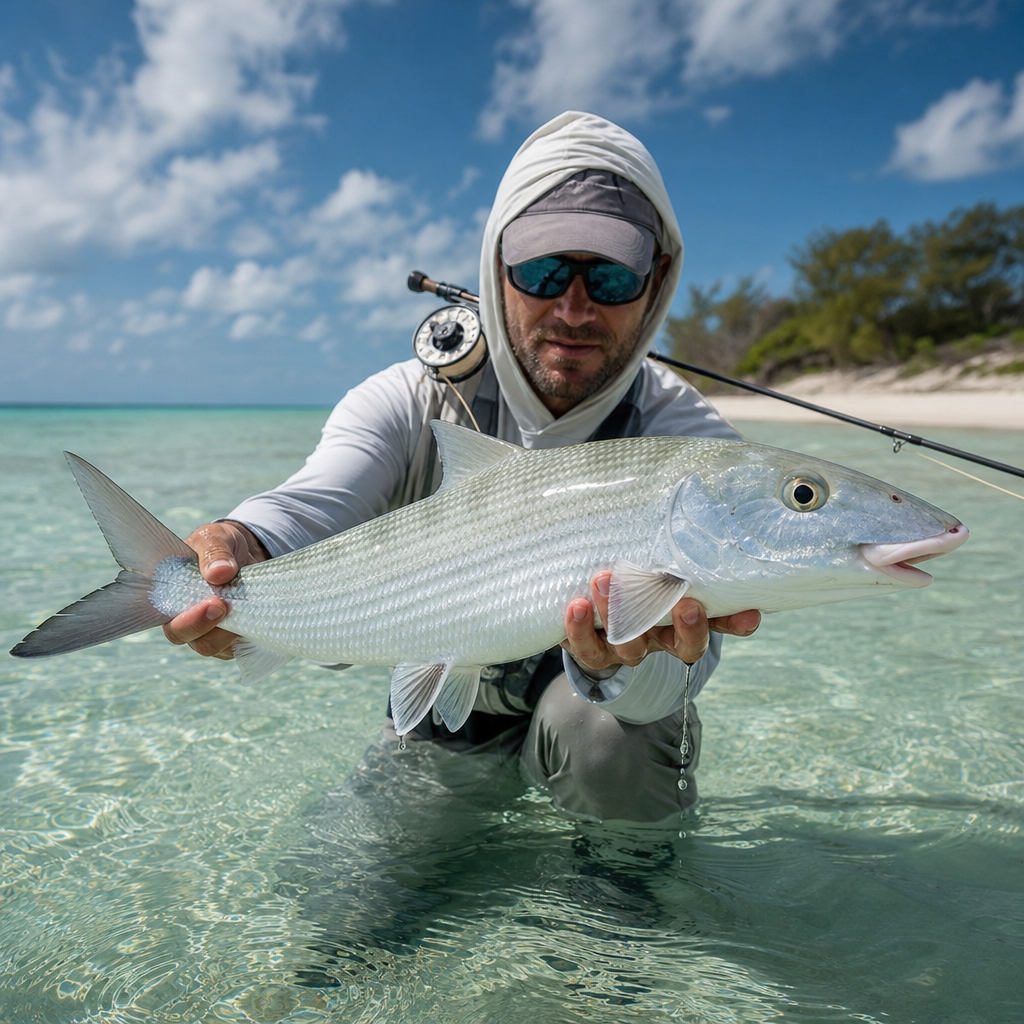
Fly fishing in Mozambique combines warm Indian Ocean flats, mangrove-lined estuaries, surf zones, and remote inland waters into one of Africa’s most varied angling experiences. For anglers building an Africa-focused destination plan, Mozambique deserves hub status because it sits between the tropical flats culture of the western Indian Ocean and the migratory gamefish routes of southeastern Africa. In practical terms, that means you can target giant trevally on coral edges, bonefish on white sand, permit on mixed flats, queenfish in channels, and, in selected freshwater systems, tigerfish and other regional species. I have planned trips along this coast and worked through the recurring questions anglers ask before they commit: where to base, what species are realistic, which months fish best, and how tackle choices change from one zone to another.
Understanding fly fishing in Mozambique starts with three key ideas. First, geography drives opportunity. The country’s coastline runs more than 2,400 kilometers and includes the Bazaruto Archipelago, the Quirimbas, reef-protected bays, tidal estuaries, and current-swept channels. Second, tides matter as much as seasons. Much of the best fishing happens when water moves over flats, pushes bait through cuts, or floods mangrove margins. Third, access determines success. Some of the most productive water is remote, and guide quality, boat setup, and local weather knowledge often matter more than casting distance alone. This matters because Mozambique is not a casual wade-only destination where every flat fishes the same way. It rewards preparation, species-specific tactics, and realistic expectations about weather, travel, and conservation rules.
For anglers researching fly fishing in Africa, Mozambique also functions as a gateway destination. It pairs naturally with neighboring fisheries in South Africa, Tanzania, and the Seychelles conversation, yet it offers a different profile: less standardized than famous island lodges, often more exploratory, and sometimes more physically demanding. That difference is exactly why experienced saltwater fly anglers rate it highly. You are not just paying for postcard scenery. You are buying access to fishable habitat diversity, lower pressure in certain regions, and the chance to encounter species combinations that are rare elsewhere. The rest of this guide breaks down the best spots and the strategies that consistently convert opportunity into fish.
Best Fly Fishing Regions in Mozambique
The best fly fishing spots in Mozambique cluster into a few clear regional categories, each with a distinct tactical identity. The Bazaruto Archipelago, near Vilanculos, is the country’s most established saltwater fly fishing center and the strongest all-around choice for a first trip. Its network of sand flats, channels, drop-offs, and reef edges supports bonefish, permit, kingfish, queenfish, milkfish at times, and giant trevally. The attraction is range. On one tide cycle, a guide can pole a shallow flat, run to a current seam, then finish on a surf line where predators push bait against structure. That flexibility is why Bazaruto remains the benchmark for Mozambique fly fishing.
Farther north, the Quirimbas Archipelago offers a more remote experience. The water is often exceptionally clear, the habitat is expansive, and fish can be less educated where pressure is light. The tradeoff is logistics. Travel is longer, weather windows matter, and guiding infrastructure can be less consistent depending on the operator. For anglers willing to trade convenience for exploration, the Quirimbas can produce outstanding sight-fishing for trevally, bluefin kingfish, bonefish, triggerfish in some areas, and other reef-associated species. This region suits experienced casters who are comfortable making quick presentations from a skiff or on foot when a guide suddenly spots a moving fish over broken bottom.
Southern Mozambique, including areas influenced by Inhambane, Tofo, and sheltered bays farther down the coast, is better known for broader sport fishing than for classic flats culture, but it still deserves attention. Estuary mouths, surf zones, and inshore reefs can hold kingfish, queenfish, barracuda, and seasonal pelagics within fly range. These areas reward anglers who enjoy less visual, more opportunistic fishing: blind casting baitfish patterns into current lines, stripping fast along points, or targeting surface-feeding fish when birds reveal action. They are also useful mixed-trip locations for travelers combining diving, family travel, and several guided fishing days rather than a dedicated week on the flats.
Inland waters are a niche but important part of the Mozambique fly fishing map, especially for anglers building a broader Africa itinerary. Where legal access, water levels, and local security permit, some river systems and connected waters can produce tigerfish and other freshwater species. These are not plug-and-play destinations in the way Zambia’s Zambezi sections are discussed, so expectations should be conservative and local intelligence is essential. Still, including freshwater potential matters in a hub article on Africa because Mozambique is one of the few destinations where a traveler may plausibly combine tropical saltwater fly fishing with exploratory freshwater sessions in the same country.
| Region | Primary Species | Best For | Main Challenge |
|---|---|---|---|
| Bazaruto Archipelago | Bonefish, permit, GT, queenfish, kingfish | First-time Mozambique trips | Wind and fast-changing tidal windows |
| Quirimbas Archipelago | Trevally, bonefish, triggerfish, reef species | Remote sight-fishing | Logistics and operator variability |
| Southern coast and bays | Kingfish, queenfish, barracuda, seasonal pelagics | Mixed travel itineraries | Less consistent classic flats fishing |
| Selected inland systems | Tigerfish, regional freshwater species | Exploratory Africa combinations | Access, conditions, and limited infrastructure |
Target Species and What Makes Mozambique Special
Most anglers come for the saltwater lineup, and the headline species explain why. Giant trevally are the marquee predator. In Mozambique they are not simply a reef fish; they often appear on flats edges, channel mouths, and surf transitions where speed and aggression define the eat. You need a 10- to 12-weight, a large arbor reel with strong sealed drag, and flies tied on heavy hooks that will not open under pressure. Bonefish are common enough in the right systems to anchor a trip, but they are not the only reason to go. Permit add technical prestige, and while Mozambique is not the easiest permit destination on earth, it offers legitimate shots in habitat where guides understand crab presentations and boat positioning.
Queenfish and various kingfish species bring another layer that many Indian Ocean destinations cannot match at the same scale. They are ideal for anglers who like movement, baitfish patterns, and high-tempo retrieves. A fishery with abundant mid-level predators keeps fishing productive even when the classic flats targets are difficult because of wind, cloud cover, or spring tides. Barracuda are often overlooked, yet they are available, visually exciting, and excellent backup targets when the light is harsh and a fast intermediate line can cover water along drop-offs. Depending on season and location, milkfish, triggerfish, bluefin trevally, and reef species can round out the list.
What makes Mozambique special within Africa is this overlap between technical sight-fishing and violent bluewater-adjacent encounters. In one destination, you might crouch for a permit over turtle grass in the morning and then throw a large brush fly at a giant trevally patrolling a pressure edge after lunch. Few countries offer that shift without an internal flight. That variety also reduces risk. If one species fails to cooperate, another may still provide excellent fishing. For a hub article under fly fishing destinations in Africa, that versatility is the key positioning point: Mozambique is not only a species destination but a format destination, suitable for flats anglers, surf hunters, and mobile boat-based predators alike.
Season, Weather, Tides, and Trip Planning
The practical best time for fly fishing in Mozambique is generally the drier, cooler period from roughly May through October, with shoulder months sometimes fishing very well depending on region. During this window, humidity is lower, storms are less frequent, and travel logistics are usually easier. Wind still matters every week of the season, and anyone who has spent time on Indian Ocean flats knows that “good season” does not mean calm conditions. Winter trade patterns can create fishable mornings and difficult afternoons, so smart operators build plans around first light and tidal timing rather than clock time alone. If you can choose, prioritize a trip date around favorable tides over a generic monthly recommendation.
Tides influence nearly every decision on the water. Bonefish may flood onto shallow flats on the push and become harder to reach once the water tops out. Permit often feed best when enough water covers crab-rich zones but not so much that fish spread across miles of featureless habitat. Giant trevally frequently use channels and edges when current concentrates bait, especially around dropping water. This is why serious Mozambique guides ask not only when you arrive, but what the moon phase will be during your stay. Spring tides create dramatic movement and access, but they can also shorten windows on skinny flats. Neap tides often simplify wading and sight-fishing, though they may reduce the intensity of bait movement in channels.
Trip planning should include a buffer for transport and weather. Flights into Maputo or Vilanculos can connect smoothly, but baggage delays and charter coordination are common enough that I always advise arriving with one extra day before the fishing program begins. Pack essential flies, leaders, boots, and at least one set of carry-on clothing with your rods. If you are heading north to more remote islands, ask operators about medical evacuation procedures, communications, and whether skiffs carry VHF, satellite tracking, or first-aid kits. Those questions are not pessimistic; they are standard due diligence in a destination where distance is part of the appeal.
Gear, Flies, and On-the-Water Strategies
A Mozambique fly fishing setup should cover three jobs: light flats work, all-purpose inshore hunting, and heavy predator fishing. The most efficient quiver is an 8-weight, a 10-weight, and optionally a 12-weight if giant trevally are a major goal. Use the 8-weight for bonefish, smaller permit scenarios, and calmer flats presentations with floating lines. The 10-weight is the workhorse for queenfish, kingfish, larger permit water, and many GT situations when fish are not exceptionally large. The 12-weight earns its place when you expect big trevally in current or near coral where maximum lifting power matters. Reels need sealed drags because salt, heat, and fast runs expose weak systems immediately.
Flies should match habitat, not just species labels. For bonefish, carry Gotchas, Crazy Charlies, spawning shrimp patterns, and lightly weighted mantis or shrimp flies in tan, pink, and olive. For permit, bring Merkin-style crabs, Flexo-style crabs, and compact olive or sand-colored crab patterns with dependable hook points. For trevally and kingfish, baitfish patterns matter more than brand names: white-and-olive Deceivers, brush flies, Semper flies, poppers, and needlefish imitations on heavy-gauge hooks consistently produce. If barracuda are on the menu, wire bite tippet and long flashy tube-style or synthetic patterns save heartbreak. Flats boots are mandatory because coral rubble, rays, and broken shell can turn an easy wade into a medical problem.
Strategy is where many trips are won or wasted. On shallow flats, make the first cast count. Mozambique fish often see little pressure in remote areas, but they are not forgiving of repeated false casts over bright sand. Present beyond the fish, lead by the correct distance for speed and depth, and strip only when the guide instructs. For GT, speed after the eat is as important as speed before it. Keep stripping until the fish is tight, then clear line cleanly and get the rod butt engaged. For queenfish and kingfish, vary retrieve cadence until fish commit; a steady strip is often less effective than a burst-pause-burst pattern that mimics a wounded baitfish. In surf or channel work, cast across current and let the fly swing into tension before accelerating it. That change of angle commonly triggers followers into striking.
Guides, Conservation, and Building an Africa Destination Plan
The quality of your guide is the single biggest variable in Mozambique. A strong guide does more than spot fish. He reads water color, predicts where current will push bait, manages skiff angles in wind, and knows when to abandon a dead flat for a productive edge. When comparing operators, ask specific questions: how many dedicated fly days they run each season, whether guides are full-time or converted conventional captains, what rods they keep rigged, and how often they fish each core area on neap versus spring tides. Vague answers are a warning sign. Good operations can explain species mix, average casting distance expected, and how they handle weather-driven changes without overselling outcomes.
Conservation deserves equal weight. Mozambique’s marine ecosystems face pressure from artisanal harvest, tourism growth, and climate-related stress on coral habitats. Responsible fly fishing depends on catch-and-release standards, careful fish handling, minimized fight times on heavy gear, and support for lodges or operators that work with local communities. Barbless or debarbed hooks, keeping fish in the water when possible, and limiting photo time are not optional best practices for sensitive species in warm water. If an operator cannot articulate local rules, protected areas, and community relationships, choose another one. Conservation is not separate from trip quality; fisheries with local buy-in simply fish better over time.
As an Africa hub destination, Mozambique works best when matched to the angler you are now, not the angler you imagine being. If you want your first saltwater flats trip with broad species potential, start in Bazaruto. If you already cast accurately in wind and value exploration, look at the Quirimbas. If you are combining family travel with several adaptable fishing days, southern coastal bases make sense. Build your itinerary around tides, hire the best guide you can find, and carry gear for both finesse and power. Mozambique rewards anglers who prepare carefully, fish decisively, and stay flexible. If Africa is on your fly fishing shortlist, make Mozambique one of the first destination pages you open and the next trip you price seriously.
Frequently Asked Questions
What makes Mozambique such a strong fly fishing destination compared with other Indian Ocean fisheries?
Mozambique stands out because it offers unusual range in one country. Instead of being limited to a single style of saltwater fly fishing, anglers can move between white sand flats, coral reef edges, mangrove estuaries, surf zones, tidal channels, and in some regions even inland freshwater systems. That variety creates a rare destination where you can sight-fish to bonefish in the morning, look for giant trevally along reef structure on a pushing tide, and then spend time probing estuaries for species that thrive around mangroves and current seams. For traveling anglers trying to build a broader Africa fly fishing plan, Mozambique is especially valuable because it bridges tropical flats fishing and the pelagic, migratory, and predatory gamefish culture of southeastern Africa.
Another major advantage is season-long diversity. Conditions, tides, water clarity, and regional weather patterns all influence where and how you fish, but Mozambique consistently rewards anglers who are willing to match tactics to habitat. Some areas are better known for classic flats species, while others are more technical and favor anglers comfortable with fast presentations, heavy tackle, and quick decision-making around structure. That means beginners can find approachable water for species like bonefish, while experienced saltwater fly fishers can pursue highly demanding targets such as giant trevally. In simple terms, Mozambique is not just one fishery. It is a collection of fisheries, and that is exactly what gives it destination-level status.
Where are the best places to fly fish in Mozambique, and what species can you expect in each type of water?
The best spots in Mozambique depend less on a single famous location and more on choosing the right water type for the species you want to prioritize. Shallow white sand flats are among the most productive and visually exciting areas for bonefish, and they can also hold permit-like opportunities depending on the region and season. These flats reward quiet wading, sharp sun angles, and accurate casts to moving fish. Coral edges, reef drop-offs, and current-swept channels are prime territory for giant trevally, queenfish, bluefin trevally, and other aggressive predators that use tide and bait movement to hunt. If your goal is explosive eats and high-stakes battles, these are often the most important areas to focus on.
Mangrove-lined estuaries add another dimension entirely. They are ideal for anglers who enjoy structure-oriented fishing, changing current lines, and species diversity. Estuarine systems can produce jacks, snapper, smaller trevally species, and a range of opportunistic predators that ambush bait near roots, undercut banks, and creek mouths. Surf zones and beaches can also be highly productive, particularly when bait is concentrated and moving water creates feeding lanes close to shore. In these settings, fast strips and durable baitfish patterns often outperform subtler approaches. Remote inland waters, where available and logistically practical, offer a very different contrast to the coast and can be worth adding for anglers who want a broader itinerary. The key point is that Mozambique is at its best when you fish it as a network of habitats rather than searching for one single “best” spot.
What fly fishing strategies work best in Mozambique for bonefish, giant trevally, and other common target species?
The most effective strategy in Mozambique is to fish according to habitat, tide stage, and species behavior rather than relying on one generic saltwater approach. For bonefish on shallow flats, stealth is everything. Long leaders, measured wading, controlled false casting, and accurate presentations well ahead of the fish are far more important than distance alone. Small to medium shrimp and crab patterns in tan, pink, pearl, and olive are dependable starting points, especially when matched to bottom color and water depth. You generally want a fly that lands softly, sinks quickly enough to reach the feeding zone, and can be moved with short strips that imitate natural movement without spooking fish.
For giant trevally, the strategy changes dramatically. These fish often appear suddenly, move fast, and demand immediate, forceful presentations. Heavy tackle, strong leaders, and large baitfish or brush flies are standard because you are often fishing around reef, coral, and other structure where hesitation costs fish. Casts need to be delivered quickly, and the retrieve usually has to be fast, aggressive, and continuous unless a guide specifically calls for a pause. Hook-setting also differs from many freshwater habits; a hard strip set is essential, and once the fish is on, immediate pressure is critical to keep it out of structure. For species in estuaries and surf zones, baitfish patterns, clouser-style flies, deceivers, and tougher synthetic profiles tend to perform well, especially when current is carrying bait. Across all fisheries, the best anglers are the ones who adapt quickly: they watch water movement, respond to guide direction instantly, and match retrieve speed to the fish’s mood rather than forcing one technique all day.
What gear should you bring for a fly fishing trip to Mozambique?
A well-planned Mozambique fly fishing kit should cover both flats and heavy-duty saltwater scenarios. For bonefish and lighter flats work, an 8-weight is often the most versatile choice, though some anglers like a 7-weight for calm conditions and smaller fish. A 9-weight can be useful when wind becomes a factor or when there is a chance of encountering larger, more powerful species on mixed flats. For giant trevally, big queenfish, and other hard-fighting reef predators, a 10- to 12-weight setup is the safer and more standard option. Reels must have strong, smooth drags and enough backing capacity to handle long, fast runs. Tropical fly lines are essential in Mozambique’s heat, because standard temperate lines can become sticky, limp, or difficult to manage.
Fly selection should include shrimp and crab patterns for flats fishing, along with baitfish patterns in a range of sizes for reef edges, channels, estuaries, and surf. Durable flies matter because abrasive mouths, coral, and repeated strikes can destroy lightly tied patterns quickly. Leaders should cover several scenarios: longer, finer presentations for spooky flats fish and heavier shock-strength systems for trevally and structure-oriented predators. Beyond rods and flies, practical gear makes a big difference. Good flats boots, sun gloves, a quality stripping basket for surf or windy boat work, polarized sunglasses with strong contrast, and lightweight sun-protective clothing are all worth treating as essentials, not extras. Mozambique can be physically demanding between heat, glare, salt, and wading conditions, so smart equipment choices improve both comfort and fishing success.
When is the best time to go fly fishing in Mozambique, and how should you plan around tides, weather, and travel logistics?
The best time to fish Mozambique depends on your target species, preferred regions, and tolerance for heat, wind, and travel complexity. In general, anglers should think less in terms of one perfect month and more in terms of matching conditions to objectives. Clear skies and good light are especially important on flats because sight-fishing quality changes dramatically with cloud cover and glare. Wind also plays a major role, particularly on open flats and surf zones, so anglers who cast well in breeze will have more productive days across a wider range of conditions. Tide planning is equally important. Many of Mozambique’s best opportunities are tide-driven, with fish moving onto flats to feed, patrolling edges on rising water, or stacking near channels and drop-offs as bait is forced through moving current.
From a trip-planning perspective, it is wise to choose a lodge, camp, or guide operation that fishes multiple habitat types. That flexibility allows you to shift plans when wind, visibility, or tide timing makes one fishery less productive. Logistics in Mozambique can vary from straightforward coastal access to more remote operations requiring careful transfers and tighter packing discipline. Because of that, anglers should confirm baggage limits, rod tube allowances, transfer times, and available loaner gear well before departure. It also pays to ask very specific questions about target species priority, average shot distance, wading versus boat time, and whether the operation is built more around dedicated flats fishing or mixed-species opportunism. The more precisely you align season, tide schedule, and destination style with your fishing goals, the better Mozambique performs. This is a country that rewards preparation, flexibility, and realistic expectations about how changing coastal conditions shape each day on the water.