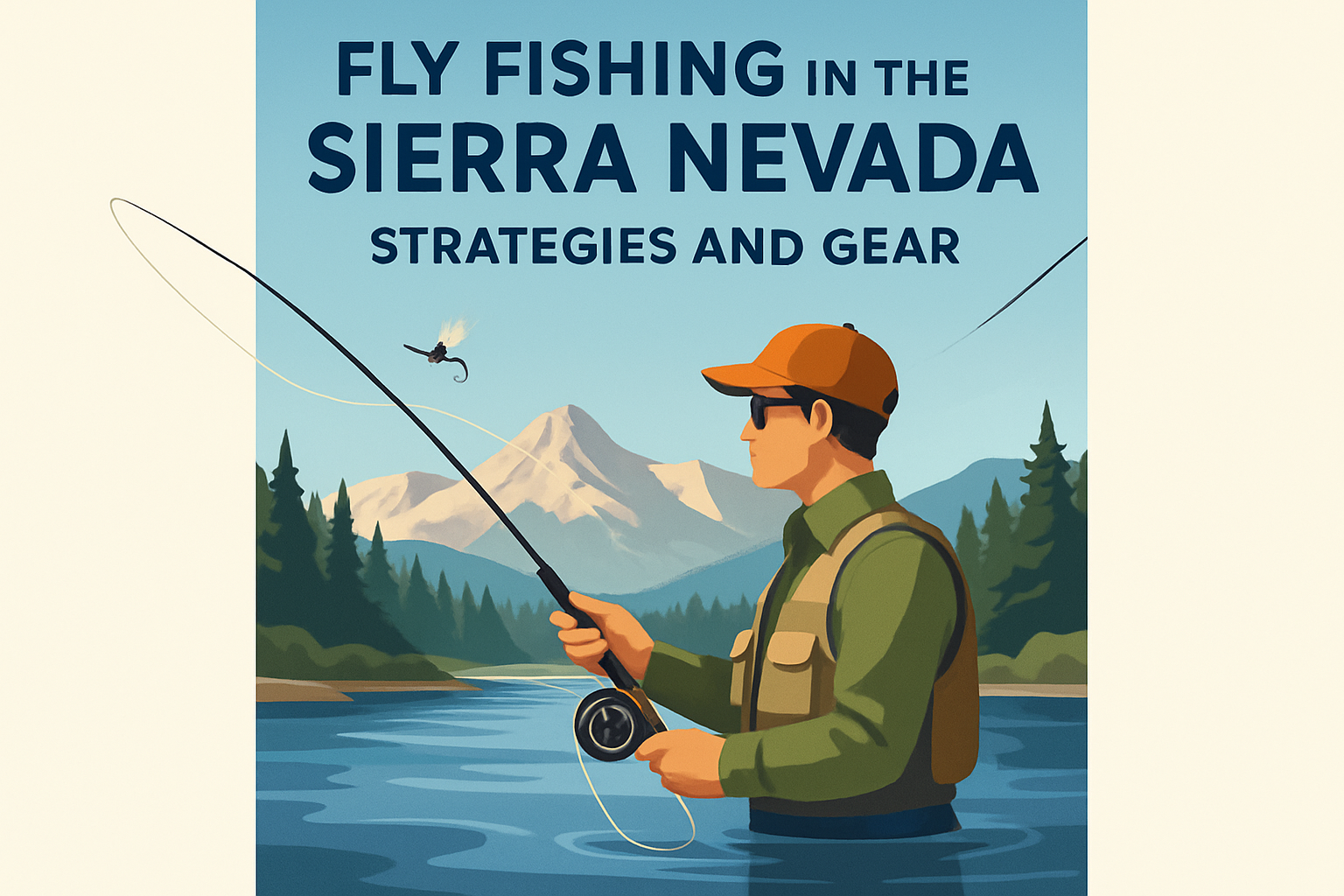
Fly fishing in the Sierra Nevada blends mountain travel, aquatic science, and technical casting into one of the most rewarding freshwater experiences in the American West. Stretching roughly 400 miles along eastern California, the range holds thousands of lakes, meadow creeks, tailwaters, freestone rivers, and alpine tarns that support trout in cold, oxygen-rich water. For anglers, “fly fishing” means presenting lightweight artificial flies with a specialized weighted line rather than casting the lure itself. “Strategies” refers to the decisions that improve success: where to fish, when to move, what insects to imitate, how to read water, and how to adapt to weather, elevation, and seasonal flows. “Gear” includes rods, reels, lines, leaders, flies, waders, clothing, and safety equipment suited to steep trails, thin air, and quickly changing mountain conditions.
This topic matters because the Sierra Nevada is not one fishery but many distinct fisheries stacked across elevation bands. A spring creek near Truckee, a granite-basin lake above Bishop, and a boulder-lined freestone stream near Sonora demand different approaches even when they are only a few hours apart. Brook trout often dominate tiny headwaters, rainbow and brown trout thrive in larger moving water, and golden trout persist in select high-country habitats that require careful handling and regulation awareness. Snowpack, runoff timing, drought cycles, wildfire effects, and fishing pressure all shape conditions from year to year. Anglers who understand these variables catch more fish, protect fragile ecosystems, and make better use of limited time in a range where access can involve long drives, rough roads, and high-elevation hikes.
Success in the Sierra starts with matching tactics to the environment instead of relying on one favorite setup. Afternoon winds can turn a calm alpine lake into a whitecapped casting challenge. Midday sun can push trout from shallow edges into undercut banks, plunge pools, or the drop-off beside a submerged granite shelf. Insects may emerge intensely for twenty minutes and then disappear. Productive anglers prepare for these shifts with a versatile but efficient kit and a plan that accounts for water type, season, and trout behavior. The payoff is exceptional variety: sight-fishing to cruising rainbows in clear stillwater, drifting nymphs through pocket water, or skating a caddis dry fly along a shaded seam while mule deer browse the meadow behind you.
Understand Sierra Nevada water types and trout behavior
The Sierra Nevada rewards anglers who classify water before they ever tie on a fly. Freestone rivers such as the upper Kern, East Carson tributaries, or many Yosemite-area streams depend on snowmelt and storms, so flows can swing sharply during runoff and after summer thunderstorms. Trout in these rivers hold where they can conserve energy while intercepting food: behind boulders, along foam lines, at the heads of pools, and in slots between rocks. Meadow streams fish differently. Their slower gradient, cut banks, weed growth, and undercut banks create excellent habitat for larger but warier trout that feed selectively, especially in clear summer flows. Alpine lakes add another dimension. With no obvious current seams, anglers must identify drop-offs, inlets, outlets, wind lanes, shoals, and cruising routes near structure. Reading each water type correctly is the foundation of every effective Sierra strategy.
Species and stocking history also influence tactics. Brook trout, common in smaller high-elevation creeks and tarns, are aggressive and often respond to attractor dries, small streamers, and flashy nymphs. Wild brown trout in larger rivers are more light-sensitive, favoring low-light periods and structure-rich lies. Rainbow trout in lakes may cruise shoals at dawn, then suspend deeper as the sun climbs. In select waters, California golden trout and golden-rainbow hybrids inhabit fragile environments where stealth and careful release practices are essential. Local regulations may include barbless hooks, artificial-fly-only rules, seasonal closures, or special catch-and-release sections, so checking current California Department of Fish and Wildlife regulations before each trip is nonnegotiable. A productive day begins with understanding which fish are present, how they feed in that water type, and what the law permits.
Choose gear that matches elevation, water size, and wind
A 9-foot 5-weight rod is the most versatile Sierra Nevada tool because it handles dry flies, indicator nymphing, and small streamers across rivers and lakes. Still, specialized situations justify other setups. A 3-weight or 4-weight excels on tight headwaters where casts are short and fish are modest, while a 6-weight helps punch long leaders into afternoon wind on Crowley Lake, Bridgeport-area stillwaters, or broad valleys around Mammoth and Truckee. Reels need smooth but not extravagant drags; balance and durability matter more than prestige. For lines, a weight-forward floating line covers most river fishing and much of lake fishing. Add a sink-tip or full intermediate line if you expect to strip streamers in lakes where trout cruise below the chop. Leaders from 7.5 to 12 feet, tapered to 3X through 6X, cover most conditions, with longer, finer leaders helping on clear meadow water and calm lakes.
Clothing and safety gear are not afterthoughts in the Sierra. Water temperatures remain cold even in midsummer, and weather changes fast above 8,000 feet. Breathable waders are useful in rivers and in lakes with rocky or muddy shorelines, but wet-wading is common during stable summer conditions; sturdy wading boots with strong ankle support are valuable on uneven granite and slippery cobble. Polarized sunglasses are mandatory for eye protection and spotting fish. Because ultraviolet exposure intensifies with altitude, wide-brim hats, sun gloves, and high-SPF sunscreen prevent the kind of burn that ruins a multiday trip. A compact pack should hold forceps, floatant, nippers, split shot, strike indicators, a thermometer, extra leaders, and enough water for long hikes. In remote country, a paper map, downloaded offline navigation, headlamp, first-aid kit, and emergency layer deserve equal billing with flies.
| Scenario | Recommended rod | Line choice | Typical flies | Key reason |
|---|---|---|---|---|
| Small alpine creek | 7.5–8.5 ft 3-weight | Floating | Parachute Adams, Elk Hair Caddis, bead-head pheasant tail | Short casts and delicate presentations |
| Medium freestone river | 9 ft 5-weight | Floating | Hare’s Ear, rubberlegs, stimulators, caddis patterns | Maximum versatility |
| Windy alpine lake | 9 ft 6-weight | Floating plus intermediate spare spool | Balanced leech, chironomid, woolly bugger | Better line control and casting power |
| Clear meadow stream | 9 ft 4-weight | Floating | PMD cripples, ant patterns, zebra midge | Long leaders and subtle drifts |
Seasonal strategies for runoff, summer, and fall
Timing shapes Sierra fly fishing as much as fly choice. In average snow years, heavy runoff can keep many freestone rivers high and cold through late spring and into early summer, pushing anglers toward tailwaters, lakes, spring creeks, or lower-gradient meadow sections that clear earlier. During runoff, trout often move closer to shore and softer edges because the main current is too powerful to hold in efficiently. Nymphing with larger, visible patterns such as Pat’s Rubber Legs, stonefly imitations, and flashback mayflies works well because natural food gets dislodged by strong flows. A wading staff becomes especially useful, and many anglers wisely avoid crossing altogether. Reservoir outflows and tailwaters can fish consistently during this period, though release schedules should always be checked because dam operations can change conditions overnight.
Summer opens the broadest range of options. High-country lakes thaw, backcountry trails become accessible, and terrestrial fishing improves in meadows as ants, beetles, and hoppers join aquatic insects. Morning and evening usually provide the best combination of trout activity, low wind, and comfortable temperatures. On many alpine lakes, trout cruise shallow shelves just after sunrise, feeding on midges, callibaetis nymphs, and damselfly nymphs before dropping deeper. In rivers, the classic Sierra dry-dropper rig shines: an attractor dry like a Chubby Chernobyl or Stimulator suspending a small bead-head nymph through riffles, pocket water, and cutthroat-style plunge pools. By late summer, warm afternoons can raise water temperatures in lower-elevation streams into stressful territory. Carrying a thermometer and avoiding fishing when temperatures approach or exceed about 68 degrees Fahrenheit helps protect trout from delayed mortality.
Fall offers some of the most technical and memorable fishing in the range. Water levels stabilize, nights cool, and brown trout become more aggressive before spawning, especially in larger rivers and tailwaters. Blue-winged olives, midges, and caddis can produce excellent hatches on overcast days. Streamers gain importance as predatory fish respond to shortening days and territorial impulses, but responsible anglers avoid targeting fish actively on redds or disturbing spawning areas made visible by clean, bright gravel. Fall weather can be superb one day and winterlike the next, particularly above 7,000 feet, so layering is critical. Many alpine roads and passes close with early storms, which means backup plans matter. Anglers who pair seasonal knowledge with flexibility consistently outperform those who chase a single famous hatch without considering access, flows, and trout stress.
Presentation tactics that catch more trout in rivers and lakes
In Sierra rivers, presentation usually matters more than exact pattern. Pocket water demands short, controlled drifts with quick reloads; trout have little time to inspect the fly, so accurate placement beside rocks, seams, and plunge-pool cushions is more important than perfect imitation. High-stick nymphing with a tight line reduces drag in turbulent current and is especially effective in boulder gardens. In meadow streams and spring creeks, the opposite is true: fish often have a long look, requiring longer leaders, finer tippet, lower profiles, and casts that land beyond the target with the fly drifting naturally back into view. Reach casts, slack-line presentations, and side-arm deliveries under willow branches become essential skills. During visible surface feeding, anglers should identify whether trout are taking adults, emergers, or cripples; switching from a high-floating dun to a low-riding cripple often solves refusals immediately.
Lakes reward mobility and observation. Rather than blind-casting one bank for hours, fish the first hour around inlets, outlets, submerged weeds, and points where wind pushes food. Wind is usually an ally, not an obstacle, because it concentrates insects and disoriented bait along downwind shores and creates a chop that gives trout cover. A slow figure-eight retrieve with a leech or damsel nymph can be deadly when fish are cruising just under the surface. When rises appear rhythmic, watch carefully to judge travel direction before casting several feet ahead of the fish instead of directly on top of it. Indicators are effective for chironomids in deeper water, but in many Sierra lakes a clear intermediate line and unweighted or lightly weighted fly provide better contact and a more natural retrieve. Keep moving until you find life: swallows working, callibaetis spinners, or trout dimpling near a shelf.
Flies, local hatches, ethics, and trip planning
A compact Sierra fly box should emphasize confidence patterns over sheer quantity. For dries, carry Parachute Adams in sizes 12 to 20, Elk Hair Caddis, stimulators, purple haze variations, ant patterns, beetles, hoppers, and callibaetis adults for lake fishing. For nymphs, pheasant tails, hare’s ears, zebra midges, perdigons, soft hackles, caddis pupae, and stonefly imitations cover most forage. Woolly Buggers, balanced leeches, and small sculpin-style streamers handle lakes and bigger rivers. Truckee and Eastern Sierra anglers often rely on midges, Baetis, PMDs, and attractor terrestrials, while higher basins can fish best with simple black gnats or ant imitations when trout key on tiny surface food. Named tools such as Fishbrain, onX Backcountry, and USGS stream gauges help with access, mapping, and flow awareness, but local fly shops remain the best source for up-to-date hatch details, road conditions, and fly sizes.
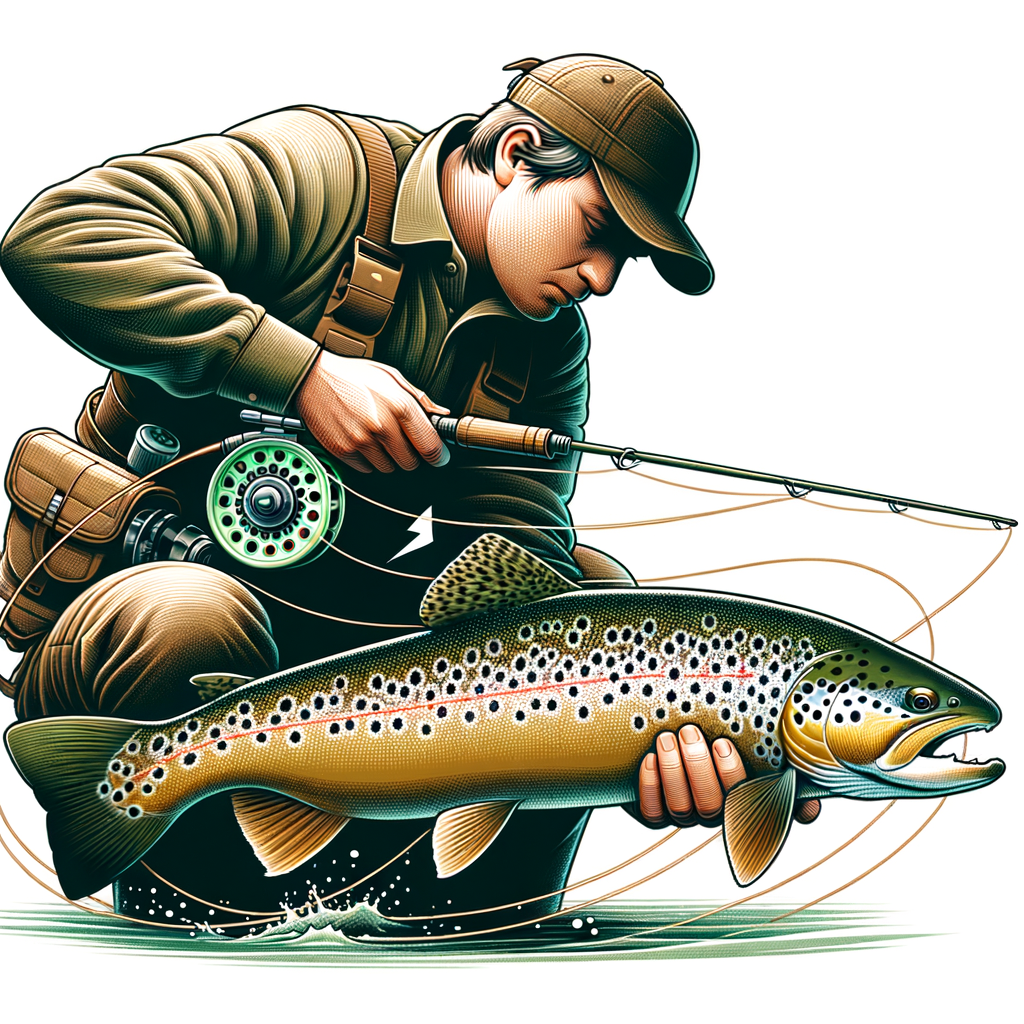
Ethics and logistics are inseparable from good angling in the Sierra Nevada. Many fisheries are remote and relatively fragile, with short growing seasons and trout populations that recover slowly from stress. Use barbless hooks whenever regulations require them and consider using them even when they do not; they speed releases and reduce injury. Wet your hands before handling trout, keep fish in the water during unhooking, and skip hero shots when water temperatures are high. Respect private property around meadow streams, close cattle gates, and pack out clipped tippet and food waste. Wildfire closures, bear activity, thunderstorms, and altitude sickness are practical concerns, not abstract risks. Plan turnaround times, tell someone where you are going, and keep an eye on darkening skies. Approach the range with humility, and it will offer extraordinary fishing. Build a versatile kit, study seasonal conditions, practice precise presentations, and use current local information before your next trip.