Fly fishing is an angling method that utilizes a weighted line and artificial ‘flies’ to catch fish. Traditionally associated with freshwater bodies like rivers and streams, fly fishing in estuaries offers a unique and exciting experience for anglers keen on exploring these rich ecosystems. Estuaries act as transitional zones where freshwater from rivers meets and mixes with saltwater from the ocean, creating a diverse environment teeming with life. This makes estuaries an exceptional fly fishing destination. In this article, we’ll delve into the techniques and strategies that can make fly fishing in estuaries a rewarding endeavor.
Understanding Estuarine Environments
Estuaries are dynamic ecosystems characterized by fluctuating tides, salinity levels, and water temperatures. Understanding these factors is crucial to successful fly fishing. An estuary’s salinity can range from nearly fresh near the river mouth to quite saline closer to the open sea, affecting the type of species encountered. For example, an estuary might host species such as sea trout, striped bass, and redfish.
Take, for instance, the Chesapeake Bay on the east coast of the United States. It’s a classic example of an estuarine system that supports a variety of fish species. Anglers can frequently find striped bass, especially during early spring and late fall when the fish move into the estuary’s brackish waters.
In practical terms, understanding the correlations between tide cycles and fish movements can significantly improve your fishing successes. Fish tend to move with the tide, and thus, timing your fishing trips around incoming or outgoing tides can greatly increase your chances of catching fish.
Choosing the Right Gear
Selecting appropriate gear is paramount when fly fishing in estuarine waters. The type of rod, line, and flies you choose will depend largely on the target species and conditions of the water. For instance, a 7-9 weight rod is typically more suitable for estuarine fishing due to its power and versatility, offering the strength to handle larger fish species that inhabit these waters.
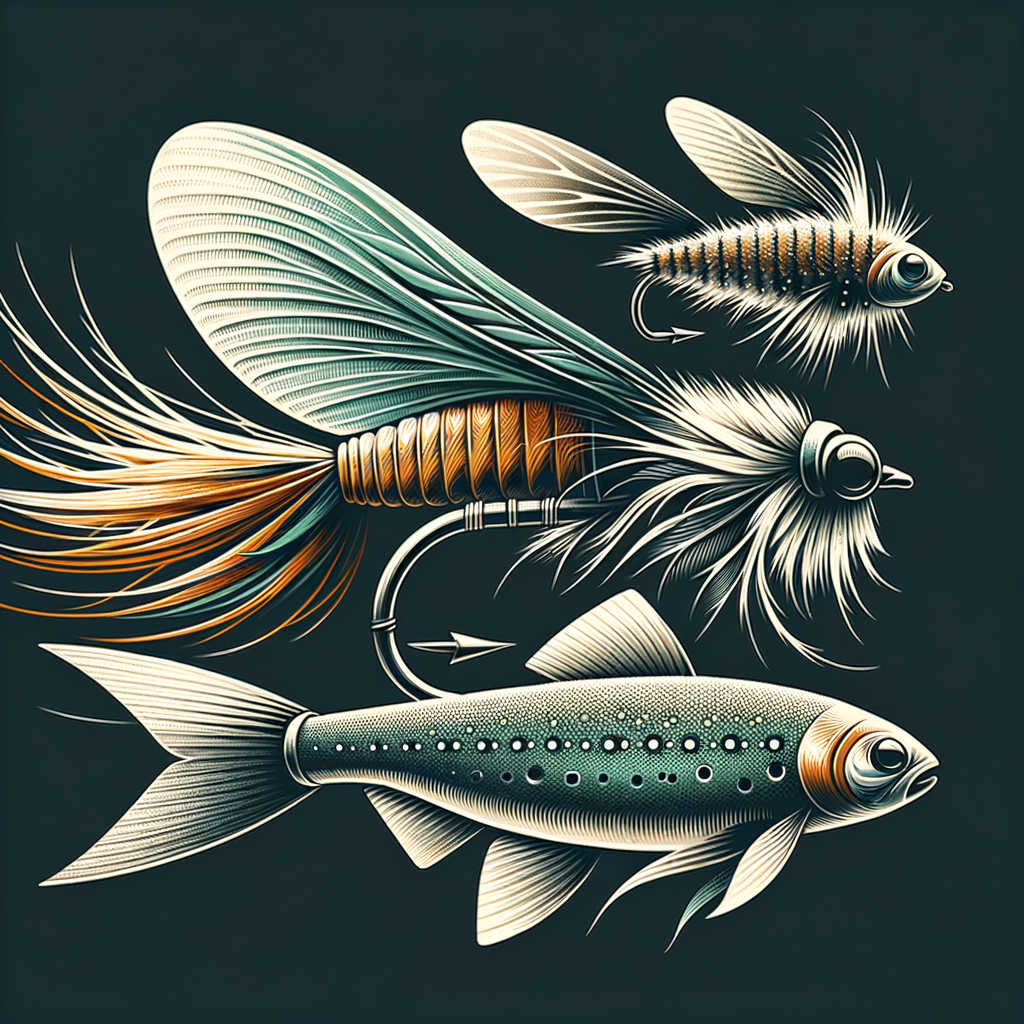
Flies designed for estuarine fishing should mimic natural prey such as shrimps, crabs, and baitfish. Clouser Minnows, for example, are effective all-rounders that work exceptionally well in estuarine settings. Additionally, you need to factor in the wind, which can make casting challenging. A weight forward line can help, as it offers better control and casting distance.
- Rod: 7-9 weight
- Flies: Clouser Minnows, Shrimp, Crabs
- Line: Weight Forward Floating/Sinking depending on conditions
Techniques for Success
Effective technique is the hallmark of successful fly fishing. In estuarine environments, anglers often employ various casting styles to adapt to both cramped shallow waters and the expansive open seas. Roll casting is beneficial in tight quarters typical in mangrove-lined streams or under dock pilings. Conversely, a sidearm cast is more appropriate when casting into open tidal flats where you need additional distance.
Learning to read the water is crucial. This means identifying likely spots where fish will congregate, such as sandbars, drop-offs, and points where different currents meet. For example, in estuaries like the Moray Firth in Scotland, understanding tidal patterns and the movement of baitfish can lead to encounters with sea trout.
Ultimately, adjusting your retrieve speed and technique according to the behavior of your target species and immediate environment can make a significant difference. For instance, a fast retrieve might mimic a fleeing baitfish, while a slow, steady retrieve can represent a shrimp or crab ambling along the estuary bed.
Dealing with Challenges
While estuarine fly fishing can be immensely rewarding, it isn’t without its challenges. Estuaries are influenced by unpredictable weather, fluctuating salinity, and variations in water clarity, all of which can affect fishing conditions. Understanding these can make the difference between a successful day out and an unfished one.
Turbid water created by tidal action can impede visibility, meaning that brightly-colored or attractant flies might become necessary to entice fish. Conversely, excessive rain or freshwater influx can temporarily push marine species out of the estuary, making fishing difficult.
To overcome these obstacles, staying informed about weather forecasts and tide tables can be helpful. Additionally, using a sonar or fish finder can be beneficial in locating fish in turbid conditions or unfamiliar waters. For instance, the Fraser River Estuary in British Columbia is renowned for its variable conditions, but informed anglers can often adjust their tactics and gear to enjoy productive fishing throughout the year.
| Challenge | Solution |
|---|---|
| Turbid Water | Use brightly-colored flies |
| Salinity Changes | Adapt fly selection based on fish location |
| Unpredictable Weather | Check forecasts, use sonar for locating fish |
Conserving Estuarine Habitats
It’s vital to remember the ecological importance of estuaries as they host a plethora of life forms and serve as critical breeding grounds. As anglers, conservation should be a top priority. Responsible fishing practices, such as catch and release, help preserve fish populations. It’s also essential to respect local wildlife and avoid disrupting their natural habitats.
Organizations such as the Estuary Conservation Network advocate for the protection of these critical ecosystems by raising awareness about pollution, climate change, and their impacts on estuarine life. Taking small steps, such as using environmentally friendly tackle and minimizing your environmental footprint, can contribute significantly to preserving these habitats for future generations.
Fly fishing can profoundly deepen your connection with nature, but with this comes the responsibility to protect and conserve. Consider participating in local conservation efforts, cleanup drives, and collaborating with native communities actively engaged in sustainable practices.
Expanding Your Fly Fishing Horizons
Fly fishing in estuaries invites anglers to explore beyond traditional freshwater habitats, offering an exciting mix of challenges, opportunities, and rewards. Embracing this method not only broadens your fishing horizons but also enriches your understanding of these dynamic environments.
An example of how diverse estuarine fly fishing can be is the Cape Cod estuaries. Anglers flock here to experience the thrill of encountering a variety of species like bluefish and striped bass. By continually adapting techniques and experimenting with different flies and equipment, you’ll find that each trip offers new learning experiences and challenges.
Estuarine fly fishing serves as a testament to the diverse opportunities the sport offers. Engaging in this influential form of fishing can teach patience, resilience, and appreciation for the natural world, creating lasting memories and moments.
Conclusion: Embrace the Adventure
Fly fishing in estuaries is an expansive, fulfilling pursuit that educates and challenges anglers of all skill levels. By understanding estuarine environments, choosing the right gear, mastering various techniques, and recognizing the importance of conservation, fly fishers can unlock the limitless potential these environments offer. As you refine these skills and gain more experience, the thrill of the catch becomes unmatched.
Remember, the joy of fly fishing in estuaries isn’t solely in the number of fish caught, but also in the immersion into a unique and lively ecosystem. Take pride in sustainable practices, and contribute to preserving these habitats for future generations. So, gather your gear, study the tides, and embark on your next estuarine fly fishing adventure. Happy fishing!
Call to Action: Plan your next fly fishing trip to a local estuary and engage with local conservation groups to learn how you can make a positive impact on preserving these critical habitats.
Frequently Asked Questions
1. What makes fly fishing in estuaries different from traditional freshwater fly fishing?
Fly fishing in estuaries presents a distinct contrast to the more conventional freshwater fly fishing found in rivers and streams. It’s an entirely different world! The rich and diverse estuarine environment arises from the blending of freshwater from rivers with saltwater from the ocean, creating a dynamic and nutrient-rich zone packed with a wide variety of fish species. Unlike traditional fly fishing, which often targets specific freshwater species like trout or bass, estuary fly anglers can expect to encounter an array of fish such as redfish, snook, striped bass, and sea trout.
Fishing in such transitional zones requires a keen understanding of tidal movements, salinity changes, and the adaptability of gear and technique. Additionally, fly anglers must also tackle challenges such as murky water and varying weather conditions, which can change rapidly due to the proximity to the coast. The unique mix of factors found in estuaries offers fly fishing enthusiasts an adrenaline-pumping and fulfilling experience as they adapt to these conditions and attempt to reel in a catch.
2. What type of gear should I use for fly fishing in estuaries?
When gearing up for fly fishing in estuaries, it’s crucial to tailor your equipment to handle the specific conditions and target species found in these environments. Unlike freshwater fly fishing, estuary fly fishing demands gear that can withstand the harsher conditions associated with mixed salt and freshwater. First off, think about getting a sturdy saltwater fly rod, typically in the 7-9 weight range, which provides the necessary backbone to cast larger flies and to bring in sizeable fish that estuaries often house. Resilient, corrosion-resistant reels built specifically for saltwater environments are essential; these double as reliable allies in dealing with saltwater’s corrosive nature.
Your fly line is another critical element. A weight-forward floating line with an intermediate sinking tip is often preferred, as it allows you to target fish both near the surface and at mid-water levels. As for flies, patterns that mimic the native baitfish and crustaceans found within the estuary attract attention from your desired catch. Finally, consider using fluorocarbon leaders and tippets because of their excellent abrasion resistance and low visibility under water. Combined, these gear choices equip you to handle the unpredictable nature of estuaries and get the most pleasure out of your fishing outing.
3. When is the best time to fly fish in estuaries?
The best timing for fly fishing in estuaries can fluctuate based on various factors, such as the specific location and seasonal patterns. A crucial aspect to consider is the tides. As a rule, anglers may find more success during incoming tides when fish potentially move into estuaries to feed in the nutrient-rich waters. Changing water levels can stir up food from the bottom, attracting various predators ready to feast.
Additionally, early morning or late evening can offer peak feeding times when fish are more active, and sunlight isn’t at its brightest. The seasonal pattern plays an extensive role. Spring and fall harvest good conditions, often seeing heightened fish activity as they move into these areas to feed or spawn. Summer and winter can also prove fruitful but may demand the angler exercise flexibility and patience as fish behavior adjusts with temperature variations. Monitoring weather patterns and speaking with local anglers can also provide valuable insights, aiding in selecting optimal times to experience the thrill of fly fishing in estuaries.
4. What are some effective techniques for fly fishing in estuaries?
Effectively fly fishing in estuaries requires understanding the unique behaviors of the fish residing in these environments and the dynamic nature of estuarine waters. One primary technique is to focus on structure, as fish will often position themselves around features like channels, oyster bars, or near a drop-off zone where they can ambush prey flushed by the tide. Knowing how to read the water and pinpointing these structural areas will often lead you to success.
Another useful technique involves short, accurate casting and ensuring your fly presentation is natural and realistic. Flies that mimic local baitfish, shrimp, or crabs have proven effective. Remember, estuaries can be murky, so sometimes a slightly more conspicuous fly pattern in vibrant colors is necessary to gain the fish’s attention. Working with the tides is essential, as timed casts with the changing water levels can place the fly in a premium position for a strike. Employing a retrieve technique where you vary the speed and pauses can also entice attention from participating fish interested in the quick darting movements.
Overall, patience and adaptability are key components when fly fishing in estuaries. A customized approach to suit the current conditions, along with good observation skills, will lead to an exciting and memorable fly-fishing venture.
5. How does one adapt to the challenges presented by estuary environments while fly fishing?
Adapting to the challenges of fly fishing in estuary environments primarily hinges on local knowledge, observation, and flexibility. Each of these elements is essential as the estuarine landscape is a frequently changing environment with tidal fluctuations, varying water quality, and unpredictable weather conditions. Starting with local knowledge, collaborating with experienced local anglers can offer invaluable insights into the hotspots, challenging conditions, and effective fly patterns in the area.
Observation is another powerful ally. Being aware of the current state of the tide, water clarity, and fish movement can allow you to adjust your approach effectively. Monitoring bird activity can be particularly useful, as diving birds often suggest the presence of baitfish, signaling potential target areas.
When it comes to flexibility, it’s all about trying new things. The ability to switch flies, alter casting techniques, or change locations can dramatically influence success rates. Additionally, maintaining a keen awareness of safety due to possible hazards like quick-rising tides or hidden mudflats is equally significant. Quick decision-making based on real-time conditions truly enables the angler to leverage all that the estuary offers and emerge with both catch and captivating stories of the day.