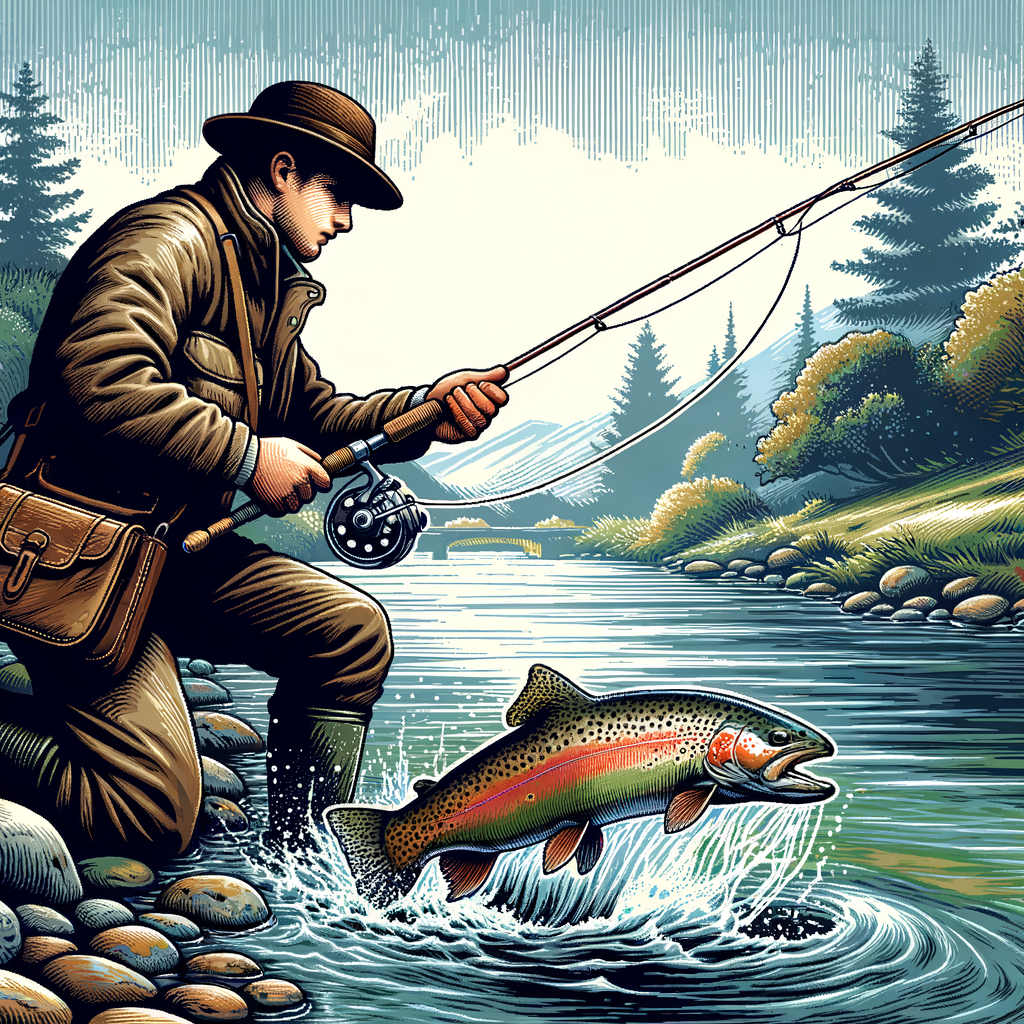
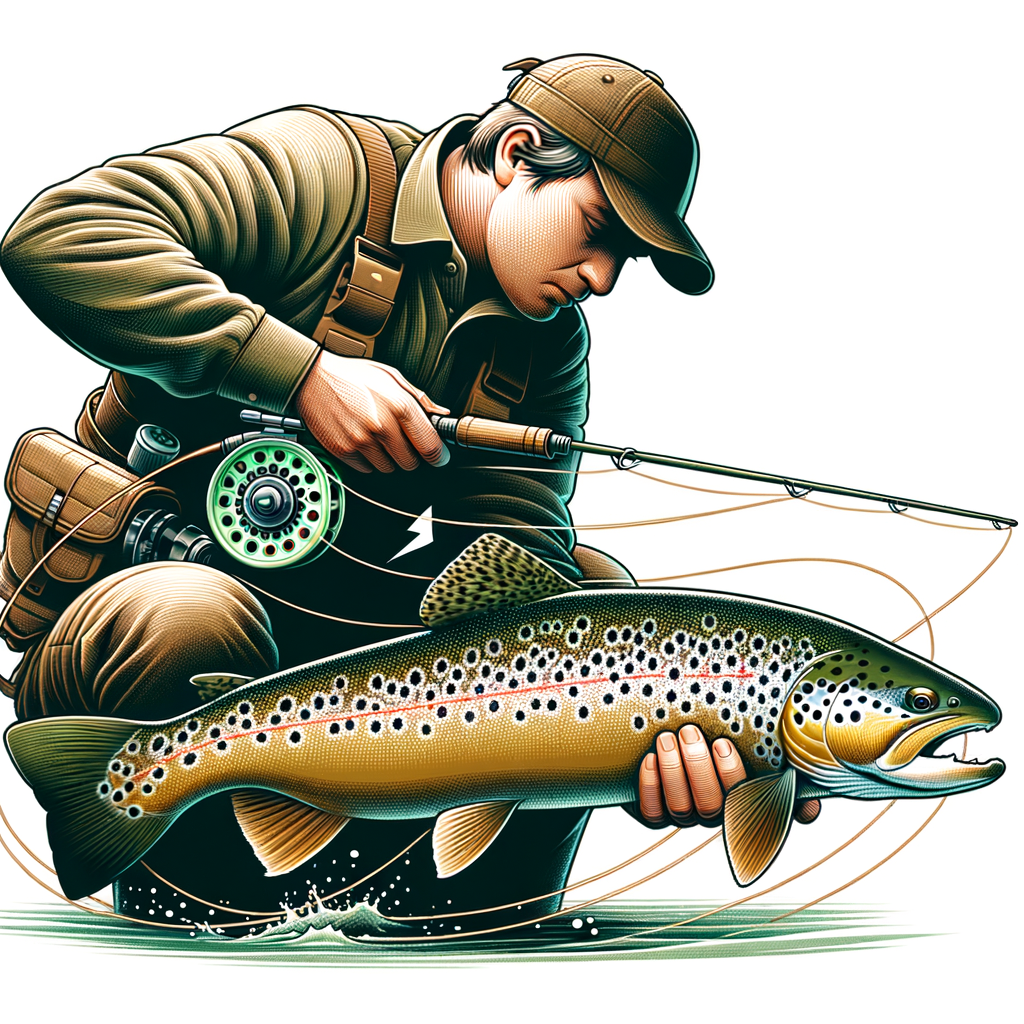
Rivers are an essential part of the earth’s ecosystem, acting as arteries that transport life-sustaining water and nutrients across vast landscapes. Understanding river ecosystems is crucial, as these intricate networks support diverse wildlife, provide essential resources for human livelihood, and offer recreational opportunities such as fly fishing. Fly fishing in rivers is more than a beloved pastime or a recreational activity; it is a gateway to appreciating and understanding the nuances of riverine ecosystems. This activity links individuals to the natural world in profound ways, teaching them about aquatic habitats, life cycles, and environmental stewardship. By engaging in fly fishing, enthusiasts gain unique insights into the complexities of river ecosystems, observing firsthand the delicate balance that sustains these environments.
Rivers present a dynamic and ever-changing environment. From the swift currents of whitewater rapids to the calm and serene sections, each part of a river offers a different challenge and opportunity for observing nature. In this exploration of river ecosystems through the lens of fly fishing, we will delve into the ecology of rivers, the techniques and skills required for successful fly fishing, and the environmental considerations necessary to protect these natural wonders. Fly fishing serves as a compelling entry point for understanding the ecological intricacies of rivers, fostering a deeper connection to nature and a commitment to preserving these vital ecosystems for future generations.
The Ecology of River Ecosystems
Rivers are complex ecosystems characterized by the presence of flowing water, which shapes the physical landscape and supports a myriad diversity of life forms. These ecosystems are typically divided into three main zones: the source or headwaters, the middle reaches, and the lower reaches. Each zone provides a unique habitat with varying ecological characteristics that influence the flora and fauna found within. Headwaters are narrow, swift, and colder sections of rivers, often originating from snowmelt or springs. These areas are usually shaded by trees, limiting the availability of sunlight and resulting in lower temperatures and higher oxygen levels, conducive to certain aquatic life forms, such as trout. The middle reaches of rivers, where tributaries converge, are wider, slower, and contain more nutrients, supporting a greater diversity of aquatic organisms, including fish and insects that are vital to the food chain. The lower reaches of rivers are characterized by slower, meandering waters, increased sediment deposition, and the presence of larger aquatic species.
Fly fishing provides a window into the biodiversity of river ecosystems. Enthusiasts who wade into rivers with fly rods in hand are not merely in search of a catch; they become students of the river, observing the interactions between various species and their environments. The health of a river is often reflected in the diversity and abundance of its inhabitants, from the fish that swim in its depths to the insects that rise from its waters. Aquatic insects, such as mayflies and caddisflies, play a critical role in river ecosystems, serving as a primary food source for fish. Fly fishers, therefore, pay close attention to the life cycles of these insects, tailoring their techniques and lure selections to mimic natural behaviors and life stages, a method known as ‘matching the hatch.’
Fly Fishing Techniques
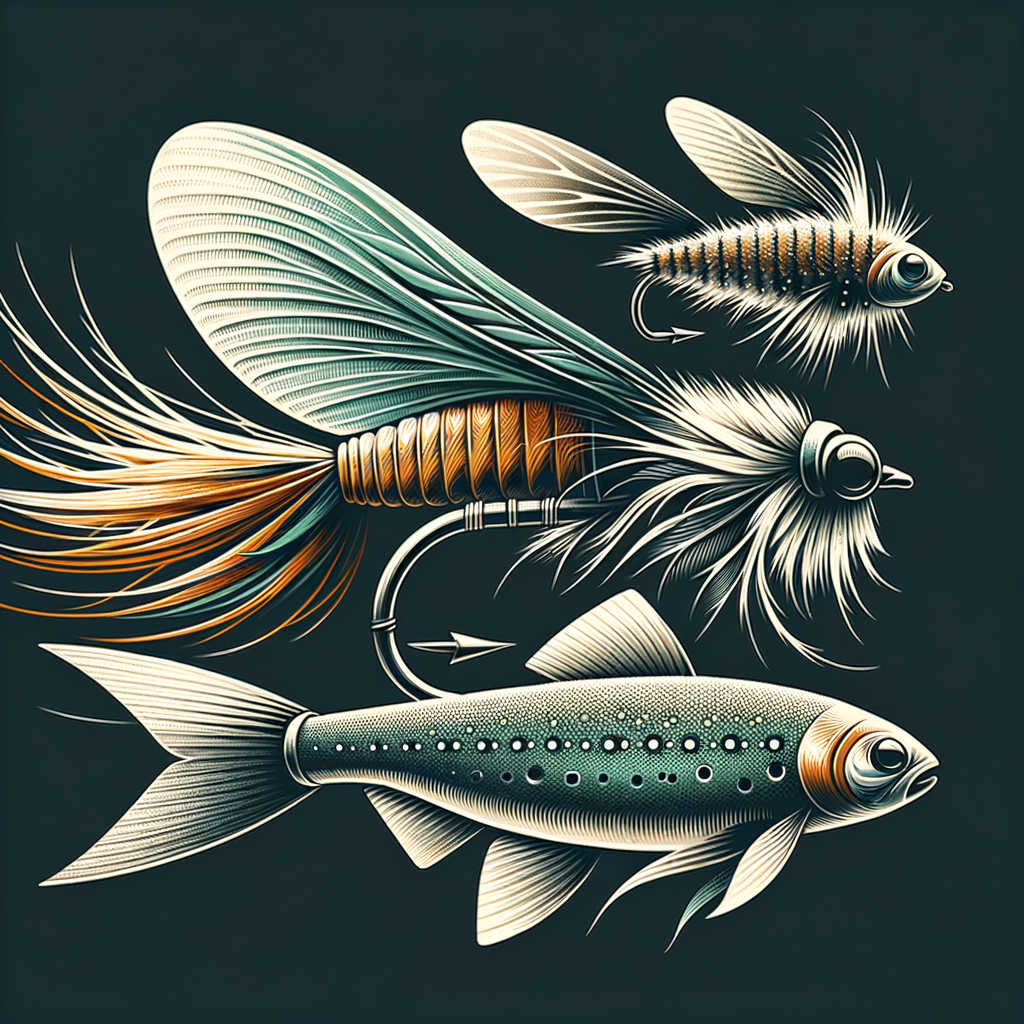
Fly fishing differs significantly from other forms of fishing. It requires specialized equipment and techniques that emphasize precision, skill, and a profound understanding of the riverine environment. One of the key elements of fly fishing is the use of artificial flies, which are crafted from natural and synthetic materials to resemble the aquatic insects favored by fish. The art of fly tying involves creating flies that mimic the appearance and movement of specific prey to lure fish. These flies vary in size, color, and material, permitting anglers to match the hatch and adapt to the unique conditions of the river they are fishing.
The technique of casting in fly fishing involves a whip-like motion that allows the almost weightless fly to be delicately placed on the water’s surface. This technique is both an art and a science, requiring practice, precision, and timing. Casting is not just about distance but also about presentation, which refers to how the fly lands on the water and drifts naturally with the current. Fishermen and women develop their casting skills by practicing different types of casts, such as the roll cast, false cast, and double haul cast, each suitable for specific fishing scenarios and river conditions.
Reading the water is another skill integral to fly fishing, involving the identification of optimal fishing spots. Anglers study water conditions such as depth, flow, and temperature to determine where fish are likely to be found. They often look for structures like rocks, logs, and eddies—areas where fish typically hide to conserve energy while waiting to ambush prey. Such knowledge is gained by careful observation and experience, allowing fly fishers to understand the unique characteristics of each river.
Environmental Considerations and Conservation
Responsible fly fishing is grounded in the principles of conservation and environmental stewardship. As participants in river ecosystems, anglers bear a responsibility to protect and preserve these habitats for future generations. Overfishing, pollution, and habitat destruction present significant threats to river ecosystems worldwide. Fly fishers are often among the first to notice changes in river health, serving as advocates for conservation efforts aimed at mitigating human impact and restoring damaged ecosystems.
Catch and release is a widely practiced conservation technique that involves returning captured fish to the water unharmed, preserving fish populations and promoting biodiversity within rivers. This method reduces the pressure on fish populations and supports the sustainability of river ecosystems. Fly fishers are also encouraged to use barbless hooks, which minimize injury to fish, ensuring they remain healthy and viable after release.
Additionally, conservation groups and fly fishing communities work together to engage in habitat restoration projects, advocating for cleaner rivers and the removal of pollution and invasive species. These efforts help maintain the balance of river ecosystems, ensuring that both fish populations and the broader aquatic environment remain healthy and resilient. Educational initiatives within these communities further promote awareness of environmental issues, encouraging individuals to adopt sustainable practices and respect natural habitats.
Conclusion
Understanding river ecosystems through the prism of fly fishing offers a comprehensive appreciation of the beauty, complexity, and fragility of aquatic environments. Fly fishing is more than a leisure activity; it is a conduit for developing a deeper connection to nature and a catalyst for environmental stewardship. As fly fishers engage with rivers, they become more attuned to the ebb and flow of life within these ecosystems, observing the interplay of weather, water conditions, and wildlife. This awareness leads to a greater appreciation of the natural world’s intricacies and the challenges faced by river ecosystems in today’s changing environment.
The knowledge gained from fly fishing transcends the act itself, cultivating advocates for river preservation and sustainability. By understanding the delicate balance of life within river ecosystems, individuals are inspired to contribute to conservation efforts, ensuring the vitality of these natural wonders for future generations. Fly fishing serves as a reminder of our connection to the earth and the responsibility we share to protect and preserve its diverse and intricate habitats. In embracing this role, we contribute to a legacy of environmental stewardship, fostering a world where rivers continue to thrive as vital ecosystems for all species involved.
Frequently Asked Questions
1. What are the key components of a river ecosystem?
Rivers are dynamic systems that feature a mix of biotic and abiotic components intertwined in a delicately balanced web of life. First and foremost, the water itself is the lifeline of the system, providing habitat and transportation for a myriad of organisms. The riverbed and banks, composed of sediment and rocks, host diverse plant life which in turn supports aquatic and terrestrial critters. Within rivers, you’ll find microorganisms such as algae and diatoms that are crucial producers in the food web, converting sunlight into energy. Diverse fauna, including fish, invertebrates, amphibians, and birds, play integral roles in maintaining ecological balance.
On a larger scale, river ecosystems are shaped by various physical factors like water flow, temperature, and nutrient levels, all of which fluctuate with seasonal changes. Human activities also influence these ecosystems, with agriculture, urbanization, and pollution posing challenges. Rivers serve as wildlife corridors and connective pathways, promoting genetic diversity by enabling species mobility across vast distances. Understanding these components in detail helps identify the intricate network of interactions that sustain life within and around river ecosystems.
2. Why is understanding river ecosystems important for fly fishing enthusiasts?
For fly fishing enthusiasts, understanding river ecosystems is crucial because it profoundly influences their fishing success and environmental stewardship. Fly fishing requires more than casting out a line; it’s about immersing oneself in the water’s intricacies and observing the rhythms of nature. By comprehending the ecosystem, anglers can develop a better understanding of fish behavior. Knowing which insects hatch when, and how they disperse along the river, equips anglers with the knowledge to select the right fly and technique, increasing their chance of a successful catch.
Additionally, understanding river ecosystems fosters environmental stewardship among fly fishers. Seeing firsthand the effects of pollution, habitat destruction, or invasive species motivates many anglers to advocate for conservation efforts. Engaging with river ecosystems helps anglers appreciate the importance of clean water, healthy habitats, and responsible fishing practices. This intrinsic understanding creates a powerful connection between the angler and the ecosystem, fostering a deep respect and desire to safeguard these vital waterways for future generations.
3. What role do rivers play in the broader ecosystem?
Rivers play a critical role in broader ecosystems by acting as vital connectors and carriers of biodiversity. They serve as conduits that transport nutrients, sediment, and organisms across landscapes, influencing both terrestrial and aquatic environments. Riparian zones, the areas adjacent to rivers, thrive with diverse plant and animal life, creating habitats that boast high biodiversity. These zones act as buffer areas that filter pollutants, reduce erosion, and stabilize banks, thus enhancing the health and stability of the entire ecosystem.
Moreover, rivers support numerous ecological services, from providing fresh water for drinking, agriculture, and industry, to supporting fisheries and recreation. During their course, rivers also deposit fertile soil in floodplains, sustaining rich and productive agricultural land. The connectivity offered by rivers fosters genetic exchange among populations, assisting in species adaptation and survival amidst changing environmental conditions. Thus, rivers are indispensable threads in the tapestry of ecosystems, weaving together natural and human communities in a myriad of ways.
4. How does fly fishing benefit river ecosystems?
Fly fishing can be beneficial to river ecosystems by promoting conservation awareness, sustainable practices, and habitat preservation. Fly anglers often advocate for the protection of rivers and their surrounding environments, recognizing the need to maintain healthy fish populations and habitats. Fly fishing fosters a connection to nature, encouraging anglers to participate in conservation efforts like river clean-ups, habitat restoration projects, and citizen science initiatives that monitor water quality and fish populations.
Additionally, fly fishing promotes catch-and-release practices, which help maintain robust fish populations and biodiversity in rivers. By carefully handling fish and releasing them back into the water, anglers contribute to sustainable fishing practices that minimize impacts on ecosystems. The gear used in fly fishing, such as barbless hooks, reduces harm to fish, ensuring that released fish have a better chance of survival and reproduction. Through promoting best practices and fostering a culture of stewardship, fly fishing can play a significant role in preserving river ecosystems for future enjoyment and biodiversity conservation.
5. What are some tips for fly fishing beginners to better understand river ecosystems?
For those new to fly fishing, getting to know river ecosystems can significantly enhance their fishing experience and enjoyment. First, spend time observing the river before casting a line. Watch for the movement of fish, the patterns of insects, and the flow of water. Understanding these elements is key to selecting the right fly and determining the best fishing locations.
Learning to identify aquatic insects, such as mayflies, caddisflies, and stoneflies, and understanding their life cycles and seasonal hatches can greatly improve your fly-fishing strategy. Knowing when certain insects are present helps you choose the most effective fly patterns and mimic natural food sources for fish. Additionally, understanding how weather and water conditions, like temperature and clarity, affect fish behavior can lead to more informed decisions about when and where to fish.
Joining a local fly fishing club or conservation group can provide beginners with valuable resources and mentorship. These communities often host workshops, conservation activities, and river outings in which new anglers can learn from experienced fishers while giving back to the ecosystems they cherish. Lastly, consistently practicing catch-and-release and adhering to local fishing regulations ensures the sustainability and health of river ecosystems, allowing future generations to partake in the rewarding pastime of fly fishing.