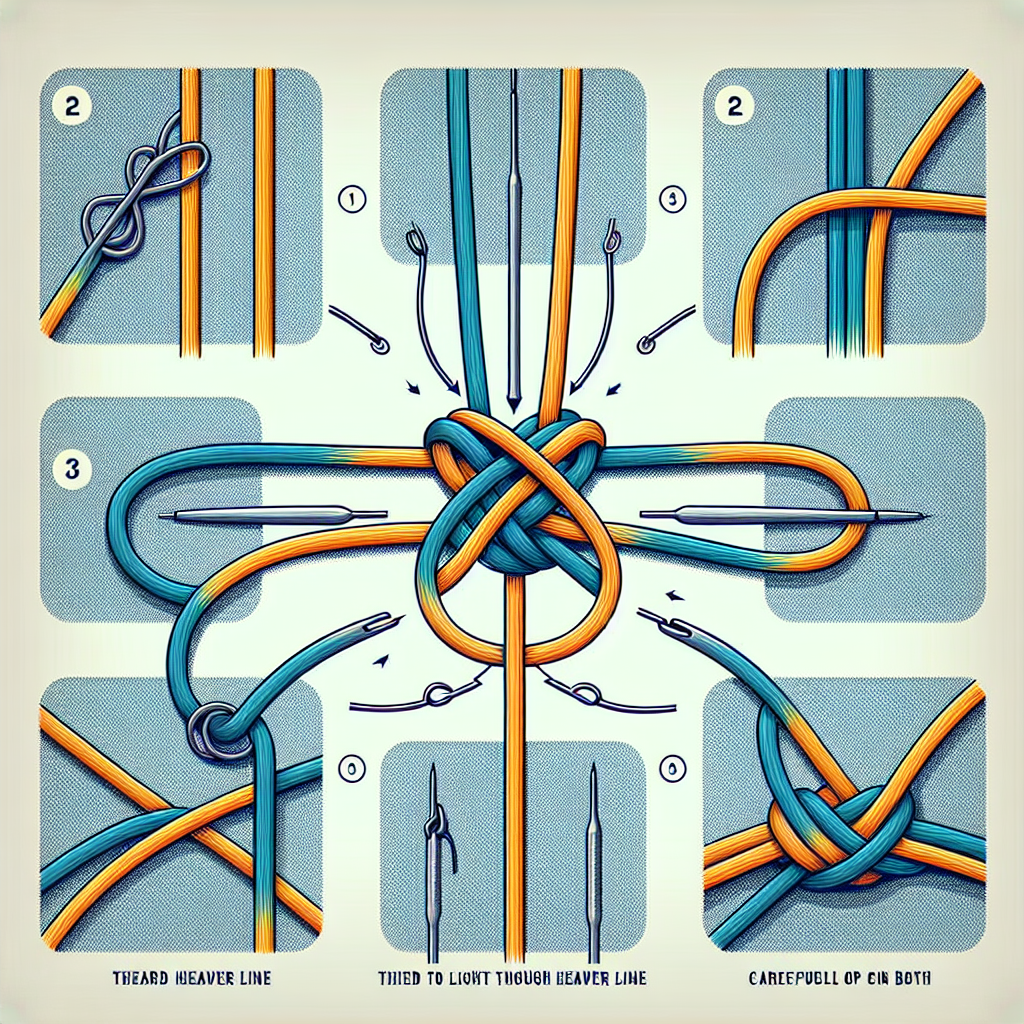
Fly fishing can be one of the most rewarding outdoor activities, requiring skill, patience, and precision. A crucial aspect of this sport is understanding and mastering various knots that ensure your setup is reliable and efficient. One of the most versatile and essential knots in a fly angler’s repertoire is the Albright Knot.
Introduction
The Albright Knot is highly regarded for its strength and versatility. It’s especially useful for connecting two lines of different diameters or materials, making it ideal for attaching fly lines to backing lines or leaders. Its ability to provide a strong and secure connection while maintaining a compact profile has made it a favorite among both novice and professional anglers.
In the world of fly fishing, your knots must be reliable. The connection between your fly line and backing line or leader must withstand significant tension and varied conditions. This is where the Albright Knot shines, offering an incredibly strong link that can handle the challenges posed by battling a stubborn fish or the wear and tear from various fishing environments.
As a beginner, the Albright Knot might seem a bit daunting due to its somewhat intricate process. However, with some practice and patience, it becomes intuitive and easy to execute. Throughout this detailed guide, we’ll cover everything you need to know about the Albright Knot—from its applications and advantages to a step-by-step guide on how to tie it perfectly. Let’s get started!
When to Use the Albright Knot
The first step in mastering the Albright Knot is understanding when and why to use it. Typically, this knot is used whenever you need to connect lines of different diameters or materials. Some common scenarios include:
- Connecting Fly Line to Backing: When fly fishing, you’ll often use backing line to provide additional length and support. The Albright Knot is excellent for creating a secure connection between your fly line and the backing line.
- Connecting Leader to Fly Line: If you’re using a thick fly line and a thinner leader, the Albright Knot gives you a reliable way to connect these two different line types without compromising the strength of the connection.
- Saltwater Fly Fishing: The Albright Knot is also popular in saltwater fly fishing where the conditions and the fight with fish can be tougher. Its ability to hold strong under pressure and in harsh environments makes it a preferred choice.
Understanding these key applications can help you determine when the Albright Knot is your go-to option. With the assurance that this knot won’t let you down, you can focus on casting and enjoying the fishing experience.
Advantages of the Albright Knot
While there are numerous knots available in the angler’s toolkit, the Albright Knot stands out due to several distinct advantages:
- Strength: The Albright Knot is known for its impressive strength, providing a secure connection that can withstand significant tension.
- Versatility: It works well with lines of different diameters and materials, making it suitable for various fishing setups.
- Compactness: Despite its strength, the Albright Knot maintains a relatively small and sleek profile, ensuring it doesn’t snag on guides or catch in the water.
- Flexibility: This knot performs well under many conditions, from freshwater streams to saltwater flats, proving its reliability in diverse environments.
- Ease of Learning: With a bit of practice, the Albright Knot becomes easy to tie, even for beginners.
These advantages collectively make the Albright Knot a must-know for any fly fisherman looking to enhance their knot-tying skills and overall effectiveness on the water.

Step-by-Step Guide to Tying the Albright Knot
Knowing the benefits of the Albright Knot is one thing, but mastering it requires hands-on practice. Follow these steps to tie the Albright Knot successfully:
- Form a loop: Take the line that you’ll be tying to (the thicker line, often the fly line) and form a loop about 10 inches long.
- Insert the thinner line: Pass the thinner line (such as backing or leader) through the loop, ensuring it extends about six inches through the loop.
- Wrap the thinner line: Wrap the thinner line back over itself and both strands of the loop. Make 10-12 wraps, moving toward the loop’s base.
- Pass the tag end through the loop: After completing your wraps, pass the tag end of the thinner line back through the loop, exiting in the same direction it entered.
- Moisten and tighten: Moisten the knot with water or saliva and pull both ends of the thinner line to start tightening the wraps. Ensure the wraps are even and properly aligned.
- Tighten the loop: Next, pull the ends of the thicker loop to compress the wraps. Make sure the knot is snug and well-seated.
- Trim the excess: Once the knot is tight, trim the excess ends of both lines, leaving a small tag to avoid slippage.
Practice this process several times to get comfortable with it. A well-tied Albright Knot will enhance your confidence and capability on the water, ensuring your connections are solid and reliable.
Tips for Mastering the Albright Knot
Even though practice makes perfect, these additional tips can help you refine your Albright Knot and ensure it’s tied correctly every time:
- Material matters: Different materials can affect how you tie and tighten the knot. Monofilament, fluorocarbon, and braided lines all have unique characteristics. Practice with each to understand their nuances.
- Proper tension: Ensure that the wraps are consistent and under proper tension as you tie the knot. Uneven wraps can weaken the connection.
- Moisten the knot: Always moisten the knot before tightening to reduce friction and ensure a snug fit. This prevents unnecessary wear on the lines.
- Trim carefully: After tightening, trimming the excess line carefully will avoid unnecessary snags and ensure a clean profile.
- Maintenance: Periodically check your knots, especially after catching a fish or getting snagged. Re-tie if necessary to maintain strength.
These tips, combined with regular practice, will help you master the Albright Knot, making it a reliable part of your fly fishing arsenal.
Common Mistakes to Avoid
While the Albright Knot is relatively straightforward with some practice, there are common mistakes that anglers should be mindful of to ensure a strong and reliable knot:
- Improper wrap count: Not wrapping the thinner line enough times can compromise the knot’s strength. Aim for 10-12 wraps for optimal security.
- Loose wraps: Ensure that the wraps are tight and even. Loose wraps can lead to slippage or a weakened knot.
- Incorrect loop entry/exit: The tag end of the thinner line should pass back through the loop in the same direction it entered. This ensures proper tightening and security.
- Rushing the process: Take your time to tie the knot carefully. Rushing can lead to mistakes, compromising the knot’s integrity.
- Neglecting lubrication: Failing to moisten the knot can cause friction, weakening the line and knot.
Avoiding these common mistakes will help you tie a stronger and more reliable Albright Knot, enhancing your overall fly fishing experience.
Conclusion
The Albright Knot is an indispensable tool for any fly fisherman. Its versatility, strength, and ease of execution make it a valuable addition to your knot-tying skills. Whether you’re connecting your fly line to backing or attaching a leader, the Albright Knot offers a reliable solution that withstands the demands of various fishing environments.
By understanding its applications, advantages, and the proper way to tie it, you can ensure your fishing setup is secure and ready for action. Remember to practice regularly, pay attention to detail, and avoid common mistakes to perfect your Albright Knot.
Fly fishing is an art that combines skill, patience, and a connection to the natural world. The Albright Knot is a small yet significant part of this art, enabling you to enjoy the sport with confidence and efficiency. So, head out to your favorite fishing spot, tie that Albright Knot, and may you have a successful and enjoyable fly fishing adventure!