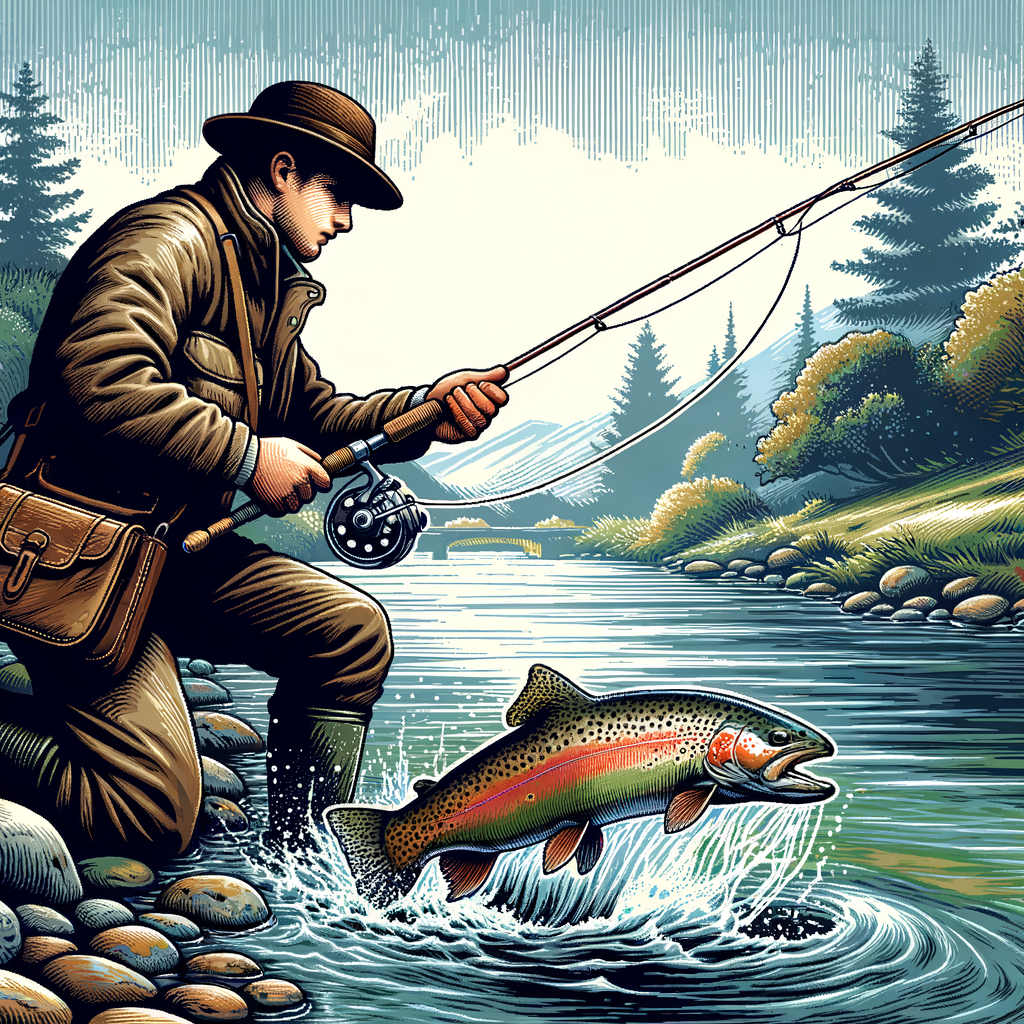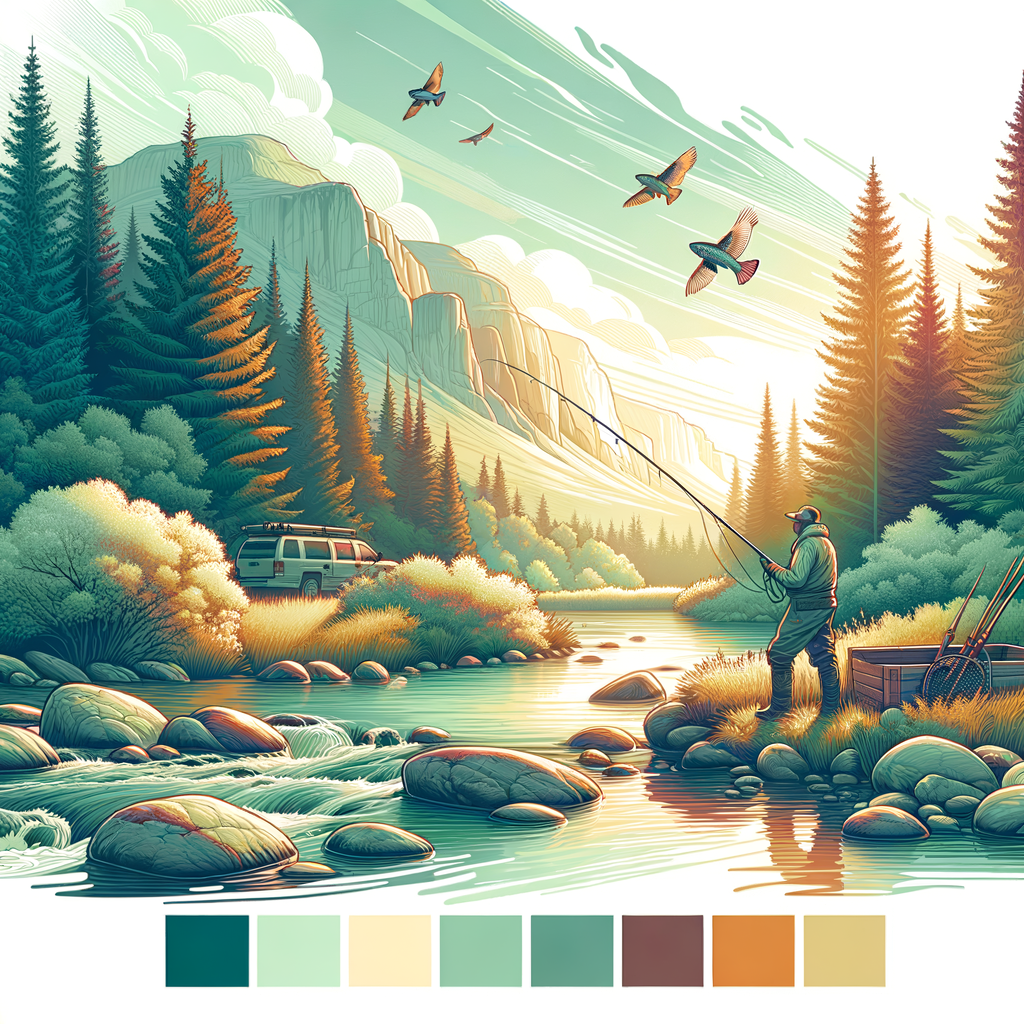
Fly fishing in Wyoming rewards anglers who prepare for fast weather shifts, selective trout, and waters that range from intimate meadow creeks to legendary blue-ribbon rivers. In practical terms, fly fishing means presenting an artificial fly with a weighted line rather than a heavy lure, while strategy covers where, when, and how you fish, and gear includes the rods, reels, lines, leaders, clothing, and safety equipment that make those decisions work. Wyoming matters because it combines iconic fisheries such as the North Platte, Snake, Green, Bighorn, and Yellowstone systems with high-elevation lakes, sprawling public land, and insect hatches that can turn an average day into a memorable one. I have fished Wyoming in bright July wind, cold September mornings, and runoff-heavy early summer, and the same lesson returns every season: success comes from matching local conditions, not forcing a favorite method. Anglers who understand Wyoming’s currents, access rules, weather, and trout behavior consistently catch more fish and do it more safely.
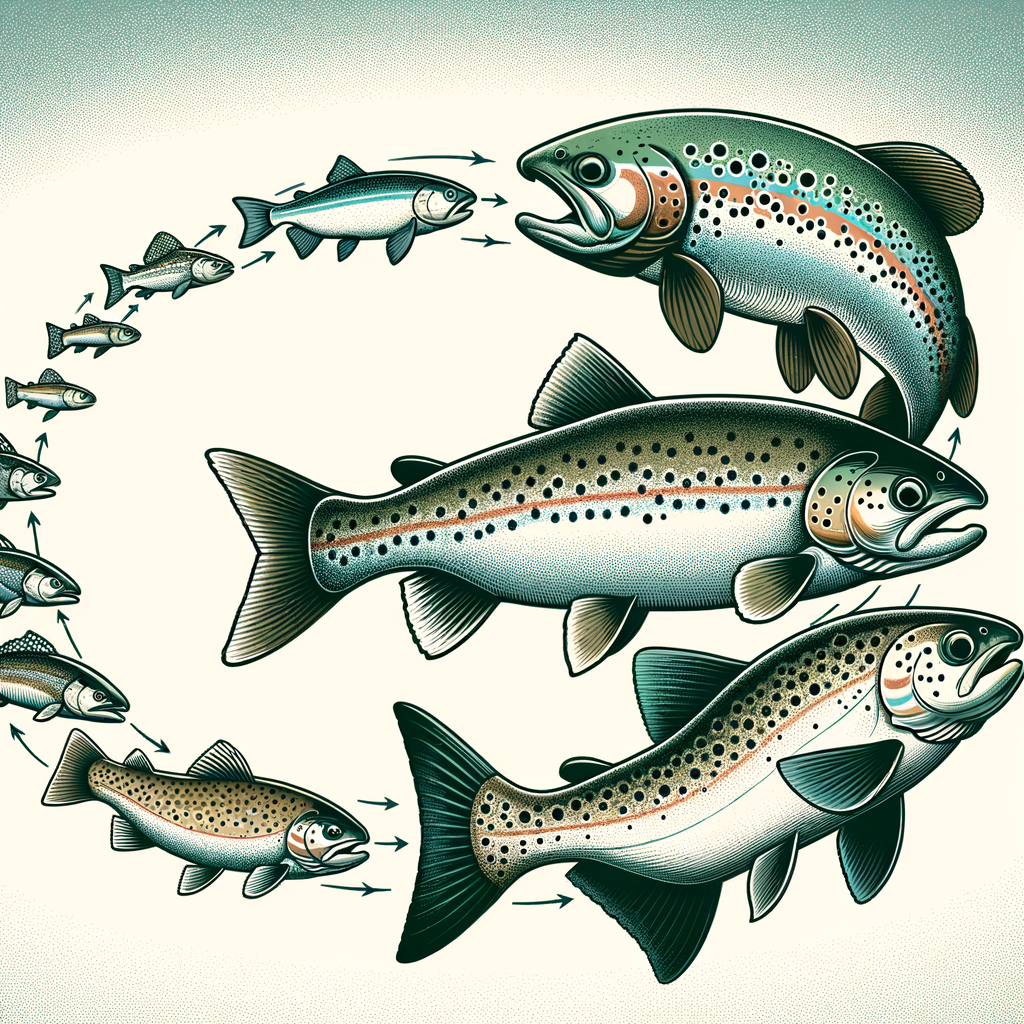
Most Wyoming fly fishing revolves around trout species, especially rainbow, brown, cutthroat, and brook trout, though mountain whitefish are common in several rivers and deserve respect as willing, healthy indicators of productive water. The state’s appeal is not only quantity of water but variety of challenges. Tailwaters below dams often provide stable temperatures and long feeding windows. Freestone rivers rise and fall with snowmelt, requiring timing and flexibility. Spring creeks demand long leaders, fine tippets, and precise drifts. Alpine lakes reward anglers willing to hike, watch wind lanes, and fish leeches, chironomids, and terrestrials. Regulations can also vary by drainage, season, and fishery classification, so checking current Wyoming Game and Fish rules is not optional. If you want a clear answer to the question, “How do you fly fish Wyoming effectively?” the short version is this: choose the right water for the season, build a versatile trout outfit, fish the food available, and let conditions dictate your approach rather than your assumptions.
Choose water based on season, flow, and trout behavior
The best Wyoming strategy starts before you tie on a fly. Water type determines everything from fish location to fly size. During spring runoff, many freestones become high, cold, and difficult to wade, so tailwaters and lower-elevation rivers usually offer the most consistent fishing. The Bighorn below Yellowtail Dam, although commonly associated with Montana access, exemplifies stable tailwater principles that apply across the region: controlled flows, dense insect life, and trout that feed predictably when presentations are clean. In Wyoming proper, the North Platte near Saratoga and Alcova can fish well through changing conditions because dam management moderates extremes. By contrast, a freestone like the Snake in Grand Teton country may fish brilliantly before runoff, then turn challenging until flows drop and clarity returns.
Summer opens the broadest menu. Once runoff recedes, riffles, seams, undercut banks, and pocket water all come alive. Early in the day, trout often hold where oxygen and security intersect, especially near depth changes. By midday, hatches can pull fish into softer lanes, slicks, and foam lines. On windy afternoons, which are common in Wyoming, terrestrial fishing improves dramatically. I plan entire August days around hopper water on grassy banks because one good wind event can put hundreds of calories on the river. Fall shifts the pattern again. Browns become aggressive ahead of spawning, streamer fishing improves, and lower light extends productive hours. Winter narrows options but can be excellent on tailwaters with midge and small baetis activity.
Current speed matters as much as the calendar. Trout hold where they can conserve energy while intercepting food, which usually means softer water adjacent to faster current. In practical reading-water terms, look for the inside edge of riffles, the downstream side of boulders, the cushion in front of structure, and drop-offs beside weed beds. In meadow streams and spring creeks, subtle depth differences matter more than obvious structure. In canyon rivers, obvious current breaks often hold fish, but getting a drag-free drift is harder. If you are asking, “Where do trout sit in Wyoming rivers?” the answer is simple: where current delivers food without forcing the fish to burn unnecessary energy.
Match flies to Wyoming hatches and opportunistic feeding
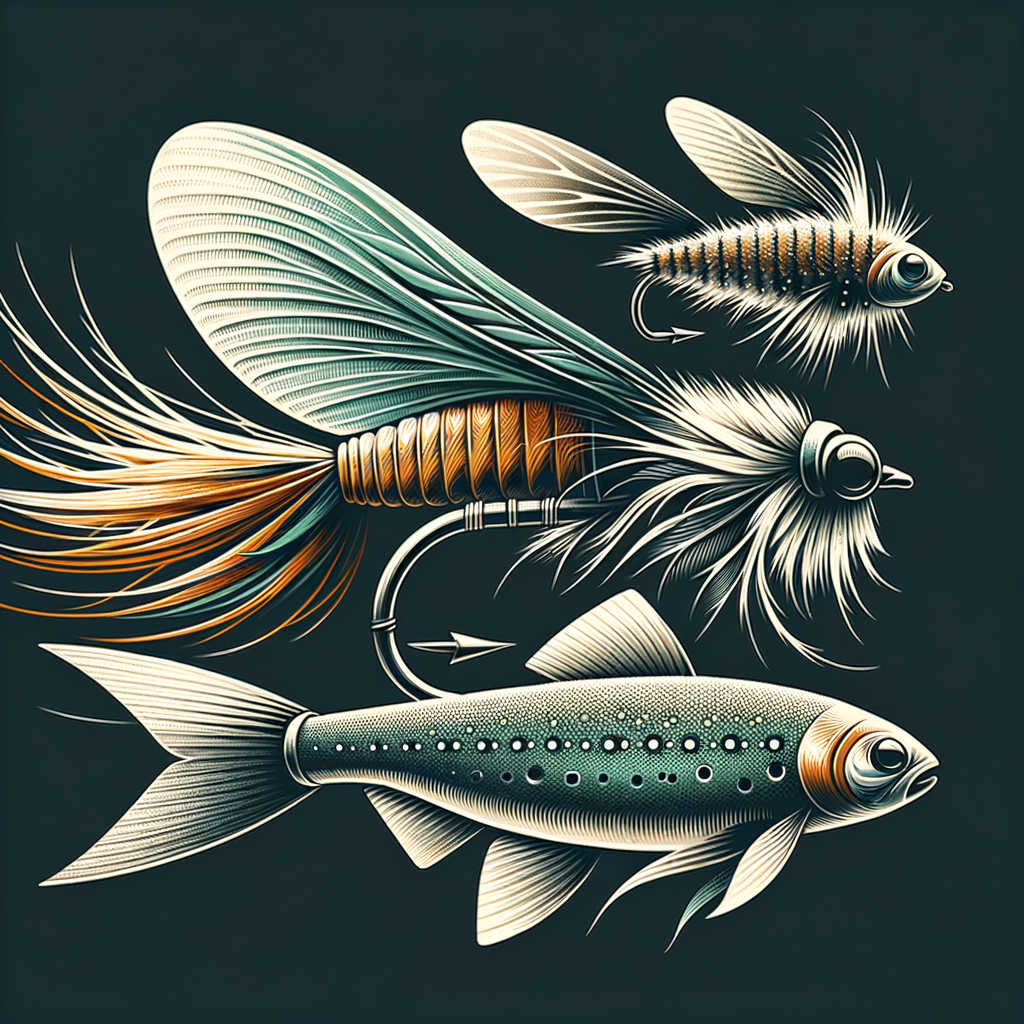
Wyoming trout eat available food, not romantic ideas about dry-fly purity, so an effective fly box balances realism and utility. Core food categories include mayflies, caddis, stoneflies, midges, scuds in some tailwaters, worms after flow changes, and terrestrials such as hoppers, ants, and beetles. On many rivers, a two-fly nymph rig remains the highest-percentage setup for numbers because it covers subsurface feeding, which is where trout spend most of their time. A larger attractor or stonefly imitation paired with a smaller mayfly nymph, midge, or caddis pupa is a dependable starting point. Sizes matter. Early-season stonefly nymphs may run size 6 to 10, while summer baetis or midge patterns may drop to 18 to 22.
Dry-fly fishing is often at its best when anglers stop treating every rise as identical. Splashy rises usually indicate caddis, emergers, or fish chasing moving insects. Gentle sips in slick water often point to mayflies or midges. If trout refuse a well-presented dry, I first adjust stage before size, switching from an adult to an emerger or cripple because selective fish frequently key on vulnerable insects trapped in the film. During late summer, few patterns are more important than foam hoppers in tan, yellow, pink, or olive. Wyoming’s grasslands and steady wind make terrestrial falls a genuine food source, not a tourist cliché.
Streamers deserve a permanent place in your Wyoming plan, especially in fall, high water, and low-light windows. Brown trout in particular react to movement, profile, and intrusion. That does not mean every river needs oversized articulated flies on sinking heads. In clearer water, smaller baitfish, leech, or sculpin patterns often outfish giant offerings because trout inspect more carefully. Retrieve speed should reflect water temperature and fish mood. Cold water generally rewards slower strips and more pauses. Slightly stained flows can justify darker colors such as black or olive for silhouette, while bright conditions often favor natural tones with a touch of flash.
| Condition | Best starting tactic | Useful fly types | Typical sizes |
|---|---|---|---|
| Spring runoff or off-color water | Nymph deep near banks and seams | Stonefly nymphs, worms, perdigons, eggs where legal | 6-14 |
| Post-runoff summer mornings | Dry-dropper in riffles and banks | Chubby-style attractors, pheasant tails, caddis pupae | 10-18 |
| Windy late summer afternoons | Target grassy banks and cutbanks | Hoppers, ants, beetles, small droppers | 8-18 |
| Fall low light | Cover structure with streamers | Sculpins, leeches, baitfish patterns | 4-10 |
| Winter tailwater afternoons | Fine-tippet nymphing in slow runs | Midges, baetis nymphs, small worms | 18-24 |
Build a practical Wyoming fly fishing gear system
If you want one outfit for most Wyoming trout fishing, a 9-foot 5-weight rod is the default answer because it casts dries, nymphs, and light streamers competently on rivers from moderate freestones to technical flats. I have carried 4-weights and 6-weights plenty of days, but the 5-weight remains the most flexible tool for anglers who do not want a crowded quiver. A fast-action rod helps in Wyoming wind, though extremely stiff rods can punish close-range accuracy and light tippets in technical water. Pair it with a large-arbor reel with a smooth drag. Trout are not tarpon, but strong drag matters on big rivers when large rainbows or browns use current effectively.
Line choice should be deliberate. A weight-forward floating line covers the majority of situations and is the correct first purchase. For heavy streamer fishing, add a sink-tip or integrated sinking line, especially on larger rivers where depth control matters. Leaders and tippet determine presentation more often than anglers admit. For dry flies and technical nymphing, 9-foot leaders tapered to 4X or 5X are common, with 6X useful on spring creeks and selective tailwater fish. For hoppers, stoneflies, and streamers, 2X or 3X improves turnover and abrasion resistance. Fluorocarbon sinks and resists abrasion, making it useful for nymphs and streamers, while nylon often turns over dries better and floats more naturally.
Waders and boots are not afterthoughts in Wyoming. Water temperatures stay cold, weather changes quickly, and river bottoms can be slick or uneven. Breathable chest waders provide the broadest seasonal range. Boots must match the terrain and current regulations. Rubber soles are now standard in many places, but studs can dramatically improve traction on slimy rocks if allowed. Carry layers even in summer: a lightweight rain shell, insulating midlayer, sun gloves, buff, and brimmed hat. At elevation, ultraviolet exposure is intense, and afternoon storms can build quickly. Polarized glasses are essential gear, not luxury, because they protect your eyes and reveal depth changes, current seams, and following fish.
Do not ignore safety and fish-care equipment. A wading staff reduces risk in pushy current. A thermometer helps determine whether afternoon water temperatures are becoming unsafe for trout; many anglers voluntarily stop targeting trout when temperatures approach the upper sixties Fahrenheit because warm water raises post-release stress. Use a rubberized landing net, crimp barbs when practical, and keep fish in the water during release. Those habits protect the fishery that makes Wyoming special.
Use presentations that solve common Wyoming problems
Presentation is where many good plans fail. Wyoming’s combination of variable current, clear water, and wind exposes sloppy drifts immediately. For nymphing, depth and drift control matter more than fly changes during the first thirty minutes on a new run. Add split shot or a heavier fly until you occasionally touch bottom, then adjust from there. Whether you prefer an indicator rig, tight-line approach, or dry-dropper, the objective is the same: put the flies at the trout’s level and maintain natural speed. On broad tailouts, an upstream mend followed by controlled slack often buys the extra second that turns a follow into an eat.
Dry-fly anglers should think in feeding lanes, not just individual risers. If several trout are working, identify the lane delivering insects and place the fly above the nearest fish without lining the others. Reach casts, pile casts, and aerial mends are especially useful on Wyoming rivers where multiple current speeds create instant drag. In hopper fishing, the eat often comes tight to the bank, under overhanging grass, or beside cutbanks. I aim close enough to risk occasional hangs because timid casts leave fish untouched. For streamers, vary angle before changing pattern. Quartering downstream can keep the fly in the strike zone longer, while a broadside swing across a shelf may trigger territorial fish.
Boat and wade fishing require different discipline. From a drift boat, you cover more water and gain casting angles unavailable on foot, but shots are brief and line management must be clean. Wading offers precision and patience, though it limits access and can reduce stealth if you move carelessly. On both platforms, observe first. Wyoming trout often reveal the right tactic through rise forms, insect activity, or where fish flash under the surface. The anglers who catch consistently are rarely the ones changing flies every two minutes; they are the ones reading clues and making controlled adjustments.
Plan access, ethics, and trip logistics like a local
Wyoming’s public access is excellent in many areas, but legal access still requires attention. Navigability, streambed ownership, walk-in areas, and easements can create confusion, so verify access points before your trip and respect posted land. Hiring a local guide for one day can shorten the learning curve dramatically, especially on complex systems such as the North Platte or technical spring creeks. A good guide does more than row the boat; they explain seasonal timing, local insect priorities, productive holding water, and safe wading lines you would otherwise learn through mistakes.
Weather and distance shape logistics. Wyoming is large, services can be far apart, and cell coverage disappears quickly outside towns. Carry extra water, fuel, food, and a basic first-aid kit. Afternoon thunderstorms, wind, and cold snaps can alter both travel and fishing plans within hours. If you are linking fisheries over several days, build flexibility into the schedule. I often keep one backup option that fishes better in wind and one that stays clearer after rain. That simple planning habit saves trips. For more regional planning, connect this topic with river-specific hatch calendars, trout water temperature guidance, and knot selection resources on your own site, because those supporting pages strengthen both preparation and internal topical authority.
Wyoming fly fishing is best when strategy and gear serve the conditions instead of your ego. Pick waters that match the season and flow, carry a balanced trout setup anchored by a 5-weight and floating line, and let insects, temperature, wind, and trout position dictate your flies and presentations. Fish deeper before changing everything, cast closer to structure than feels comfortable, and treat access, weather, and fish handling as central parts of the sport rather than side notes. The payoff is not just more trout. It is confidence across rivers, seasons, and water types. Study current regulations, check flows and forecasts, organize your boxes by season, and head to Wyoming with a plan that can adapt by the hour.
Frequently Asked Questions
What makes fly fishing in Wyoming different from fishing in other Western states?
Wyoming stands out because it offers an unusual mix of famous big rivers, technical spring creeks, alpine lakes, freestone streams, and small meadow waters, often within the same region. That variety changes how anglers need to think about strategy and gear. On one day, you may be casting larger dry flies and nymph rigs on a broad blue-ribbon river with strong current and wind; on the next, you may be stalking selective trout in clear, slow-moving water where long leaders, precise casts, and subtle presentations matter far more than distance. Wyoming also adds environmental factors that strongly influence success, including rapid weather shifts, cold water, afternoon wind, high-elevation sun exposure, and seasonal runoff that can dramatically alter river clarity and flow.
Another key difference is how quickly conditions can swing from ideal to difficult. A calm morning can turn into a windy afternoon, and a productive hatch can shut down just as fast as it starts. That means successful anglers in Wyoming usually build flexibility into their approach. Instead of relying on one technique, they carry multiple fly patterns, leader sizes, line setups, and layering options so they can adapt as fish behavior changes. In practical terms, Wyoming rewards preparation more than routine. Anglers who pay attention to weather, water type, trout feeding behavior, and access conditions usually do far better than those who arrive with a single fixed plan.
What fly fishing gear should I bring for a typical Wyoming trout trip?
A solid all-around Wyoming trout setup usually starts with a 9-foot 5-weight rod, which is versatile enough for many of the state’s rivers and creeks. If you expect bigger water, heavier wind, or larger flies like streamers and hoppers, a 6-weight can be an excellent choice. Your reel should have a smooth drag, especially if you are targeting larger trout in faster current, but for many trout situations, balance and reliability matter more than a highly specialized reel. A weight-forward floating fly line is the standard choice and will cover most dry fly and nymph fishing. If streamer fishing is part of your plan, a sink-tip line or sinking leader can be useful, particularly in deeper runs or during colder periods when trout hold lower in the water column.
Leaders and tippet are just as important as rod and line selection. For dry flies and general presentations, 9-foot leaders in 4X or 5X are common starting points. On technical spring creeks or very clear, low water, you may need to lengthen leaders and drop to finer tippet such as 5X or 6X. For hopper-dropper setups or larger nymph rigs, stronger material may be better for turnover and control. Beyond terminal tackle, your clothing and safety gear matter a great deal in Wyoming. Breathable waders, good boots with solid traction, layered clothing, a rain shell, polarized sunglasses, sunscreen, a brimmed hat, and a compact pack for changing conditions are all smart additions. Many anglers also carry forceps, nippers, floatant, split shot, strike indicators, and a landing net. Because Wyoming weather can shift quickly, being properly equipped is not just about comfort; it often determines how long and how effectively you can fish.
How should I adjust my fly fishing strategy for Wyoming’s changing weather and water conditions?
The most effective strategy is to expect conditions to change and plan for that before you ever step into the water. Wyoming’s weather can influence fish behavior, casting conditions, insect activity, and even personal safety over the course of a single day. Wind is one of the biggest factors, so many anglers fish early when possible, especially on open rivers where afternoon gusts can make accurate casting difficult. During runoff, rivers may become high and off-color, pushing anglers toward clearer tributaries, tailwaters, or stillwaters. In late summer, low and clear flows often require lighter tippet, longer leaders, stealthier approaches, and more careful wading because trout have more time to inspect a fly.
Your presentation should also follow the conditions. If fish are rising actively during a hatch, match the size and profile of the naturals and focus on drag-free drifts. If there is little surface activity, nymphing likely becomes the higher-percentage tactic, especially in seams, riffles, drop-offs, and pocket water. Streamers can be especially effective in lower light, on overcast days, or when targeting more aggressive trout. Wyoming anglers often do best when they rotate through these methods rather than forcing one approach all day. It is also important to watch for thunderstorms, temperature drops, and sudden wind increases. Safe strategy includes getting off the water during lightning, carrying warm and waterproof layers, and understanding that a small shift in weather can completely alter where fish hold and how they feed.
When is the best time of year to fly fish in Wyoming, and what tactics work seasonally?
The best time depends on the type of water you want to fish and the style of fishing you enjoy, but in general, late spring through fall offers the broadest opportunities. Early season can be productive before runoff intensifies, especially on tailwaters and lower-elevation streams. Once runoff arrives, many freestone rivers become difficult or temporarily unfishable due to high, cold, discolored water. During that period, anglers often shift to more stable fisheries where flows are more manageable. As runoff drops and rivers clear, summer fishing becomes one of Wyoming’s most popular windows. This is when dry-dropper rigs, attractor dries, terrestrials, and classic nymph setups can all be productive, depending on the river and insect activity.
Late summer and early fall are often especially rewarding because fish are accessible, water conditions are more predictable, and terrestrial patterns like hoppers, ants, and beetles can produce excellent topwater action. Fall also brings cooler water, fewer crowds in some areas, and strong streamer opportunities as trout become more aggressive. Seasonal tactics should always match water temperature, insect life, and fish location. In spring and early runoff periods, slower and deeper presentations may be key. In summer, fish may feed heavily in riffles, along cutbanks, and near grassy edges. In fall, trout can respond well to streamers stripped through deeper runs or swung across current seams. Matching the season in Wyoming is really about recognizing how water level, clarity, temperature, and food sources shape trout behavior at that particular moment.
What are the most effective fly patterns and presentation techniques for trout in Wyoming?
Wyoming trout can be opportunistic at times, but on pressured or highly transparent water they can also become very selective, so success usually comes from carrying a balanced range of patterns instead of chasing one magic fly. A dependable box often includes attractor dry flies, mayfly and caddis imitations, stonefly patterns, midge patterns, terrestrial flies such as hoppers and ants, beadhead nymphs, and a few streamers in natural and darker colors. Dry-dropper rigs are a staple on many Wyoming waters because they let you cover both surface-feeding and subsurface fish efficiently. Nymph rigs with an indicator are highly effective in riffles, runs, and seams where trout feed beneath the surface for most of the day. Streamers can produce larger fish, particularly in deeper structure, off-color water, or during cooler parts of the season.
Presentation is often more important than the exact pattern. A drag-free drift remains critical for dry flies and nymphs alike, especially in currents where conflicting speeds quickly create unnatural movement. On smaller creeks, a short accurate cast with minimal false casting often outfishes a longer cast that disturbs the water. On larger rivers, mending line properly can be the difference between drifting through the strike zone and skating the fly unnaturally. For selective trout, approach quietly, stay low, use the current to your advantage, and lengthen leaders when necessary. For aggressive fish or faster water, a more animated or quicker presentation may work, especially with streamers. In Wyoming, the best anglers usually combine observation with adaptation: they watch for rise forms, inspect insects, read holding water carefully, and then fine-tune fly choice, depth, and drift until the fish tell them they are right.