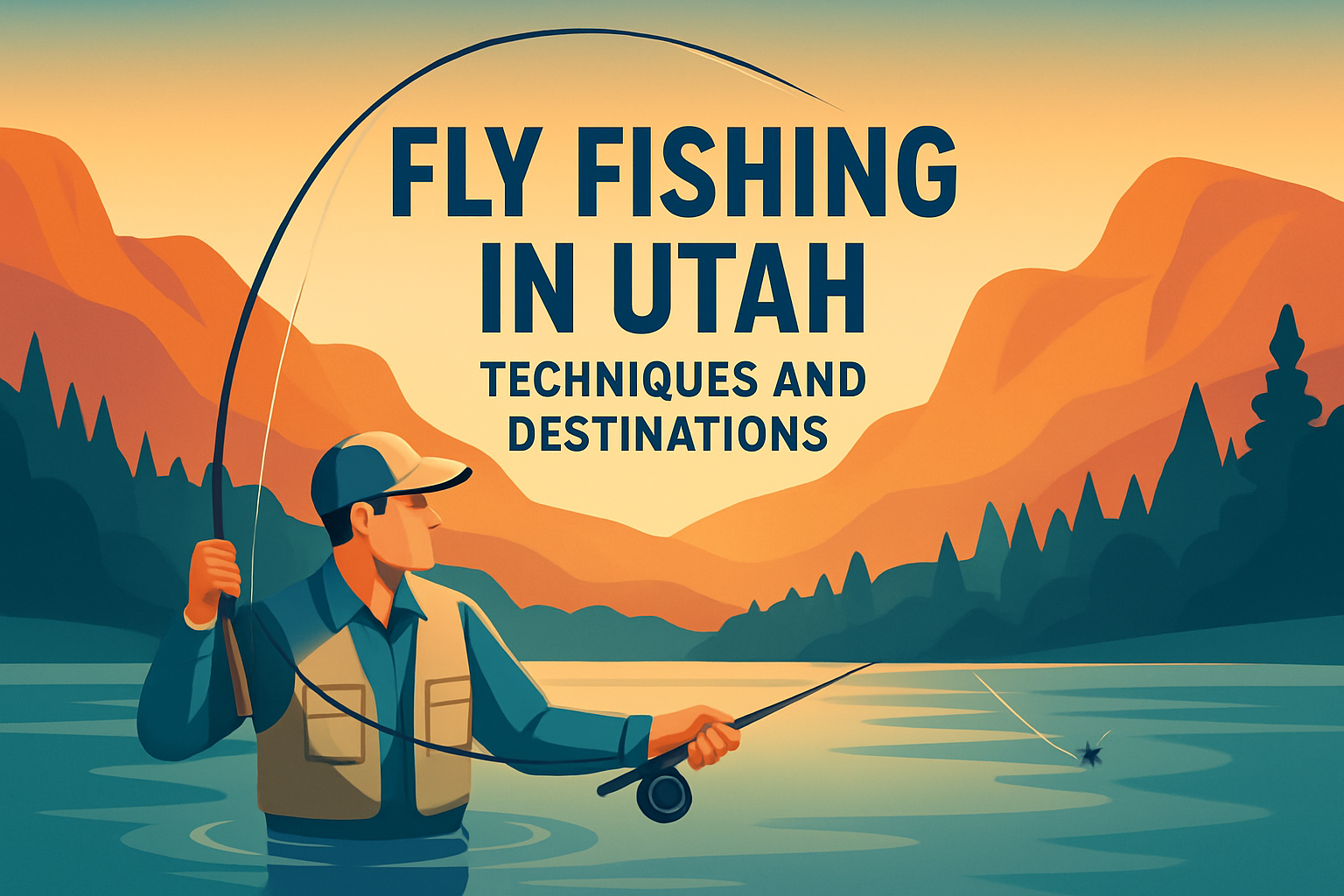
Fly fishing in Utah rewards anglers with rare variety: blue-ribbon trout rivers, alpine lakes, desert tailwaters, and technical spring creeks all within a single state. In practical terms, fly fishing means presenting an artificial fly with a weighted line rather than a heavy lure, while Utah fly fishing specifically refers to pursuing trout, bass, and panfish across waters shaped by snowpack, dam releases, and high-elevation seasons. I have fished Utah in both runoff and low-water conditions, and the lesson is always the same: success comes from matching technique to watershed. That is why this subject matters. Utah offers world-class angling, but it is not forgiving to anglers who ignore insect timing, access rules, or water temperature. Understanding where to go, when to go, and how to fish each type of water turns a scenic outing into a productive day. For anglers planning a trip, Utah combines easy-access destination rivers like the Provo with quieter options such as the Logan, Strawberry tributaries, and remote Uinta streams. For residents, it offers a year-round fishery if you know how to rotate between tailwaters, freestones, and stillwater. This guide explains the most effective fly fishing techniques in Utah, the best Utah fly fishing destinations, and the practical decisions that consistently improve catch rates.
Core Fly Fishing Techniques That Work in Utah
The most reliable fly fishing techniques in Utah are nymphing, dry-dropper fishing, streamer fishing, and stillwater presentations from shore, tube, or boat. If an angler asks which method catches the most trout across the state, the direct answer is nymphing. On rivers like the middle Provo, Green below Flaming Gorge, and Weber, subsurface drifts with midge larvae, sow bugs, scuds, pheasant tails, and perdigons produce in nearly every month. In my experience, indicator nymphing remains the fastest way for visiting anglers to connect with fish because many Utah trout feed deep and hold in defined seams. A two-fly rig under a buoyant indicator, set to tick the bottom once every few drifts, is the baseline system.
Euro nymphing also performs exceptionally well in Utah’s pocket water and moderate currents. On smaller rivers like the Logan or on side channels and riffles where line control matters, tight-line tactics reduce drag and keep flies in the strike zone longer. The method is especially useful during lower flows after runoff, when trout sit in structured lanes behind rocks. A slim anchor fly such as a jig stonefly paired with a lighter tag fly often outperforms bulkier traditional rigs. The key is contact. If you are not feeling bottom or seeing subtle pauses in the sighter, your flies are probably too high.
Dry-fly fishing in Utah can be spectacular, but it is more timing dependent than many visitors expect. The classic image is trout rising all afternoon to mayflies, and that does happen on rivers such as the Green during cicada, caddis, or PMD activity and on the Provo during blue-winged olive hatches. More often, however, a dry-dropper setup is the smarter play. A Chubby Chernobyl, hopper, or foam attractor supports a small perdigon, zebra midge, or caddis pupa underneath, letting you cover both surface and subsurface feeders. This is one of the most efficient techniques on summer freestones and meadow streams because it locates active fish quickly while preserving the chance at visual takes.
Streamer fishing deserves more attention in Utah than it gets. Large brown trout in the Green, Provo, and Weber respond to articulated streamers, sculpin patterns, and leeches during low light, pre-spawn movement, and periods of water discoloration. The mistake I see most often is retrieving too quickly in cold water. In winter and early spring, a slower swing or strip-pause-strip cadence usually beats aggressive ripping. In contrast, warm summer mornings on undercut banks can reward a faster strip, especially where juvenile trout and dace are concentrated.
Stillwater fly fishing is essential if you want the full Utah experience. Reservoirs and natural lakes such as Strawberry, Fish Lake, and many Uinta alpine waters can fish as well as rivers, especially when chironomids, callibaetis, damselflies, or leeches are active. The common setup is a floating line with a long leader under an indicator for chironomids, or an intermediate line for stripping woolly buggers and balanced leeches. Wind matters. In Utah stillwaters, a breeze that pushes food into a bank often positions trout within casting range.
Best Times, Hatches, and Seasonal Strategy
The best time for fly fishing in Utah depends on the water type. Tailwaters can fish all year, freestone rivers peak after runoff, and high-elevation lakes often turn on from ice-off through early fall. If someone asks for the simplest seasonal plan, it is this: fish tailwaters in winter, target blue-winged olives and midges in spring, move to freestones and alpine lakes in summer, then chase aggressive browns and stable flows in fall. That rotation matches Utah’s climate and the way aquatic insects emerge.
Winter concentrates effort on the Green River below Flaming Gorge, the middle Provo, and selected Weber stretches. Midge and small mayfly hatches create surprisingly technical dry-fly windows, particularly on calm afternoons. The advantage of winter is consistency in tailwater temperatures. The tradeoff is selective fish and lighter tippet requirements, often 5X to 7X. Spring begins with stronger blue-winged olive hatches, then adds caddis and early stoneflies depending on elevation. Runoff, driven by snowmelt, can blow out many freestone rivers from roughly May into June, though exact timing changes with snowpack and weather. During high water, anglers who stay flexible and move to tailwaters or stillwaters catch far more fish than those who stubbornly fish muddy rivers.
Summer opens the full map. The Green remains dependable, the Provo supports steady nymphing and evening dry-fly periods, and the Uintas become a major destination for backpacking anglers. Terrestrials are especially important across Utah from July through September. Hoppers, ants, and beetles produce on meadow banks, grassy cutbanks, and small streams where trout have only seconds to inspect food. Late summer also brings heat, which raises an important ethical point: when water temperatures approach or exceed about 68 degrees Fahrenheit, trout stress increases and catch-and-release mortality rises. In those conditions, fish early, minimize handling, or switch to warmwater species.
Fall is underrated and, in many ways, the most complete season. Brown trout become more aggressive, streamer fishing improves, and crowds thin on major rivers after summer. Blue-winged olives often return, creating excellent overcast dry-fly sessions. This is also a good period to review current Utah fishing regulations, because seasonal closures and spawning protections can apply on specific stretches. The Utah Division of Wildlife Resources is the definitive source, and serious anglers check updates before every trip.
Top Utah Fly Fishing Destinations
Any list of Utah fly fishing destinations must start with the Green River below Flaming Gorge Dam. This tailwater is internationally known for high trout densities, clear flows, and extended insect activity. Sections A, B, and C each fish differently. Section A is the most famous and generally the most technical, with prolific midge, caddis, and mayfly life. Section B mixes classic drifts with wade access, while Section C introduces warmer water and more varied structure. The Green rewards precise presentation, long leaders, and a willingness to change flies often. It is one of the few places in the West where refusing to downsize can cost dozens of opportunities.
The Provo River is the state’s most accessible trout river and one of the best choices for anglers who want consistency without committing to a remote trip. The middle Provo, in particular, supports healthy populations of brown and rainbow trout and fishes well with nymphs nearly year-round. Because it sits close to Park City and Salt Lake City, it sees pressure, but smart timing offsets that. I prefer weekdays, shoulder seasons, and lower-light periods. The lower Provo offers a different feel, with productive caddis, sow bug, and midge fishing and enough public access to build a full day around several stops.
The Weber River deserves more respect than it often receives. It is not as glamorous as the Green and can be variable, but it holds strong numbers of trout and offers excellent opportunities for anglers who understand softer edges, undercut banks, and seasonal insect windows. During caddis activity and summer terrestrial periods, the Weber can be outstanding. It is also a practical option for Wasatch Front anglers looking for a less destination-style day trip.
Utah’s stillwater scene is anchored by Strawberry Reservoir, one of the premier trout fisheries in the Intermountain West. Known for large cutthroat and rainbow-cutt hybrids, Strawberry can fish exceptionally well from spring ice-off through fall. Tube anglers often do well with balanced leeches, chironomids, and soft hackles over shoals and drop-offs. Fish Lake in central Utah offers another dimension, with splake, lake trout, rainbow trout, and memorable scenery. It is a place where fly anglers willing to adapt retrieve speed and depth can do very well.
The Uinta Mountains provide Utah’s most distinctive backcountry fly fishing. Hundreds of lakes and countless small streams hold brook trout, cutthroat, tiger trout, grayling in select waters, and other stocked or wild fish depending on location. Success in the Uintas is less about perfect drift mechanics and more about mobility, observation, and simple effective patterns. Small parachute dries, black ants, beadhead nymphs, and woolly buggers cover most situations. The appeal is not just numbers; it is the chance to sight-fish in clear alpine water with almost no development in view.
Choosing the Right Water for Your Skill Level
The best Utah fishing destination for a beginner is usually the Provo River or a well-timed stillwater trip on Strawberry with guidance from a shop report. These waters offer access, fish populations, and enough room to learn line control without the intimidation factor of the Green’s famously selective trout. Intermediate anglers often progress quickly on the Weber, Logan, and lower-pressure Uinta streams where reading water becomes the main lesson. Advanced anglers looking for technical challenges should focus on the Green, selective spring-creek-like side channels, or difficult hatch conditions on pressured sections of the Provo.
| Destination | Best For | Primary Techniques | Peak Windows |
|---|---|---|---|
| Green River | Advanced technical trout fishing | Nymphing, dry fly, streamer | Year-round, strongest spring through fall |
| Middle Provo | Beginners to advanced | Indicator nymphing, dry-dropper, midge rigs | Year-round |
| Weber River | Intermediate anglers | Nymphing, caddis dries, terrestrials | Late spring through fall |
| Strawberry Reservoir | Stillwater specialists and newcomers | Chironomids, leeches, intermediate-line retrieves | Ice-off through fall |
| Uinta lakes and streams | Backcountry anglers | Small dries, nymphs, woolly buggers | Summer to early fall |
Gear selection should follow destination, not habit. For most Utah rivers, a 9-foot 5-weight handles the broadest range of conditions. A 10-foot 3-weight or 4-weight is excellent for Euro nymphing on technical trout water, while a 6-weight gives needed control for streamer fishing and windy stillwaters. Carry fluorocarbon for nymphs, nylon for dries, split shot in multiple sizes, and enough indicators to adjust quickly. Polarized glasses are not optional in Utah; they help with safety, reading current seams, and spotting fish in clear water.
Guides and local fly shops meaningfully improve trip quality. Shops in Dutch John, Heber, Park City, Logan, and the Wasatch Front provide current hatch reports, access updates, and proven patterns. In my own planning, a ten-minute shop conversation often saves half a day of guesswork. That is especially true when dam releases change or when summer storms alter clarity on smaller streams.
Access, Ethics, and Trip Planning
Utah fly fishing is best when good planning supports good technique. Public access varies widely. Some rivers have excellent walk-in stretches, while others require close attention to easements, private property boundaries, and access points. Use current maps, respect fences and signed closures, and never assume a roadside pullout grants legal stream entry. On floated rivers, understand launch logistics, take-out distances, and whether wading is safe at current flows. Tailwaters can change quickly below dams, so checking release schedules is basic risk management.
Ethics matter just as much as access. Proper fish handling means wet hands, minimal air exposure, and keeping fish in the net while removing the hook whenever possible. Barbless hooks reduce damage and speed release. During spawning periods, avoid targeting fish on redds, which appear as lighter cleaned patches of gravel. Walking through redds crushes eggs and directly harms the next generation of trout. These are not optional courtesies; they are standard practices among credible anglers.
Weather and elevation also shape Utah trips. Afternoon lightning is a serious issue in the Uintas, summer heat can push valley rivers beyond safe trout temperatures, and spring runoff can make crossing currents dangerous even when the water looks manageable from shore. Build backup options into every itinerary. A sound Utah plan includes one primary river, one tailwater alternative, and one stillwater option. That flexibility is what experienced anglers use to keep trips productive.
Fly fishing in Utah stands out because few states deliver this much diversity in such a compact geography. You can fish a technical tailwater in the morning, a freestone in the afternoon, and an alpine lake the next day without crossing multiple state lines. The central lesson is simple: choose water that fits the season, use techniques matched to depth and current, and let local conditions override generic advice. Nymph when fish are deep, fish dries when insects and trout commit to the surface, strip streamers when larger trout turn predatory, and do not overlook stillwaters. Start with dependable destinations such as the Green, Provo, Weber, Strawberry, and the Uinta Mountains, then branch outward as your skills grow. Respect access, follow Utah regulations, protect trout during warm water and spawning periods, and rely on local reports when flows or hatches change. If you want better days on the water, pick one Utah destination, study its seasonal window, and fish it with a focused plan this season.
Frequently Asked Questions
What makes Utah such a unique destination for fly fishing?
Utah stands out because few states offer such a wide range of fly fishing experiences within relatively short driving distances. In one trip, anglers can move from blue-ribbon trout rivers to high-country alpine lakes, then down to desert tailwaters or technical spring creeks. That variety matters because each type of water fishes differently and rewards different skills. Snowpack, runoff timing, dam releases, elevation, and summer heat all shape conditions, so Utah constantly gives anglers new puzzles to solve. For trout anglers, that means opportunities to fish dry flies on freestone streams, nymph deep runs during runoff, strip streamers through reservoirs and riverbanks, or sight-fish to selective trout in clear spring creeks.
Another reason Utah is so appealing is that it accommodates a broad range of skill levels. Beginners can find forgiving stillwaters and rivers with healthy trout populations, while experienced anglers can challenge themselves on pressured tailwaters and technical waters where presentation, fly size, and drift quality really matter. Utah also offers more than just trout. In the right waters, fly anglers can target bass and panfish, especially during warmer months, which adds a fun warmwater dimension when trout fishing slows or runoff muddies streams. That combination of accessibility, diversity, and seasonal change is what makes fly fishing in Utah especially rewarding.
When is the best time of year to fly fish in Utah?
The best time depends on the type of water you want to fish and the species you are targeting, but in general, Utah offers productive fly fishing in every season. Spring can be excellent before runoff peaks, especially on tailwaters, spring creeks, and lower-elevation rivers. As temperatures rise and snow begins to melt, freestone rivers often swell, turn off-color, and become difficult to fish. During that runoff window, many anglers shift toward tailwaters controlled by dam releases, stillwaters, or spring-fed systems that remain more stable and clear. Understanding local snowpack and watching flow data is especially important in Utah because runoff timing can vary substantially from year to year.
Summer opens up high-elevation opportunities as alpine lakes and mountain streams become accessible. This is when terrestrial patterns, dry flies, and attractor nymphs can be especially effective. Early morning and evening often fish best during hotter weather, particularly on lower-elevation waters. Fall is a favorite season for many experienced anglers because water temperatures moderate, fish feed aggressively, and streamer fishing can improve as trout become more territorial. Winter can also be productive, especially on tailwaters and spring creeks, where stable flows and milder water temperatures keep fish active. In short, there is no single perfect month for all Utah fishing, but matching the season to the right water type is the key to success.
What fly fishing techniques work best on Utah rivers and lakes?
The most effective techniques in Utah depend on water type, season, and fish behavior, but a few approaches consistently produce. On rivers, nymphing is often the most reliable method because trout feed below the surface much of the time. Indicator rigs, tight-line presentations, and two-fly setups all have their place depending on current speed, depth, and clarity. During runoff or higher water, heavier flies, split shot, and strong drifts near softer seams and edges can be especially productive. On clear, lower flows, the focus often shifts to lighter tippets, smaller flies, and more precise drifts. Dry-fly fishing can be excellent during hatch periods, especially when mayflies, caddis, or midges are active, and terrestrial fishing becomes important in summer on many Utah streams.
Streamer fishing is another valuable tool, especially in larger rivers, tailwaters, and during fall when bigger trout are looking for protein-rich meals. In lakes and reservoirs, the strategy changes. Anglers often fish chironomids, leeches, damselfly nymphs, and balanced flies under indicators or on slow retrieves. Stripping woolly buggers and other baitfish imitations can also be very effective for trout and warmwater species. In alpine lakes, simple presentations with attractor dries, small nymphs, or leech patterns can work well because fish are often opportunistic during the short growing season. The real key in Utah is adaptability. Conditions can change fast due to wind, temperature swings, and water management, so successful anglers adjust depth, fly size, and presentation rather than locking into one method all day.
Which Utah fly fishing destinations are most popular, and how should anglers choose where to go?
Utah offers a mix of famous fisheries and lesser-known waters, and the best destination depends on the kind of experience you want. Well-known trout rivers and tailwaters attract anglers because they offer consistent fishing, strong insect life, and the possibility of quality fish. These waters are often ideal for anglers who want dependable conditions, clear access points, and plenty of information before a trip. High-country lakes and streams, on the other hand, appeal to anglers looking for scenery, solitude, and aggressive fish in a shorter seasonal window. Spring creeks tend to draw anglers who enjoy technical fishing, subtle hatches, and sight-oriented presentations. Desert tailwaters can be especially attractive when freestone streams are blown out, offering year-round options with more stable flows.
Choosing where to fish should come down to timing, travel logistics, and your preferred style of angling. If you enjoy reading water and covering lots of ground, a river system may be ideal. If you prefer slower, more methodical fishing with indicators or retrieves, a lake might suit you better. Beginners often do well on accessible stillwaters or forgiving rivers with healthy fish populations, while advanced anglers may gravitate toward pressured technical waters that reward precise casting and line control. It is also wise to consider elevation, weather, and access. A stream that fishes beautifully in midsummer may be inaccessible in spring, while a tailwater can save a trip during runoff. The smartest approach is to build a destination plan around current flows, water temperatures, and the techniques you enjoy most.
What gear and preparation do you need for a successful fly fishing trip in Utah?
A versatile setup covers most Utah fly fishing situations. For trout, a 4- to 6-weight rod is a practical choice, with a 5-weight being the most all-around option for rivers, small lakes, and general dry-dropper or nymph fishing. Anglers targeting larger rivers, streamers, or windy stillwaters may appreciate a 6-weight, while small mountain streams can be enjoyable with a lighter rod. Floating lines handle the majority of river situations, but lake anglers often benefit from intermediate or sinking lines for deeper presentations. Leaders and tippet should match the technique: longer, finer setups for technical dry-fly situations and stronger material for streamers, windy conditions, or larger fish. A solid fly selection should include nymphs, dry flies, streamers, midges, caddis patterns, mayfly imitations, and terrestrials.
Preparation matters just as much as gear. Utah conditions can shift quickly with weather, runoff, and dam operations, so checking streamflows, water temperatures, and local fishing reports before heading out is essential. In higher elevations, anglers should be ready for cold mornings, afternoon thunderstorms, and intense sun, sometimes all on the same day. Waders may be useful in many rivers and tailwaters, but wet wading can work in summer depending on water temperature and terrain. Polarized sunglasses are especially important for reading currents, spotting fish, and protecting your eyes. Beyond tackle, understanding regulations is critical because some Utah waters have special rules regarding flies, harvest limits, and seasonal closures. Good planning, flexible expectations, and a willingness to adjust your tactics on the water are often what separate an average day from a truly productive one.