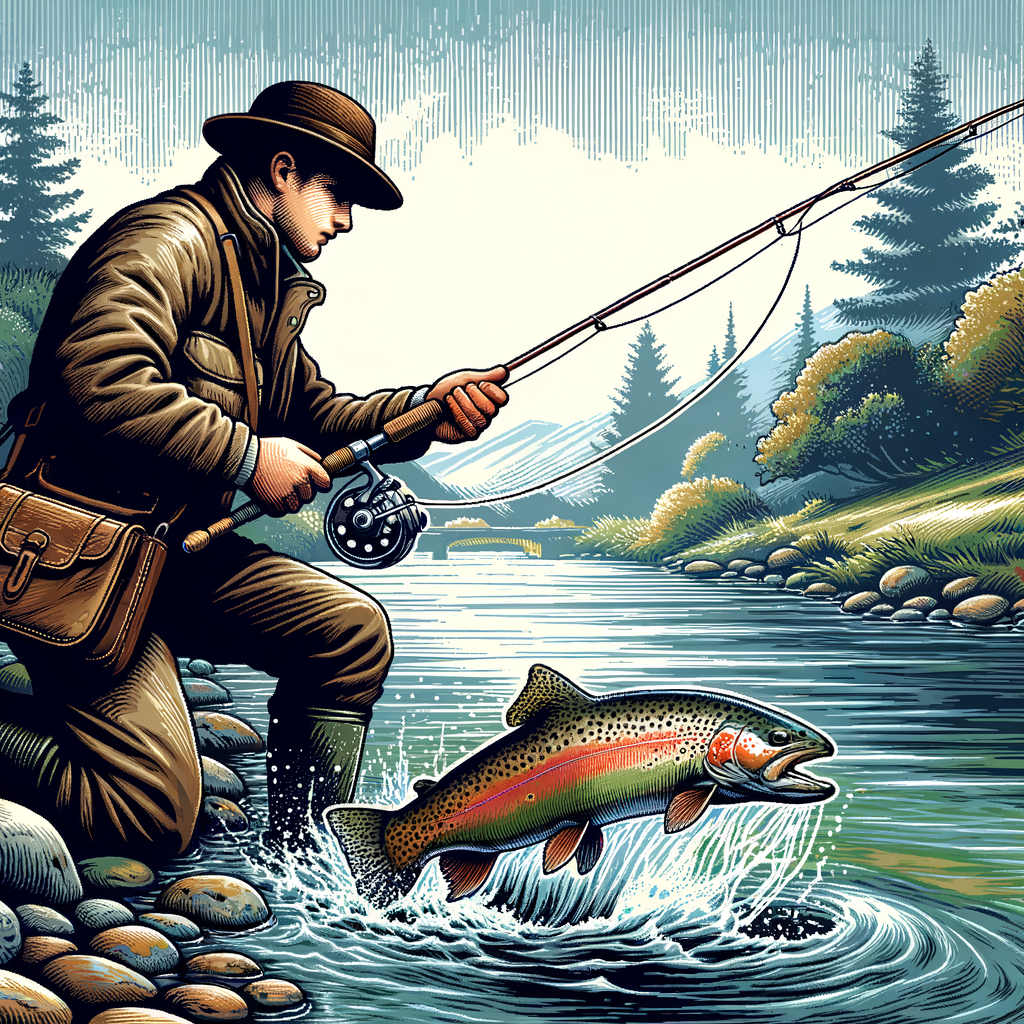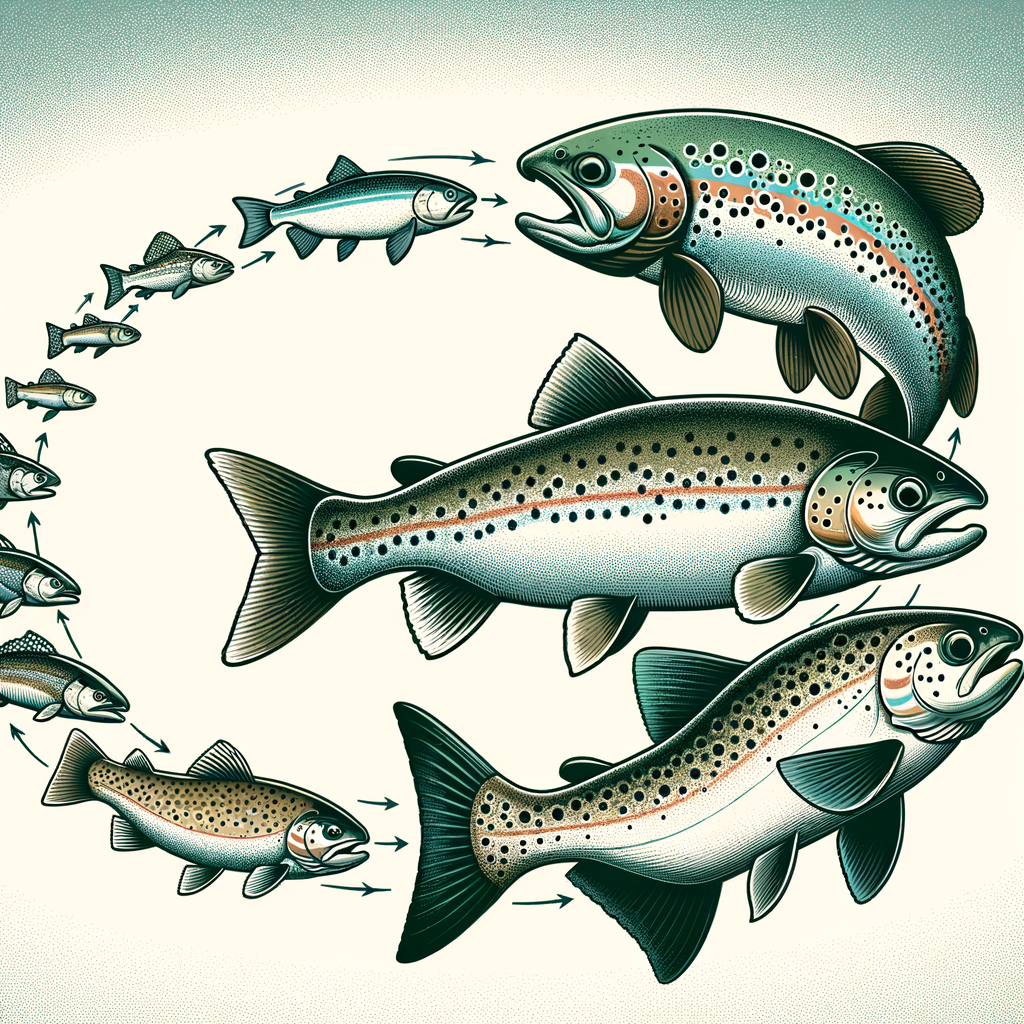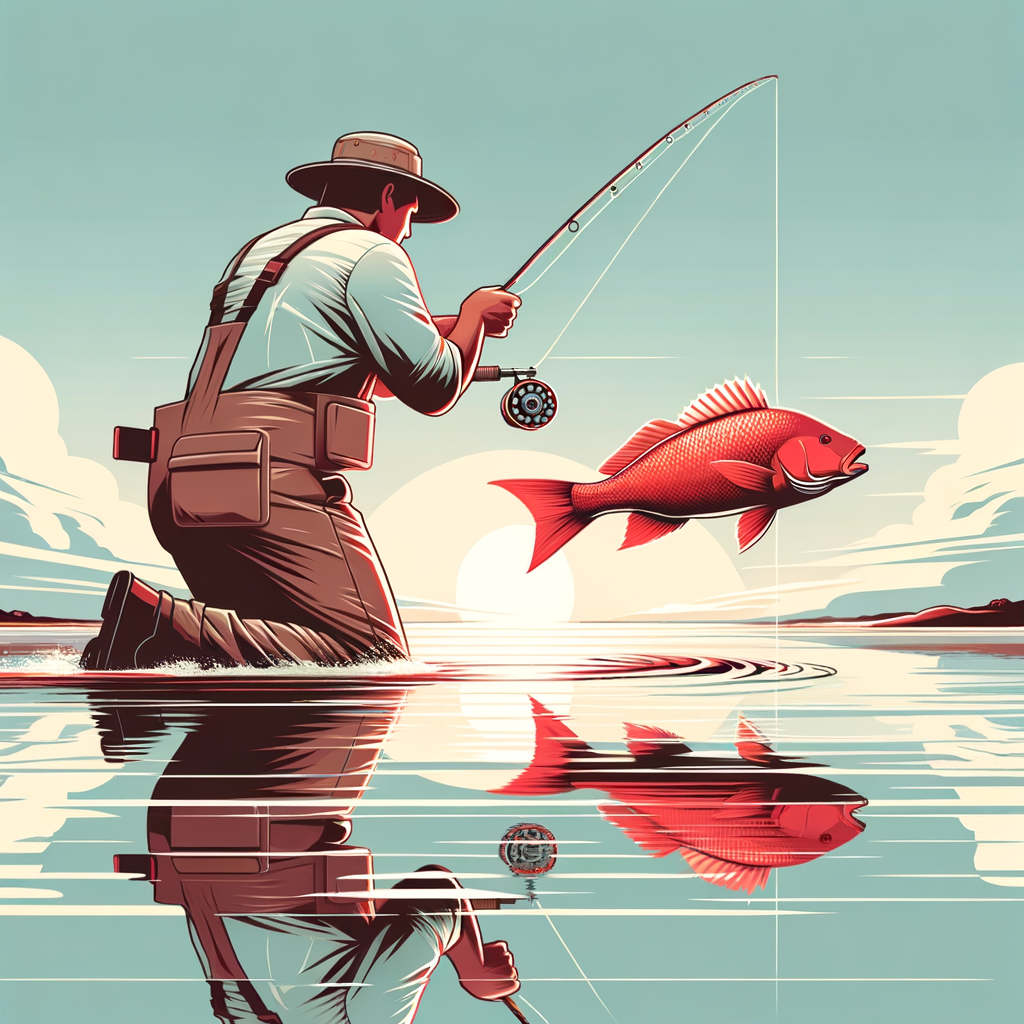
Fly fishing is a technique often associated with freshwater streams, trouts, and serene nature settings. However, the realm of fly fishing extends far beyond these tranquil scenes and delivers an exhilarating experience when combined with the vibrant world of saltwater fishing. One such exciting target for fly fishing enthusiasts is the red snapper. These vibrant and tenacious fish, known for their delectable flavor and dynamic fight, present a unique challenge and a rewarding pursuit for anglers. Fishing for red snapper with a fly rod opens the door to an entirely new dimension of saltwater angling, appealing to both seasoned anglers seeking a new challenge and beginners eager to explore diverse fishing practices. The art of fly fishing for red snapper involves mastering various specialized techniques, understanding the habitat and behavior of red snapper, as well as employing the correct gear. This comprehensive guide explores the nuances of fly fishing for red snapper, offering insights into the techniques, tips, and equipment necessary to maximize success while enhancing your fly fishing experience.
Understanding red snapper behavior is vital to the success of any angler. Found predominantly in the warm waters of the Gulf of Mexico and along the southeastern American coast, red snapper are recognizable by their deep red hue and stout bodies. They are known to inhabit reef structures, wrecks, and other seabed complexities, making them a thrilling challenge to approach. When approaching fly fishing for red snapper, it’s crucial to adjust one’s strategy to match these environments. This includes selecting appropriate gear, such as rods, reels, and lines tailored to withstand the strength of saltwater species, particularly powerful fighters like the red snapper. With their impressive burst speeds and resilience, effectively targeting red snapper with a fly demands sharp reflexes and cleverly chosen fly designs. Beyond the physical gear, understanding water conditions, tidal changes, and seasonal patterns goes a long way in improving your odds and enriching your overall experience.
In this guide, we will delve into the essential techniques, share valuable tips, and highlight the need for specific equipment. Whether you’re fly fishing for red snapper for the first time or looking to enhance your skills, this article aims to provide you with the knowledge and confidence needed to effectively pursue this captivating species. Our sections cover from the fundamental introduction into what fly fishing entails for red snappers, detailed strategies on handling different scenarios, to practical advice that only comes from seasoned experience. Join us as we cast our lines into the thrilling, ever-changing world of fly fishing for red snapper.
Techniques for Fly Fishing Red Snapper
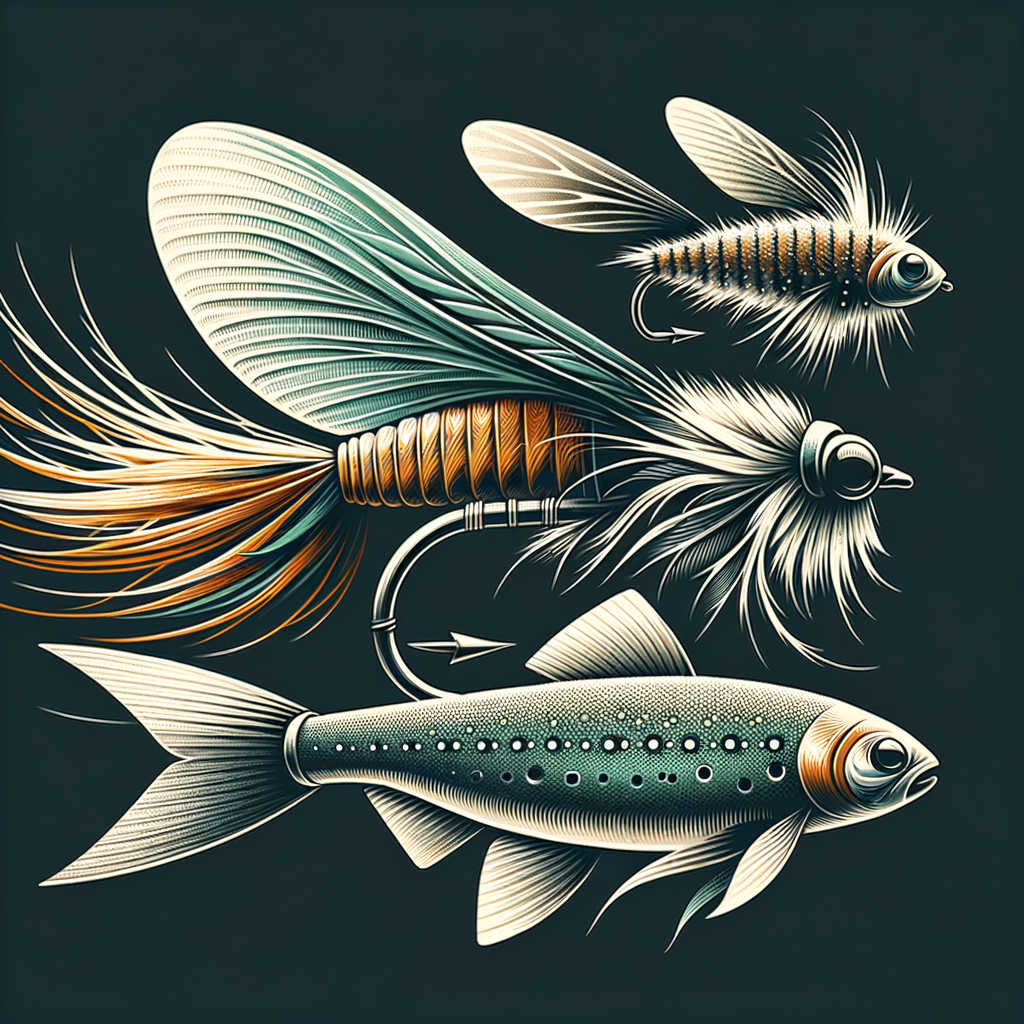
Fly fishing for red snapper requires tailored techniques that cater to this species’ unique characteristics and habitat. One of the primary techniques involves understanding their feeding habits and simulating their natural prey. Red snapper are opportunistic feeders and rely heavily on their acute sense of hearing and natural curiosity. Mimicking their prey requires a selection of flies that resemble small fish, crustaceans, and other sea creatures that form their diet. Streamers tend to be the most effective fly pattern for snapper fishing. Streamers constructed with synthetic materials providing greater flash and movement, such as Clouser minnows, make for excellent choices. These flies imitate the small baitfish that entice red snapper to strike, appealing to their predatory instincts.
Timing and approach are crucial in fly fishing for red snapper. Choosing the right time of day and tide can drastically impact your fishing success. Early mornings or late afternoons, when the sunlight is less intense, offer optimal conditions for red snapper activity. Tides also play a significant role, with outgoing tides preferred because they coincide with feeding times as baitfish move with the current, becoming more accessible to red snapper. As currents bring in prey, this naturally triggers feeding frenzies which anglers can capitalize on by presenting the fly near these movement zones. Fly fishing off structures, such as piers or jetties, can also let anglers take advantage of red snapper tendency to gather around such locations.
Positioning your boat, kayak, or spot along the shoreline or structure while maintaining a stealthy presence is equally important. An electric trolling motor or a quiet drift can help minimize disturbance. When casting, aim for the edges of reefs or wrecks where snapper are likely to be ambushing prey. Mastering various casting techniques, such as the double haul, adds distance and accuracy to your casts, ensuring the fly lands within the striking zone. It’s essential to allow the fly to sink to mid-water columns, where red snapper typically reside, then begin a steady retrieve that mimics the actions of a disoriented baitfish.
A winning strategy while fly fishing for red snapper combines both location and action. The presentation of your fly should incorporate short, vigorous strips punctuated with brief pauses. This method denotes the natural movement of injured prey and can entice even the most cautious snapper. Experimenting with strip cadence provides nuances in your presentation—what might work one day could differ the next. Therefore, flexibility and attentive observation are key.
Red snapper are known for their power, and once hooked, they offer an energetic fight. Employing a strong set hook, maintaining consistent pressure, and executing swift line management skills are vital. As they attempt to dive into the reefs or structure, keeping the rod tip high aids in applying leverage against their powerful bursts. Utilizing a reel with a smooth, robust drag system allows for quick, controlled retrievals while minimizing line breakage risks. Practicing these technical skills before heading out ensures you are ready when that exhilarating moment arrives.
Equipping oneself with patience and adaptability enhances the red snapper fly fishing experience. Conditions can shift quickly in a saltwater environment, and mental agility keeps one prepared for anything the day might bring. Whether it’s adjusting flies, trying various retrieves, or re-positioning the casting angle, preparedness can lead to captivating catches and numerous stories worthy of any angling adventure.
Equipment Essentials for Red Snapper Fly Fishing
When it comes to fly fishing for red snapper, selecting the proper gear is paramount to ensuring an enjoyable and fruitful experience. The choice of rod, reel, and line should be specifically suited for saltwater environments to handle the strength and size of red snapper. A medium-heavy to heavy saltwater fly rod, typically in the 8 to 10 weight range, offers the strength required while providing the sensitivity needed to detect bites quickly. The rod should have a fast action to facilitate long casts and to combat the vigorous thrashing typical of hooked red snappers.
Splicing a quality saltwater fly reel capable of handling powerful runs while providing a seamless drag system is also critical. Look for reels with large arbor designs, which facilitate rapid line retrieval and strong resistance against the forceful pulls of a feisty snapper. The reel should be corrosion-resistant, given the harsh, salty conditions it will frequently encounter. This helps ensure durability and performance over time, maintaining reliability during heated battles.
Fly lines designed for tropical waters are essential for effective red snapper fly fishing. These lines offer taper designs that support casting larger, heavier flies and cater to the warmer climates. Using sinking or intermediate sinking lines can be beneficial, as red snapper tend to inhabit deeper waters near reef structures, demanding flies that reach critical depths quickly. Moreover, having lines with brightly colored sections provides visual cues to the angler when assessing casting distance and depth, promoting more accurate and productive placements.
Fluorocarbon leaders offer strength and invisibility underwater, making them highly suited for red snapper. They enhance sensitivity to bites while being abrasion-resistant, vital when fishing over rugged reef environments. Leaders of 20 to 30 pounds typically balance strength and stealth, although it’s always prudent to be prepared with a variety of strengths given the varying sizes of possible catches.
The choice of flies plays a defining role in hooking red snapper. As mentioned, opt for streamers that replicate the appearance and behavior of the red snapper’s natural prey. Additionally, utilizing flies with vibrant colors, such as red, white, and chartreuse, can attract attention in the often dimly lit underwater environments where snapper dwell. Having an assortment of fly sizes ensures you can adapt to the feeding behavior and preferences of snappers on any given day.
In addition to rods, reels, and lines, other equipment such as polarized sunglasses, a fish finder, and appropriate attire can enhance your success. Polarized sunglasses aid in sight fishing, allowing you to spot fish and underwater structures more easily, while a fish finder is valuable for identifying optimum fishing spots without spending valuable time on guesswork. Wearing quick-drying, UV-protective clothing, along with sturdy footwear, keeps comfort and safety in mind for extended fishing sessions.
Conclusion
Fly fishing for red snapper brings together the dynamic excitement of saltwater angling with the intricate artistry of fly fishing, creating a gratifying pursuit for anglers at any skill level. From the challenges of presenting the perfect fly pattern to the battle of reeling in these strong fish, every step demands both skill and patience, making every catch an achievement to savor. Key to success in this endeavor is a thorough understanding of the red snapper’s habitat and behavior, intricate knowledge of appropriate techniques, and meticulous preparation with specialized gear engineered for saltwater conditions.
For both the seasoned veteran and the budding fly fisher, embarking on the journey of targeting red snapper with a fly rod is both an adventure and an education. As you delve deeper into this discipline, it becomes paramount to adapt to evolving sensations, ranging from the tug of your line to changing water and weather conditions. Each trip offers lessons and improvements upon the last, ensuring that every angler builds a repository of strategies, knowledge, and stories that enhance subsequent experiences.
Pursuing red snapper with a fly rod connects you to a rich tradition of fishing, marrying modern techniques with age-old practices. The combination of tactical finesse and raw natural excitement ensures this is not only about catching fish but also about cultivating respect and love for the marine environment and its inhabitants. As you fine-tune your skills and experience the exhilarating fight of a red snapper, you’ll gain more than just another fish tale—you’ll gain a deeper appreciation for the art and sport of fly fishing.
Ultimately, fly fishing for red snapper combines the serenity of nature with moments of adrenaline, providing an unmatched sense of fulfillment. Whether you’re introducing yourself to the sport or looking to challenge your existing skills, this engaging pursuit has much to offer. Prepare your gear, tie your flies, and venture into the vibrant waters where the thrill of the chase and the beauty of the catch await. The adventure of fly fishing for red snapper promises not only fish but unforgettable experiences that draw anglers back time and again.
Frequently Asked Questions
1. What makes red snapper a sought-after target for fly fishing?
Fly fishing for red snapper is a unique endeavor that combines the skill of fly fishing with the thrill and challenge of saltwater angling. The red snapper stands out due to its vivid coloration, fierce bite, and spirited fight once hooked. These fish are not only stunning to look at but are also regarded for their delectable taste. Fly anglers find them particularly tempting because red snapper often require precision and a calculated approach to successfully capture. Angling for red snapper is about more than just the catch; it’s about pitting your wits against a formidable adversary in the beautiful, often unpredictable, realms of the open sea. Successfully catching one on the fly is a testament to an angler’s skill and patience which greatly enhances the overall fishing experience.
2. What type of gear should I use for fly fishing red snapper?
When setting out to fly fish for red snapper, selecting the right gear is essential for a successful outing. Typically, a 9 to 10 weight fly rod will give you the strength needed to handle the strong fights these fish are known for. Pair this with a robust fly reel capable of holding ample amounts of backing, as red snapper can make powerful runs into deeper water. As for fly lines, an intermediate or sinking line is often effective, allowing you to get your fly down to where the snapper are lurking. Flies that mimic the baitfish in the red snapper’s habitat – such as Clouser Minnows or Deceivers in red, white, or gray – can provoke aggressive strikes. Using fluorocarbon tippet helps with turning the fly over and is advantageous in the clear waters where red snappers are often discovered. A well-prepared gear setup makes the difference between a long day on the water and a fruitful fishing expedition.
3. How can I find red snapper when fly fishing in saltwater environments?
Locating red snapper can be part of the exhilarating challenge of fly fishing for these saltwater predators. Typically, red snappers are associated with underwater structures such as reefs, wrecks, and rock outcrops. These environments provide cover and an abundance of food sources, making them ideal hunting grounds for red snapper. Using a boat to reach these locations is often necessary, so checking local nautical charts or utilizing GPS technology to identify potential hot spots can be advantageous. Additionally, learning about tidal patterns and baitfish movements can help in predicting where red snappers might be congregating. It’s crucial to observe the water and use your senses; signs like birds diving or surface disturbances can also point toward a school of feeding fish. Understanding these elements will enhance your chances of a successful catch, so a bit of research and local knowledge can go a long way.
4. What are some effective techniques for successfully landing a red snapper on a fly rod?
Landing a red snapper on a fly rod requires a mix of strategic casting and deft handwork. One effective technique is positioning yourself upriver or upcurrent from the target area and allowing your fly to drift naturally down towards the snapper. Fast, erratic strips can emulate the motion of panicked baitfish, often eliciting a predatory reaction from lurking red snappers. Another technique involves varying the speed and length of your retrieve until you find what the fish are responding to on that specific day. Precision casting is essential – aim to place your fly close to structure where the fish might be staged. Once hooked, red snapper will test your gear with powerful runs. It’s imperative to keep your line tight, managing tension with a smooth rod bend, and being ready to give line when necessary. These techniques highlight the intricate dance between angler and fish, truly embodying the essence of fly fishing.
5. Are there certain times or conditions that are best for fly fishing red snapper?
Timing and environmental conditions can heavily influence the success rate when fly fishing for red snapper. Generally, red snapper are more active during certain times of the day, with dawn and dusk often being the most productive periods. These “magic hours” see the fish more active and feeding more robustly. Regarding seasons, warmer months typically bring better opportunities for catching snapper, as they are more active and easier to locate during these times. It’s also crucial to consider tides and water clarity; outgoing tides can be particularly beneficial, as fish ride the currents while chasing baitfish stirred by the tidal movement. On days when the water is especially clear, stealth becomes crucial. Approach your target areas quietly to avoid spooking potential catch, and be prepared to adjust techniques according to these varying conditions. By aligning your efforts with natural cycles and environmental signals, you maximize your chances of a rewarding day on the water.