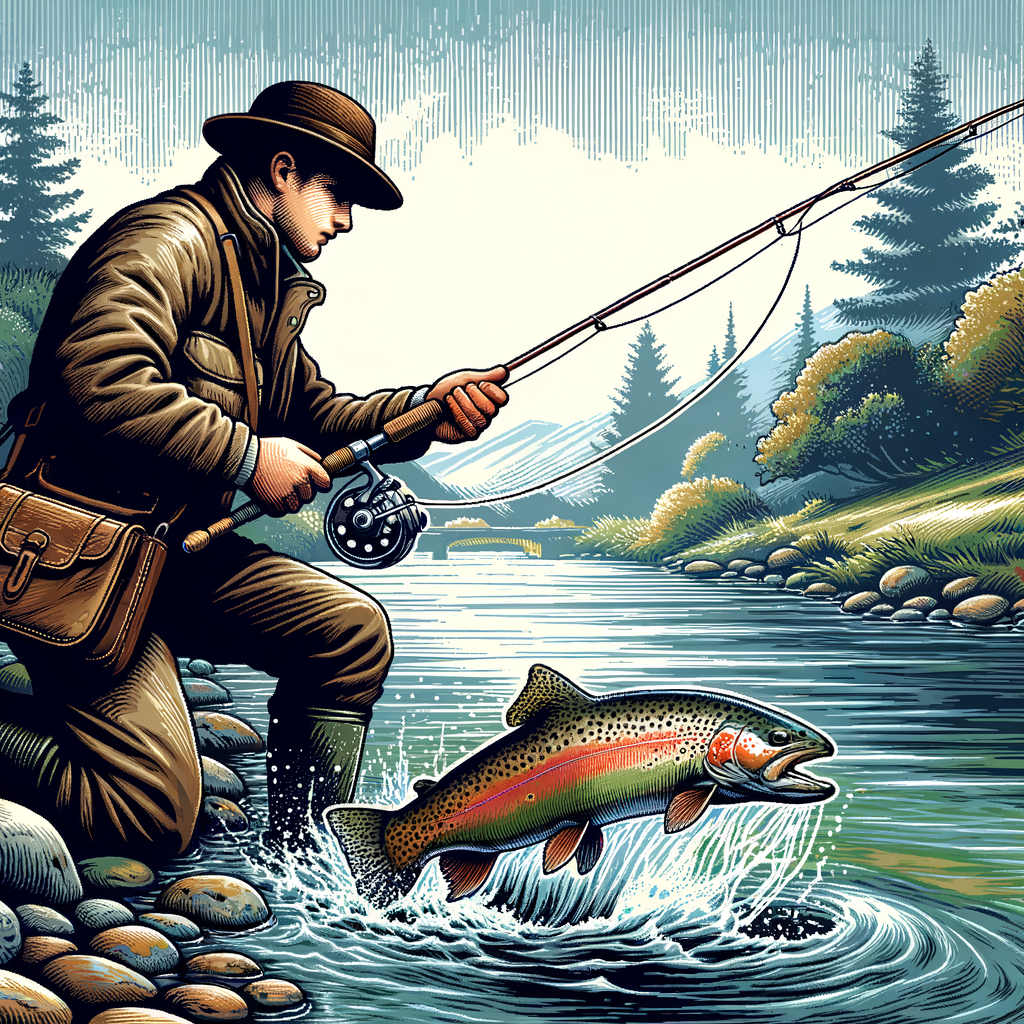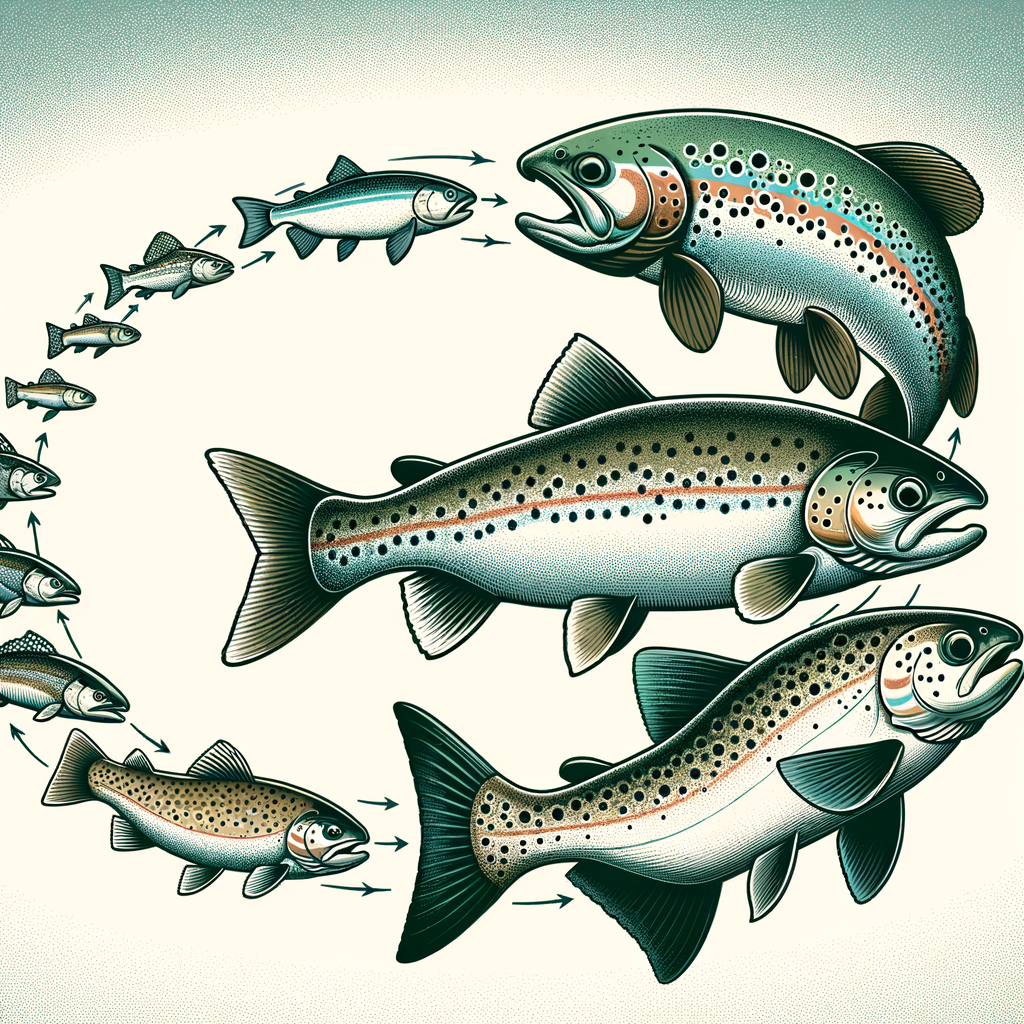
Fly fishing is more than a hobby; it’s a passionate pursuit. Anglers equipped with a fly rod venture out into various waters in search of a catch that provides not only a good fight but also an exhilarating experience. Among the many species that entice fly fishers, the bluefish (“Pomatomus saltatrix”) stands out for its aggressive nature and thrilling presence. Known for their fantastic fight and relentless determination, bluefish are certainly predators that deserve the attention of fly fishers. This quest can transform a routine trip into a memorable “bluefish blitz”. It’s crucial to understand the behavior, habitat, and strategies necessary for success when fly fishing for these lively creatures. This guide delves into the essentials for targeting bluefish, ensuring an invigorating angling experience. From understanding what drives bluefish into a frenzy to mastering the techniques needed for a successful catch, we’ll explore every detail you need to elevate your fly fishing adventures. We’ll break down techniques, tackle, environmental conditions, and how to outsmart these formidable predators in this comprehensive overview of fly fishing for bluefish.
Understanding Bluefish Behavior
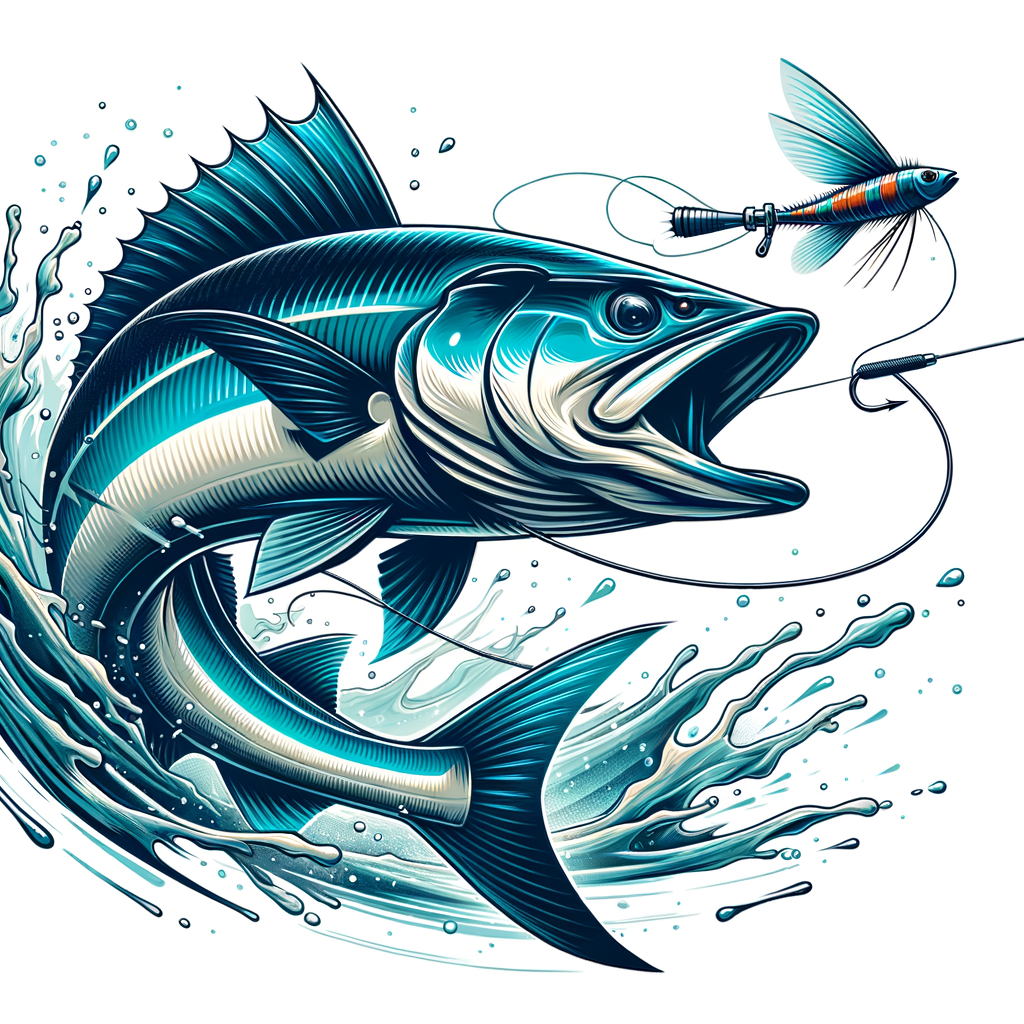
Bluefish are renowned for being opportunistic feeders. They are formidable predators with sharp teeth and powerful jaws that allow them to tear through baitfish with ease. These fish can often be seen chasing their prey in frenzied schools, breaking the surface of the water in dramatic displays. Understanding their feeding habits is crucial for any angler hoping to catch them on a fly. A key component of bluefish behavior is their seasonal migration. They typically inhabit temperate and subtropical waters and are known for their migratory patterns along coastlines. In the United States, bluefish migrate northward in the spring and southward in the fall. This migratory behavior influences their feeding patterns and distribution, which fly fishers must consider when planning their outings. Bluefish are also known to feed more aggressively in low-light conditions, which enhances the excitement of early morning or late afternoon fishing trips.
Choosing the Right Tackle and Gear
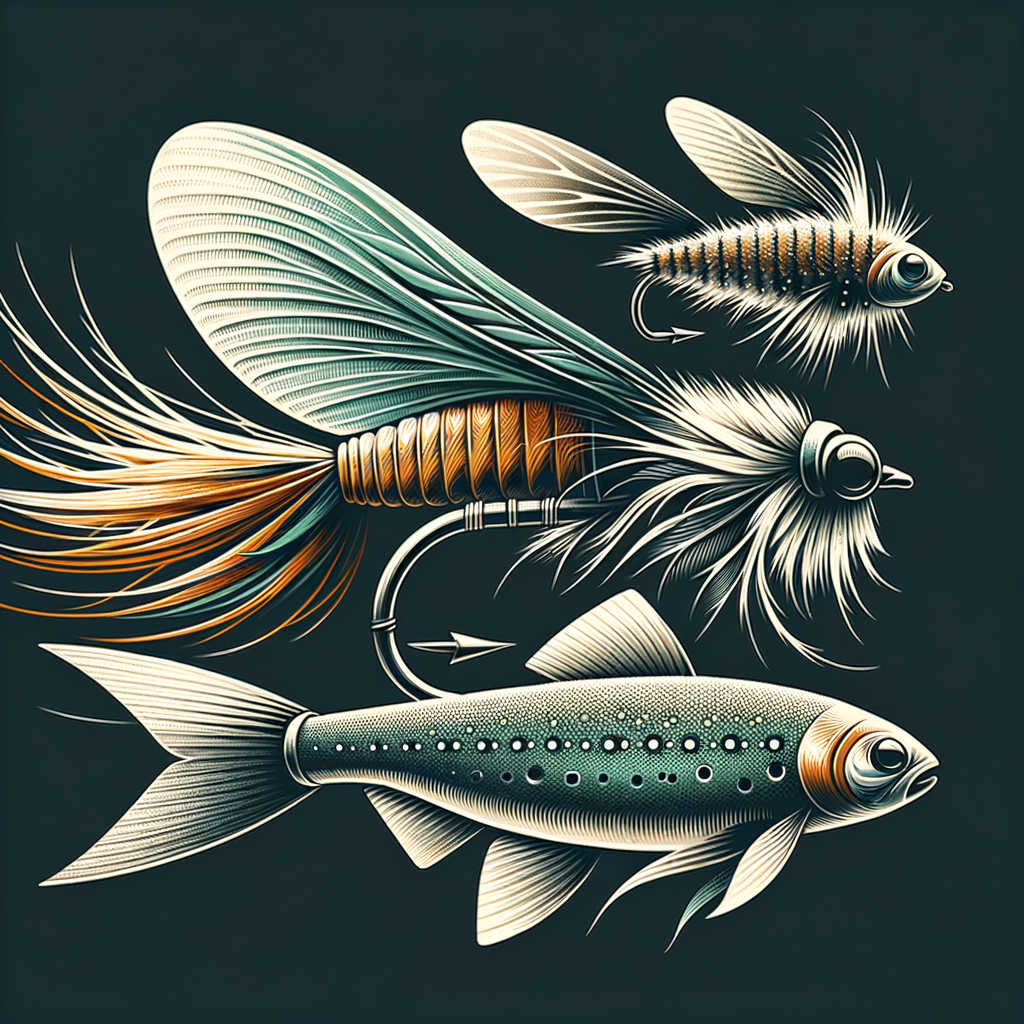
Tackling bluefish on a fly rod requires specific gear tailored to their explosive nature. A robust fly rod is a fundamental requirement. A nine-weight rod is typically recommended, providing enough backbone to fight against the aggressive tendencies of a bluefish. This weight class handles wind-resistant flies and the powerful gusts that are often encountered on open water. An essential part of the lineup is a sturdy reel with a reliable drag system. Bluefish are known for their long runs and erratic movements, so having a reel that allows for smooth line retrieval is a must. Fly lines with sinking tips can be beneficial, enabling anglers to present their flies at the depth where bluefish are feeding. Leaders must be constructed with durability in mind. Bluefish have sharp, cutting teeth, so wire leaders or very heavy monofilament are often necessary to prevent bite-offs. Despite this, anglers should strive to balance line strength and visibility to avoid spooking the fish. Choosing the right fly can make a significant difference in enticing bluefish. Patterns that mimic small baitfish, such as clouser minnows or deceivers, are often effective. Bright and shiny color patterns can also trigger strikes, especially during feeding frenzies.
Mastering Casting Techniques
Precision and skill are critical when casting for bluefish, as these predators are fast-moving and often feed in tight, concentrated schools. When targeting bluefish, long, accurate casts are often necessary to reach feeding fish without spooking them. Practicing double-haul techniques can be particularly advantageous, especially when fishing in windy conditions. A quick, efficient retrieve is essential in mimicking the frantic movements of fleeing baitfish. Stripping the fly line quickly and erratically can simulate an injured or panicked baitfish, prompting bluefish to strike. Fly fishers often use a varied retrieve pattern, with periods of rapid stripping interspersed with short pauses to keep the fly in the feeding zone for as long as possible.
Timing Your Trip
Bluefish are migratory, and their movement patterns play a crucial role in determining the success of a fishing trip. Spring and early summer are prime times for targeting bluefish in northern waters as they migrate northward. Conversely, late summer through fall sees them returning south. Monitoring local reports, water temperatures, and regional fishing activity can provide insights into their movements. Furthermore, the timing of tides can significantly impact bluefish behavior. Tidal changes can stimulate feeding activity by concentrating baitfish or creating currents that favor hunting. Plan outings to coincide with rising or falling tides for increased chances of success. Weather conditions, particularly winds and cloud cover, also play a role. Overcast skies or slight chop on the water often lead to more successful outings, as bluefish patrol shallower waters under such conditions.
Understanding Bluefish Habitat
The habitat preferences of bluefish further inform strategic approaches to catching them. They can be found in various environments, from the open ocean to coastal inlets and estuaries. When seeking bluefish, fly fishers should focus their efforts around structures that concentrate baitfish, such as sandbars, drop-offs, and jetty areas. Close proximity to these structures increases the likelihood of encountering feeding bluefish. Bluefish rely heavily on baitfish as their primary food source. This means that locating schools of baitfish, like mullet or herring, can often lead to finding bluefish nearby. Keeping a watchful eye on bird activity can also serve as an indicator of where bait—and subsequently, bluefish—are present. Additionally, understanding the preferred depth range of bluefish during different seasons and times of day can optimize fly presentation.
Making Use of Local Knowledge
Local expertise can be invaluable when fly fishing for bluefish. Consulting local guides, fishing shops, or experienced anglers can provide insights into recent activity, locations, and effective flies or techniques specific to the area. Local anglers may have detailed knowledge of less-frequented spots that hold productive bluefish waters. Such knowledge can save hours of trial and error while enhancing the overall fly fishing experience.
Environmental Conservation and Ethical Fishing Practices
As with all forms of angling, ethical practices ensure that the joy of fly fishing for bluefish continues for future generations. Practicing catch and release, particularly with larger fish, contributes significantly to maintaining healthy bluefish populations. Using appropriate gear minimizes stress, while careful handling during unhooking prevents unnecessary harm. Participation in or support for local conservation efforts devoted to the preservation of marine environments ensures bluefish and other species continue to thrive in their native waters. Respectful engagement with natural habitats is essential.
Handling and Releasing Bluefish
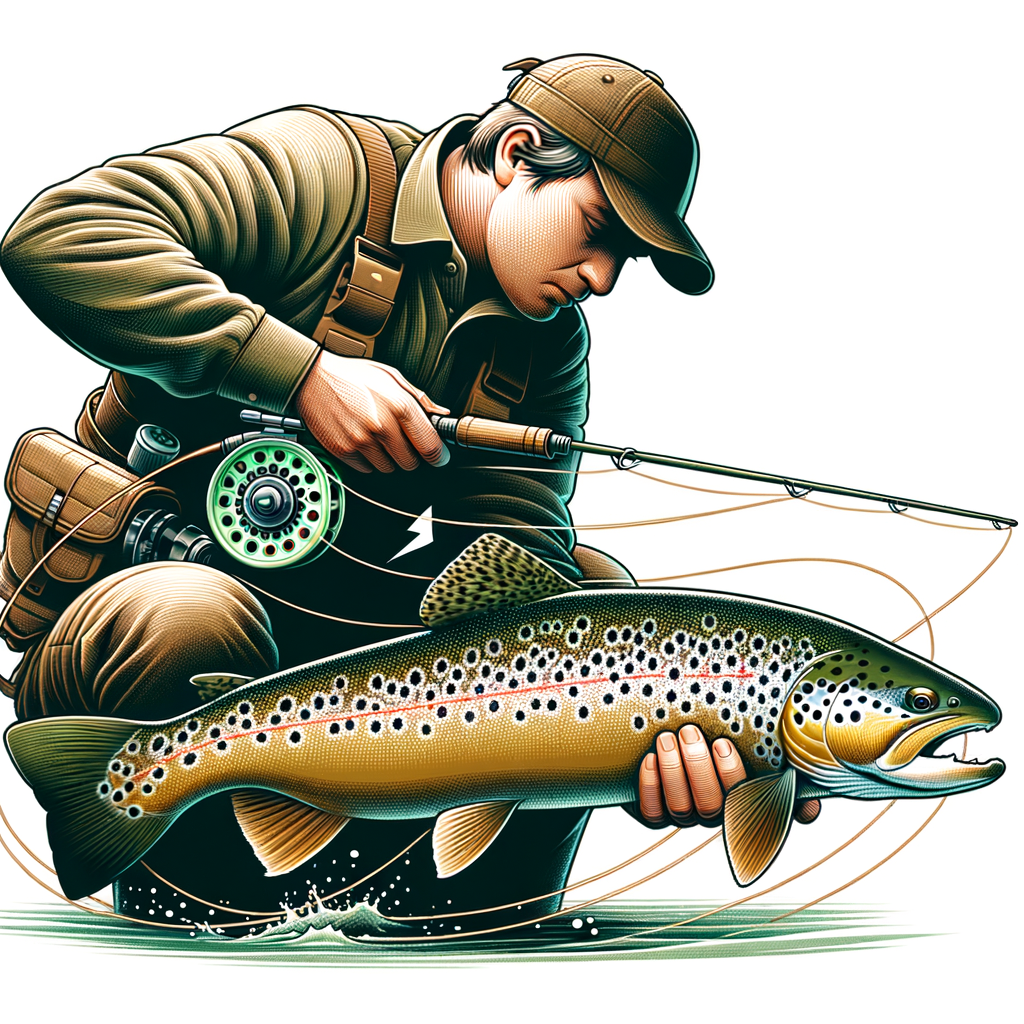
The thrill of catching a bluefish on the fly culminates in the careful handling and releasing of these creatures. Being equipped with dehookers or long-nose pliers helps in safely removing hooks without causing injury to the fish or the angler. Considering their sharp teeth, gloves may assist during handling. Ideally, bluefish should be released promptly after capture. Holding the fish in the water until it shows signs of strong swimming reduces stress and promotes a successful release.
Conclusion
Fly fishing for bluefish is a pursuit combining skill, strategy, and an appreciation for nature’s wilder side. Bluefish demand respect from anglers through their fierce fight and tenacity, making each successful catch deeply satisfying. Armed with knowledge of their behavior, proper tackle, casting prowess, and an understanding of environmental factors, anglers can develop rewarding strategies to engage these magnificent predators. As with any fishing venture, patience is key. Successful fly fishing results from layers of skillful technique, keen observation, and adaptability. Paying close attention to conditions and being open to adjusting approaches ensures that each outing offers the chance for a memorable “bluefish blitz”. In the spirit of sustainable angling and conservation, fly fishers must uphold ethical standards to preserve the aquatic environments and maintain the vibrant populations of bluefish for the enjoyment of current and future generations. This commitment ensures that the thrill of fly fishing for bluefish endures, offering excitement and challenge with every cast.