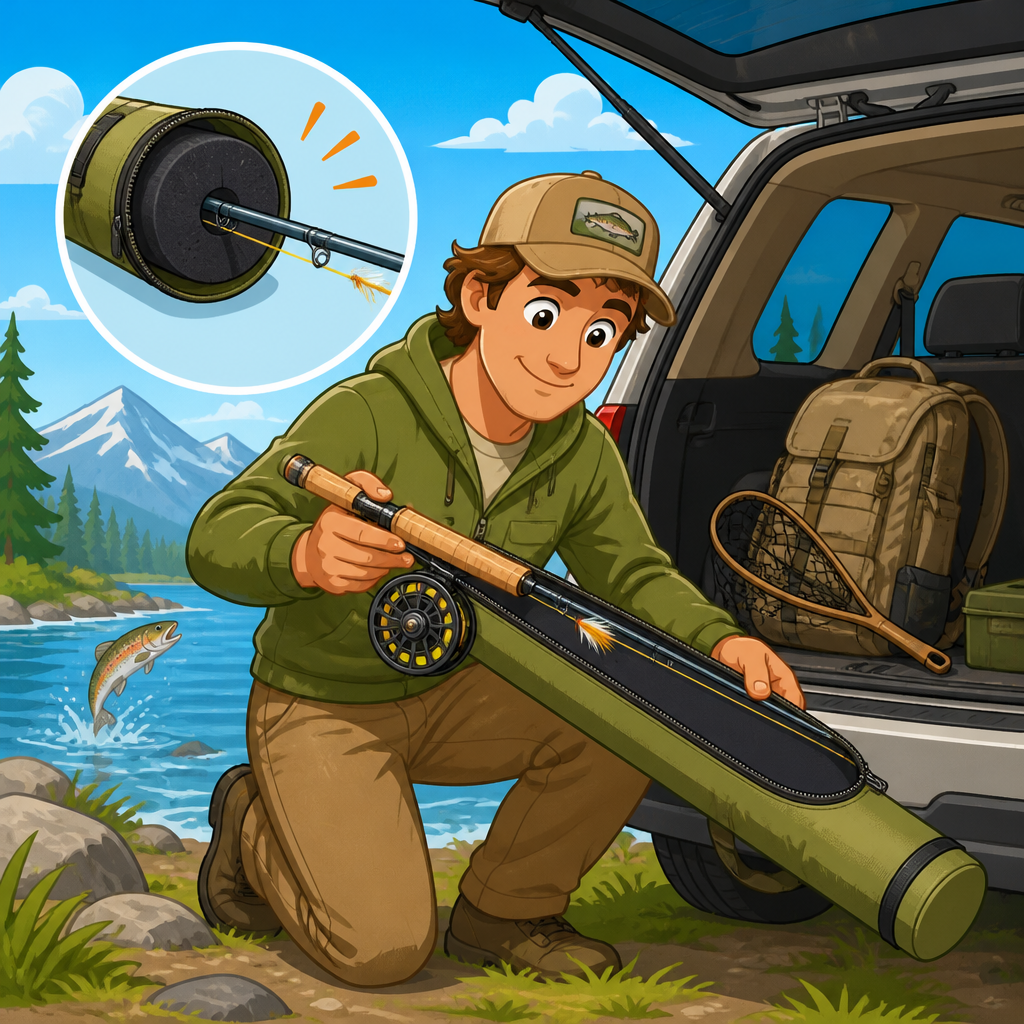
A rigged fly rod is a fly rod that remains assembled with the reel attached, line threaded through the guides, leader connected, and often a fly still tied on. Transporting it safely sounds simple, yet the rod tip is the most commonly damaged section in everyday fishing because it is thin, highly loaded, and easy to snag in doors, brush, roof racks, and truck tailgates. I have seen more tips broken in parking lots and driveways than on the water. For anglers building a practical system under the broader Fly Fishing Basics umbrella, learning how to transport a rigged fly rod without damaging the tip is one of the highest value skills in the entire gear and equipment category.
The reason this matters goes beyond repair cost. A broken tip ends fishing time, changes rod action, and can create hidden cracks if the rod survives one impact but fails later under load. Modern graphite rods are strong in intended casting directions but vulnerable to point impacts and side pressure. Fast action freshwater rods, euro nymph rods with delicate top sections, fiberglass creek rods, and saltwater fly rods all need slightly different handling, yet the transport principles are universal: control the loose line, immobilize the tip, reduce snag points, and avoid side loads. Once those principles are understood, moving from the tying bench to the car, from the car to the river, and between spots becomes routine instead of risky.
This article serves as a hub for gear and equipment decisions tied to that problem. It explains what to use, how to set up a safe transport routine, which storage methods fit different vehicles, and where anglers make avoidable mistakes. It also connects naturally to related topics you would explore next in a Fly Fishing Basics library, including rod tubes, reels, fly line care, leaders and tippet, wader organization, roof storage, raft rigging, and on-stream pack systems. If you can carry one rigged rod safely, you can scale the same process to multiple rods, drift boat days, quick after-work sessions, and destination travel with far less breakage.
Why fly rod tips break during transport
Most transport damage happens when the rod is not under fishing load but under accidental load. The tip gets bent sharply sideways by a ceiling liner, pinched in a car door, dragged behind a bootlace, or hooked by the fly into carpet or upholstery. Because the top few guides create leverage points, even a light pull at the wrong angle can exceed the fiber’s compression tolerance. In practical terms, the tip is safest when nothing can catch it and when the line cannot tighten unexpectedly.
Three patterns cause the majority of failures. First is unsupported overhang: a rigged rod laid across seats, truck beds, or raft frames with the top section extending freely. Second is snag-and-pull: line or fly catches, the butt keeps moving, and the tip absorbs the shock. Third is crush damage: windows, hatch lids, and tailgates contact the blank. These are preventable with method, not luck.
The safest ways to transport a rigged fly rod
The safest transport method is the one that fully supports the rod, secures the fly, and keeps the tip from contacting other objects. For short moves between nearby spots, carrying the rod by hand with the reel down, line tension relaxed, and the tip angled slightly behind you is often safer than laying it in a vehicle carelessly. For longer moves, interior vehicle storage with a purpose-built rod carrier usually offers the best balance of protection and convenience.
Among interior options, overhead rod racks from brands such as Riversmith, Trxstle, and Trout Mount are designed specifically to hold assembled rods in trucks and SUVs. They support multiple rods, isolate tips, and prevent line tangles. In drift boats and rafts, horizontal rod holders mounted along the frame perform the same function. If you fish from a skiff or canoe, tip socks combined with deck clips reduce bounce and slap. The key is not merely where the rod sits, but whether the top section is constrained from whipping, snagging, and flexing sideways.
| Transport method | Best use | Main benefit | Main risk if used poorly |
|---|---|---|---|
| Hand carrying | Walking to and from the water | Maximum awareness of tip position | Branches, overhead signs, trailing fly snagging clothing |
| Interior vehicle rack | Trucks, SUVs, vans between spots | Strong support and quick access | Tips can strike hatch or rear glass during loading |
| Back seat or cargo area | Short drives with one or two rods | No external weather exposure | Crush damage from doors, coolers, boots, or dogs |
| Boat or raft rod holder | Float fishing and stillwater boats | Keeps rigged rods ready to fish | High-speed wind whip and hook snags if unsecured |
| External roof carrier | Multiple rods on long drives | Frees cabin space and protects from passengers | Wind vibration, branch strikes, and theft if unlocked poorly |
How to secure the line, leader, and fly before moving
Before transporting a rigged setup, strip in slack until the fly sits near the rod keeper or a safe guide location, but do not bury the hook in a stripping guide insert or wrap the leader tightly around the blank. I prefer to reel until the junction between fly line and leader stays outside the tip top, leaving enough slack that the rod is not preloaded. If the fly is weighted or has a bead head, hook it to a keeper or a dedicated foam patch, not a snake guide, because metal-on-metal contact can nick guide coatings and let the fly swing into the blank.
A hook keeper matters more than many beginners realize. When a fly is secured low on the rod, the leader runs cleanly and the tip remains unloaded. If your rod lacks a keeper, use a small elastic rod wrap with a keeper tab, or place the hook in a reel frame opening with care so it cannot mar the finish. For streamer and saltwater patterns with large hooks, a fly patch attached to a boat console or pack can be safer during transitions. The objective is simple: no loose fly, no tight line, no pressure on the tip top.
Using tip protectors, rod socks, and tubes correctly
A tip protector is one of the cheapest pieces of insurance in fly fishing. Mesh tip socks, neoprene tip covers, and full rod sleeves each solve a different problem. A simple mesh sleeve reduces guide tangles and keeps the line close to the blank, which is useful when carrying a rigged rod through brush. A molded tip cap shields the final inches from bumps in a truck cab or drift boat. A full rod tube remains the gold standard when the rod is broken down, but it is not usually practical for a fully rigged setup unless the leader and fly are removed and the rod is partially disassembled.
In my own gear kits, the most efficient combination for day-to-day fishing is a rod sock plus a soft tip cover. That setup adds almost no weight, goes on quickly, and prevents the two most common issues: tip wraps and accidental knocks. It is especially useful with euro nymph rods, whose long light tips can flutter in moving air, and with fiberglass rods, which tolerate impact differently but can still be crushed. If you routinely carry several rods assembled, color-coded sleeves also reduce confusion and keep flies from cross-hooking neighboring lines.
Vehicle transport strategies for trucks, SUVs, cars, and boats
Vehicle type determines your risk profile. In a pickup truck, the biggest mistake is placing a rigged rod diagonally in the bed without support. Road vibration and gear shifting make that arrangement destructive. A truck with a cab rack or interior headliner rack is far better. In an SUV or wagon, an overhead carrier keeps rods above cargo and away from dogs, wading boots, and coolers. In a sedan, the least risky short-drive method is often folding down a rear seat and running the rod from trunk pass-through to dashboard corner, with the tip protected and visible.
Boats add movement, wind, and hooks. Drift boats commonly use side-mounted rod holders made from foam-lined tubes or clip systems; these work well only when the line is reeled snug enough to prevent the fly from swinging. Rafts and catarafts need holders positioned away from oars and anchor lines. On skiffs and bass boats, deck transport is common, but a fly rod should never be left loose where the trolling motor, push pole, or another angler can step on it. For long highway travel, hard locking roof carriers from makers such as Riversmith and Yakima offer strong protection, though they require careful loading to avoid catching the tip at the entry slot.
Common mistakes that damage the tip
The most common mistake is walking with the rod tip forward. It feels natural, but it puts the most fragile section in front of your eyes and outside your peripheral awareness. Carrying the rod with the tip slightly behind you makes it easier to miss branches and signposts. Another frequent error is tightening the line until the tip bends. Anglers do this to stop the fly from swinging, but they store energy in the blank and make it vulnerable to minor impacts.
Other tip-breaking habits include shutting a vehicle door before confirming where the rod ends, leaning a rigged rod against a wall where it can slide, and setting the fly in a guide frame where it can lever against ceramic inserts. I also see damage from improvised rod bundles. Two or three rigged rods wrapped together may look neat, but guides, flies, and leaders create pressure points. Each rod needs independent control at the tip. If you remember only one rule, make it this: anything loose will catch, and anything tight will break.
Choosing gear and equipment that make transport safer
Transport safety improves dramatically when your gear supports the routine instead of fighting it. A rod with an integrated hook keeper, alignment dots, durable guide wraps, and a quality rod tube is easier to manage from the start. Reels with smooth drags and large arbors help you recover slack quickly. Magnetic net releases, pack-mounted fly patches, and tippet holders reduce the clutter that snags a rigged rod in transition. In a hub sense, this is where gear and equipment choices intersect: the rod, reel, line, leader wallet, pack, vehicle storage, and even your landing net all affect transport risk.
For anglers building a complete beginner system, prioritize these categories next: protective storage, line management, and access. Protective storage includes rod sleeves, tubes, and racks. Line management includes keepers, straps, and fly patches. Access includes how the rod moves from home storage to vehicle to water without being laid on the ground or buried under other items. Good equipment does not replace careful habits, but it removes failure points and makes the safe method the easy method.
A simple routine for moving between spots without re-rigging
The most reliable routine takes less than a minute. Reel in until the fly reaches the keeper area. Confirm the leader-to-fly-line connection remains outside the tip top. Secure the fly low on the rod. Add a light rod wrap or mesh sleeve if you have one. Carry the rod butt first with the tip trailing slightly upward. Load it into the vehicle or holder with your eyes on the tip until it is fully supported. Reverse the process at the next stop. This sequence prevents almost every avoidable break I have witnessed.
If you fish with a partner, communicate before moving rods around each other. One angler lifting from the butt while another shifts a cooler is enough to create a hidden side load. On windy days, hold the rod lower and closer to your body so gusts cannot bow the tip. At day’s end, inspect the top section for paint scuffs, guide misalignment, or a rough ticking sound when flexed gently by hand. Those clues can reveal impact damage before the next fish exposes it.
Transporting a rigged fly rod without damaging the tip comes down to disciplined handling, not expensive gear alone. The essential principles are consistent across fly fishing: keep the fly secured, keep the line relaxed, support the blank, protect the tip, and eliminate anything that can snag or crush the rod during movement. When anglers break tips, the cause is usually a rushed transition, poor storage choice, or an unnoticed obstacle, not a defect in the rod. That is good news, because habits are easier to fix than hardware.
As a hub within Fly Fishing Basics, this gear and equipment topic connects directly to every part of an efficient fishing system. Rod sleeves, tubes, racks, reels, leaders, packs, boat layouts, and vehicle organization all influence whether your rod arrives ready to fish. Start with one practical upgrade if needed, such as a tip protector or interior rack, then pair it with a repeatable loading routine. The benefit is immediate: fewer repairs, faster spot changes, and more confidence carrying a rigged setup anywhere.
Build your transport system before your next trip. Test it at home, in your vehicle, and on a short walk with the rod rigged exactly as you fish it. Once the process becomes automatic, you will protect your fly rod tip, preserve performance, and spend more time casting instead of fixing broken gear.
Frequently Asked Questions
What is the safest way to transport a rigged fly rod without breaking the tip?
The safest approach is to control three things at once: the hook, the loose line, and the unsupported tip section. A rigged fly rod should never be tossed into a truck bed, leaned loosely against a vehicle, or laid across a seat where it can slide, bounce, or catch in a closing door. Start by securing the fly to a proper hook keeper or a small guide near the handle, not up near the tip where tension can overload the top section. Then reel in enough slack so the line is snug but not guitar-string tight. The goal is to prevent the rod from whipping around while still avoiding unnecessary pressure on the tip.
For short moves between spots, many anglers do best with a dedicated rod sock, a tip protector, or a two-piece rigid carrier that fits over the upper section while the rod remains assembled. Inside a vehicle, place the rod where the tip is fully supported and out of traffic, such as along a headliner rod rack, in a ceiling-mounted carrier, or diagonally where it cannot be stepped on or pinched. If the rod must ride outside, use a hard-sided rooftop carrier designed for fishing rods rather than strapping an exposed rigged rod to a roof rack. Most everyday breaks happen during loading and unloading, not while actually driving, so slow down in parking lots and driveways. That is when tips get clipped by hatchbacks, tailgates, garage doors, and tree limbs.
Is it better to keep a fly rod fully rigged during transport, or should I break it down every time?
That depends on distance, storage method, and how many transitions you are making in a day. Keeping a fly rod fully rigged is practical for short relocations between nearby access points, especially when you are moving quickly and want to spend more time fishing than rethreading guides. In those situations, an assembled rod can be transported safely if it is protected and immobilized. The risk rises when the rod is left loose, carried through brush, or moved around people, pets, coolers, and gear in a crowded vehicle.
For longer drives, rough roads, highway travel, or any trip where the rod will be unattended, breaking it down is usually the smarter choice. A broken-down rod stored in its tube removes most of the risk to the tip and upper guides. The convenience of staying rigged is real, but so is the cost of replacing a top section. A good rule is this: if the rod will be moved in and out of the vehicle repeatedly, can be mounted securely overhead, and the trip between spots is short, fully rigged transport can make sense. If the rod will be riding for hours, exposed to vibration, weather, or clutter, break it down. The best anglers are not just efficient on the water; they are disciplined about when convenience stops being worth the risk.
How should I secure the fly, leader, and line so they do not create extra stress on the rod tip?
Improperly secured terminal tackle causes a surprising number of broken tips. One common mistake is hooking the fly onto a guide near the top third of the rod and then reeling the line tight. That creates a loaded bend in the lightest, most fragile section. Instead, attach the fly low on the rod whenever possible, ideally at the hook keeper or near the stripping guide area if your setup allows it safely. If your rod does not have a hook keeper, many anglers use a small keeper attachment above the handle rather than relying on upper guides.
After the fly is secured, reel in only enough line to control slack. The rod should remain almost straight, with no visible deep bend in the tip. If you use a long leader, consider hand-managing the final bit of tension so the leader is orderly and not wrapped around the tip-top or a guide foot. Before placing the rod in a vehicle, inspect the top few guides to make sure the line is not looped around the blank or crossed in a way that will pull sideways on the tip. Side-loading is especially dangerous because rod tips are designed to flex progressively under casting and fish-fighting loads, not to withstand abrupt side pressure from a snagged leader or a jerked fly. In simple terms, keep the hook low, keep the line neat, and never use reel tension to force the tip into a bend during transport.
What are the most common mistakes that damage a rigged fly rod tip during everyday transport?
The biggest mistake is assuming the rod will be fine “just for a minute.” That is how tips get shut in car doors, slammed in tailgates, clipped by hatchbacks, or snapped against garage rafters. Another very common error is carrying the rod with the tip trailing behind at shoulder height, where it catches branches, signposts, or the edge of a doorway. Anglers also break tips by laying assembled rods across the hood or roof while loading gear, then forgetting they are there and driving off or closing a door into them.
Inside vehicles, loose rods often slide onto the floorboard, get stepped on, or become trapped under a seat adjustment track. In pickup trucks, rods stored in the bed without a rigid case bounce, shift, and strike hard surfaces, even on short drives. Roof transport creates its own problems if the rod is exposed to wind, brush, or a strap that presses directly on the blank. Another overlooked issue is overtightening the line after hooking the fly to a guide near the tip, which preloads the weakest section before the car even starts moving. Finally, many broken tips are the result of poor awareness at the end of the day, when anglers are tired, distracted, and rushing to leave. A reliable system prevents this: always secure the fly low, support the full rod, verify where the tip is before closing anything, and make the loading routine the same every time.
What transport accessories actually help protect a rigged fly rod, and which ones are worth buying?
The most useful accessories are the ones that reduce movement and shield the upper section. For anglers who frequently move spot to spot with a rod still assembled, a rod sock combined with a tip protector is one of the best low-cost upgrades. The sock prevents tangles and abrasion, while the tip protector adds stiffness and impact resistance where the blank is most vulnerable. If you regularly carry multiple rigged rods, a vehicle-mounted interior rod rack or ceiling carrier is often worth the investment because it gets rods up and out of harm’s way.
For more serious travel, a hard-sided rod carrier is the best protection available while keeping rods rigged. These carriers are especially useful for SUVs, vans, and rooftop systems because they isolate the rod from cargo, doors, and accidental contact. Look for a model long enough for your assembled setup, with secure closures and enough internal space that guides are not being crushed. Simple hook-and-loop rod wraps can also help by keeping rod sections aligned and reducing bounce, but they are not a substitute for real tip protection. If you fish from a truck, consider an in-cab overhead rack or a dedicated locking rod vault rather than placing assembled rods in the bed. The right accessory depends on how you fish, but the best purchases all do the same thing: they stop the rod from shifting, prevent the tip from being exposed, and make it obvious where the rod is before anything gets opened, closed, or moved.