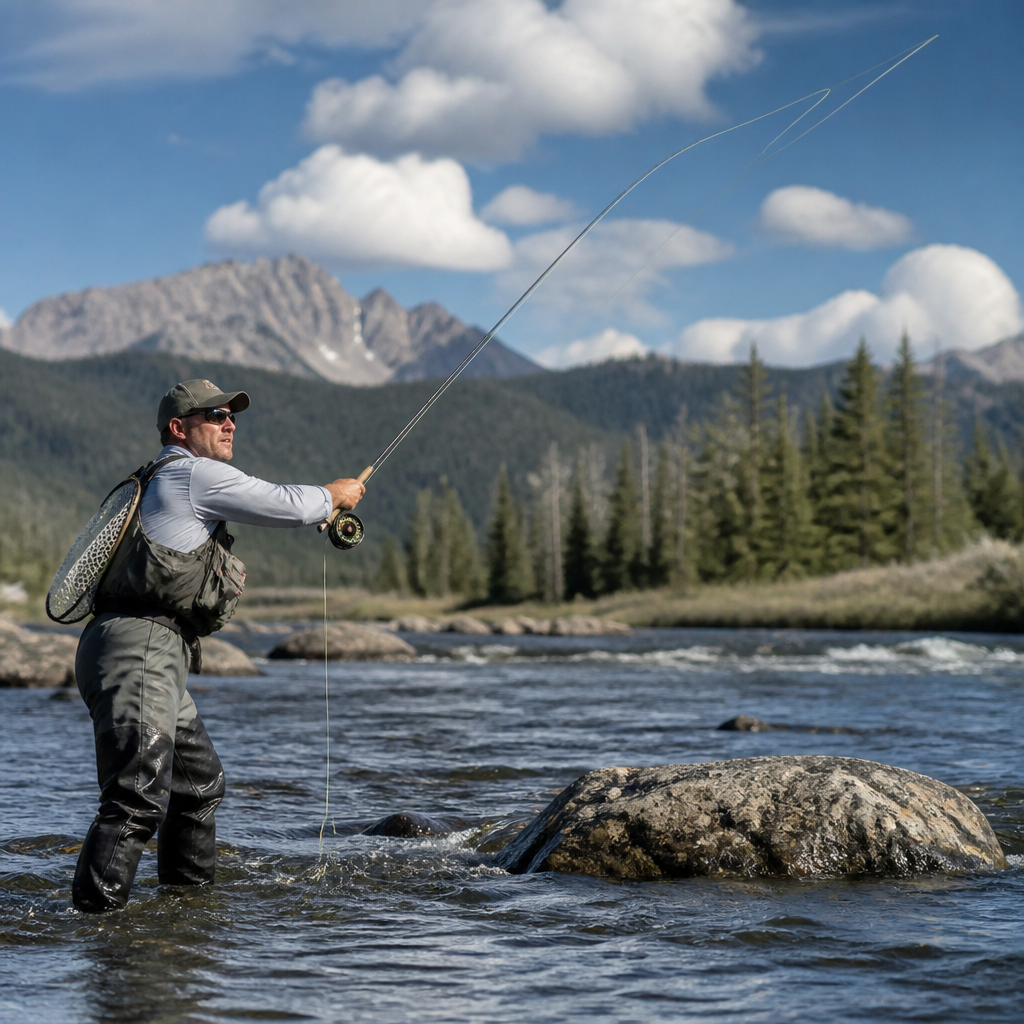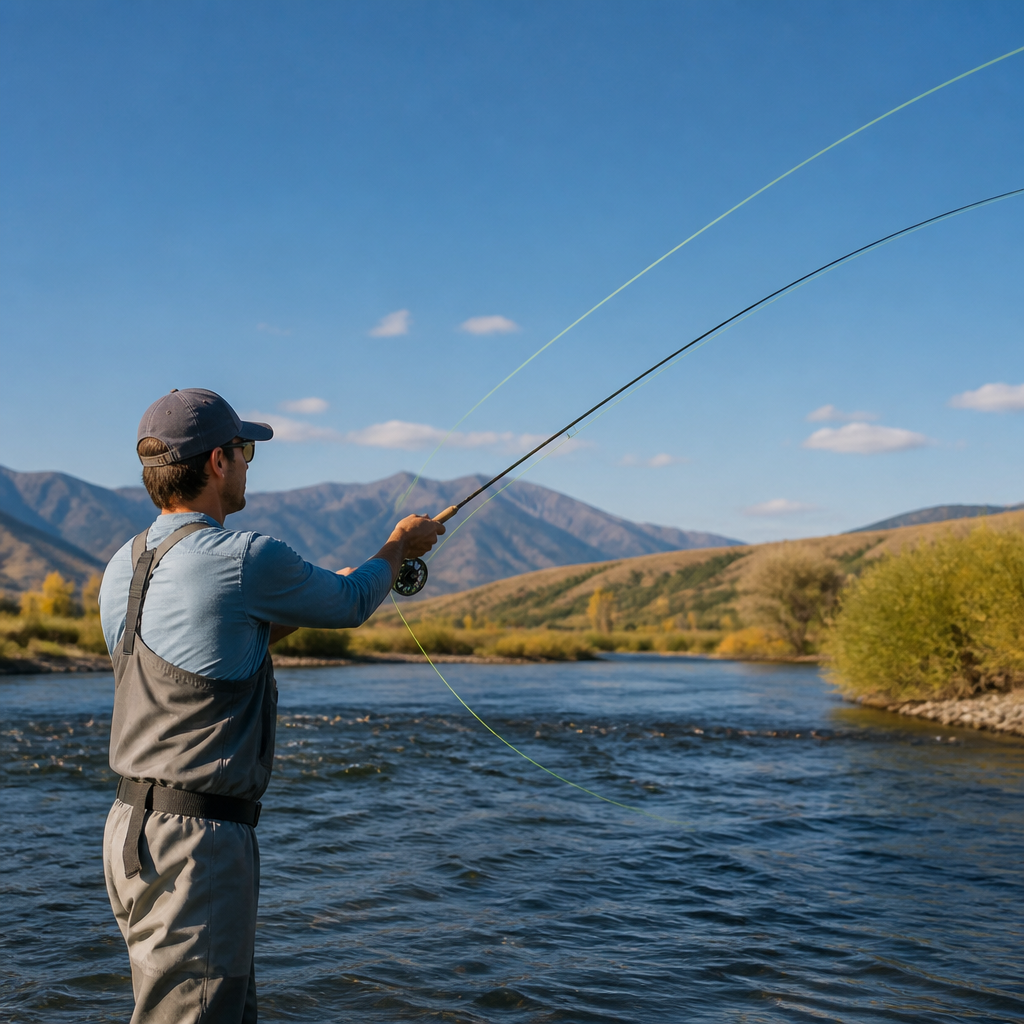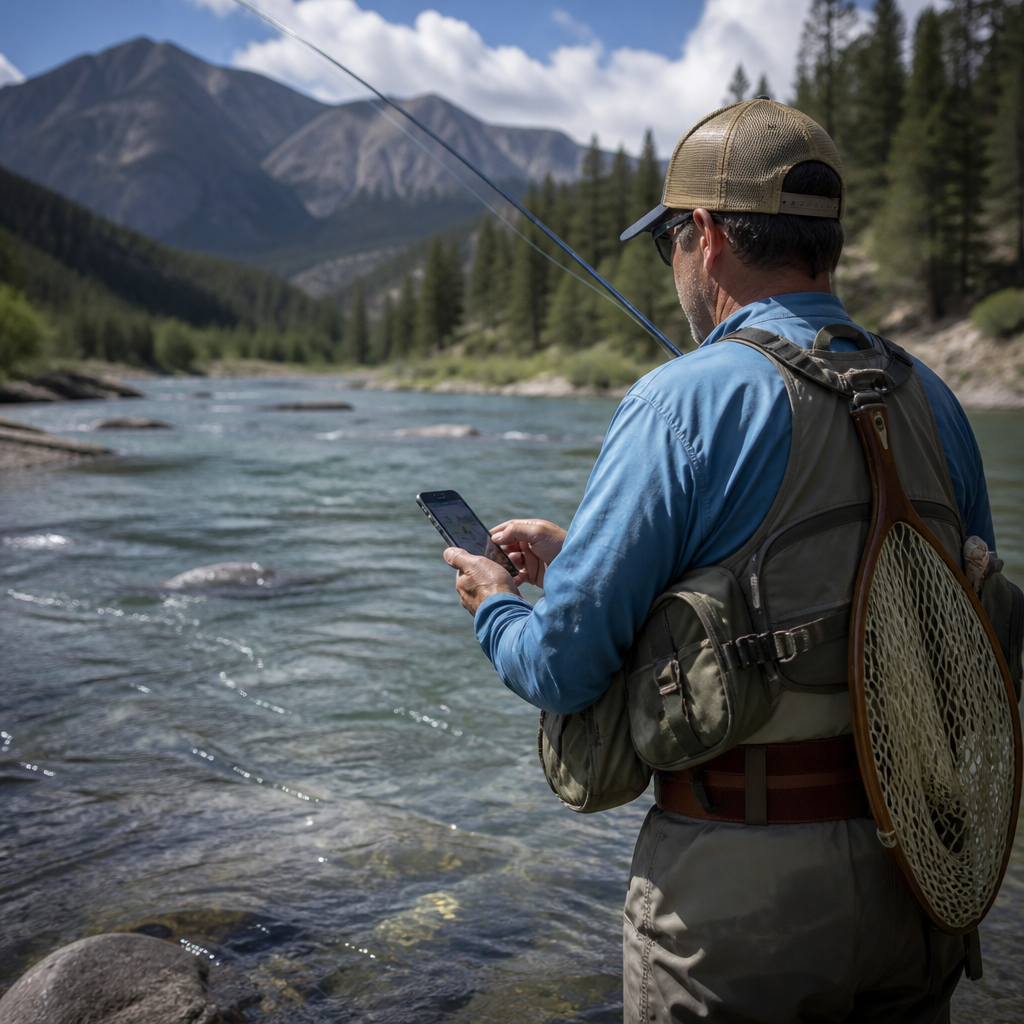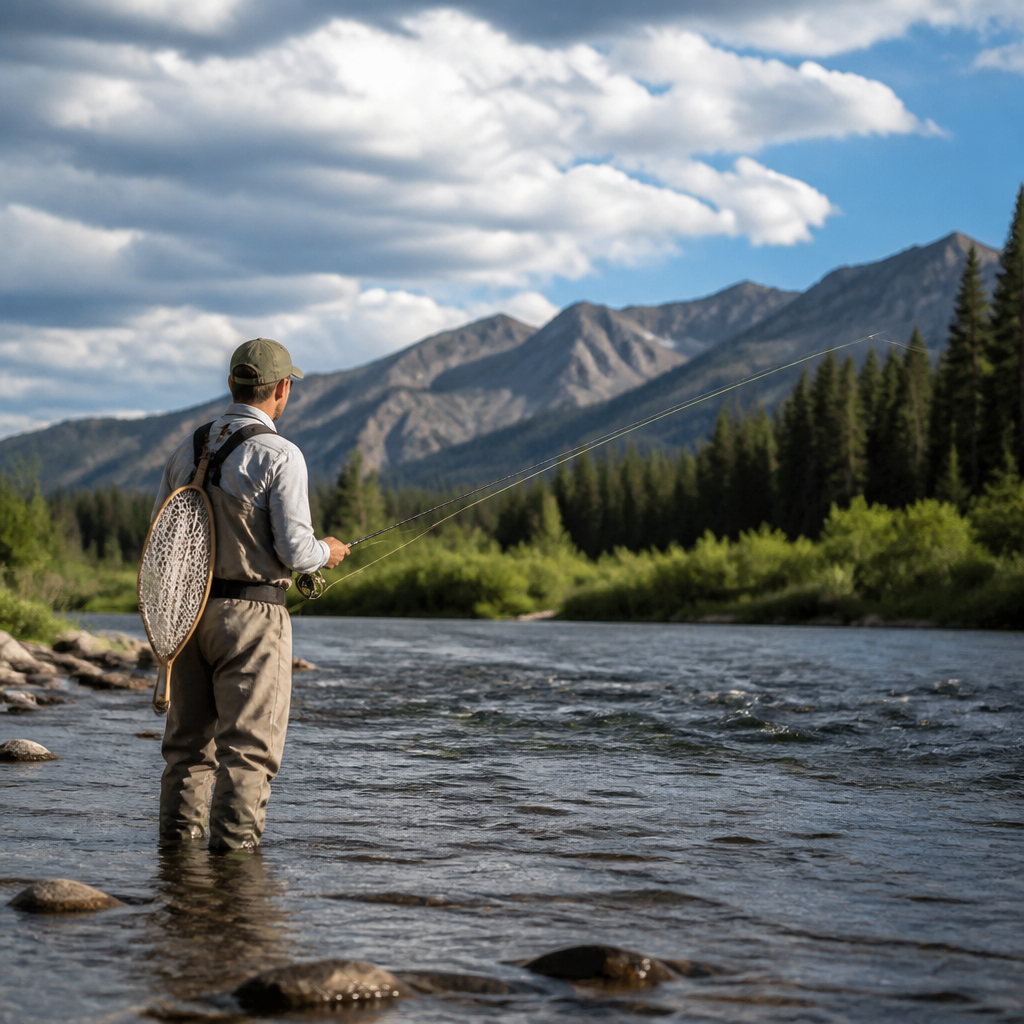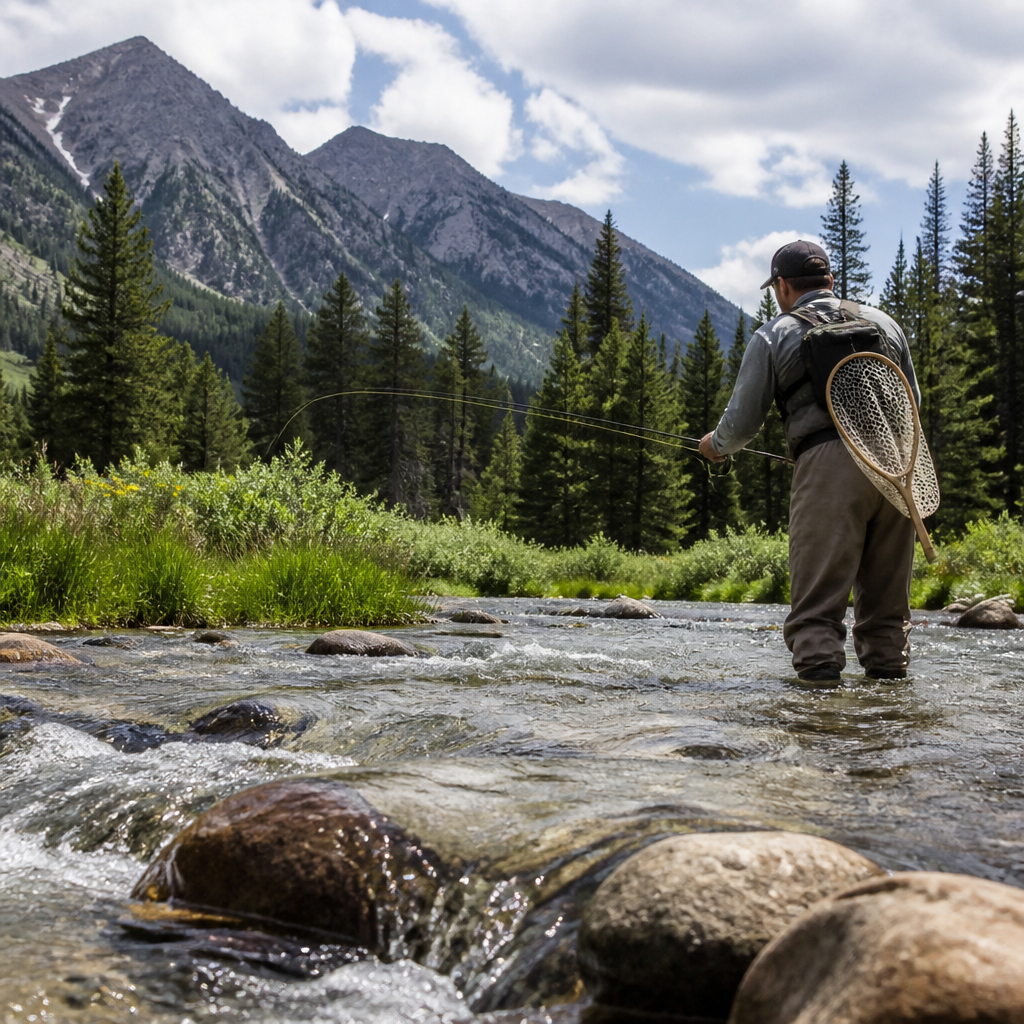
Fly fishing in mountain streams demands a different mindset than fishing broad rivers or stillwater lakes because current speed, pocket water, steep gradients, and highly alert trout compress every decision into a few seconds. In practical terms, mountain streams are cold, oxygen-rich waterways that often run through high-elevation valleys, forested canyons, and freestone systems fed by snowmelt, springs, or seasonal rain. Water types and conditions refers to the specific features an angler reads before making a cast: riffles, runs, plunge pools, pocket water, undercut banks, tailouts, clarity, temperature, flow volume, and light. I have spent enough dawns scrambling over slick boulders and enough afternoons untangling leaders in rhododendron to know that success here rarely comes from longer casts or fancier gear. It comes from reading water accurately, matching presentation to current, and carrying equipment that solves mountain-stream problems instead of creating them. This matters because mountain trout hold in smaller feeding lanes, shift position quickly as conditions change, and punish poor approach angles. A ten-inch brook trout in six inches of moving water can be harder to fool than a much larger fish in a calm pool. For anglers building a reliable system, understanding water types and conditions is the central skill that connects fly selection, rod choice, wading safety, seasonal timing, and catch rates.
Why water types control trout behavior
In mountain streams, trout location is governed by three constants: food availability, oxygen, and security from predators. Every visible piece of water can be evaluated through that lens. Riffles supply oxygen and drifting insects, but fish usually hold on the slower seams beside the fastest current, not in the heaviest tongue itself. Runs provide steadier depth and current, making them dependable holding water through much of the day. Plunge pools form below drops and boulders where falling water excavates depth; larger trout often sit on the softer edges, ready to intercept nymphs and terrestrials washing through. Pocket water consists of short, broken currents around rocks, and it is classic high-elevation habitat because turbulence hides the angler and gives trout many micro-lanes to feed in with little energy output.
When I teach mountain-stream anglers, I recommend classifying water in seconds, not minutes. Ask: where is the cushion current? Where does fast water meet slow? Where would a trout rest without losing access to food? Those questions matter more than exact insect names early in the day. Brook trout frequently occupy the heads of small pools, rainbow trout often use current seams aggressively, and brown trout prefer cover such as logjams, undercut banks, shadow lines, and the darker slots beneath overhanging rock. None of those tendencies are absolute, but they are dependable enough to guide first casts. In small water, first casts matter disproportionately because fish have less room to reset after being lined or splashed. Reading water well means fishing the highest-percentage lies first, from the safest and least visible position possible.
Reading mountain stream structure: riffles, runs, pools, and pockets
Riffles are often the most forgiving water for beginners because broken surface texture conceals mistakes. Focus on the transition lines along the edges, behind fist-sized to backpack-sized rocks, and at the tail end where insects drift into slightly deeper water. In summer, I often fish riffles with a dry-dropper because trout have short decision windows and react to buoyant patterns quickly. Runs deserve slower, more deliberate coverage. Their even flow can create drag instantly, so shorter casts, high-stick drifts, and reach mends are more important here than in chaotic pocket water. Productive runs often include subtle depth changes that are easy to miss until polarized lenses reveal a dark trench or submerged ledge.
Pools in mountain streams vary from bathtub-deep plunge basins to slick glides no longer than a pickup truck. The common mistake is casting into the center first. Trout in clear pools are usually arranged by hierarchy: smaller fish near the lip or shallower margins, better fish near depth, cover, or the seam entering the pool. Start at the near edge, then work upstream. Tailouts, the thinning water at a pool’s exit, can be exceptional during insect activity because trout line up to intercept concentrated food. Pocket water is a numbers game and a precision game at once. Each cushion behind a rock may hold a fish, but your drift window may be only two feet. That is where a short rod stroke, a compact leader, and a quick pickup become more valuable than distance casting.
| Water type | What trout want there | Best presentation | Common mistake |
|---|---|---|---|
| Riffle | Oxygen and steady drifting food | Dry-dropper or short upstream nymph drift | Ignoring edge seams |
| Run | Moderate current with stable depth | High-stick nymphing with controlled mends | Too much line on the water |
| Plunge pool | Depth, cover, and concentrated current | Short drift through soft edges and bottom slots | Fishing only the center churn |
| Pocket water | Protection and many micro feeding lanes | Quick, accurate casts to each cushion | One cast per section instead of many targets |
| Tailout | Sorted food and softer current | Longer, finer presentation from downstream | Wading too close before casting |
How flow, clarity, and temperature change strategy
Water conditions can matter more than fly pattern. Flow level determines where trout can hold efficiently. During normal summer flow, fish spread through riffles, pockets, and shaded runs. In high water after rain or rapid snowmelt, they slide to current breaks: soft banks, inside bends, eddies, downstream rock cushions, and flooded margins where the main current no longer overwhelms them. Many anglers keep casting into the middle of the river when the better fish are practically at their boots in six to eighteen inches of softer water. Low water reverses the problem. Fish become concentrated in depth and cover, and clear surfaces increase their caution. Longer leaders, finer tippet, lower approach angles, and drab clothing suddenly matter a great deal.
Clarity changes feeding confidence. Slight stain is often ideal because trout feel secure while still seeing flies well. Chocolate runoff, by contrast, is usually a poor use of time unless the stream has only risen modestly and visibility remains at least a foot or two. Temperature is the condition many mountain anglers notice too late. Most trout feed actively in cool water, and as temperatures climb into stressful ranges, especially for brook and brown trout in smaller streams, activity windows shrink toward morning and late evening. A stream thermometer is one of the most underrated tools in a vest. I rely on one during midsummer because a beautiful stream can still fish poorly or become unsafe for trout if water warms too much in exposed reaches. Cold shoulder-season water creates a separate challenge: trout hold slower and deeper, so weighted nymphs and reduced drag become more important than surface action.
Essential fly fishing gear for mountain streams
The best mountain-stream gear is light, durable, and compact. For most situations, a 7.5- to 8.5-foot rod in 3- or 4-weight covers small to medium streams efficiently. A shorter rod helps under overhanging branches and in tight canopies, while an 8.5-foot rod gives better line control across mixed currents. On tiny rhododendron creeks, a 6.5- to 7.5-foot fiberglass or moderate-action graphite rod can be delightful, but for a generalist setup I still prefer a crisp 8-foot 4-weight because it can cast dries, dry-droppers, and light nymph rigs without feeling limited. A simple reel with a smooth drag is enough since most mountain trout are managed by hand pressure, but balance and reliability matter. Weight-forward floating line is standard. Specialty tapers can help, yet line cleanliness and proper loading matter more than marketing claims.
Leaders and tippet should match stream size and fly style. I commonly carry 7.5-foot leaders for tight brushy streams and 9-foot leaders for clearer, flatter pools. Tippet from 6X to 3X covers most needs: 6X for technical dries in low clear water, 5X as a versatile default, 4X for dry-droppers, and 3X for bushy terrestrials or small streamers. Wading gear should prioritize traction and safety. Felt soles are restricted in some regions, so check local rules; modern rubber soles with studs often perform well on slick freestone rock. A wading staff is not overkill on steep gradients. Add polarized glasses, hemostats, nippers, floatant, split shot, strike indicators, and a compact net with a rubber bag to protect fish. Good rainwear also matters in the mountains, where weather can shift from bright sun to cold runoff in an hour.
Fly selection and presentation for changing conditions
Mountain streams reward a focused fly box, not an oversized one. If I were building a practical kit for this hub topic, I would center it on attractor dries, small mayfly and caddis imitations, beadhead nymphs, soft hackles, terrestrials, and a few compact streamers. Parachute Adams, Elk Hair Caddis, Stimulator patterns, Chubby Chernobyl styles, and small foam beetles cover much of the dry-fly work. For subsurface fishing, Pheasant Tail, Hare’s Ear, Zebra Midge, Prince Nymph, Walt’s Worm, and stonefly nymphs are durable producers. In off-color water or undercut habitat, small woolly buggers and sculpin-style streamers can move fish that ignore dead drifts. The point is not that these are the only productive patterns. The point is that each solves a predictable problem tied to water type and condition.
Presentation should change before fly choice changes. In pocket water, short-line drifts and repeated casts let you cover many lies rapidly. In smooth tailouts, slack is your friend at the start of the drift, so use reach casts or pile casts to buy a drag-free first second. In plunge pools, get the fly down immediately by shortening leader butt sections, adding a small amount of weight, or using a heavier anchor fly. During terrestrial season, especially late summer, casts tight to grassy banks and under overhanging limbs often outperform textbook midcurrent drifts. When fish refuse a dry in clear water, downsizing and lengthening tippet helps, but so does stepping back. I have watched anglers change five flies when the real problem was their shadow crossing the pool. Mountain streams are intimate, and intimacy magnifies every presentation error.
Approach, safety, and seasonal decision-making
Stealth is gear, even though you cannot buy it in a shop. Move from downstream whenever possible, keep a low profile, and avoid pushing wakes through calm edges. On small streams, kneeling is often more valuable than casting skill. Wading should be selective, not automatic. Every step adds vibration and risk, and in many mountain streams the best line is from the bank or a midstream boulder already above the fish. Safety deserves equal attention. Freestone streams change fast after storms, and cold water plus uneven rock can turn a simple crossing into a dangerous one. Tell someone where you are going, carry a small first-aid kit, and respect afternoon thunderstorms in exposed valleys.
Seasonal strategy ties all the previous sections together. Spring often brings high flows, cold water, and strong subsurface fishing in softer edges and transitional water. Early summer can be prime because flows stabilize, insect life expands, and trout feed broadly across riffles and runs. Late summer usually shifts emphasis toward low-light periods, terrestrials, and shaded headwaters. Fall offers aggressive fish, especially browns, but clear water demands a careful approach. Winter is viable where regulations allow, yet success depends on fishing the warmest part of the day and targeting slower slots with precise drifts. As a hub for water types and conditions, the essential lesson is simple: mountain streams are not random. Trout use structure predictably, conditions reshape those choices daily, and the right gear only matters when it supports sound water reading. Learn to identify current seams, oxygen-rich feeding lanes, temperature windows, and protective cover, and your fly fishing in mountain streams becomes more consistent, safer, and more enjoyable. The next step is to apply this framework on your local stream, keep notes on conditions, and build your technique around what the water tells you.
Frequently Asked Questions
What makes fly fishing in mountain streams different from fishing larger rivers or lakes?
Fly fishing in mountain streams is more compressed, technical, and immediate than fishing broad rivers or stillwater lakes. In larger waters, anglers often have more time to study current seams, make longer presentations, and adjust after a drift. In a mountain stream, the opposite is usually true. Fast current, steep gradient, plunge pools, boulders, undercut banks, and tight pocket water create many small feeding lanes, but each one may only hold a fish for a brief window of opportunity. Trout in these systems are often highly alert because they live in clear, shallow, oxygen-rich water and are exposed to predators from above. That means your approach, position, cast, drift, and hook set all need to happen quickly and accurately.
Another major difference is how close you often need to fish. Instead of repeatedly casting long distances, mountain stream anglers commonly make short, controlled presentations at close range. Stealth becomes a top priority. Staying low, using streamside cover, approaching from downstream when possible, and avoiding unnecessary false casts all matter. Water reading also changes. Rather than focusing on broad runs and extended seams, you are targeting micro-habitats such as pockets behind rocks, foam lines, plunge pool tails, soft edges beside fast current, and shaded undercuts. In short, mountain stream fishing rewards mobility, observation, precision, and adaptation more than raw casting distance.
What gear works best for fly fishing in mountain streams?
The best mountain stream setup is usually light, compact, and designed for short-to-medium range control. A fly rod in the 2-weight to 5-weight range is ideal for most small-stream situations, with a 3-weight or 4-weight being the most versatile choice. Rod length often falls between 7 and 9 feet, depending on stream size and vegetation. Shorter rods are easier to manage under tree cover and in narrow canyons, while slightly longer rods help with line control, high-sticking, and keeping more fly line off conflicting currents. A weight-forward floating line is the standard choice because most mountain stream techniques involve dry flies, dry-dropper rigs, small nymphs, and short drifts.
Your leader and tippet setup should match water clarity, fly size, and fish behavior. In clear, low water, longer leaders and finer tippet can improve presentations. In turbulent pocket water, shorter leaders can make casting and strike detection easier. Carrying tippet in a few sizes gives you flexibility. Essential flies typically include attractor dries, parachute patterns, caddis imitations, small mayflies, terrestrials, and weighted nymphs such as stonefly and beadhead patterns. Gear beyond the rod and flies is just as important. Good wading boots with reliable traction, polarized sunglasses, a small pack or vest, forceps, nippers, floatant, indicators, split shot, and a landing net all improve efficiency and safety. If the stream is especially cold or flows through rough terrain, layered clothing and cautious footwear choices become critical. The best gear is not the heaviest or most expensive; it is the setup that helps you move safely, stay organized, and make accurate drifts in tight water.
How do you read water effectively in a mountain stream?
Reading mountain stream water starts with understanding that trout rarely hold randomly. Even in small creeks, they seek the same three fundamentals: food, oxygen, and protection from current and predators. Because mountain streams are cold and oxygen-rich, oxygen is usually abundant, so current shelter and feeding efficiency become especially important. Look first for places where fast and slow water meet. Trout often hold just behind boulders, beside submerged structure, at the heads and tails of pools, along undercut banks, and in plunge pools where food gets funneled through a concentrated lane. Pocket water is especially productive because each rock can create a miniature feeding station.
The key is to break the stream into small, fishable targets instead of seeing it as one continuous flow. In a short section of water, there may be ten distinct lies: a soft seam behind a rock, a shaded side pocket, a slot between currents, a calm cushion at the front of a boulder, or a narrow tailout where drifting insects collect. Depth also matters. Even a few extra inches of depth can make a spot attractive, particularly in bright conditions. During sunny periods, trout may tuck tightly to cover or slide into shaded water. During higher flows, fish often move closer to banks and softer edges to avoid expending energy in heavy current. The more accurately you can identify these small holding zones, the fewer wasted casts you make and the more efficiently you cover water.
What fly patterns and presentations are most effective for mountain stream trout?
Mountain stream trout are often opportunistic, but that does not mean presentations can be careless. Effective patterns usually include a mix of dry flies, nymphs, and attractor-style offerings that match the size and energy of the water. Dry flies such as stimulators, elk hair caddis, parachute adams-style patterns, and small foam terrestrials are proven choices because they are visible, versatile, and imitate a range of insects. In many mountain streams, a dry-dropper rig is one of the most efficient setups because it covers surface feeders while probing the subsurface feeding zone with a small nymph. Nymphs like beadhead pheasant tails, hare’s ears, stonefly imitations, and midge or mayfly patterns often produce when trout are holding deeper in pockets and runs.
Presentation is usually more important than exact imitation. Short drifts are the norm, so your goal is to land the fly softly and achieve a drag-free drift almost immediately. In pocket water, a high-stick or tight-line style presentation can be extremely effective because it reduces conflicting currents and keeps the fly in the strike zone longer. In calmer pools, longer leaders, softer landings, and more careful approach angles become necessary. Many strikes happen within seconds of the fly landing, especially in compact current lanes. That means you should be ready to set quickly, but without overreacting. If fish refuse a dry fly, downsizing, changing the profile, or switching to a nymph can make the difference. A practical mountain stream angler rotates patterns based on water type, light, season, and trout response rather than forcing one method all day.
What are the most important tips for stealth, safety, and success in mountain streams?
Stealth, safety, and efficiency are tightly connected in mountain streams because the environment is often beautiful but unforgiving. For stealth, start by approaching slowly and deliberately. Trout in clear, shallow water can detect heavy footsteps, abrupt rod movements, and obvious silhouettes against the sky. Fish from downstream or from the side whenever practical, stay low, use natural cover such as boulders and streamside vegetation, and cast only as much line as needed. Avoid stepping into productive water before fishing it thoroughly. In many small streams, the best lie may be only a rod length away, and one careless step can spook the fish you never realized was there.
For safety, never underestimate current, slick rocks, steep banks, or rapidly changing weather. Mountain streams often run through uneven terrain, and even shallow water can be hazardous on algae-covered stones or in narrow channels with strong flow. Good traction, deliberate foot placement, and conservative wading decisions are essential. Consider using a wading staff in difficult crossings, and always be aware of cold-water exposure, especially in early season snowmelt conditions. If you are fishing remote areas, tell someone where you are going and carry basic essentials such as water, a small first-aid kit, and weather-appropriate layers. For overall success, move methodically, cover likely water thoroughly but efficiently, and let the stream teach you where fish are holding that day. Mountain stream trout can be aggressive one hour and selective the next, so the anglers who consistently do well are the ones who stay observant, adapt quickly, and combine sound technique with respect for the water.