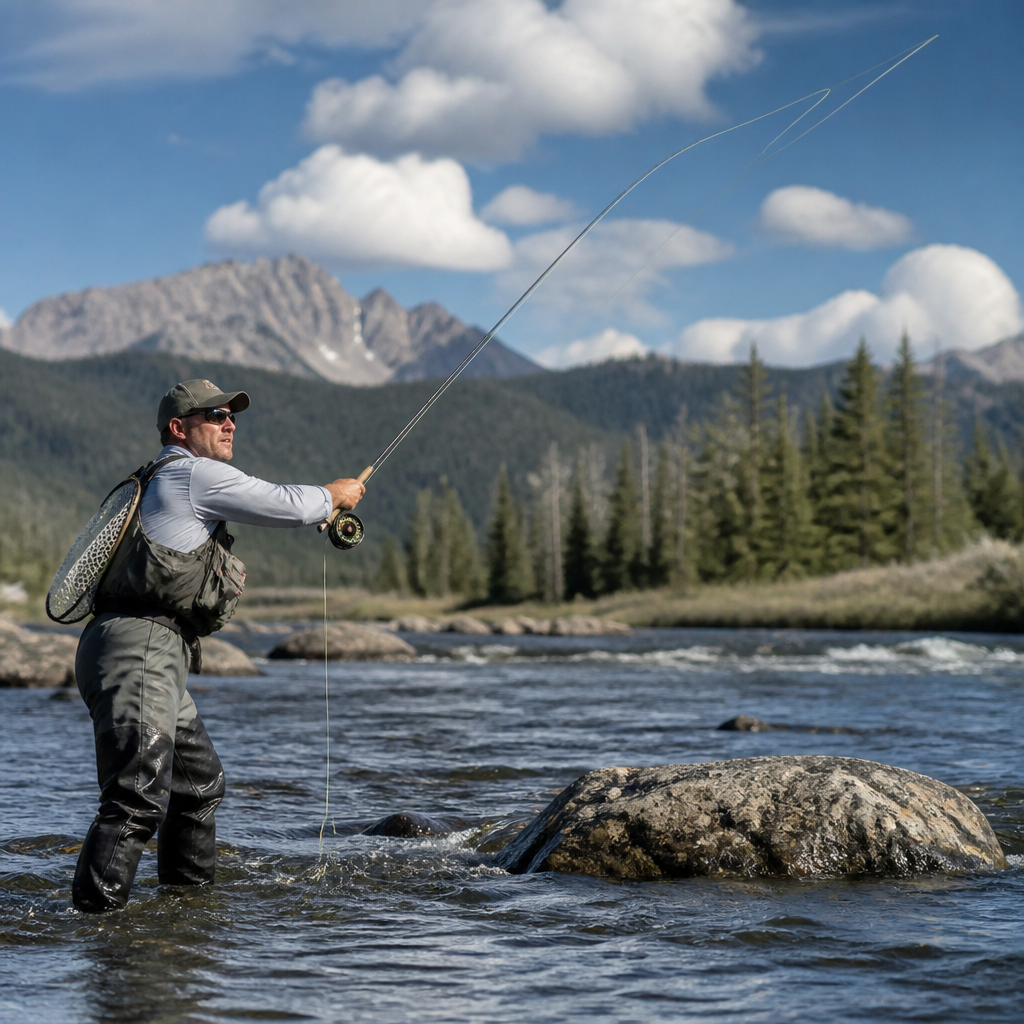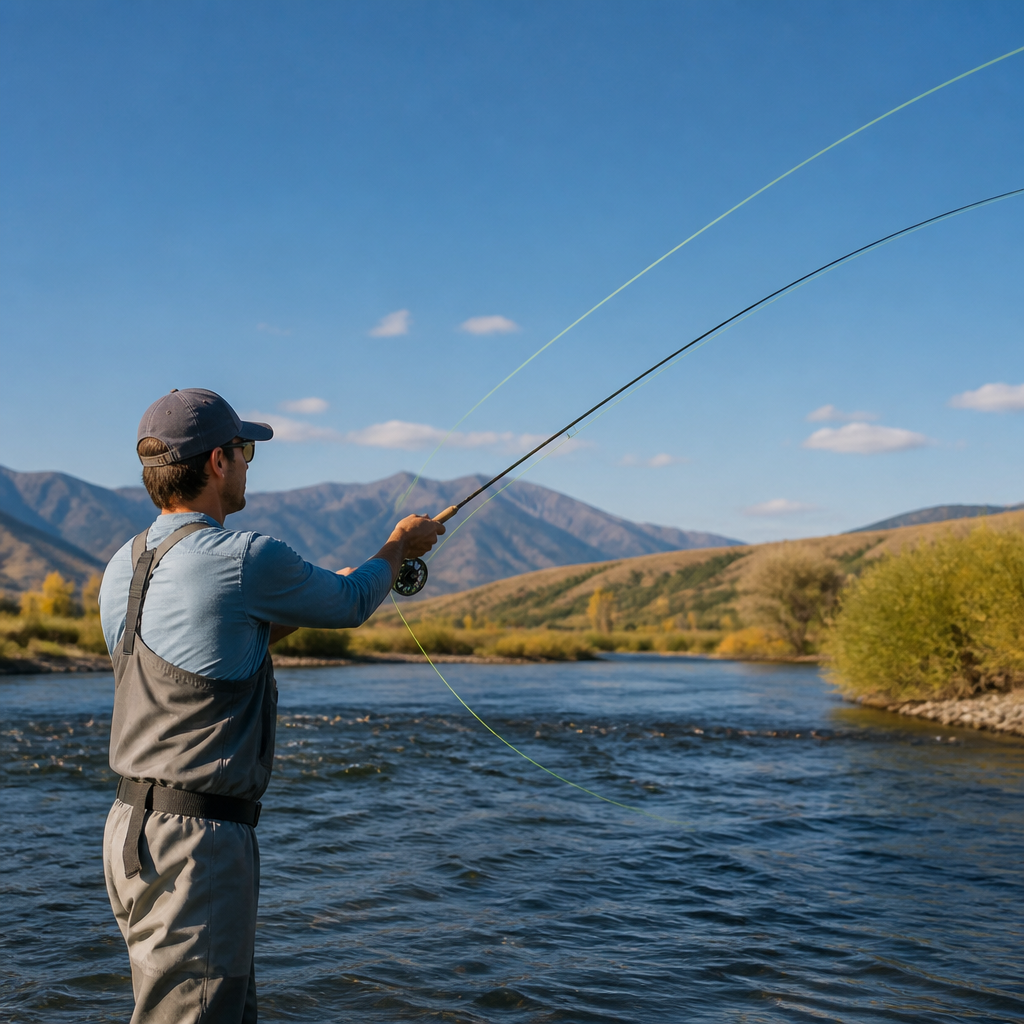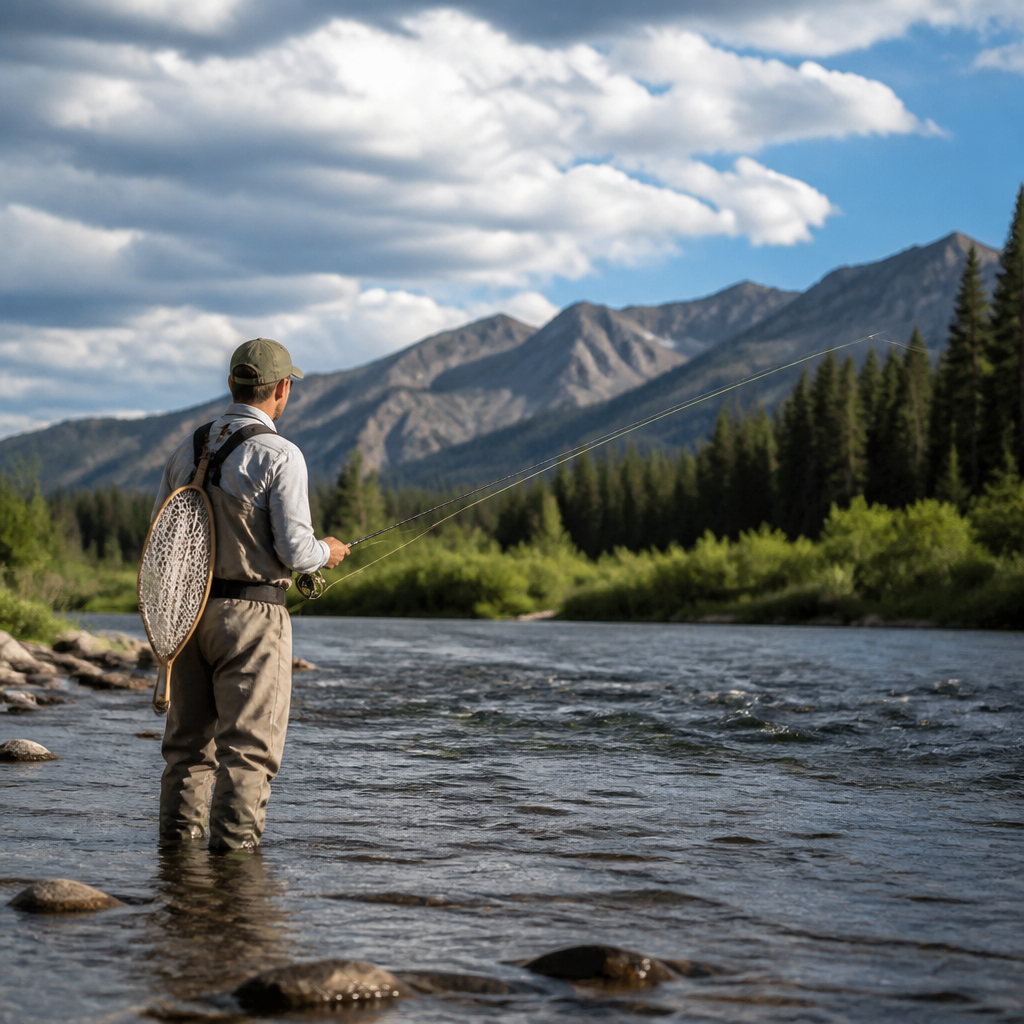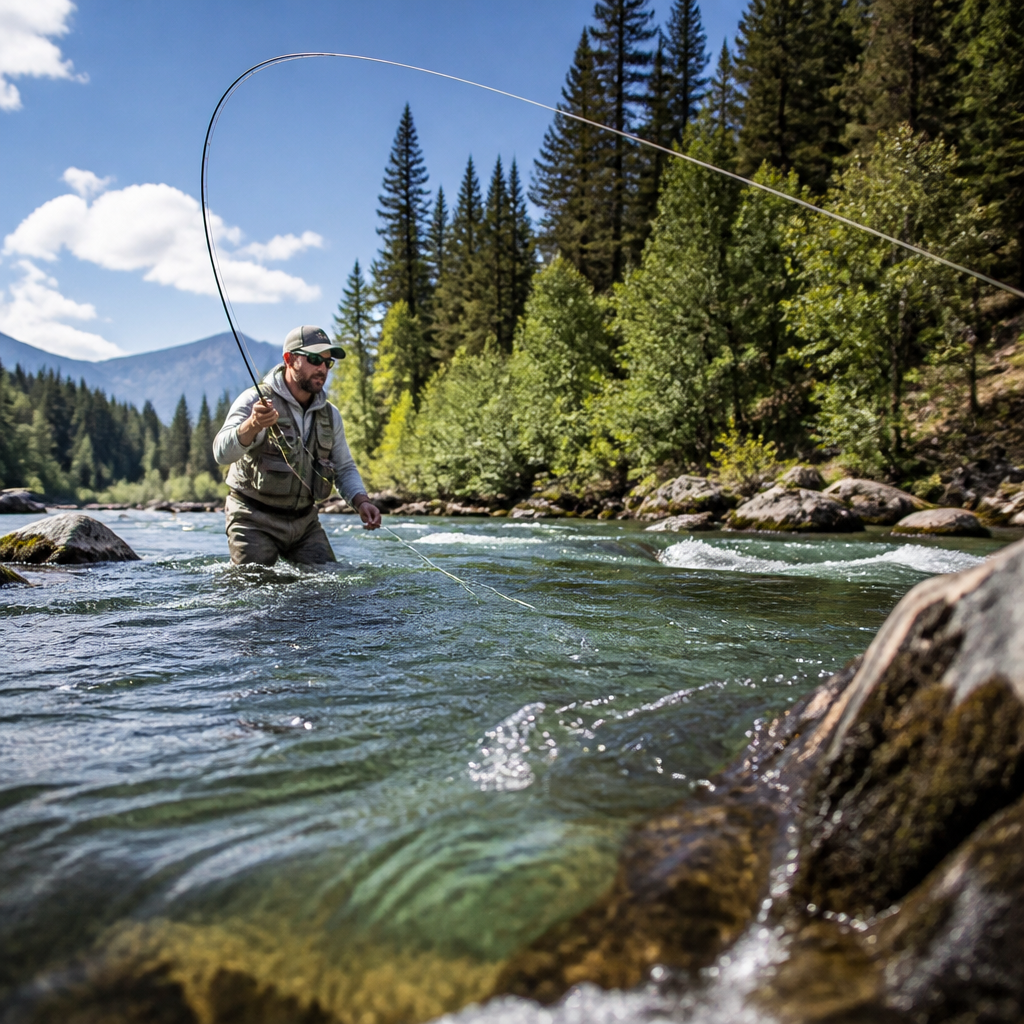
Fly fishing in freestone rivers demands observation, mobility, and a clear understanding of how current, structure, and seasonal conditions shape trout behavior. A freestone river is a stream primarily fed by rain, snowmelt, and runoff rather than bottom-release dams or constant spring inflows, so its flow and temperature fluctuate more dramatically through the year. That variability is exactly why anglers love them and why they can be difficult. On one day a river may run cold, broken, and ideal for pocket-water dry flies; a week later it may be warm, clear, and technical. I have fished freestones from small Appalachian creeks to broad Rocky Mountain drainages, and the same rule keeps proving true: success comes from reading water types and conditions before choosing flies, rigs, and presentations.
As a hub article within techniques and strategies, this guide focuses on water types and conditions across freestone rivers. The goal is not only to help you catch more fish today, but to give you a framework you can apply on any watershed. You need to know where trout hold during normal summer flows, where they slide when runoff rises, how light changes feeding lanes, and which river sections remain fishable during weather swings. Key terms matter here. “Holding water” means the exact place a fish can rest with minimal effort while staying close to food. “Feeding lane” is the seam or current path delivering insects. “Structure” includes rocks, ledges, logs, banks, and depth changes that alter current. Once you understand those concepts in moving water, fly selection becomes simpler and more logical.
Freestone river fly fishing also matters because these rivers reward transferable skill more than pattern memorization. Hatch charts help, but current analysis, wading decisions, and seasonal timing often matter more than the exact shade of olive dubbing. Strong freestone anglers ask practical questions immediately: Is the river rising, dropping, or stable? How clear is the water? Where are soft edges near fast current? Are trout likely hugging depth, suspended in softer pockets, or looking up in riffles? This article answers those questions directly and sets up deeper exploration of related subjects such as nymphing pocket water, fishing high water, targeting undercut banks, and adapting to low clear conditions. Think of this as your map for understanding how trout use every major freestone water type, and how you should respond with efficient, fishable strategies.
How Freestone Rivers Behave
Freestone rivers are dynamic systems. Their flows respond quickly to snowmelt, thunderstorms, heat, drought, and overnight temperature swings. Unlike tailwaters, which often maintain relatively consistent temperatures and insect production due to controlled releases, freestones can warm rapidly in summer afternoons and spike in discharge after a single storm cell. That means trout location changes more often. Brown trout, rainbow trout, brook trout, and cutthroat all use the same basic energy equation: they want protection from current, access to oxygen, and food delivered efficiently. In freestones, those needs are met differently from hour to hour and season to season.
The key water types on most freestone rivers are riffles, runs, seams, pools, pocket water, plunge pools, side channels, tailouts, and soft edges along banks or behind structure. Riffles oxygenate water and produce insects, so they are prime feeding zones, especially in moderate temperatures. Runs combine depth and speed and often hold the most consistently catchable trout because fish can shift only a few feet to adjust comfort. Pools look attractive, but many anglers overfish the obvious center and ignore the productive transitions at heads, shelves, and tailouts. Pocket water, common on steeper freestones, offers hundreds of micro-positions where trout can hold close to the bottom and intercept food in short windows. Your job is to stop seeing a river as one flow and start seeing it as a collection of specific current cushions and feeding stations.
Hydrology gives you the logic. Current speeds up where the channel narrows and slows where depth increases or obstacles disrupt flow. Water near the bottom and near the bank usually moves slower than surface water in the thalweg, the deepest, fastest path of the main current. Trout exploit that difference constantly. On freestones with cobble bottoms, a fish may hold inches behind a rock where current drops dramatically. In larger boulder fields, entire soft lanes form downstream of structure. Watching drifting foam, bubbles, or leaf fragments can reveal these lanes quickly. In practical terms, if you can identify where fast water meets soft water, where depth meets oxygen, and where cover meets food, you can predict trout lies before your first cast.
Reading Water by Condition and Season
Water conditions determine not only where fish hold but how aggressively they feed. Stable flows generally produce the most predictable fishing because trout can resume normal feeding positions. Rising water often pushes fish toward banks, behind large structure, and out of the heaviest current. Dropping water can be excellent because trout regain confidence and food gets displaced, but abrupt drops may temporarily make fish cautious. Clarity is equally important. In slightly stained water, trout often feed boldly and move farther for a fly; in ultra-clear water, they slide into finer lies and punish drag or sloppy wading. Temperature may be the most important condition of all. Trout metabolism and oxygen needs shift with water temperature, and once temperatures creep into the upper sixties Fahrenheit, stress becomes a real concern. In my own fishing, I treat 68°F as a serious warning and 70°F as a stop sign on many trout streams.
Spring on freestone rivers is defined by transition. Before runoff, water can be cold but manageable, and midges, Blue Winged Olives, and early stoneflies create windows of activity. During runoff, fishability depends on gradient, tributary influence, and whether side channels or lower sections stay clear enough to present flies. Summer usually brings the broadest menu of options: dry-dropper rigs in riffles, terrestrial fishing along grassy banks, and nymphing deeper runs during bright hours. Low summer flows also expose how important stealth is. In autumn, cooler water and reduced recreational pressure often make freestones shine. Browns become more aggressive, and trout feed heavily in riffles and runs before winter. Winter concentrates fish in slower, deeper water, especially where current remains moderate and food drifts consistently.
| Condition | Where Trout Shift | Best Tactical Response |
|---|---|---|
| High, off-color water | Soft banks, eddies, current breaks behind boulders | Fish larger flies, shorten drifts, target edges first |
| Dropping flows | Seams near main current, heads of runs, pocket water | Use nymphs or streamers early, then check for dry fly activity |
| Low, clear water | Depth pockets, undercut banks, shaded riffles | Lengthen leaders, reduce fly size, approach from downstream |
| Hot afternoons | Cool tributary mouths, deeper runs, faster oxygenated riffles | Fish early, monitor temperature, stop before trout stress rises |
| Cold winter flows | Slow depths near moderate current | Drift small nymphs slowly and precisely near the bottom |
Weather changes should shape your daily plan. A cloudy day can extend surface feeding in riffles because trout feel secure. Bright sun often pushes fish tighter to cover, especially in low water, though it can improve visibility for anglers spotting structure and drift lanes. Wind matters more than many fly fishers admit. It knocks terrestrials into the river, roughens the surface enough to hide your approach, and can transform a slow afternoon into excellent hopper fishing along cut banks. Barometric pressure is less useful as a standalone rule than simple observation. If insect activity increases and fish rise, fish dries. If the river cools overnight and flows stabilize, expect stronger morning nymphing in classic current seams.
Strategies for Major Freestone Water Types
Riffles are high-percentage water because they combine oxygen, broken surface cover, and steady insect drift. On medium freestones, I often start at the tail of a riffle and work upstream, covering likely slots with a dry-dropper or indicator nymph rig. Trout in riffles are usually less selective than fish in flat pools, but they still prefer specific lanes where they can hold slightly out of the push. Focus on knee- to thigh-deep sections with mixed gravel and cobble. In mayfly hatches, trout may slide from adjacent runs directly into riffles to feed on emergers and duns. Dead drift matters, but in choppy water a short controlled drift is usually enough.
Runs are the backbone of many freestone rivers. They are long, moderate-speed sections where fish can set up at multiple depths. The best runs have visible seams, submerged structure, or a defined transition between fast center current and softer side water. For nymphing, adjust weight until flies tick bottom occasionally rather than constantly. For dry flies, target the soft inside seam first, then the stronger central lanes if fish are rising. Runs are also ideal places to cover with streamers during low light because trout can move laterally without exposing themselves.
Pocket water is classic freestone habitat and one of the most forgiving places for presentation errors. Every boulder creates a current pillow in front, a soft slot beside it, and a cushion behind it. Trout may hold in any of those positions depending on depth and light. In fast pocket water, shorter casts are better. High-stick nymphing, tight-line methods, or a compact dry-dropper setup let you keep little line on the water and maintain contact. Cover each pocket from closest to farthest to avoid lining fish. If a plunge pool has a foamy tongue entering at the head, fish that oxygen-rich seam thoroughly before moving on.
Pools require more discipline. The most productive sections are usually the head, where oxygenated current enters, and the tailout, where depth tapers and insects collect. Mid-pool fish can be selective and leader-shy in clear conditions. Long leaders, fine tippet, and precise drag-free drifts become essential. Streamers can work well in deeper pools early and late in the day, especially for larger browns tucked near wood or ledges. Tailouts often fish best with emergers, soft hackles, or small mayfly dries because trout station there to intercept insects as they rise or collect in slower water.
Undercut banks, root wads, and logjams are structure water rather than pure current type, but they deserve special attention because they hold some of the largest trout in freestone systems. These fish sit where overhead cover meets soft current. Casts need to be deliberate and close. Reach casts, tuck casts, or a sidearm presentation can slip flies into narrow lanes. Terrestrials, streamers, and weighted nymphs all have a place here. The tradeoff is risk: you will lose flies. That is acceptable if you are fishing to the right targets instead of avoiding the fishiest water on the river.
Presentation, Fly Selection, and On-River Decision Making
Presentation always outweighs pattern in freestone rivers, but pattern still needs to match water type and food form. In rough riffles and pocket water, attractor dries such as Chubby Chernobyls, Stimulators, and high-vis parachute patterns are effective because trout have little time to inspect. Under those flies, a beadhead pheasant tail, perdigon, hare’s ear, or stonefly nymph covers much of the subsurface menu. In smoother runs and tailouts, fish see better, so profile and drift become more important. Comparaduns, CDC emergers, RS2s, Zebra Midges, and slim mayfly nymphs often outperform bushier attractors there.
Depth control is the central technical skill. Most missed opportunities happen because flies are drifting above the fish rather than in the feeding zone. Add split shot, choose a heavier anchor fly, or adjust leader length before changing patterns repeatedly. Strike detection also changes with water type. In turbulent pocket water, any pause or hesitation deserves a hook set. In smooth pools, takes may show only as a subtle wink in the leader or a trout’s white mouth beneath the fly. Good anglers stay connected without dragging the drift.
Approach matters as much as rigging. Move from downstream whenever possible, use broken water to hide your position, and avoid stepping into the river before fishing near-bank lies. On freestones, many trout hold much closer to shore than newcomers expect, especially during higher flows. I often make my first casts only a rod length off the bank because rising or pressured fish use that soft edge heavily. Wading staffs, studded boots, and conservative line choices are not optional on slick boulder rivers. A perfect drift is worthless if unsafe footing rushes your approach or ends the day early.
Finally, build decisions from evidence, not habit. If you see no bugs, no rises, and fish are hugging depth in cold morning water, start subsurface. If caddis are skittering and trout slash in riffles, switch quickly rather than clinging to a nymph rig. If a river warms too much by midday, stop or move to cooler tributary-influenced water. Successful freestone river fly fishing is a loop of observation, adjustment, and efficient coverage.
Common Mistakes and How to Avoid Them
The most common mistake is fishing only obvious water. Anglers love scenic pools and ignore shallow riffles, bank edges, and transition seams where trout feed most actively. Another error is changing flies too often without first adjusting depth, angle, or drift. In freestones, a twelve-inch change in indicator placement can matter more than a new pattern. Many anglers also wade too much. Each unnecessary step pushes waves through soft edges and eliminates the closest fish before the first true presentation. Fish the water nearest you, then advance carefully.
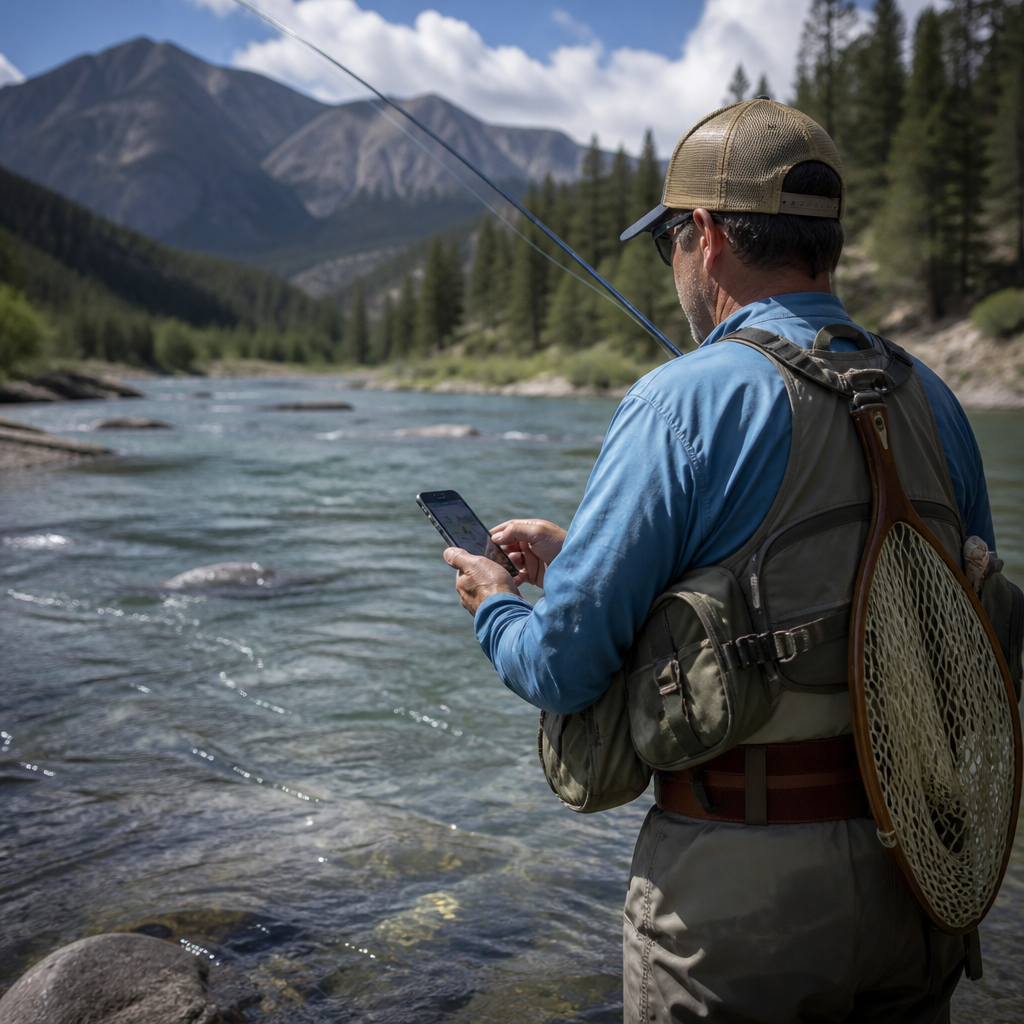
A second major mistake is ignoring river trends. A freestone that is dropping and clearing usually improves by the hour; one that is rising and discoloring may require a move to tributaries, side channels, or lower gradient sections. Learn to read USGS stream gauges, local snowpack reports, and water temperature apps from agencies or shops. Those tools compress years of trial and error. Another avoidable problem is ethical. During summer heat, trout can survive the fight but struggle after release. Carry a thermometer, fish mornings, keep fish wet, and walk away when conditions are marginal.
Fly fishing in freestone rivers becomes far less mysterious when you connect trout behavior to water type, flow, clarity, and temperature. Riffles, runs, pools, pockets, banks, and structure each fish differently, and conditions decide which of those areas is best on a given day. Stable water invites predictable feeding, rising flows push trout to shelter, low clear periods demand stealth, and warm afternoons require restraint. The best strategy is not a single fly or rig. It is a repeatable process: read the river, identify soft current near food, choose a presentation that reaches the feeding zone, and adjust quickly when evidence changes.
Use this page as your hub for the broader water types and conditions topic within techniques and strategies. Revisit it before fishing a new river, then drill deeper into specialized tactics for pocket water, high water, low clear flows, and seasonal hatches. If you apply these principles consistently, you will spend less time guessing and more time casting to trout that are actually catchable. On your next trip, bring a thermometer, watch the seams before you tie on a fly, and let the river tell you where to start.
Frequently Asked Questions
What makes a freestone river different from other trout streams?
A freestone river is primarily shaped by rainfall, snowmelt, and surface runoff rather than steady spring inputs or controlled dam releases. That means flows, water temperatures, clarity, and fish positioning can change quickly, sometimes within a single day. In practical terms, freestone rivers are often more dynamic, more seasonal, and less predictable than tailwaters or spring creeks. One week you may find cold, pushy water with trout tucked tight behind boulders, and the next you may be dealing with lower, clearer flows that force fish into softer seams, undercut banks, and shaded lies.
For anglers, this variability is the defining challenge and the main attraction. Freestone trout are strongly influenced by current speed, available cover, oxygen levels, and food drift, so they move according to changing conditions. During higher water, they typically avoid the heaviest current and hold where they can feed efficiently without burning energy. During lower summer flows, they become more selective, more exposed to angling pressure, and more dependent on depth, structure, and cool-water refuge. Understanding that freestone rivers are living systems in constant transition is the key mindset. Instead of asking where trout should be in general, successful anglers ask where trout can hold comfortably and feed effectively under the exact conditions in front of them.
Where should I look for trout in a freestone river?
Start by looking for the meeting point between food, shelter, and manageable current. Trout in freestone rivers rarely sit randomly. They choose lies that allow them to conserve energy while intercepting drifting insects, nymphs, or small baitfish. Some of the most reliable holding water includes current seams, riffle edges, plunge pools, pocket water behind rocks, undercut banks, submerged wood, tailouts during insect activity, and soft slots beside heavier flows. In broken water especially, trout often hold surprisingly close to your feet, tucked into short feeding lanes behind midstream boulders or in narrow cushions of slower water just off the main push.
Water speed matters as much as depth. A fast run may look fishy, but if it offers no soft cushion or depth break, trout may avoid it. On the other hand, a knee-deep riffle with broken surface chop can hold fish all day because it provides oxygen, cover from predators, and a steady food conveyor. In higher flows, shift your attention toward banks, side channels, inside bends, and any protected water adjacent to the main current. In lower, clearer conditions, fish may slide into deeper slots, shaded pockets, and structure-rich lies where they feel secure. Reading freestone water is really about identifying efficiency: where can a trout sit with minimal effort and maximum feeding opportunity? Find that, and you will consistently find fish.
What fly patterns and presentations work best on freestone rivers?
The most effective approach is usually to match the river’s mood rather than rely on one fixed setup. Freestone rivers reward versatility. Nymphing is often the most consistent tactic because subsurface food is available across changing conditions. Stonefly nymphs, mayfly nymphs, caddis larvae, attractor nymphs, and smaller droppers all play important roles. In cold or high water, larger flies and heavier rigs help get down quickly and draw attention in turbulent flow. In normal conditions, a two-fly nymph setup under an indicator or a tight-line presentation through pocket water can cover a lot of productive holding lies efficiently.
Dry-fly fishing can be outstanding when insects are active, especially during seasonal hatches of mayflies, caddis, and stoneflies, or during terrestrial periods when ants, beetles, and hoppers become important. In riffles and pocket water, attractor dries often perform well because trout have less time to inspect the fly. In smoother tailouts and slower glides, however, drag-free drifts and more precise fly selection become much more important. Streamers are also valuable, particularly during off-color conditions, higher flows, early season, late season, or whenever trout are willing to chase. The common thread in all good freestone presentations is line control. Mend early, stay connected, and target short, high-percentage drifts through likely lies instead of making long casts that are difficult to manage. On many freestone rivers, a short accurate cast with a natural drift outfishes a longer cast every time.
How should I adjust my strategy during different seasons and water conditions?
Seasonal adjustment is essential on freestone rivers because these systems respond directly to weather and runoff. In spring, flows are often elevated and cold, especially during snowmelt. Trout usually avoid the strongest current and hold in softer water near banks, behind large structure, and in slower seams adjacent to heavy flow. This is a good time to fish larger nymphs, weighted rigs, and streamers, and to focus on shorter, controlled drifts in water that offers refuge from the main push. As runoff subsides, fish spread into more classic feeding water, and the range of productive tactics expands.
Summer often brings lower, clearer water and more concentrated trout lies. Early morning and evening typically fish best, especially when afternoon temperatures rise. Look for oxygen-rich riffles, shaded banks, deeper runs, and spring seeps or tributary influence where temperatures stay cooler. Terrestrial fishing can become excellent, but stealth matters more in low water. In fall, trout often feed aggressively, and cooler temperatures can improve daytime fishing. Streamers, nymphs, and late dry-fly opportunities can all be effective. Winter usually calls for a slower, more deliberate approach. Fish become concentrated in softer, deeper runs and slower pools where they expend less energy. Smaller flies, finer presentations, and patience are often the difference. No matter the season, let river conditions dictate your plan. Water temperature, clarity, depth, and current speed should guide where you fish, what you fish, and how quickly you cover water.
What are the most important tips for successfully fishing freestone rivers?
First, observe before you cast. A few minutes spent watching current seams, insect activity, depth changes, and trout movement can save an hour of unproductive fishing. Freestone rivers reward anglers who read water carefully and move with purpose. Second, fish close and fish thoroughly. Many anglers step past productive water because they focus only on the obvious pool or far bank. Pocket water, side seams, and short slots often hold trout in abundance. Third, adapt constantly. If fish are not in classic lies, ask why. Is the water too high, too clear, too warm, too fast, or too bright? The answer usually tells you where to move next.
Mobility is another major advantage. Rather than standing in one place and changing flies endlessly, cover water intelligently and present to as many likely lies as possible. Keep your approach quiet, especially in low clear conditions, and wade only when it improves your angle or drift. Good line management, accurate casts, and natural presentations matter more than heroic distance. It also helps to think in terms of percentages: target the best structure first, make a few quality drifts, then keep moving. Finally, respect the river’s volatility. Freestone rivers can rise quickly, warm rapidly, or become difficult after storms and runoff pulses. Pay attention to weather, flow trends, and water temperature, and be willing to shorten the day or change locations if conditions deteriorate. The anglers who do best on freestone rivers are not just casting well; they are making good decisions all day long.