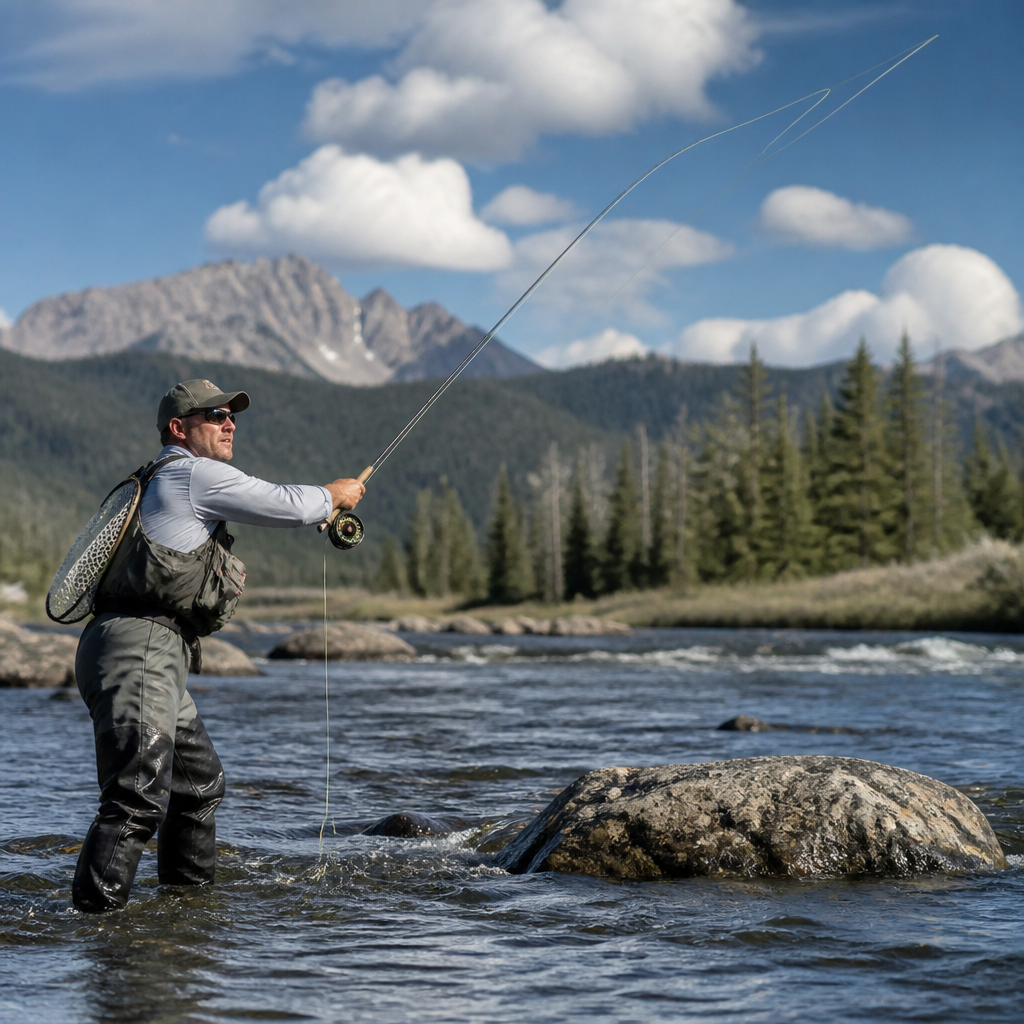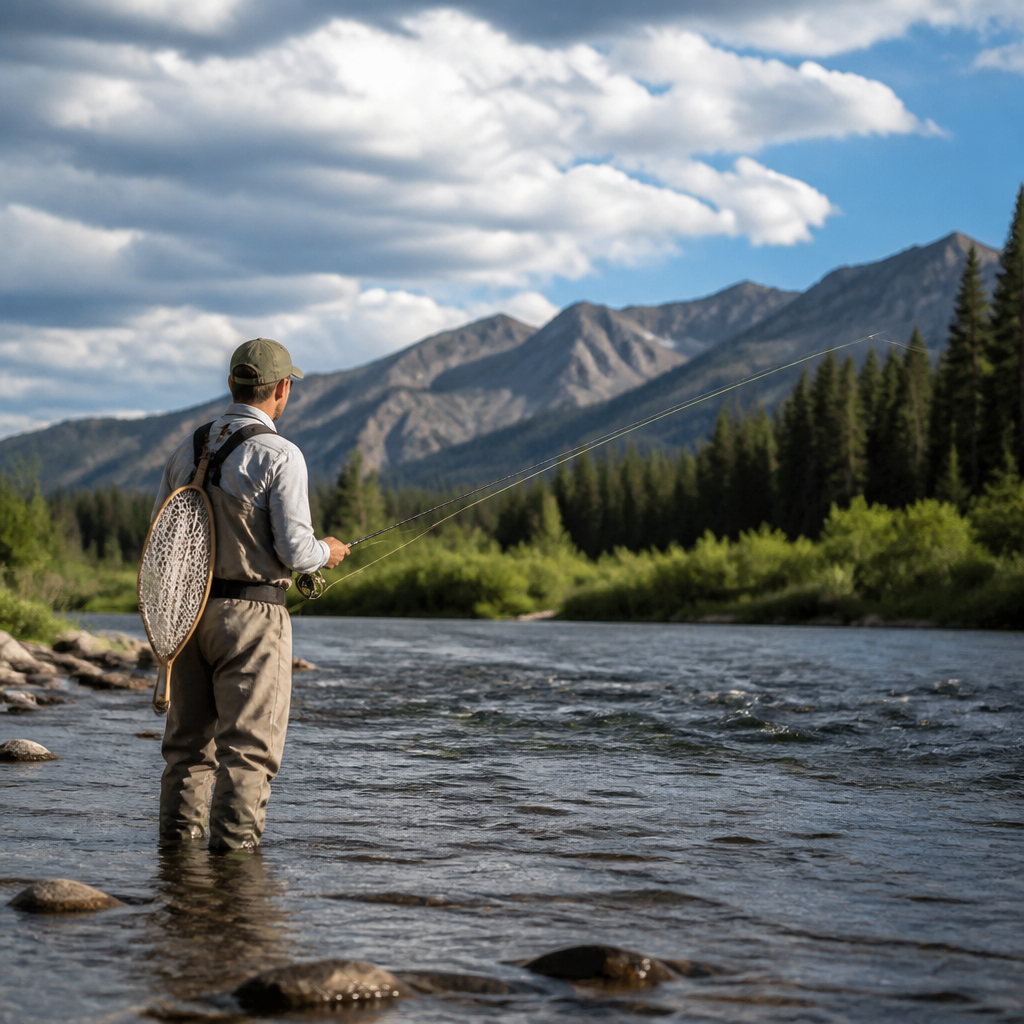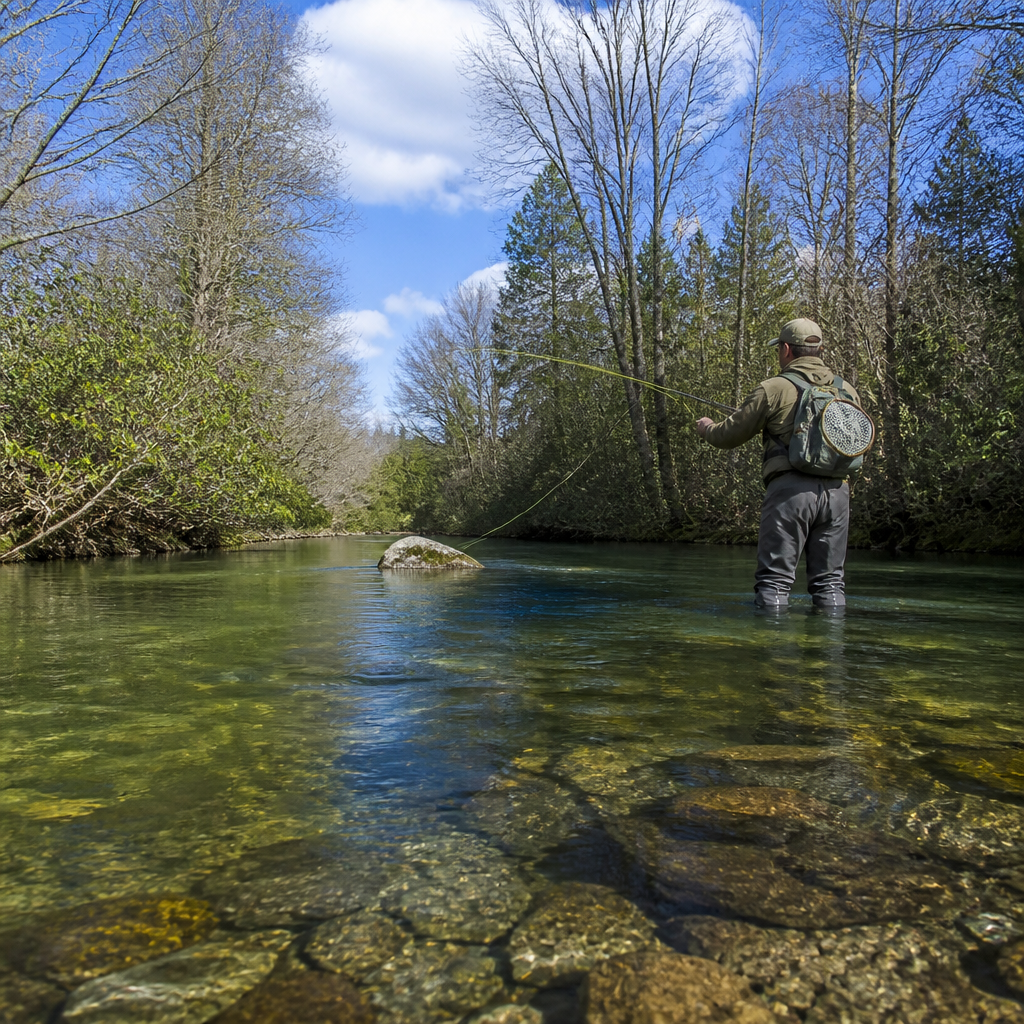
Fly fishing in spring creeks demands a different level of precision than freestone rivers, and that is exactly why so many anglers become obsessed with it. A spring creek is a stream fed primarily by groundwater emerging from springs, which gives it relatively stable temperatures, consistent flows, rich weed growth, and exceptional insect life. Those conditions create ideal trout habitat, but they also create selective fish that inspect flies carefully and reject poor presentations. When anglers talk about technical trout water, they are usually describing classic spring creek features: flat glides, undercut banks, clear currents, and trout feeding in narrow seams where every mistake is visible.
I have spent enough mornings crouched behind weed beds on spring creeks to know that success rarely comes from random casting. It comes from reading subtle water types and conditions, matching the dominant food source, and choosing gear that protects fine tippets while delivering accurate drifts. This matters because spring creeks punish sloppy technique yet reward methodical anglers with some of the most consistent dry-fly and nymph fishing available. As a hub for understanding water types and conditions, this guide explains how spring creeks behave, how trout use them through changing conditions, and what techniques and gear consistently work when fish have all the time in the world to study your fly.
What makes spring creeks unique
Spring creeks differ from snowmelt-driven and rain-driven streams in three important ways: temperature stability, water clarity, and biological productivity. Groundwater enters the system at a fairly constant temperature, often keeping summer water cooler and winter water warmer than surrounding rivers. That moderates stress on trout and extends feeding windows. It also supports aquatic vegetation, scuds, sowbugs, cress bugs, midges, mayflies, and small baitfish. On famous waters such as Silver Creek in Idaho, Armstrong’s Spring Creek in Montana, and Letort Spring Run in Pennsylvania, these food-rich conditions create trout that feed often but rarely carelessly.
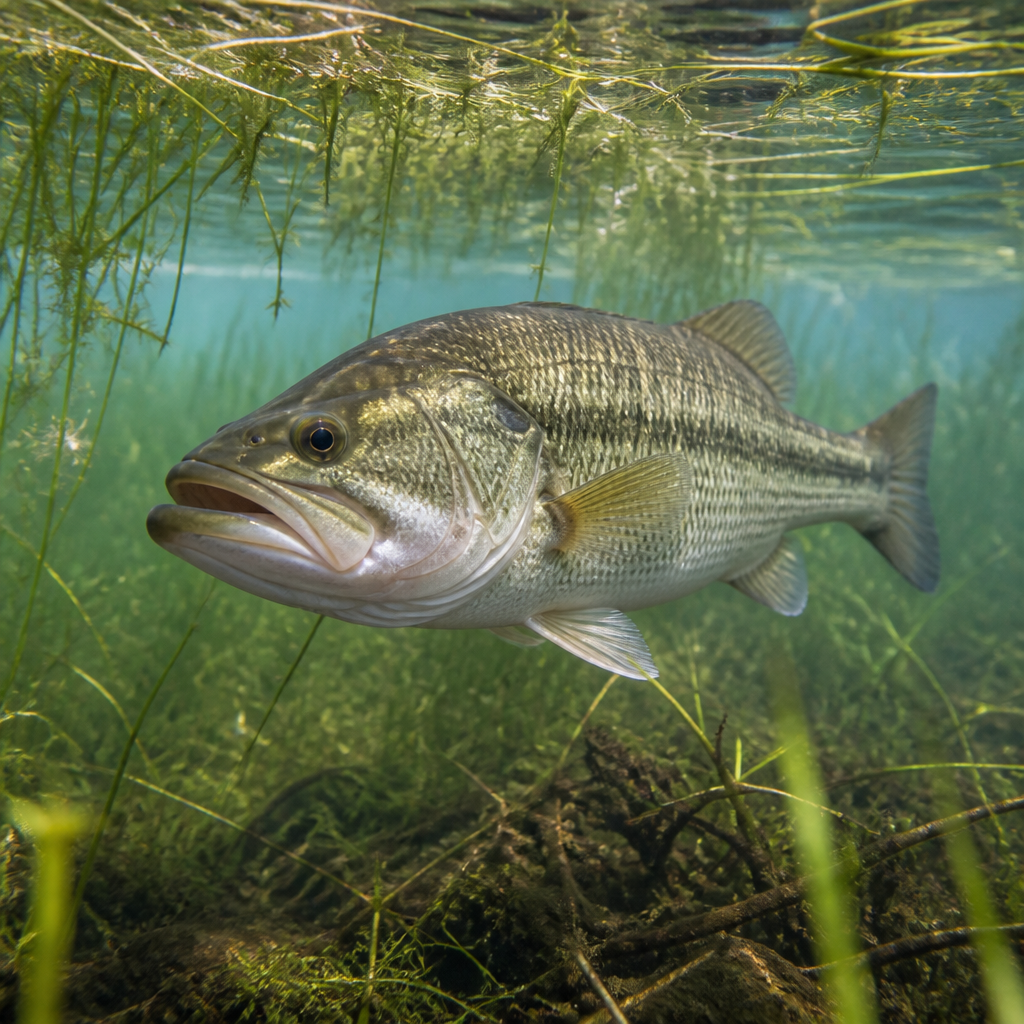
Stable flow does not mean static water. Within a spring creek, you still find distinct water types: slick flats, bubble lines, weed channels, riffles near spring inflows, cut banks, tailouts, and slow bends. Each changes trout behavior. In clear flats, fish may hold inches below the surface and feed rhythmically on emergers. Near weed lines, they ambush scuds and nymphs drifting in open lanes. Under cut banks, larger trout often rest in shade and slide out during low light. Because current speed is usually moderate rather than violent, drag becomes the central challenge. A fly moving even slightly faster than the natural drift will be refused more often here than on rougher pocket water.
Seasonal conditions shape these creeks in subtle ways. Spring hatches bring blue-winged olives, midge clusters, and early caddis. As weed growth thickens, channels narrow and trout positions become more predictable. Summer can produce heavy Trico and PMD activity, with fish feeding in flat water where long leaders and exact timing matter. Fall often improves streamer opportunities along undercuts and deeper slots. Winter on many spring creeks remains viable because moderate groundwater temperatures keep trout active, though they usually feed on midges, scuds, and tiny nymphs. Understanding these patterns is the foundation for every tactical decision that follows.
Reading water types and trout positions
On spring creeks, reading water means identifying feeding lanes before making the first cast. Start with the clearest signs: bubble lines, weed edges, shadows under banks, and subtle depth changes. Trout hold where current delivers food efficiently without forcing them to burn energy. In a narrow channel between weed beds, for example, fish often sit at the downstream end of the slot where the current concentrates drifting nymphs. In a glassy flat, a trout may hold beside a slight depression no wider than a dinner plate because that tiny change slows the current just enough to collect emergers.
Surface clues are often more informative than depth alone. Head-and-tail rises usually indicate duns or crippled adults. Soft dimples often mean midges or emergers. Sudden flashes beneath the surface suggest fish turning on nymphs or scuds. I have found that many anglers cast too quickly to visible risers without watching long enough to establish rhythm, direction, and exact feeding lane. On a spring creek, thirty seconds of observation can save ten poor casts. If a fish rises every eight to twelve seconds in the same lane, position yourself for a cast that lands outside its window and drifts naturally into view.
| Water type | Typical trout position | Best primary tactic | Key risk |
|---|---|---|---|
| Glassy flat | Shallow depressions, subtle seams | Long leader dry fly or emerger | Micro-drag and visibility |
| Weed channel | Open lanes beside vegetation | Small nymph or scud under indicator or tight line | Snagging weeds and lining fish |
| Undercut bank | Shade pockets and depth edges | Accurate dry dropper or small streamer | Poor angle and bank-side drag |
| Tailout | Soft cushion above drop or lip | Emerger, spinner, or light nymph | Spooking fish in skinny water |
| Riffled inflow | Faster oxygenated seams | Nymphing with slightly heavier rig | Ignoring adjacent slow water |
Light angle matters almost as much as structure. In bright overhead sun, trout in shallow spring creek water become extremely aware of movement. Approach from downstream when possible, use bank cover, and avoid false casting over the fish. Cloud cover often expands feeding confidence and makes technical dry-fly fishing easier. Wind can help by breaking the surface, though it complicates casting. After years on these creeks, I treat visibility as part of reading water: if I can see the trout clearly, it can probably see me just as clearly.
Effective fly fishing techniques for spring creeks
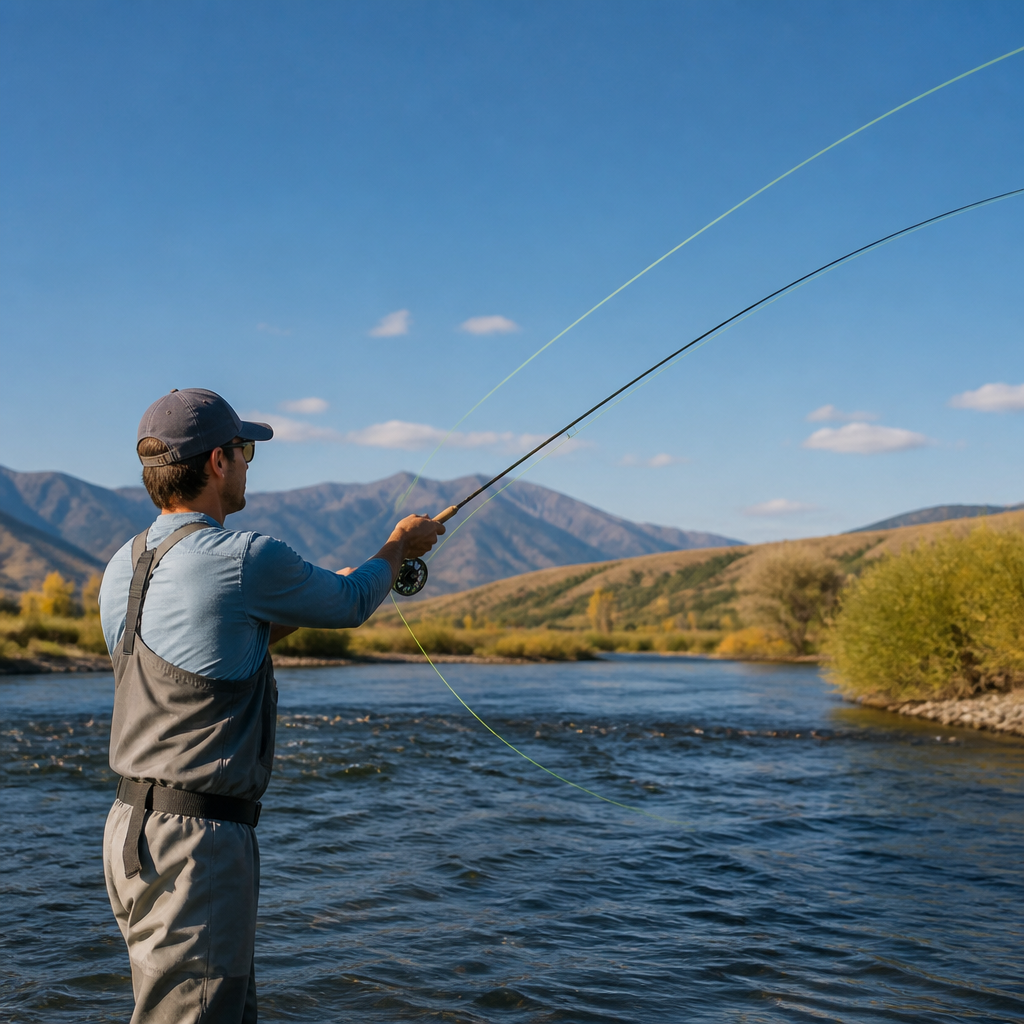
Dry-fly fishing gets the attention, but the best spring creek anglers stay flexible. The most consistent approach is to let trout behavior dictate the method. When fish are rising steadily, a single dry or dry-emerger combination is usually best. Reach casts, parachute casts, and controlled slack presentations are critical because the currents are often deceptively complex. On smooth water, I prefer to land the leader first and the fly last, with just enough slack to buy a drag-free drift. Patterns such as Comparaduns, CDC emergers, Griffith’s Gnats, and sparse parachutes work because they sit low and match the delicate profile trout expect.
Nymphing on spring creeks is rarely about dredging deep runs with heavy split shot. More often, it involves light rigs, thin tippet, and flies that imitate the creek’s year-round food sources. Scuds in olive, tan, gray, or pink are staples. Zebra Midges, Pheasant Tails, RS2s, and Baetis nymphs are equally important. Small yarn indicators or tight-line contact methods both work, depending on depth and current speed. In weedy channels, a lightly weighted fly drifting just above vegetation often outfishes heavier setups that foul constantly. Strike detection must be disciplined, because many takes are only a pause, tilt, or slight acceleration.
Streamer fishing has a place, particularly in spring and fall when larger trout patrol undercut banks and deeper bends. The mistake is fishing oversized, fast-stripped patterns better suited to aggressive freestone fish. Spring creek trout often respond better to smaller streamers such as size 8 to 12 woolly buggers, rabbit strips, sculpin imitations, or leech patterns moved slowly with pauses. A short downstream swing, followed by a hand-twist retrieve along the edge of weed lines, can be surprisingly effective. Sight-fishing a streamer to a bank fish is one of the best ways to target a larger trout that is not rising.
Presentation always outranks fly pattern by a wider margin on spring creeks than most anglers expect. The right insect in the wrong lane fails. A slightly imperfect imitation in the exact lane often works. That is why line control, wading restraint, and angle selection deserve more practice than fly shopping. Before changing flies, ask three questions: did the drift drag, did I line the fish, and did the fly enter its feeding window at the right speed? Most refusals can be traced to one of those errors.
Choosing the right gear for spring creek conditions
The ideal spring creek rod is usually between 8 foot 6 inches and 9 feet, in weights 3 through 5, with a moderate to medium-fast action. A 4-weight is the most versatile choice because it protects 5X and 6X tippet, handles small indicators, and still turns over a longer leader in wind. For very small dry flies on flat water, a 3-weight shines. For mixed nymphing and occasional streamers, a 5-weight is practical. Reels matter less for drag than balance, but a smooth startup drag helps when a strong trout runs on fine tippet.
Lines should match the primary technique. A true-to-weight floating line with a delicate front taper is ideal for dry flies and light nymphing. Aggressive overweight tapers can slap the surface and reduce finesse. Leaders are a major part of success. For dry flies, 12- to 15-foot leaders tapered to 5X, 6X, or even 7X are common, especially in clear flats. For nymphing scuds or midges under an indicator, 9- to 12-foot leaders with fluorocarbon tippet improve sink rate and abrasion resistance around weeds. Nylon remains excellent for dries because it floats better and offers softer presentation.
Fly selection should reflect the creek’s biology, not generic trout assortments. Essential boxes include midges, Baetis nymphs and duns, PMDs, Tricos, caddis emergers, scuds, sowbugs, and a few terrestrials for summer bankside fishing. Polarized glasses are mandatory, not optional. Copper, amber, and yellow-based lenses each have value depending on cloud cover and bottom color. Wading gear should support stealth; felt where legal, or sticky rubber with studs where appropriate, helps on slick marl and weed-coated bottoms. A long-handled net reduces handling time for trout and helps in narrow bank-side landings.
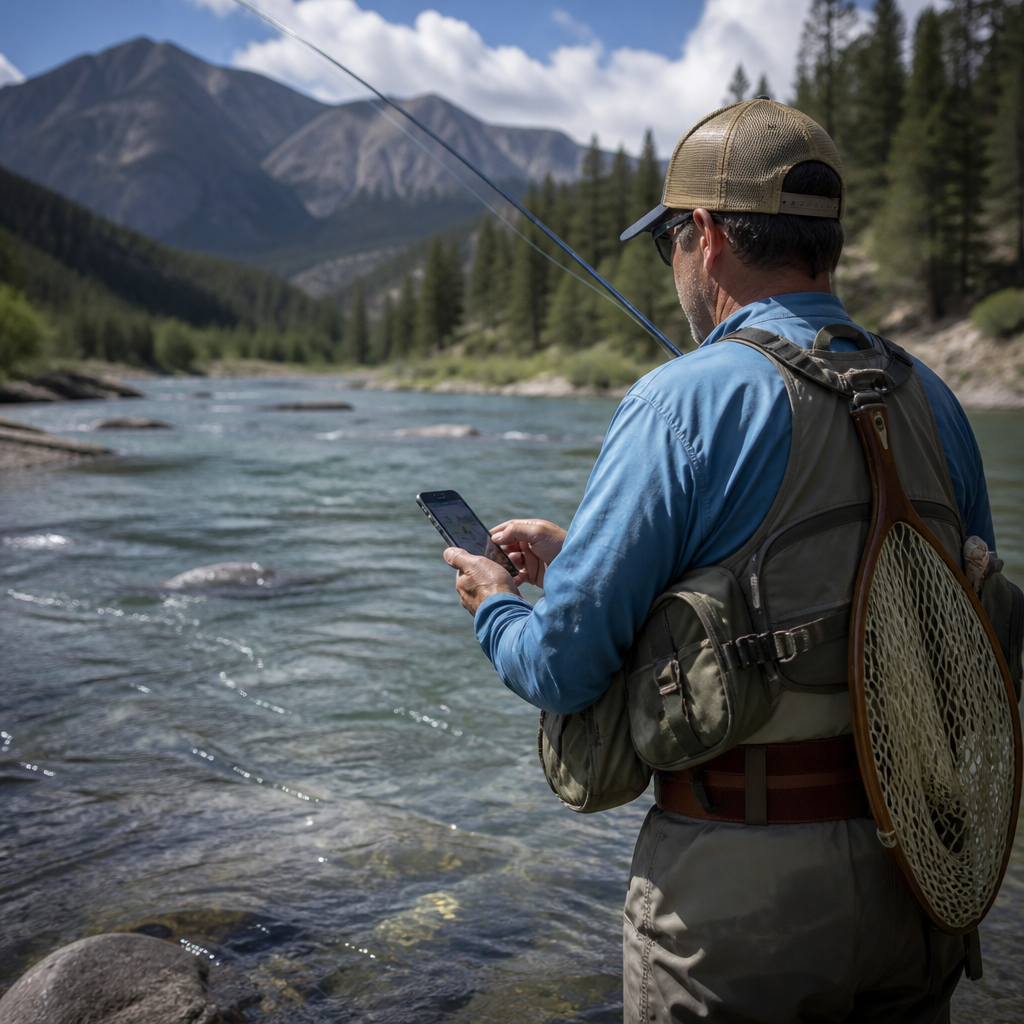
Accessory choices matter more here than many anglers realize. Floatant for high-riding dries, desiccant for CDC, hemostats for tiny hooks, and a thermometer for seasonal condition checks all earn space in the pack. So does a notebook or phone log. Recording hatch timing, water clarity, and successful patterns over several trips builds a practical database that outperforms memory. On technical water, small repeatable details create the biggest gains.
Adapting to weather, pressure, and seasonal change
Spring creek fishing improves when you treat conditions as a strategy map rather than a background detail. Barometric changes, sunlight, wind, and angling pressure all alter trout behavior. During bright calm periods, fish often slide into narrower lanes and reject larger flies. Overcast skies can trigger longer surface-feeding windows, especially during Baetis hatches. Windy afternoons may reduce visibility enough to make short drifts with terrestrials effective along grassy banks. After cold nights, late-morning activity is commonly better than dawn because groundwater stability does not eliminate daily insect timing.
Fishing pressure is often the hardest variable. Well-known spring creeks can see trout refuse several good drifts simply because they have seen the same pattern and angle repeatedly. Changing position by a few feet, downsizing tippet, or switching from a dun to an emerger can solve that problem. Resting a fish is also underrated. If a trout refuses twice and sinks off its lane, leave it alone for fifteen minutes and return with a better plan. On technical water, discipline catches more fish than persistence alone.
Season by season, the hub principle remains constant: match method to water type and current condition. In early spring, focus on slower glides, Baetis windows, and subsurface scud activity. In summer, expect dawn and spinner falls, Tricos in calm flats, and weed-defined feeding channels. In fall, cover undercuts, banks, and deeper slots with small streamers and attractor dries during midday warmth. In winter, scale everything down, watch for midge activity, and target the softest current near stable depth. If you want to improve, pick one creek, learn its recurring conditions, and build your tactics around how trout use each water type through the year.
Fly fishing in spring creeks rewards careful anglers because every part of the system is knowable. Stable groundwater, fertile food webs, and clear currents create trout that feed predictably when you understand the water types and conditions in front of you. The essentials are straightforward: observe before casting, identify the feeding lane, present with minimal drag, and carry gear suited to fine tippet and subtle presentations. Dry flies, light nymphs, scuds, and small streamers all work when matched to the creek’s biology and the trout’s position.
The main benefit of mastering spring creeks is not only catching more trout. It is becoming a more complete angler everywhere else. These waters sharpen your eye for seams, improve line control, and teach patience better than almost any other trout environment. Use this guide as your hub for understanding spring creek water types and conditions, then apply it creek by creek, season by season. The next time you approach a clear flat or weed-lined channel, slow down, read the water first, and make your first cast the one that matters.
Frequently Asked Questions
What makes spring creek fly fishing different from fishing freestone rivers?
Spring creeks fish very differently from freestone rivers because the entire ecosystem is more stable, more fertile, and usually more technical. A spring creek is fed by groundwater, so water temperatures tend to remain relatively consistent through the seasons, flows are often steadier, and aquatic vegetation is far more abundant. That combination creates ideal conditions for aquatic insects, which in turn supports healthy trout populations that see a constant supply of natural food. The upside is obvious: productive water, reliable hatches, and often excellent trout growth. The challenge is that trout in spring creeks usually become highly selective because they have the luxury of inspecting drifting food in slow to moderate currents and rejecting anything that looks unnatural.
In a freestone river, broken current, changing flow lanes, and less consistent visibility can give anglers more room for error. In a spring creek, fish often hold in clear, flat water where every detail matters. Fly size, profile, color, drift speed, leader design, and angler position all become more important. Trout may slide a foot or two to inspect a fly, refuse it at the last second, or simply stop feeding if they detect drag or movement from the angler. That means success often depends less on covering lots of water and more on solving a specific problem: identifying what fish are eating, figuring out where they are holding, and delivering a precise presentation. For many anglers, that high level of precision is exactly what makes spring creek fishing so addictive.
What fly fishing techniques work best on spring creeks?
The most effective spring creek techniques revolve around stealth, observation, and drag-free presentation. Before making a cast, it is usually worth spending a few minutes watching the water. Look for subtle rises, cruising fish, noses just under the film, or trout shifting position along weed beds, undercut banks, and current seams. On spring creeks, fish are often feeding in very specific lanes, and casting too soon can spook them or waste valuable opportunities. Once you identify a feeding trout, the goal is to make a controlled presentation that puts the fly slightly upstream of the fish with enough slack to drift naturally but not so much that you lose contact or accuracy.
Dry-fly fishing can be excellent during hatches, but it usually rewards precise imitation and clean drifts rather than blind casting. Reach casts, parachute casts, and pile casts can help introduce controlled slack and reduce immediate drag. Long leaders and fine tippets are commonly used so the fly lands softly and drifts more naturally. When fish are feeding just below the surface, emergers and soft-hackle patterns are often more effective than fully floating dries because many trout key in on insects trapped in or just under the film. In slow water, even tiny amounts of drag can ruin the drift, so careful mending and thoughtful casting angles matter.
Nymphing on spring creeks is often subtle and highly visual compared to the more aggressive, high-stick style used in faster rivers. Small nymphs, midges, scuds, sow bugs, and midge larva patterns can be deadly, especially when drifted near weed edges and slow seams where trout feed steadily. Indicator rigs can work, but in calm, clear water they may create too much disturbance. Many anglers prefer dry-dropper setups with small indicators, yarn indicators, or tight visual control over a short drift. On some spring creeks, downstream presentations are especially effective because they allow the fly to reach the fish before the leader and fly line do. The common thread in all of these methods is precision: matching the feeding level, controlling drift speed, and minimizing anything that alerts the trout.
What gear setup is best for fly fishing in spring creeks?
A balanced spring creek setup usually emphasizes delicacy and control over raw power. For most situations, a 3-, 4-, or 5-weight fly rod in the 8’6" to 9′ range is ideal. A 3- or 4-weight shines when small dries, light nymphs, and long leaders are the norm, while a 5-weight offers a little more versatility in wind or when casting larger rigs. A medium to medium-fast action rod is often a great choice because it helps protect fine tippets and load smoothly at short to moderate distances, which is where many spring creek presentations happen. The reel is less critical from a fish-fighting standpoint than it is in big western rivers, but a quality reel with a smooth drag and good balance is still worthwhile.
Floating lines cover the vast majority of spring creek fishing. A true-to-weight line with a delicate front taper is often preferable to an aggressively overweighted line designed to load fast-action rods. Since many casts involve small flies and precise placement, subtle turnover matters more than brute force. Leader setup is especially important. Standard 9-foot leaders can work, but many anglers fish 12- to 15-foot leaders to separate the fly from the line and achieve better drifts in clear, flat water. Tippet sizes often range from 6X down to 7X for tiny dries and technical presentations, although 4X and 5X still have a place with larger flies, stronger fish, or slightly broken current.
As for flies, spring creeks demand both variety and refinement. Carry a strong selection of small mayflies, midges, caddis, emergers, spent patterns, and terrestrial flies for seasonal opportunities. Subsurface boxes should include scuds, sow bugs, midge pupa, pheasant tails, zebra midges, and other slim nymphs that match the creek’s natural food base. Polarized sunglasses are essential for spotting fish and reading weed lines. Good wading boots with careful foot placement matter, but in some spring creeks bank fishing is more effective than wading because entering the water can push fish off lies. A long-handled net, floatant, desiccant, tippet spools in finer diameters, and a compact set of indicators round out a practical spring creek kit.
How do you approach selective trout in clear spring creek water?
Selective trout in spring creeks are usually beaten through a process, not through constant fly changes alone. Start by observing exactly how the fish is feeding. Is it rising confidently, sipping just under the surface, bulging without breaking the water, or staying deep and feeding near weeds? Those clues tell you whether the trout is taking duns, emergers, spinners, midges, or subsurface food such as scuds and nymphs. If a fish refuses your fly, the problem may be pattern choice, but just as often it is the drift, leader angle, tippet diameter, or your position relative to the fish. In technical water, trout are often rejecting presentation mistakes that the angler never notices.
Stealth is fundamental. Stay low, move slowly, avoid false casting over the fish, and use available cover like grass, banks, and shadows. Approach from downstream or from the side whenever possible so the trout sees the fly before it detects the line or leader. Make the first cast count; on pressured spring creeks, repeated casts over a good fish often do more harm than good. If the trout shows interest but refuses at the last second, think about profile and drift. A smaller fly, a thinner tippet, or a slightly different stage of the hatch may solve the problem. If the fish rises near your fly but does not take, it may be feeding on emergers below the surface rather than adults floating high.
It also helps to think in terms of feeding windows and mood. Spring creek trout may feed rhythmically for a few minutes, then stop, then resume when the hatch density changes. Patience can be as important as technical skill. Rather than forcing the situation, watch for consistency in rise form and timing. If one trout proves impossible, another may be feeding more openly a short distance away. Experienced spring creek anglers know that solving one fish often teaches you how the whole creek is fishing that day. Precision matters, but so does adaptability: observe, adjust, and resist the urge to rush.
What are the biggest mistakes anglers make on spring creeks, and how can they avoid them?
The biggest mistake is usually fishing too fast. Spring creeks reward anglers who slow down, study the water, and target specific fish or feeding lanes. Many people walk up and begin casting immediately, only to put down trout they never knew were there. Because the water is often clear and the fish are alert, careless movement on the bank, sloppy wading, and repeated false casts can end the opportunity before the fly ever lands. A better approach is to pause, scan for rises and shadows, identify current lanes, and plan the cast before stepping into position.
Another common mistake is underestimating the importance of presentation. Anglers often assume the wrong fly is the problem when drag is the real issue. On spring creeks, micro-drag is enough to trigger refusals. That is why leader length, casting angle, slack management, and line control are so important. If fish are refusing consistently, do not just cycle through the fly box. Check whether the fly is drifting at the same speed as nearby naturals, whether the tippet is too heavy, whether the fly is landing too close, or whether the fish is actually feeding on a different life stage. Many difficult days improve quickly when the presentation is refined.