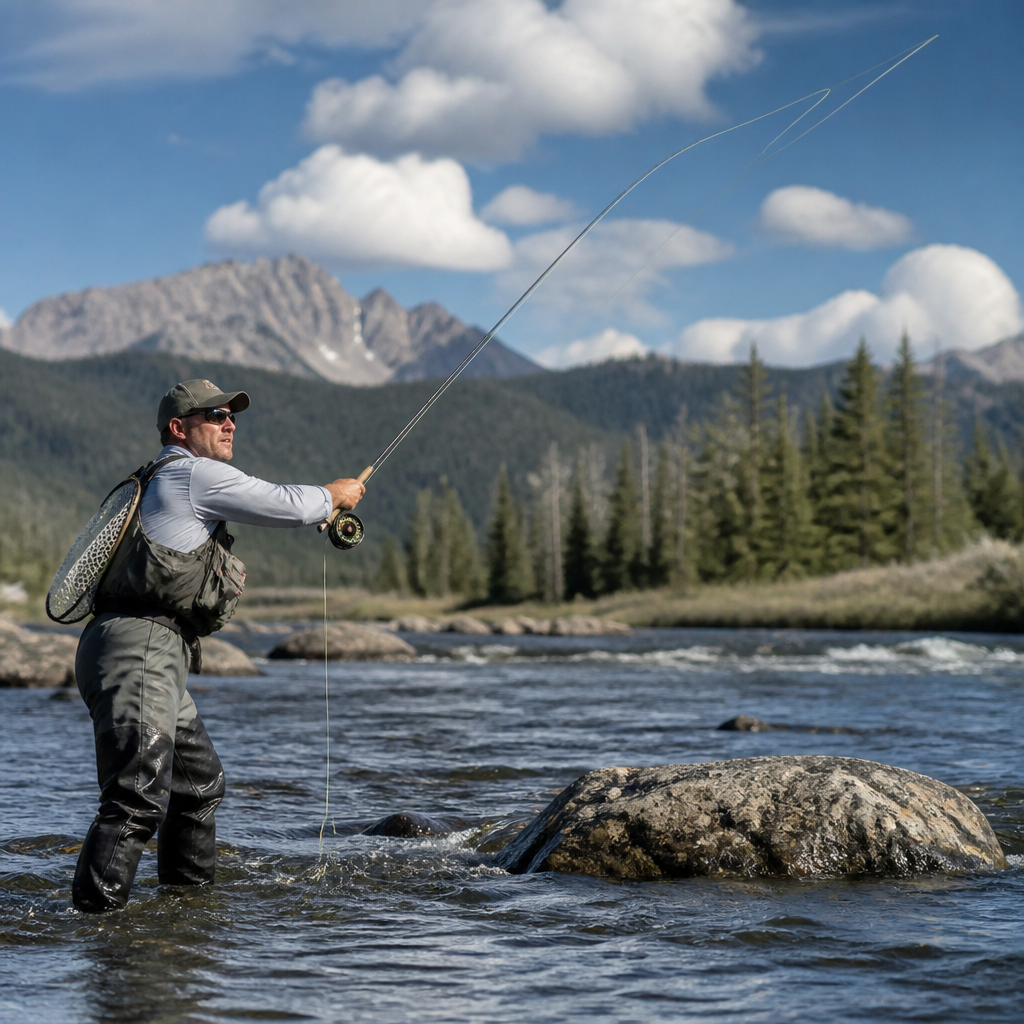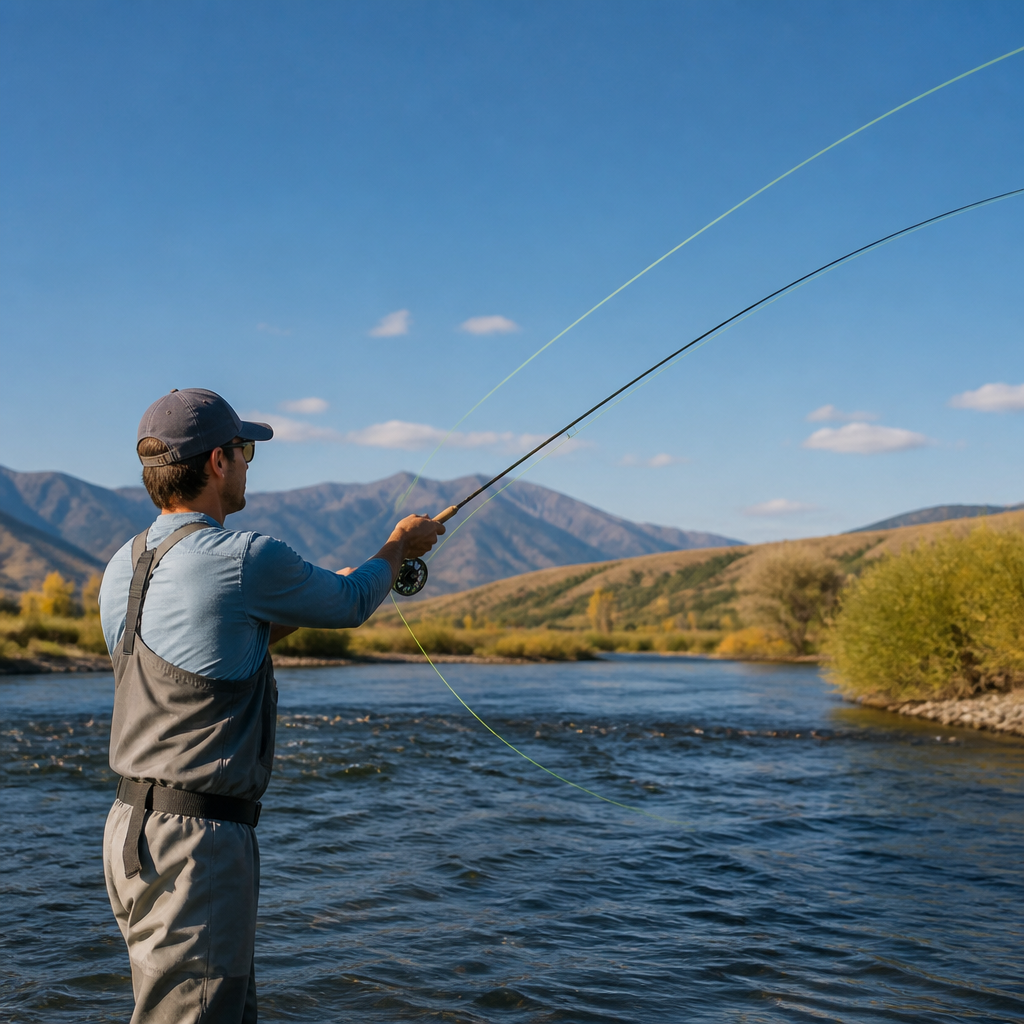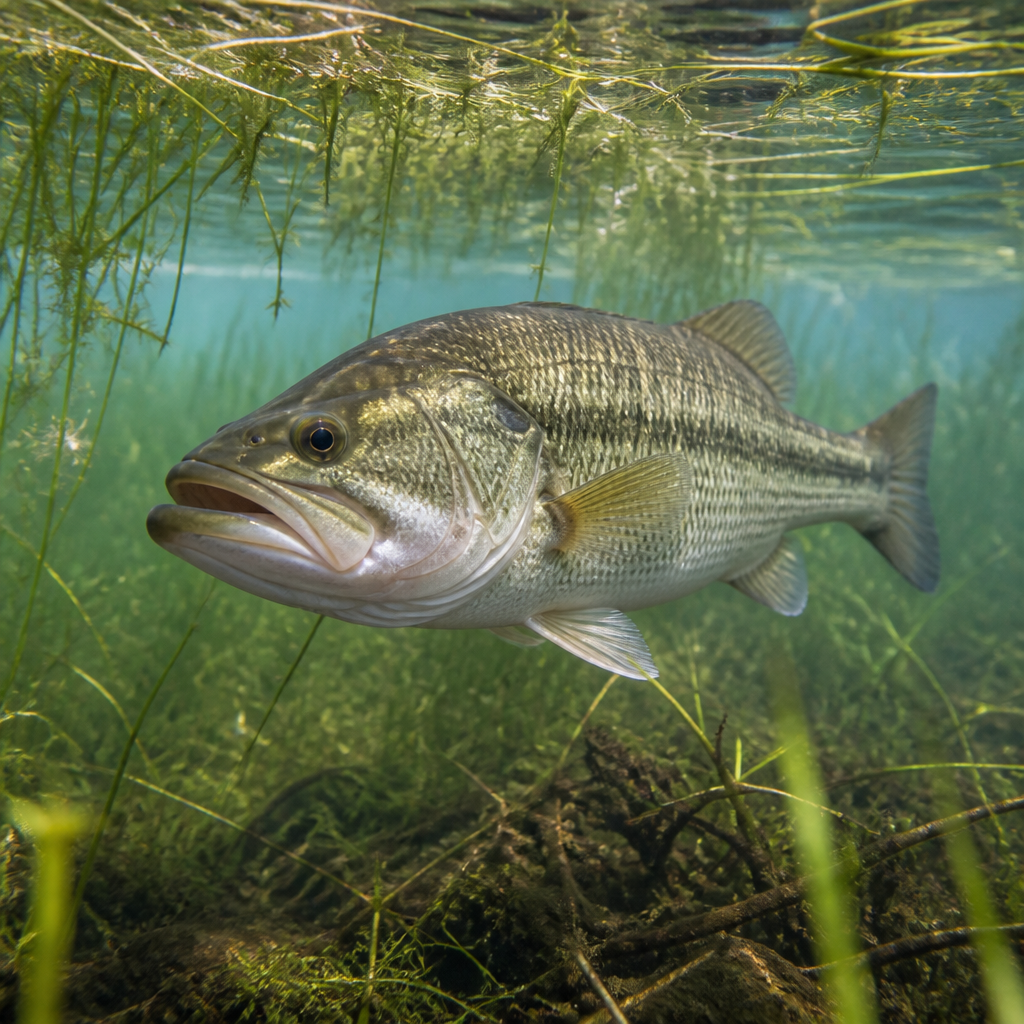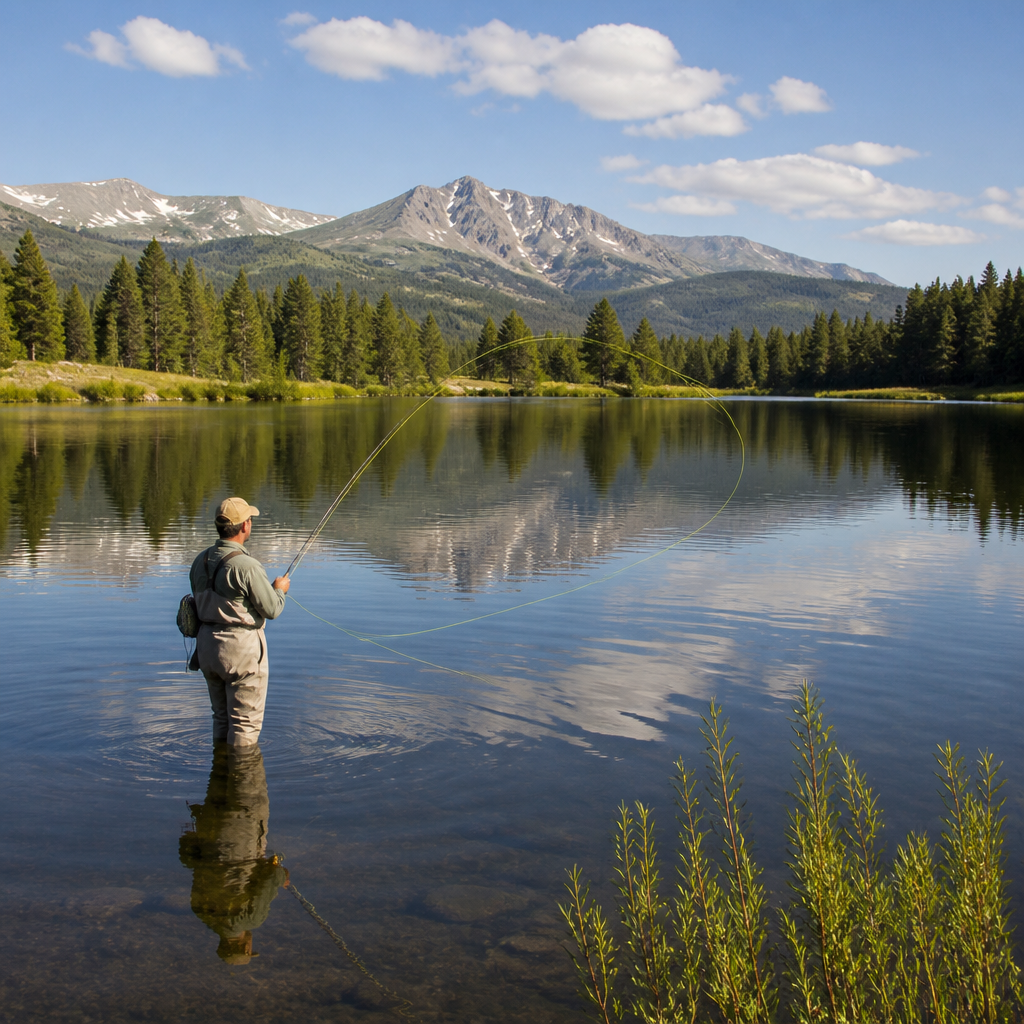
Fly fishing in still water demands a different mindset than river fishing, because the trout, the food sources, and the way flies move are all shaped by a lake or pond that appears calm on the surface but is constantly changing underneath. In practical terms, still water includes natural lakes, reservoirs, ponds, gravel pits, and lowland impoundments where current is limited and fish behavior is driven more by depth, temperature, oxygen, light, wind, weed growth, and food concentration than by seams or riffles. Water types and conditions matter here because they determine where fish hold, when they feed, what they eat, and how quickly your fly should sink or move. After years of fishing farm ponds, clear western reservoirs, shallow marl lakes, and deep glacial impoundments, I have learned that success usually comes from reading the water before making the first cast. Anglers who understand structure, weather, seasonal turnover, and visibility catch more fish with less guesswork, and they do it consistently. This guide is the central reference for stillwater water types and conditions, covering the lake features, environmental signals, and tactical adjustments that shape effective fly fishing throughout the year.
Understanding stillwater types and why they fish differently
Not all still water behaves the same, and treating every lake like a generic trout pond is one of the fastest ways to struggle. Natural lakes often have established weed beds, shoals, chironomid-rich basins, and stable food webs built around aquatic insects, scuds, leeches, and baitfish. Reservoirs are usually less biologically stable because water levels rise and fall, shoreline habitat changes, and inflows can create localized current, color changes, and temperature breaks. Small ponds warm quickly, grow weeds fast, and can fish extremely well in low light, but they also become oxygen stressed during hot weather. Gravel pits and quarry lakes are commonly steep-sided and clear, with abrupt depth changes and fewer broad shelves, so fish may cruise distinct edges rather than sprawling flats.
Depth profile is the first major difference. A shallow fertile lake, often called eutrophic, produces abundant food and supports heavy weed growth, bloodworms, chironomids, snails, and damselfly nymphs. These waters can be incredibly productive in spring and early summer because trout have large feeding zones in six to twelve feet of water. Deep oligotrophic lakes are clearer, colder, and less fertile. They may hold quality trout, but food is more dispersed, and fish can suspend over very deep water where locating them becomes the core challenge. Mesotrophic waters fall between those extremes and often provide the most balanced fishing. In every case, productive fly fishing starts by asking a simple question: is this water shallow and food rich, deep and clear, or somewhere in the middle?
Reading structure, basin shape, and productive zones
In stillwater fly fishing, structure replaces current seams as the map that tells you where fish are likely to be. The best areas usually combine depth change, food, and travel routes. Shoals, points, sunken islands, drop-offs, creek channels, saddles, marl shelves, reed lines, and weed edges all concentrate trout because they offer predictable feeding lanes. A broad shoal that tops out in four feet before falling into fifteen is a classic early-season zone. Trout cruise the shallow crown for scuds and nymphs, then slide down the edge when light increases. A point extending into the prevailing wind can be even better because wave action pushes plankton and insects toward it, which attracts bait and then trout.
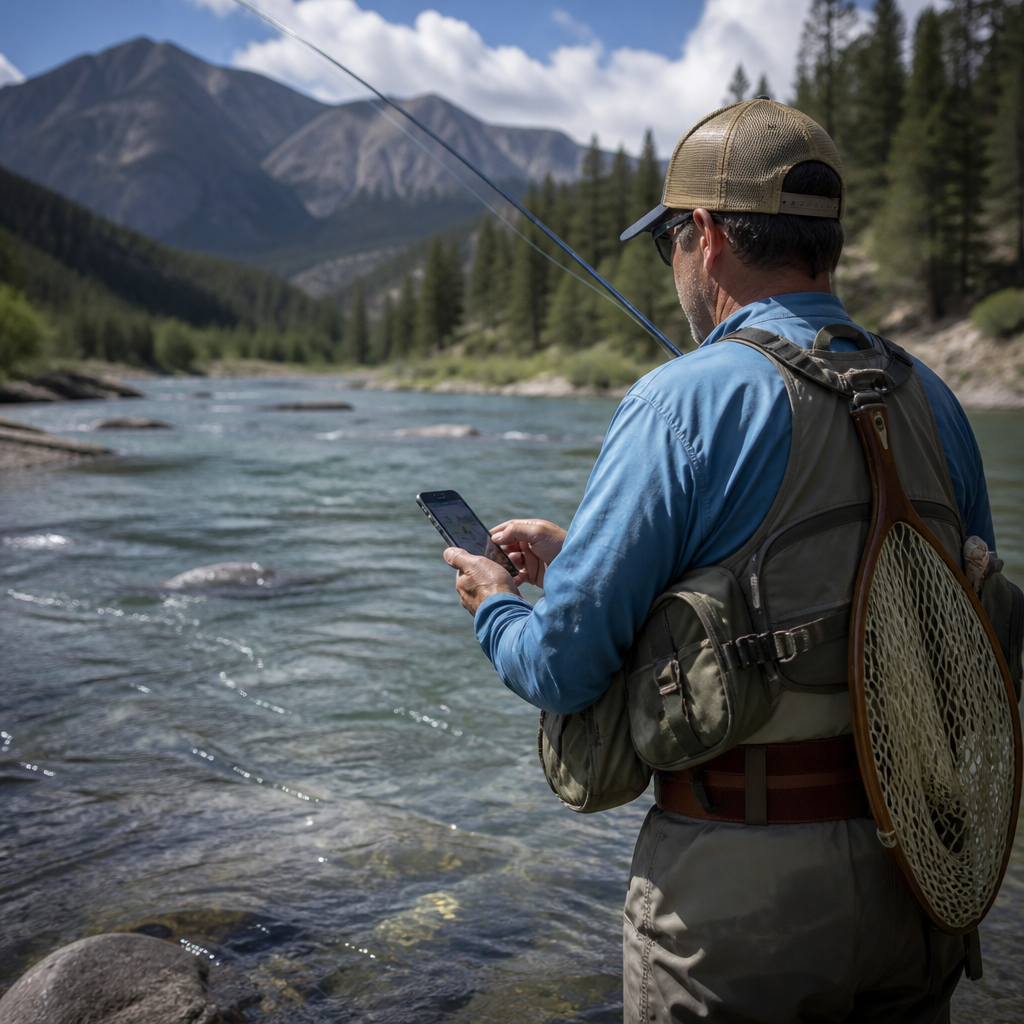
I rely heavily on contour maps, sonar from a float tube or boat, and patient observation. Even simple mapping apps can reveal humps and submerged roadbeds on reservoirs. On natural lakes, polarizing glasses often show weed transitions, marl patches, or dark troughs near shore. Weed edges deserve special attention because they act like underwater fence lines. Trout patrol these edges looking for chironomid pupae rising, damselfly nymphs migrating, and leeches leaving cover. The edge itself matters more than the middle of the weeds. If you can position your fly to track parallel to that boundary, you will usually fish more effectively than if you cast blindly across open water.
Temperature, oxygen, and seasonal movement
Water temperature controls trout metabolism, while dissolved oxygen controls how comfortably they can occupy different depths. In most trout lakes, the most reliable feeding water is where suitable temperature and oxygen overlap with available food. During spring, much of the water column may be fishable, especially before surface temperatures climb. Trout often cruise shorelines, shoals, and coves because insect activity increases there first. As summer develops, many lakes stratify into layers. The warm upper layer is the epilimnion, the cold lower layer is the hypolimnion, and the transition band is the thermocline. On productive trout lakes, fish commonly hold near the thermocline because it offers a workable combination of temperature, oxygen, and food.
This is where many anglers make poor decisions. They keep fishing visible shoreline water long after it becomes too warm, when trout have already slid offshore or deeper. In shallow lakes, the opposite problem can occur: warm weather and decaying weeds reduce oxygen near the bottom, forcing fish higher than expected. Turnover in fall can temporarily scatter trout as the lake mixes and conditions equalize. Winter often compresses feeding windows but can concentrate fish in stable zones near spring inflows, deep edges, or sun-warmed shallows during calm periods. If you track temperature with a probe and pay attention to seasonal layering, your fly selection improves, your sink-rate choices improve, and your time on unproductive water drops sharply.
Wind, light, clarity, and surface conditions
Wind is one of the most misunderstood stillwater variables, yet it regularly determines the best bank, drift line, or anchoring position. A breeze pushes surface water, plankton, and emerging insects toward the downwind shore, and that food movement often pulls trout with it. In moderate wind, the most productive area is frequently the windward side from the fish’s perspective, which is the bank receiving the food, not necessarily the easiest one to cast from. Wave action also breaks up light penetration and makes trout less wary. I have had difficult clear-lake fish turn aggressive the moment a chop formed over a shoal. Flat calm water can be beautiful, but on bright days it often exposes leader flash, boat shadow, and unnatural retrieve speed.
Water clarity shapes both pattern choice and presentation. In clear water, long leaders, sparse flies, natural colors, and controlled movement usually outperform flashy tactics. In stained water, contrast becomes more important than perfect imitation. Black, olive, wine, and bright hot spots can help fish find your fly. Light levels matter just as much. Low-angle morning or evening light often extends shoreline feeding. Heavy cloud cover may keep trout high all day, while intense midday sun can drive them deeper, especially in clear lakes. Surface texture, color, and visibility should guide every decision from line density to fly size. Good stillwater anglers do not just notice conditions; they let those conditions rewrite the plan.
How inflows, outflows, weeds, and bottom composition affect feeding
Any place where the lake changes character tends to attract fish. Inflows add oxygen, cooler water, drifting food, and sometimes a slight current edge that trout use exactly like a river seam. After rain, an inlet can carry color and nutrients that trigger feeding, although excessive sediment may reduce visibility too much. Outflows can also be productive because they create movement and may funnel bait or disoriented insects. Weed beds are another major feeding engine. Healthy submerged vegetation supports chironomids, snails, caddis larvae, scuds, freshwater shrimp, and damselfly nymphs. Trout rarely use weeds randomly. They position on lanes, pockets, transitions, and edges where they can feed efficiently without burying themselves in vegetation.
Bottom composition tells you what food is likely present. Soft silt often means chironomids and bloodworms. Marl, sand, and mixed weed flats are prime scud and snail habitat. Rocky shorelines may hold dragonfly nymphs, crayfish in some waters, and baitfish fry. Muddy basin centers can be excellent for suspended chironomid fishing if trout are patrolling just above the bottom. The key is matching the food source to the substrate, then choosing the right presentation depth. A balanced leech over a weed lane, a chironomid under an indicator above soft bottom, or a slow hand-twist retrieve across marl can all be correct, but only when the lake’s habitat points clearly toward that feeding scenario.
Matching tactics to conditions across common stillwater scenarios
Once you understand the water, tactical decisions become far more systematic. The table below summarizes common lake conditions and the adjustments that consistently produce fish.
| Condition | Where trout usually hold | Best presentations | Useful flies |
|---|---|---|---|
| Cold spring, warming shallows | Shoals, reed edges, sunny coves, drop-offs near shore | Intermediate line, slow retrieve, static suspensions | Scuds, chironomids, balanced leeches, damsel nymphs |
| Bright calm day on clear lake | Deeper edges, shade lines, weed drop-offs | Long leaders, natural colors, slow figure-eight retrieve | Small chironomids, callibaetis nymphs, slim leeches |
| Moderate wind creating chop | Food-loaded downwind banks, points, drift lines | Di7 or intermediate lines, hangdown pause, retrieve parallel to shore | Woolly buggers, blobs where legal and common, baitfish, boobies on midge-tip |
| Summer stratification | Thermocline, offshore humps, deep weed edges | Countdown presentations, slip indicator, fast-sink line with measured depth control | Chironomid pupa, balanced leech, baitfish, dragon nymph |
| Stained inflow after rain | Color seam edges, oxygenated inlet tongues | Shorter leaders, slower strips, profile and contrast | Black leeches, olive streamers, bright attractor nymphs |
These are starting points, not rigid formulas. For example, on a fertile reservoir in June, I may begin with two chironomids under an indicator in twelve feet near a weed edge, then switch to a washing-line setup with a buoyant top fly and two nymphs when fish start intercepting emergers higher in the column. On a windy autumn lake, I often fish a fast-sink line across a point, count down to the level of marked fish, and use a steady pull-pause retrieve that keeps a leech pattern moving just above the drop-off. Depth discipline matters more than constant fly changes. Trout in still water are often willing, but only if the fly passes through the exact band they are using.
Common mistakes when judging stillwater conditions
The biggest mistake is confusing visible water with productive water. Anglers naturally cast to the shoreline they can reach easily or the flat they can see clearly, even when wind, temperature, or oxygen have shifted the fish elsewhere. Another frequent error is fishing one depth all day. In lakes, being two feet too high or too low can turn active fish into absent fish. I see many anglers change flies repeatedly without adjusting sink rate, countdown, leader length, or indicator depth. That is backwards. Depth and location usually matter before pattern detail. A third mistake is ignoring daily change. A cove that fishes at 8 a.m. may be dead by noon once sun hits it, while an offshore edge becomes active as emerging insects rise.
Poor boat positioning also costs fish. Drifting too fast, anchoring too shallow, or casting directly into heavy weeds when trout are patrolling the outer edge are all common issues. Finally, many anglers underestimate observation. Swallows feeding low, shucks on the surface, cruising fish pushing wakes, or a sudden line of mud-stained water from an inlet all provide direct information about conditions. Successful stillwater fly fishing is less about random experimentation than informed adaptation. Read the lake, test a depth, note the response, and refine from there.
Fly fishing in still water becomes far more consistent when you treat water types and conditions as the foundation of every decision. Lake type tells you how fertile the system is likely to be, structure tells you where trout travel and feed, and temperature and oxygen tell you which depths are realistically in play. Wind, light, clarity, inflows, weeds, and bottom composition then narrow the pattern further until the lake starts to make sense instead of feeling featureless. That is why this topic deserves hub status within techniques and strategies: every advanced stillwater method, from indicators to washing-line retrieves to deep countdown presentations, works best only when matched to the right condition.
If you want better catch rates, stop asking only what fly to use and start asking where fish can feed comfortably today, what food the habitat supports, and how current weather changes that answer. Build your approach around observation first, depth control second, and fly choice third. Use this guide as your starting framework, then apply it on your own waters with a notebook, a thermometer, and deliberate testing. The lake will become easier to read, and your presentations will become more precise. When that happens, stillwater fly fishing stops being guesswork and starts becoming a repeatable system.
Frequently Asked Questions
How is fly fishing in still water different from fly fishing in rivers and streams?
Fly fishing in still water is fundamentally different because fish are not positioned around obvious current seams, riffles, and holding lies the way they are in moving water. In lakes, ponds, reservoirs, and similar fisheries, trout move according to changing layers of temperature, oxygen, light penetration, wind direction, insect concentration, and weed structure. That means anglers need to think less about casting to a visible current feature and more about locating the most productive depth, identifying where food is gathering, and presenting flies at a pace that matches how prey naturally behaves in calm water.
Another major difference is that in still water, your retrieve becomes a critical part of presentation. In a river, current gives the fly life and motion. In a lake, the angler creates that movement. A slow figure-eight retrieve, a steady hand-twist, short strips, or a stop-and-go retrieve can each imitate different food sources such as chironomids, damselfly nymphs, leeches, scuds, or baitfish. Because there is little or no current to animate the fly, subtle changes in retrieve speed, pause length, and depth often make the difference between a slow day and consistent action.
Still water also demands more deliberate searching. Trout may be cruising shorelines early, suspended over deeper basins later, or feeding just above weed beds as insect activity builds. Success often comes from breaking the water into zones: shallow margins, drop-offs, weed edges, shoals, and open-water structure. Instead of repeatedly casting to one obvious spot, effective still water anglers experiment with line type, leader length, fly size, and retrieve style until they identify where fish are feeding and what they are keying on.
What are the best flies to use when fly fishing in still water for trout?
The best flies for still water trout are usually patterns that imitate the most common and available food sources in lakes and ponds. In many fisheries, that means chironomids, leeches, damsel nymphs, dragonfly nymphs, scuds, water boatmen, bloodworms, and small baitfish. Chironomid patterns are especially important because midge larvae and pupae are often among the most abundant trout foods in still water. Under the right conditions, suspending chironomids beneath an indicator at a precise depth can be one of the most effective tactics available.
Leech patterns are reliable searching flies because they suggest a broad range of movement and protein-rich prey. Black, olive, maroon, and brown leeches in moderate sizes are staples in many lakes. Damsel nymphs and dragonfly nymphs become particularly effective around weed beds and shoal areas during active migration periods, when these insects move toward shore to emerge. Scud and freshwater shrimp imitations are excellent wherever weed growth supports them, and they can be deadly when retrieved slowly along the edges of vegetation. If trout are chasing minnows or fry, small streamers and baitfish imitations can trigger more aggressive takes, especially in low light or on windy days.
A practical still water fly box should include both imitative and attractor options. Carry flies in a range of sizes, colors, and sink rates so you can match changing conditions. If you are unsure where to start, use a balanced approach: chironomids for suspended fish, leeches for covering water, damsels near weeds, and a small streamer when fish are actively hunting. Confidence patterns matter, but flexibility matters more. In still water, the “best” fly is often the one presented at the correct depth and with the right movement.
How do I find trout in a lake or pond when there is no visible current?
Finding trout in still water starts with understanding that fish usually relate to food, comfort, and structure rather than current lanes. Begin by looking for productive zones instead of random open water. Shoreline shelves, points, drop-offs, weed edges, inflows, shoals, submerged humps, timber, and transitions between soft and hard bottom are all high-percentage areas. Trout often patrol these features because they concentrate insects, minnows, and crustaceans while also providing access to multiple depths.
Wind is one of the most important fish-locating tools in still water. Even a modest breeze can push surface food, dislodge insects from weeds, and create current-like movement that positions trout along windward banks, points, and drifting food lanes. On many days, the side of the lake receiving the wind will be more productive than the sheltered side, especially when it has structure and suitable depth nearby. Early and late in the day, trout may move shallow to feed confidently. As sunlight increases or water warms, they may slide deeper or suspend over cooler, more oxygen-rich water.
Depth control is critical when searching. If fish are not in the upper few feet, they may be feeding mid-column or close to the bottom. Use floating, intermediate, or sinking lines to methodically cover different layers. Count your fly down, vary leader length, and pay attention to where strikes happen. If one take comes after a 10-second sink and a slow retrieve, repeat that exact presentation. Electronics, local reports, visible rises, bird activity, and insect shucks can all provide clues, but a disciplined search pattern is often the real key. Cover water logically, change one variable at a time, and let the fish tell you where they are.
What line setups and retrieves work best for still water fly fishing?
A strong still water setup usually begins with carrying more than one line option, because depth and presentation control are everything. A floating line is ideal for dry flies, shallow nymphing, indicator fishing, and fishing over weeds or near the surface. An intermediate line is one of the most versatile choices in still water because it allows you to fish just below the surface film without pulling the fly unnaturally upward. It is excellent for leeches, nymphs, and small streamers when trout are cruising or feeding in the upper layers. Fast-sinking lines, sink-tip lines, or full sinking lines become important when fish are deeper, especially in reservoirs or during warmer periods when trout drop to cooler water.
Your retrieve should match the food source and the fish’s mood. A slow figure-eight or hand-twist retrieve is often deadly for chironomid pupae, scuds, and subtle nymph presentations because it keeps the fly moving naturally without too much speed. Short strips with pauses work well for leeches and damsel nymphs, while longer, more deliberate strips may be better for baitfish patterns. Sometimes the pause is the trigger, because it allows the fly to rise, fall, or hover in a way that imitates living prey. On difficult days, overly aggressive retrieves can turn fish off, so slowing down is often a smart adjustment.
Consistency matters as much as fly choice. Once you get a strike, note the sink time, line type, retrieve cadence, and pause length. Repeating the exact presentation is one of the fastest ways to turn one fish into several. Many anglers change flies too quickly when the real issue is depth or retrieve speed. In still water, fine-tuning your line and retrieve is often more important than changing patterns every few casts.
What are the most important tips for beginners learning to fly fish in still water?
For beginners, the most important lesson is to fish with a plan instead of casting aimlessly. Still water can look featureless at first, but productive fishing comes from observing conditions and making intentional choices. Start by identifying likely feeding areas such as weed edges, drop-offs, shallow flats near deeper water, or shorelines affected by wind. Focus on one zone at a time and work it thoroughly before moving. This approach builds confidence and teaches you how fish use still water structure.
Second, prioritize depth control and simplicity. Many beginners fish too fast and too shallow for too long. Use a manageable selection of proven flies like chironomids, leeches, damsel nymphs, and small streamers, then focus on presenting them effectively. Learn how long your fly takes to sink and keep track of that timing. If you are fishing under an indicator, adjust depth carefully rather than making random changes. If you are retrieving flies, start slow and vary speed only after giving a thoughtful presentation enough time to work. Trout in still water often inspect a fly longer than river fish do, so patience is important.
Finally, pay close attention to conditions and keep notes. Time of day, water temperature, wind direction, cloud cover, insect activity, and weed growth all influence where fish will be and how they feed. A simple log of successful flies, depths, and retrieves can shorten the learning curve dramatically. Beginners who improve fastest are usually the ones who become good observers. Still water rewards methodical anglers. If you stay organized, adjust based on evidence, and resist the urge to rush, you will start to see patterns that make every future outing more productive.