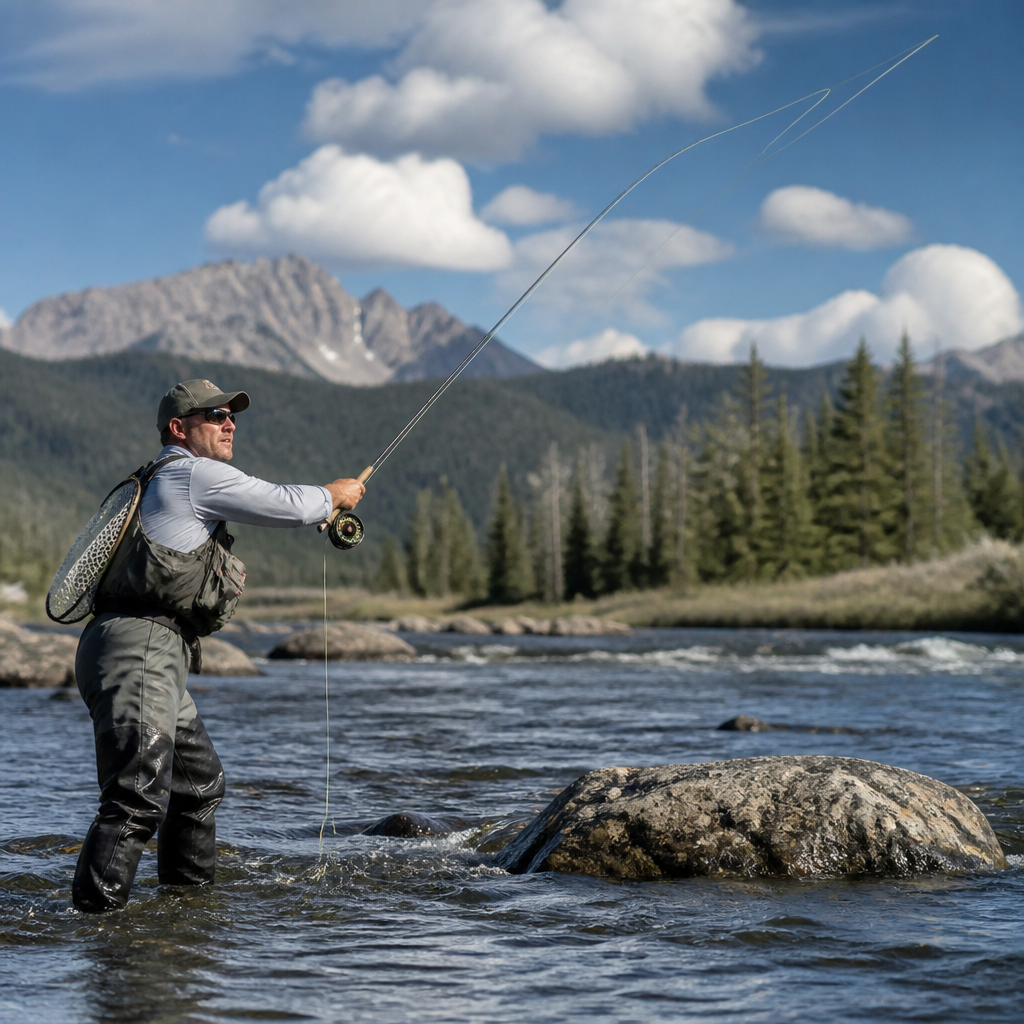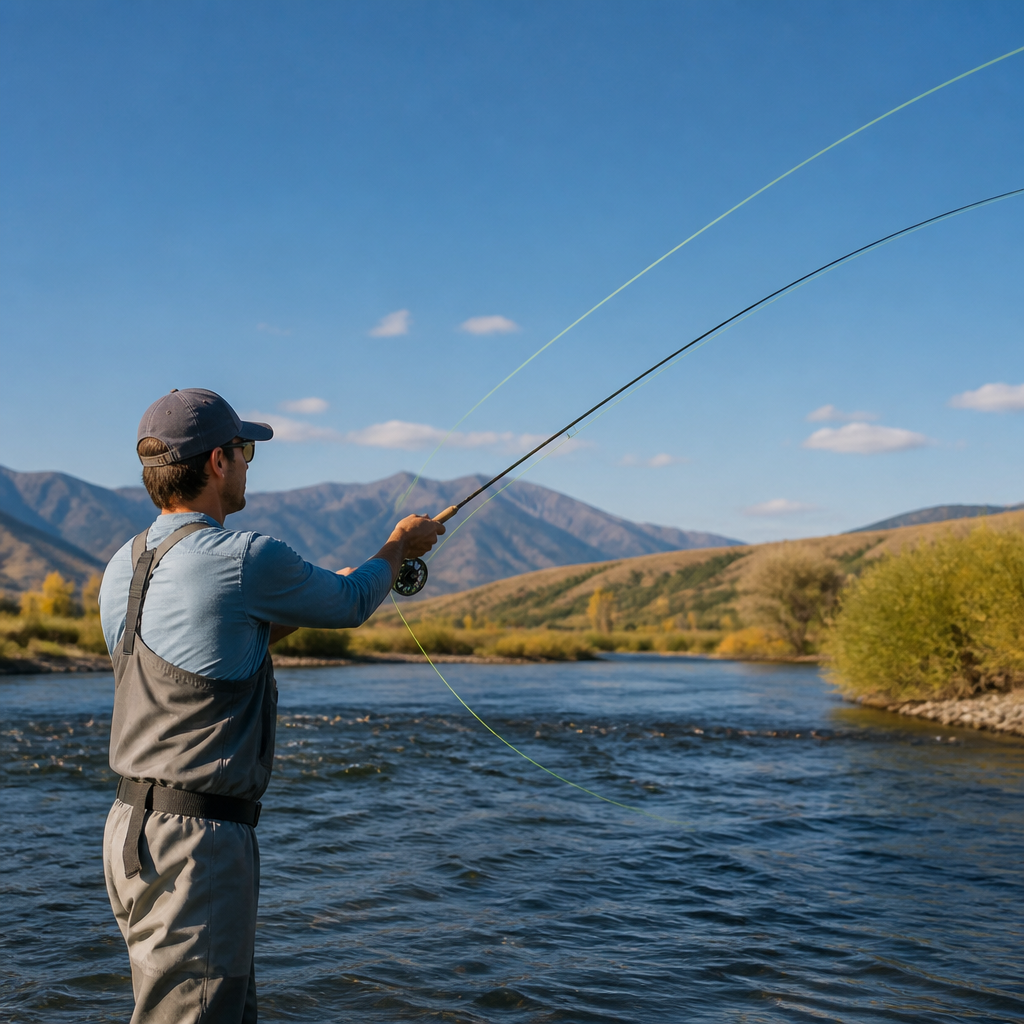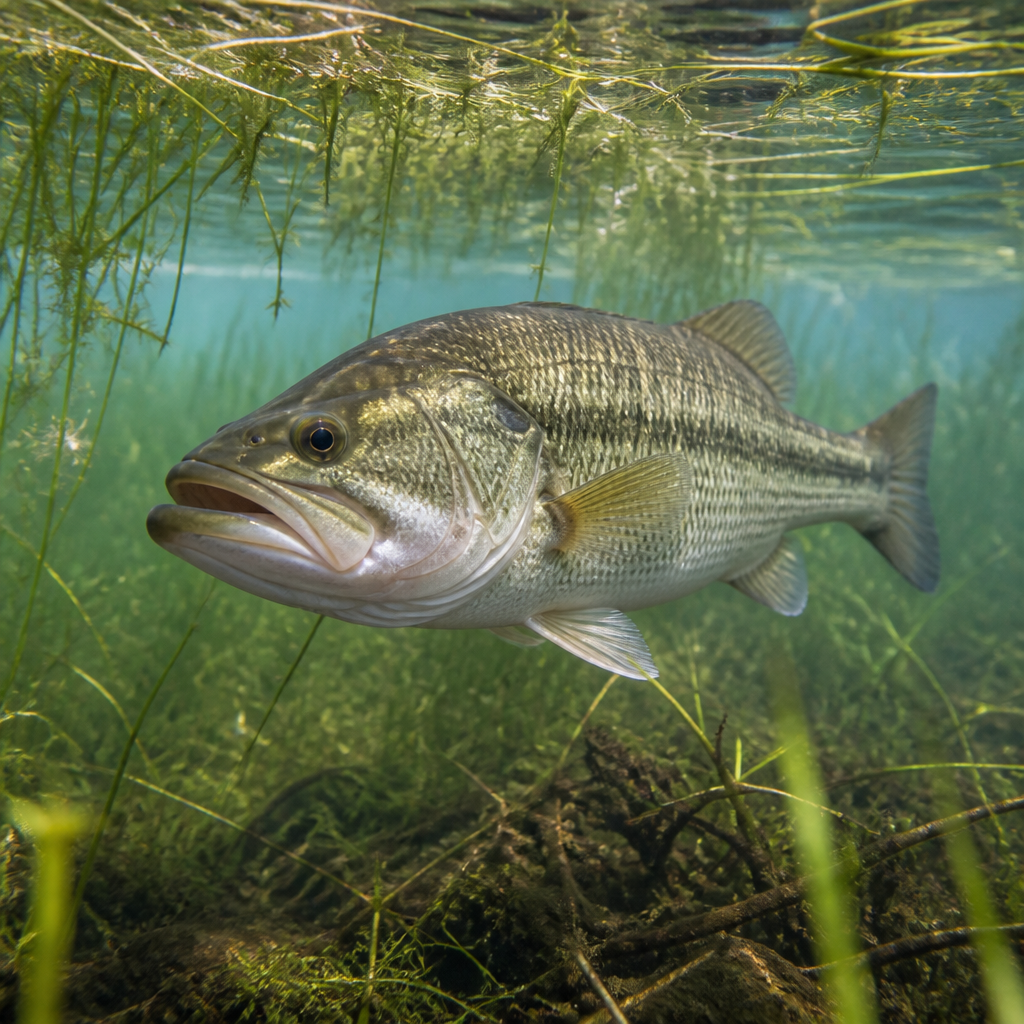
Fly fishing in warm water demands a different playbook than trout fishing, yet many anglers approach it with cold-water habits and miss fish because of it. Warm-water fly fishing means targeting species such as bass, panfish, carp, gar, and pickerel in lakes, ponds, rivers, reservoirs, backwaters, and tidal freshwater where water temperatures are generally higher, dissolved oxygen can fluctuate, and fish behavior is driven by heat, cover, forage, and light. In practical terms, success depends on reading water types and conditions correctly, then matching presentation, fly choice, depth, and timing to those conditions. That is why this subject matters. When you understand how a shallow farm pond fishes after three hot days, how a stained river edge sets up after summer rain, or how a reservoir point changes at dawn compared with noon, you stop casting at random and start making decisions that consistently put flies in front of active fish.
I learned this the hard way guiding and fishing warm-water systems that looked similar from shore but behaved very differently once I watched temperature, current seams, weed growth, bait movement, and oxygen levels over a full season. Warm water is not one thing. A weedy natural lake, a southern cypress pond, a Midwestern smallmouth river, and a flooded backwater all ask different questions. The hub idea for this page is simple: water type sets the baseline, current weather and seasonal conditions shift the pattern, and your strategy should follow those two factors before anything else. If you can identify where fish hold, why they are there, and how conditions change feeding windows, you can adapt with confidence. This article covers the essential water categories, the key conditions that control fish location, and the tactical adjustments that make warm-water fly fishing productive across the broadest range of situations.
Lakes, ponds, and reservoirs: how still water shapes fish position
Still water is the starting point for many warm-water anglers because it is accessible and often full of bass and panfish. Yet “still” is misleading. Wind creates surface drift, pushes plankton and bait, and forms feeding lanes along banks, points, and weed edges. In summer, many lakes and reservoirs develop layers: warm surface water, a middle transition zone, and deeper cooler water with lower oxygen if stratification is strong. In small ponds, stratification may be weak or unstable, but shallow water heats quickly and fish often slide toward shade, vegetation, inflow, or slightly deeper structure as the day brightens. The best warm-water fly fishing strategy in still water is to find the combination of cover, food, and tolerable temperature rather than fixating on one visible feature.
Natural lakes with cabbage, coontail, lily pads, reeds, and wood usually fish best by targeting edges and pockets rather than bombing casts into the thickest cover. Largemouth bass use weed lines as travel routes and ambush points. Bluegill and crappie often stack on outside edges, under docks, or around isolated brush. Carp may tail on soft flats early and late, especially where prevailing wind concentrates food. Reservoirs add contour complexity. Creek channels, flooded timber, rocky points, riprap, and submerged roadbeds become major structure. Smallmouth bass in reservoirs often favor rock, current from generation, and windblown points. In all these settings, a floating line with leaders matched to fly size covers shallow water, while a sink-tip or intermediate line becomes critical when fish suspend off drops or hold along deeper grass edges. Most anglers underfish the mid-depth zone in summer; that is where many larger fish spend a surprising amount of time between feeding windows.
Rivers, creeks, and moving water: reading current in warm conditions
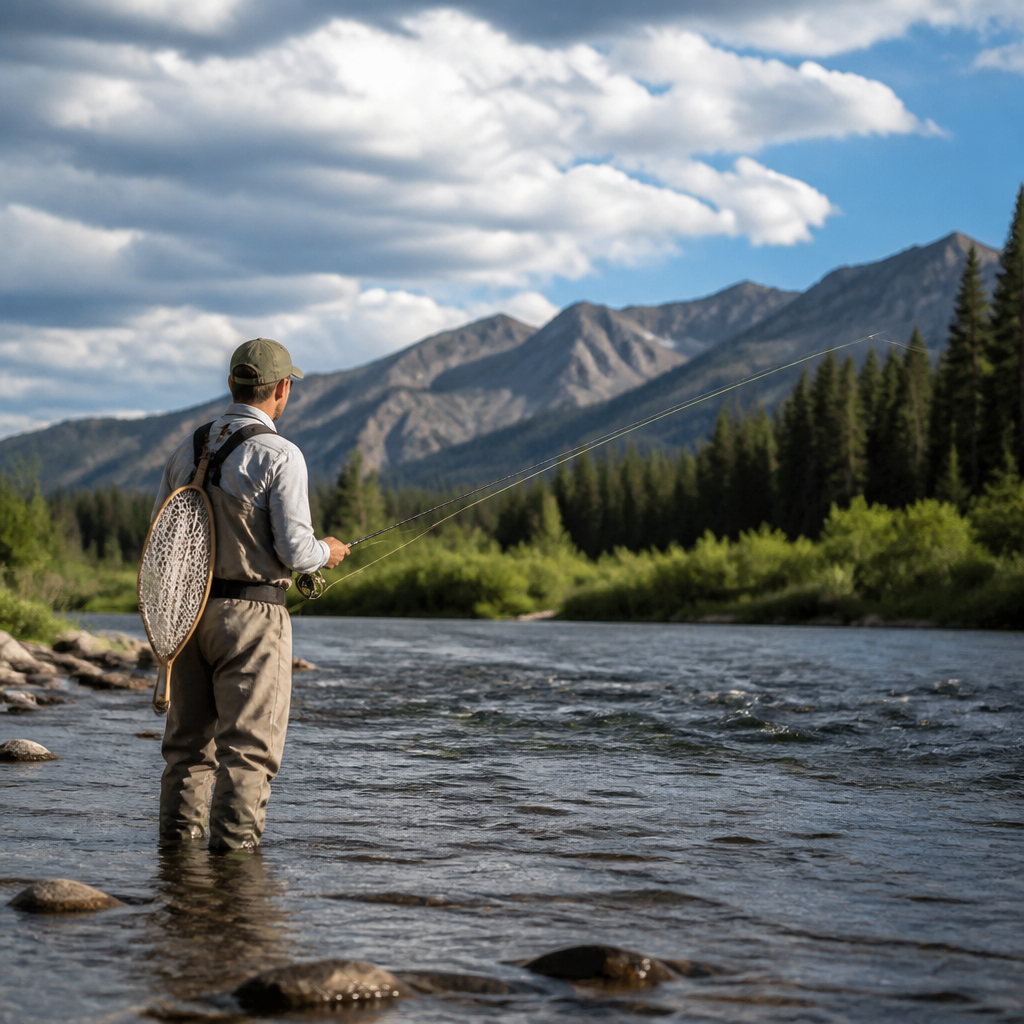
Moving water gives warm-water fish one major advantage over fish in stagnant systems: current continuously delivers food and often improves oxygen. That is why summer river fishing can stay excellent even during heat, provided flows remain healthy. The core principle is energy economy. Fish position where they can hold with minimal effort while intercepting prey. In warm-water rivers, that means current seams, eddies, undercut banks, boulder gardens, submerged timber, bridge pilings, grass beds near flow, and tailouts where baitfish and aquatic insects drift past. Smallmouth bass are the classic example. On moderate summer flows, they often sit beside broken current, near depth changes, and around shade. Cast quartering upstream or across, mend for control, and swing or strip through the seam at the fish’s level.
Creeks and smaller rivers require stealth because low clear water magnifies every mistake. I have watched fish in shin-deep glides spook from a bright fly line flash before the leader even landed. In those situations, longer leaders, sidearm casts, and approaches from downstream or bank cover matter more than changing fly color three times. In turbid rivers after rain, the opposite is true. Fish tuck closer to banks, flooded bushes, slack margins, and soft inside turns where visibility and current speed are manageable. Large-profile streamers, dark silhouettes, rattling foam poppers, and flies that displace water become easier for fish to locate. Warm moving water is often at its best where flow diversity is highest. A simple riffle-run-pool sequence, especially with wood and shade, can hold panfish, smallmouth, carp, and even catfish within one short reach if you fish each microzone according to speed and depth.
Backwaters, marshes, and tidal freshwater: unstable conditions and big opportunities
Backwaters and marshy systems are overlooked by fly anglers, but they can produce explosive topwater action and shots at fish that feed visibly. These waters are defined by fluctuation. Water levels rise and fall with rain, dam releases, or tides, vegetation grows aggressively, and forage such as frogs, dragonflies, shad, killifish, and juvenile sunfish moves with cover and current. Fish in backwaters are opportunists. Largemouth bass cruise flooded grass lines, bowfin hold in pads and dark pockets, carp root on soft mud flats, and panfish gather around edges where weeds meet open lanes. Because these habitats can warm quickly and lose oxygen overnight, the morning window is often stronger than many anglers expect.
Tidal freshwater deserves special attention because current direction changes the entire feeding setup. On a rising tide, fish may push shallow into grass, wood, and bank cover to hunt bait and invertebrates. On a falling tide, they frequently retreat to drains, ditch mouths, outer weed edges, and points where retreating water concentrates food. The mistake I see most often is arriving at a good-looking flat on dead low water and assuming it is lifeless all day. In reality, the same flat may turn on for ninety minutes as water returns and bait spills over newly flooded stems. Warm-water fly fishing in these systems improves immediately when you track tide stage or water-level trend and plan access around movement routes rather than static locations.
Key water conditions that control warm-water fly fishing success
Water type tells you where fish can live; conditions tell you where they choose to feed right now. Temperature is the first variable. Most warm-water species tolerate heat better than trout, but that does not mean hot water is automatically good. As temperature rises, fish metabolism increases up to a point, while dissolved oxygen can decline, especially in weedy shallows and stagnant coves overnight. That creates classic windows: low-light periods, wind-driven banks, inflows, shaded cover, and current-rich areas become more productive than sun-baked flats at midday. Water clarity is the second variable. Clear water favors longer casts, subtler flies, natural colors, and refined presentations. Stained or muddy water calls for stronger silhouettes, vibration, brighter accents, and shorter targeted casts to cover where fish can locate the fly quickly.
Wind, cloud cover, and barometric stability also shape behavior. Wind is often an ally in still water because it breaks up light penetration, pushes food, and gives predators confidence. Clouds can prolong shallow feeding, especially for bass and carp that avoid harsh overhead sun. Stable summer conditions usually make patterns easier to repeat, while abrupt cold fronts can reduce aggression, pushing fish tighter to cover or deeper edges. Water level may be the most underestimated condition in warm-water systems. Rising water opens new habitat and often creates short feeding bursts along fresh cover. Falling water pulls fish to channels, drop-offs, drains, and outside edges. The table below summarizes how these conditions typically change strategy.
| Condition | Likely Fish Position | Best Fly Approach |
|---|---|---|
| Hot, calm, bright | Shade, deeper edges, current seams, under vegetation | Slow subsurface flies, precise casts, early and late focus |
| Windy and overcast | Windblown banks, points, shallow cover | Poppers, baitfish patterns, active retrieves |
| Clear low water | Depth transitions, isolated cover, subtle current breaks | Long leaders, smaller flies, stealthy presentations |
| Stained rising water | Banks, flooded grass, slack margins, woody cover | Dark or bright flies, bulkier profiles, short accurate strips |
| Falling water | Drains, channels, outer weed lines, points | Probe exits and edges thoroughly at multiple depths |
Matching tactics to water depth, cover, and forage
Once you read the water and conditions, the next step is tactical fit. Depth control is the most decisive adjustment in warm-water fly fishing. In shallow ponds with pads or emergent grass, deer-hair bugs, foam sliders, gurglers, and weedless baitfish patterns let you cover surface and upper-column fish without fouling every cast. Along outside weed edges in six to ten feet, an intermediate line and weighted streamer often outproduce floating-line presentations because the fly tracks beside the edge where bigger fish hold. In rivers, depth is controlled more by angle, current speed, and fly weight than by line density alone. A lightly weighted crayfish pattern dead-drifted beside a boulder can beat a flashy streamer if smallmouth are feeding on the bottom.
Cover determines both fly design and hook orientation. Around timber and brush, patterns with mono weed guards, upturned hooks, or sparser materials snag less and land cleaner in openings. Around rock and current, durable streamers, crayfish flies, and baitfish patterns that maintain shape after repeated collisions are worth carrying. Forage should guide profile and retrieve. If bluegill fry ring shallow cover, a small white baitfish pattern with erratic strips matches the hatch better than a frog imitation. If dragonflies are thick over reeds, bluegill and bass may smash small poppers paused under overhanging stems. In carp water, realistic nymphs, damsel larvae, and small craw patterns presented softly on likely feeding lanes are far more effective than oversized attractors. The practical rule is straightforward: match the prey fish are easiest to capture in that specific water type and condition, not simply the prey you most want them to eat.
Seasonal timing, daily windows, and common mistakes
Warm-water fly fishing is productive from spring through fall, but water conditions shift with each phase. In spring, warming shallows attract panfish and pre-spawn bass, especially in protected bays, dark-bottom coves, and backwater ponds that gain heat first. Early summer often brings the broadest range of options because fish still use shallow cover heavily, insect life is abundant, and oxygen remains relatively stable. Midsummer narrows the prime windows. Dawn, dusk, night, generation flow, storms approaching, and windy periods all become more valuable. Late summer can be difficult in stagnant shallows, but rivers, reservoirs with structure, and lakes with healthy vegetation and wind exposure still fish well if you adapt depth and timing. Fall usually improves again as cooling water expands the daily feeding window and baitfish migrate along banks, creeks, and points.
The biggest mistakes are predictable. Anglers fish water that looks good instead of water that sets up well under current conditions. They stay shallow all day in hot bright weather. They work surface bugs too fast, especially when fish are inspecting rather than chasing. They ignore water movement in lakes and overvalue it in tiny dead-end coves where oxygen is poor. They fail to revisit spots as light, wind, or tide changes. And they bring one rod rigged one way, then force every situation into that setup. A better system is to build a short checklist before you start: identify the water type, note temperature trend and clarity, find current or wind influence, locate the best cover adjacent to depth, determine dominant forage, and choose one topwater and one subsurface option to test quickly. That process turns a large category like “warm water” into fishable decisions.
Conclusion
Fly fishing in warm water becomes far more consistent when you treat water types and conditions as the foundation of every choice. Lakes, ponds, reservoirs, rivers, creeks, backwaters, and tidal freshwater all hold fish differently, and each reacts in its own way to heat, wind, clarity, current, and changing water level. The anglers who catch most steadily are not guessing. They understand where oxygen, cover, forage, and light come together, then they adjust fly depth, retrieve speed, and timing to match that setup. That is the central benefit of learning this subtopic well: you make faster reads, eliminate unproductive water, and present flies where active fish are most likely to respond.
Use this page as your hub for the broader “Water Types and Conditions” category, then apply its framework on your next outing. Start by classifying the water in front of you, compare today’s conditions against the patterns outlined here, and fish the highest-percentage zones first. Keep notes on temperature, clarity, wind, water level, and the cover type that produced. Over a season, those details reveal repeatable patterns specific to your waters. If you want better warm-water results with a fly rod, stop thinking only about flies and start thinking like a reader of water. The fish already are.
Frequently Asked Questions
What makes warm-water fly fishing different from trout fishing?
Warm-water fly fishing is different because the fish, the water, and the daily feeding windows all behave differently than they do in classic trout settings. Instead of cool, oxygen-rich currents where trout often hold in predictable seams and riffles, warm-water fisheries usually revolve around temperature swings, available cover, bait concentration, and low-light feeding periods. Species like largemouth bass, smallmouth bass, bluegill, crappie, carp, gar, and pickerel are typically less current-oriented than trout and more structure-oriented. They may hold around weed edges, laydowns, docks, lily pads, rock piles, submerged timber, riprap, drop-offs, backwater sloughs, or shaded banks. That changes how you approach the water from the very beginning.
Presentation is also different. Trout anglers often rely on drag-free drifts, matching insect hatches, and relatively delicate offerings. In warm water, many strikes come from flies that move with intent. Streamers, poppers, divers, baitfish patterns, crayfish flies, leeches, worm imitations, and buggy subsurface patterns are often the core of the game. Retrieval matters as much as fly selection, and changing the cadence of strips can be the key to triggering fish. A bass may eat on a long pause near a stump, a panfish may react best to a tiny twitch under an indicator, and a carp may demand a precise, subtle presentation on the bottom with almost no movement at all.
Another major difference is timing. In warm water, heat can push fish out of shallow feeding zones during the middle of the day, especially in summer when dissolved oxygen drops and shallow water becomes stressful. That is why early morning, evening, and nighttime can be so productive. Shade, current inflow, wind-blown banks, springs, and vegetation edges often become more important than they would be in a cold-water trout stream. Anglers who adjust to these warm-water realities usually find that the fishing becomes far more consistent and far more dynamic.
When is the best time of day to fly fish in warm water?
The best time of day is usually early morning and late evening, with nighttime also offering excellent opportunities for certain species, especially during hot weather. In warm-water environments, water temperature and dissolved oxygen can change quickly over the course of a day. During summer, midday heat often pushes fish deeper, tighter to cover, or into areas with more oxygen and less light. That does not mean the middle of the day is always poor, but it usually means you need to fish more specifically and target better habitat rather than expect fish to be broadly active.
At first light, warm-water species often move shallower to feed. Bass may patrol weed lines, bluegill may suspend near shoreline cover, and carp may cruise flats before boat traffic and sun intensity increase. Evening can be just as productive because surface temperatures begin to drop, shadows lengthen, and forage becomes more active. This is often the prime window for topwater flies like poppers, foam bugs, and sliders. If you enjoy visual eats, these low-light periods are hard to beat.
That said, daytime fishing can still be very effective if you adapt. Look for shade under overhanging trees, bridges, docks, and steep banks. Fish current breaks in rivers, inflows in reservoirs, deeper edges of vegetation, or areas with wind pushing bait into structure. On bright days, many warm-water fish position tightly to cover, so accurate casting becomes more important than making lots of random presentations. In short, if you want the highest odds, fish low light first. If you must fish in full sun, slow down, get more precise, and focus on cooler, more oxygen-rich, or better-shaded water.
What flies and tackle work best for warm-water species like bass, panfish, and carp?
The best flies and tackle depend on the species and the type of water, but versatility is the winning principle. For bass, a 6- to 8-weight outfit covers most situations well. It has enough power to cast larger flies, turn over bass bugs, and pull fish out of vegetation or wood. Effective bass flies include deer-hair poppers, foam poppers, divers, baitfish streamers, crawfish patterns, leech patterns, and articulated streamers when fish are keyed on larger forage. Color matters less than profile, contrast, and retrieve in many situations, although natural baitfish tones, black, olive, white, chartreuse, and combinations of these are dependable starting points.
For panfish such as bluegill and crappie, lighter rods in the 3- to 5-weight range make fishing more enjoyable and are ideal for smaller flies. Foam spiders, tiny poppers, nymphs, soft hackles, micro streamers, damsel nymphs, and small buggy subsurface patterns are all excellent. Panfish often reward a slower pace than anglers expect. A small twitch followed by a dead pause can outperform a steady retrieve, especially when fish are suspended around brush, docks, or weed pockets.
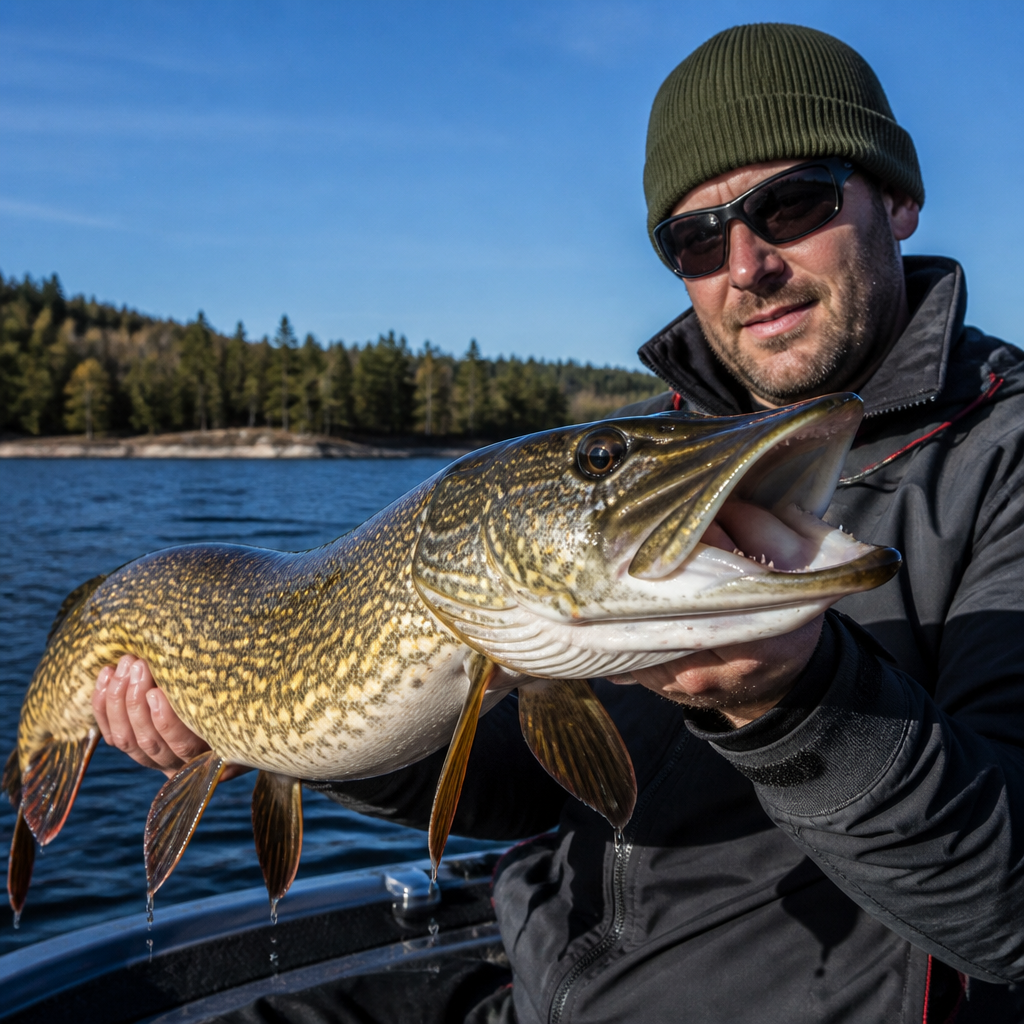
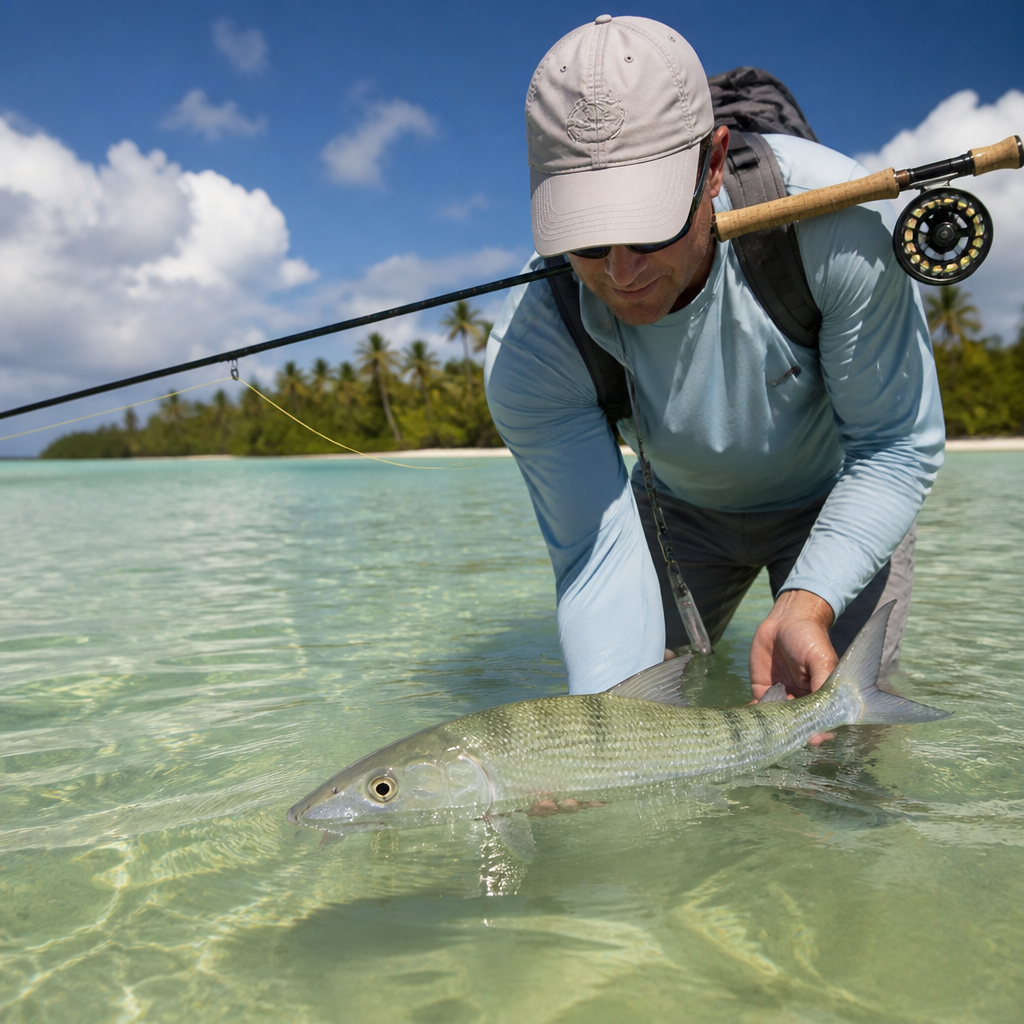
Carp require a different mindset. A 6- to 8-weight rod is common, but the real challenge is stealth and accuracy. Carp flies are usually smaller and more understated than bass patterns. Think crayfish imitations, small leech patterns, carp-specific nymphs, worm flies, and lightly weighted bottom-oriented bugs. These flies are designed to land quietly and sit where feeding carp can find them. With carp, the presentation often matters more than the exact pattern. You are usually trying to place the fly in the path of a fish that is actively tailing, rooting, or cruising with purpose.
For leaders, warm-water anglers can often fish shorter and stronger than trout anglers are used to. Heavy tippet is common around cover, particularly for bass and pickerel. Floating lines handle topwater and many shallow presentations, while sink-tip or intermediate lines are valuable for probing deeper edges, channels, or drop-offs. The main point is to match your setup to the cover, fly size, and fish behavior rather than defaulting to standard trout gear. Warm-water success usually comes from practical, durable tackle that helps you fish effectively around structure.
How should I adjust my strategy based on water temperature, cover, and oxygen levels?
This is one of the most important questions in warm-water fly fishing because fish location and activity are tightly linked to these factors. As water warms, fish do not simply become more active everywhere. They begin to favor areas that offer the right balance of food, security, and oxygen. In ponds, lakes, and reservoirs, that often means weed lines, deeper breaks, timber, docks, or areas influenced by wind and inflow. In rivers and tidal freshwater, it may mean current seams, tributary mouths, shaded banks, deeper pools, or backwater areas that still maintain enough oxygen and forage.
Cover is central because warm-water species are ambush-oriented by nature. Bass hold near logs, grass edges, and dock pilings because those spots let them conserve energy and strike prey efficiently. Panfish stack around brush and vegetation because it provides protection and feeding opportunities. Carp often use flats, muddy bays, and edges where they can root for food. If you are not fishing near meaningful structure, you are often fishing unproductive water. A common mistake is making too many casts to open water when the fish are concentrated around very specific targets.
Oxygen deserves special attention, especially in midsummer. Warm water holds less dissolved oxygen than cold water, and shallow stagnant zones can become poor habitat during hot spells. Fish may avoid lifeless-looking backwaters in the afternoon but return during lower light or after a weather change. Wind can improve conditions by stirring surface water and pushing food into one bank or shoreline. Springs, culverts, feeder creeks, and necked-down current areas can also attract fish by improving water quality and concentrating forage. Learning to identify these subtle upgrades in habitat gives you a real edge.
As a rule, fish faster and shallower during cooler windows, then shift deeper, tighter, or slower as heat builds. If fish are inactive, change one variable at a time: depth, retrieve speed, fly size, fly profile, or casting angle to cover. Warm-water fish are often catchable, but they can become location-specific under harsh conditions. The best anglers respond by reading the water like a living system, not just by changing flies repeatedly.
What are the biggest mistakes anglers make in warm-water fly fishing, and how can they avoid them?
The biggest mistake is treating warm-water fish like trout and assuming the same habits and tactics will transfer cleanly. Many anglers fish too delicately, too quickly, or in the wrong parts of the water. They may focus on obvious open lanes instead of committing to structure, or they may retrieve every fly at the same speed regardless of species, temperature, or depth. In warm water, a great-looking cast means little if the fly is not landing near the right cover, moving at the right pace, or spending enough time in the strike zone.
Another common mistake is ignoring timing. Anglers often fish during the hottest part of the day, see limited activity, and conclude the water is poor. In reality, they may simply be fishing outside the best feeding window. Starting at dawn, staying late, or targeting shade