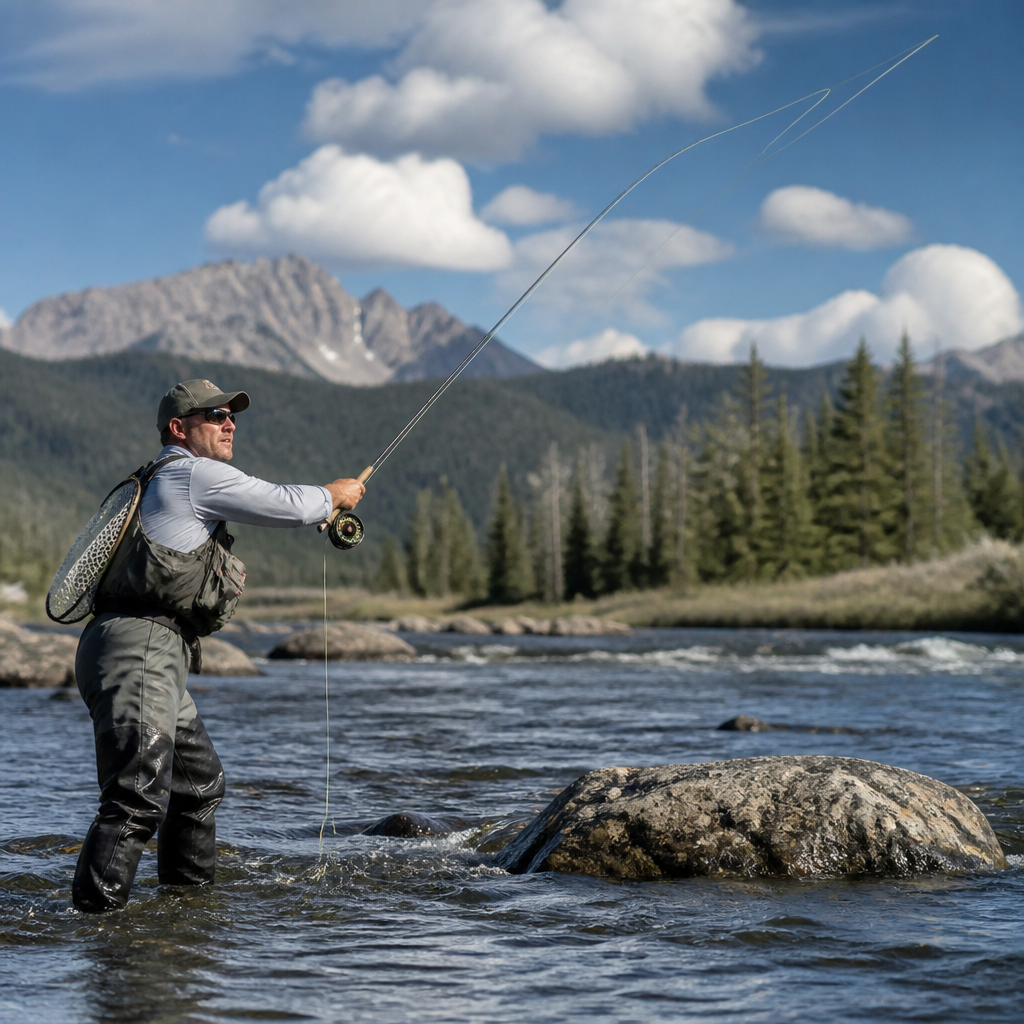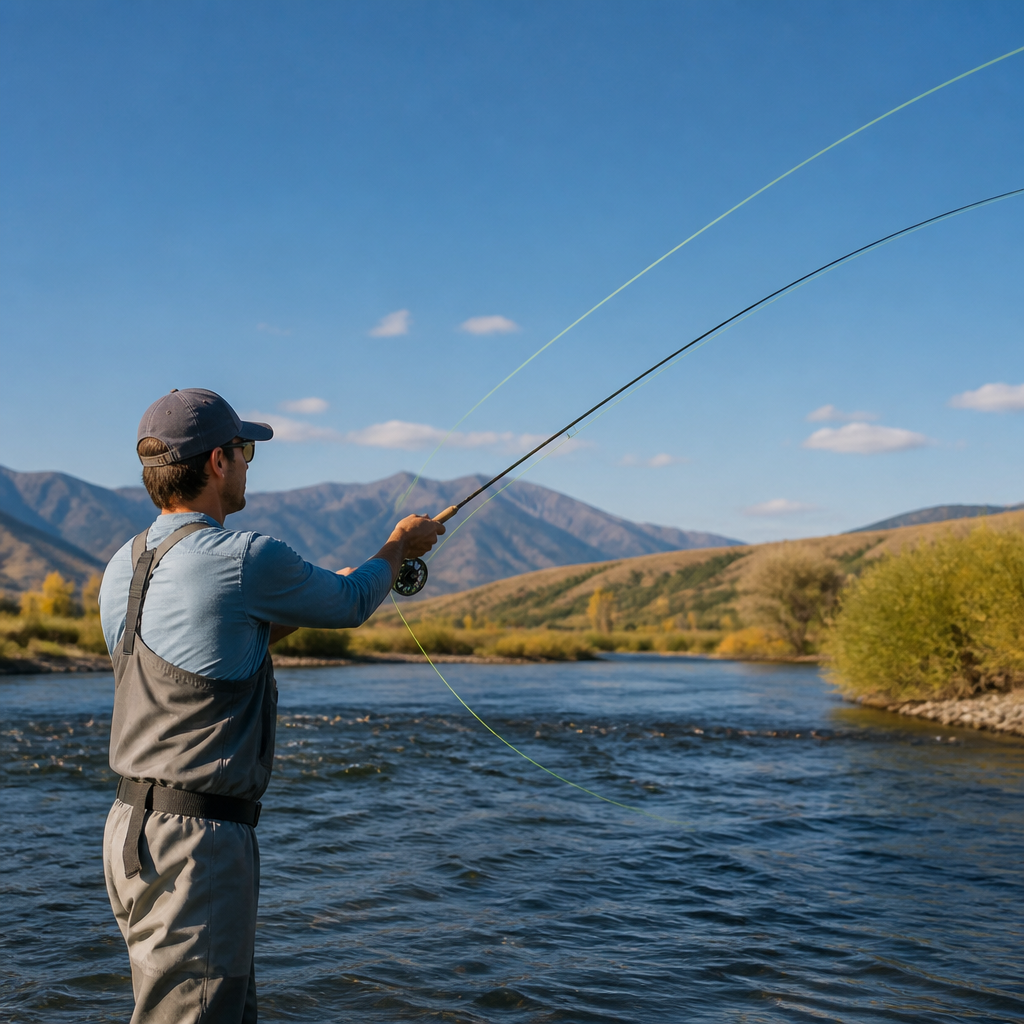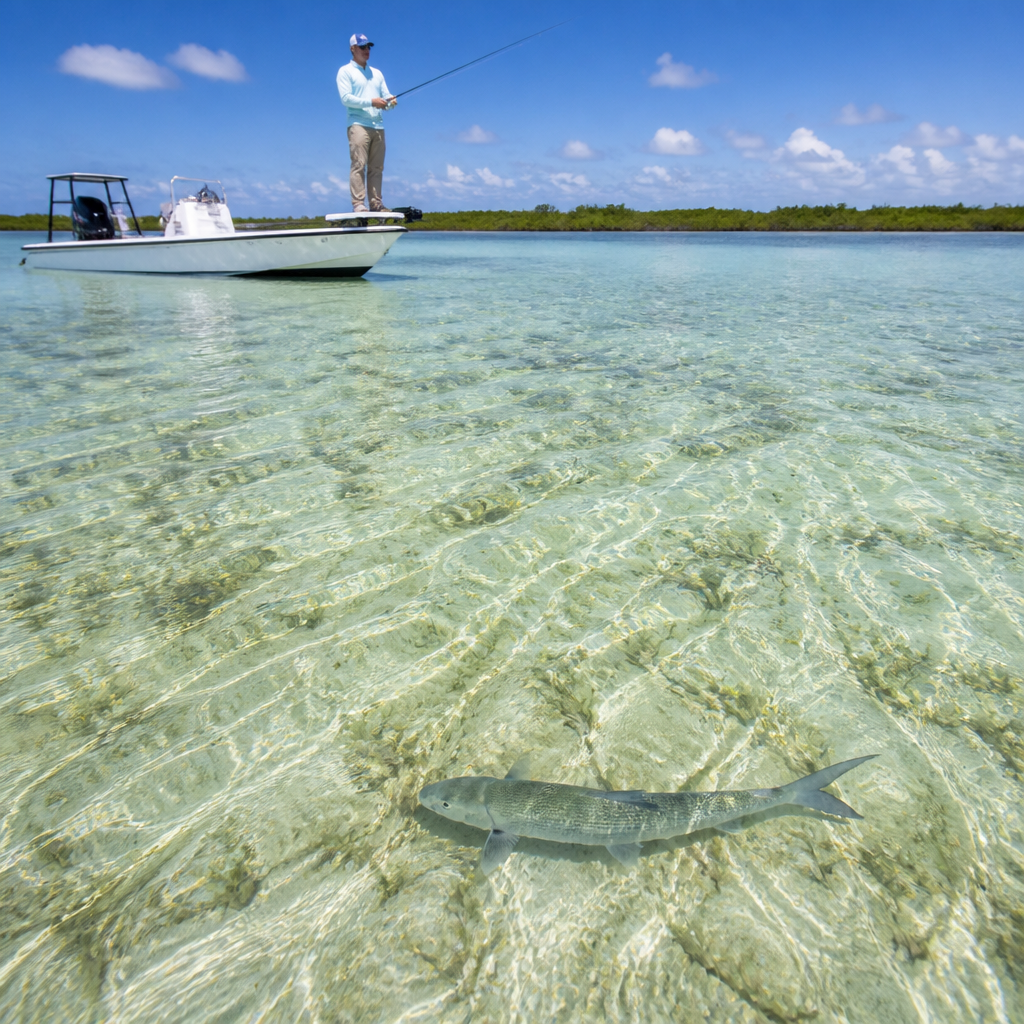
Sight fishing in the flats is one of the most visual, demanding, and rewarding approaches in saltwater angling because you are not casting blindly at structure or current seams; you are locating a fish, reading its behavior, and presenting a lure or fly where it can be seen and eaten. In practical terms, sight fishing means spotting fish before the strike, while the flats are shallow coastal areas of sand, mud, turtle grass, oyster edges, and potholes that hold species such as redfish, bonefish, permit, snook, and juvenile tarpon. I have spent enough dawns poling skiffs and enough afternoons wading shin-deep water to know that success rarely comes from luck alone. It comes from understanding light, tide, bottom composition, fish posture, casting angles, and stealth. That is why this style matters so much: it turns fishing into a deliberate hunting process, sharpens observation skills, and consistently improves catch rates when conditions line up. For anglers building a complete sight fishing system, this guide serves as the central reference point, connecting fish-finding, tackle choices, boat positioning, wading discipline, and presentation strategies into one repeatable method that works across different flats fisheries.
What Sight Fishing in the Flats Really Requires
The core requirement of successful sight fishing is detection, and detection depends on visibility, elevation, and pattern recognition. On a clear flat, fish may appear as full bodies, dark pushes, nervous water, tailing tips, wakes, puffs of mud, or subtle changes in bottom color moving against the current. Beginners often expect every fish to be obvious. In reality, most flats fish are first noticed through clues rather than full silhouettes. A redfish over turtle grass may show as a copper flash and a push; a bonefish over white sand often looks like a faint gray bar sliding quickly from left to right. Permit are notorious for blending into glare, yet their profile becomes clear when they tip down over a crab-rich patch.
To see fish consistently, control the variables you can. Polarized sunglasses are non-negotiable, and lens color matters. Copper and amber lenses improve contrast on mixed grass and mud, while gray lenses help in bright tropical light. Hat brims should be dark underneath to reduce reflected glare into your eyes. Elevated positioning also changes everything. From a polling platform, casting deck, paddleboard, or even a small shoreline rise, you can pick up movement and contrast much earlier than at water level. I have watched anglers miss fish at thirty feet while a guide on the platform called them at eighty because the angle into the water was better.
The second requirement is interpretation. Not every visible fish is catchable. A fish moving steadily with purpose may still eat, but one that is pushing hard, fleeing, or sharply changing direction has usually detected danger. Learn the difference between cruising, feeding, laid-up, and spooked behavior. Cruising fish travel a route and can be intercepted. Feeding fish tip down, pause, root, and generally offer the highest probability. Laid-up fish are resting and may react to a very precise presentation. Spooked fish should be left alone because repeated casts only educate them further. This behavioral reading is what separates random opportunities from consistent sight fishing in the flats.
Reading Tides, Wind, Light, and Bottom Composition
If you want to predict where fish will appear, start with tide stage and water movement. On flood tides, redfish and snook often push shallow to feed on crabs and shrimp in newly covered grass. On falling water, fish slide toward drains, potholes, and troughs where prey is concentrated. Bonefish commonly roam firm sand and mixed grass with enough water to travel but not so much depth that they lose the security advantage of the flat. Permit often patrol edges where crabs are displaced by current. Tidal prediction tools such as Navionics, local NOAA tide stations, and regional guide reports are useful, but the printed tide is only a baseline. Wind direction, barometric pressure, and local geography can make actual water levels differ significantly.
Wind is both a problem and a tool. It creates surface chop that can hide fish, yet a light ripple often helps by breaking up your profile and making fish less wary. Strong onshore wind may flood shorelines and back lakes, opening new feeding areas. Strong offshore wind can pull water out and expose bars, concentrating fish in depressions. In practice, I plan drifts and wades according to how wind and tide interact. A flat with the sun at your back but wind in your face might still be preferable because accurate casts matter more than perfect comfort.
Light angle is another decisive factor. Early and late hours can produce ideal feeding windows, but low sun also creates glare lanes and long shadows. Midmorning often gives the cleanest visibility, especially with the sun behind the angler. Cloud cover reduces contrast and makes fish harder to distinguish, though overcast days can still be productive if you shorten search distances and target obvious structure transitions. Bottom composition matters because fish choose habitat based on food and concealment. Sand shows bonefish well. Dark mud absorbs heat and attracts bait in cooler months. Turtle grass shelters crustaceans and juvenile forage. Oyster edges hold current breaks and ambush points. The best flats anglers do not simply scan water; they scan fish habitat within water.
Approach, Positioning, and Stealth on the Flats
Most failed sight fishing shots are lost before the cast because the approach was wrong. Noise, profile, pressure waves, and careless movement alert fish long before they are seen. Whether you are on a skiff, kayak, paddleboard, or wading, stealth begins with speed control. Move slower than you think necessary. Hull slap, dropped pliers, hatch lids, and careless footfalls in shallow water all travel farther than anglers expect. On calm mornings, I treat every platform movement like I am standing in a duck blind over thin ice.
Positioning is about setting an angle that allows an unforced cast ahead of the fish. The best presentation usually lands two to six feet in front of a moving fish, depending on species, water clarity, and lure type. Bonefish often require longer leads because they move faster. Redfish feeding with heads down may accept shorter presentations. Permit punish imprecision, so the boat should be set up early and with minimal correction. If you wait until the fish is close, you rush the cast and line management unravels. Good guides are constantly solving geometry: sun angle, wind angle, fish angle, and angler-handedness all determine where the boat should be.
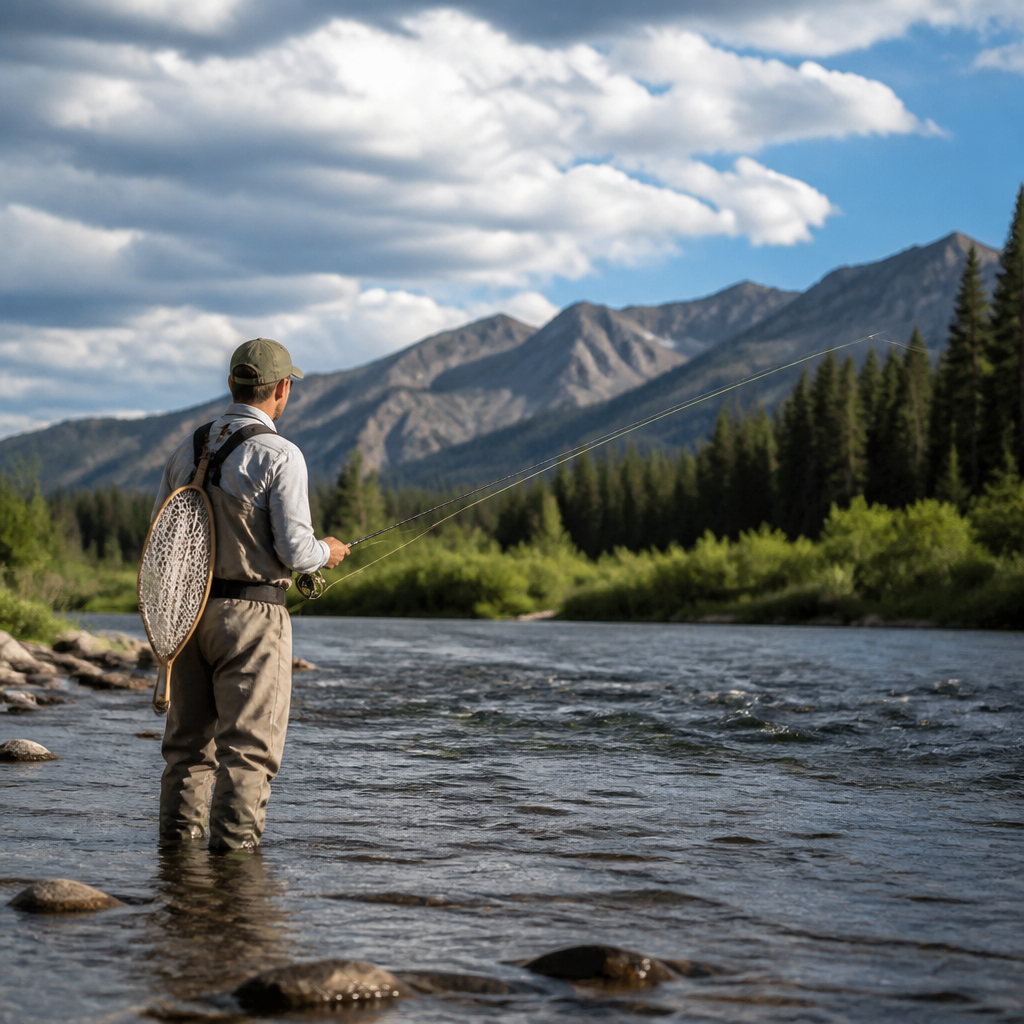
Wading introduces its own discipline. Keep your feet low, shuffle rather than stomp, and pause often to scan. Waders who march continuously create mud plumes and pressure wakes that announce their presence. Use shorelines, grass lines, and deeper troughs as concealed travel lanes when possible. Clothing should match the brightness of the environment; stark white shirts and erratic rod movements are easy for fish to detect. In shallow, clear water, your shadow may spook fish before your body does. Think like a heron: slow, balanced, and deliberate. That mindset alone raises sight fishing success dramatically.
Tackle, Lures, and Flies That Improve Hookup Rates
The right tackle for sight fishing in the flats balances casting precision, subtle landing, and enough power to control fish around current, grass, and mangrove edges. Spinning tackle is often the fastest learning path. A 7-foot medium-light or medium fast-action rod paired with a 2500 to 3000 size reel handles most redfish, bonefish, and school-size snook situations. Ten- to fifteen-pound braided line with a fluorocarbon leader offers castability and sensitivity, though some anglers prefer lighter braid in ultra-clear water. For fly anglers, an 8-weight is the standard crossover tool, while a 9-weight gives more authority in wind or around larger fish.
Lure choice should match forage and depth while preserving stealth. Soft plastics rigged weedless, small paddletails on light jig heads, shrimp imitations, gold spoons, and unweighted jerkbaits all have a place. Flies such as Crazy Charlies, Gotchas, spawning shrimp patterns, crab flies, and EP baitfish patterns remain standards because they enter quietly and track naturally with short strips. Color matters less than profile and sink rate in many situations. I reach first for natural tan, olive, white, and root beer because they imitate what flats fish commonly see without creating an unnatural flash. Heavier jigs catch fish, but on shallow calm flats they often land too hard and foul more grass.
| Condition | Best Tackle Choice | Presentation Advantage |
|---|---|---|
| Clear calm water | Light jig, weedless plastic, or shrimp fly | Quiet entry and subtle movement |
| Windy open flat | Medium spinning outfit or 9-weight fly rod | Better line control and casting accuracy |
| Heavy turtle grass | Weedless soft plastic or spoon | Fewer snags and cleaner retrieve |
| Crab-focused permit water | Small crab fly or compact crab lure | Matches forage and bottom-feeding posture |
Leader construction deserves attention because visibility and abrasion resistance must be balanced. In very clear water, longer leaders often help, especially for bonefish and permit. Around mangroves, oyster bars, and dock edges near flats, a slightly heavier bite tippet prevents breakoffs. Hooks should be sharp enough to penetrate with minimal pressure; flats fish often eat at odd angles, and a sticky point converts brief opportunities into landed fish.
How to Cast, Lead, and Present to Different Fish Behaviors
Presentation is the moment where observation becomes execution. The basic rule is simple: cast where the fish is going, not where it is. The complicated part is calculating speed, mood, depth, and reaction window. A fish moving slowly with its head down is usually feeding and needs only a small lead. A fast cruiser needs more room to notice, track, and intercept the lure or fly. Landing directly on top of a fish almost always fails. Landing too far away prevents detection. Productive sight fishing in the flats lives in that narrow middle zone.
Retrieve style should match fish posture. For tailing redfish, a short hop or crawl keeps the lure in the feeding window. For bonefish, brisk strips often trigger pursuit because the fish is used to chasing fleeing shrimp. Permit frequently demand the most disciplined retrieve of all: one or two strips to get attention, then tiny adjustments as the fish tips down. If the fish accelerates, do not pull the offering away in panic. Let it close and then move just enough to maintain life. This is a common error I see from competent casters who simply overwork the bait.
Hook setting also varies. With spinning tackle, sweep firmly rather than snapping upward, especially with braided line in shallow water. With a fly rod, use a strip-set to keep the line tight and avoid lifting the fly out of the fish’s mouth. After the hookup, clear loose line instantly and angle pressure away from hazards. Flats fish are built for quick acceleration, and the first five seconds decide many outcomes. Calm mechanics win here; frantic reactions lose fish.
Common Mistakes, Seasonal Adjustments, and Building a Reliable System
The most common mistake in sight fishing is looking without truly seeing. Anglers scan too fast, focus only on obvious wakes, or stare into glare instead of around it. The next mistake is poor shot discipline: casting at fish that are out of range, already alerted, or moving in a way that gives no realistic window. I pass on many fish because low-percentage shots waste time and educate the school. Another frequent problem is changing lures too often instead of correcting angle, lead distance, or retrieve speed.
Seasonal adjustments matter because flats ecosystems shift throughout the year. In warmer months, early starts help beat boat traffic and high sun can reveal fish over bright bottoms. During cooler periods, dark mud flats warm quickly and attract bait and redfish, particularly on incoming tides after cold nights. In tropical fisheries, moon phases can change water movement enough to reposition bonefish and permit by hundreds of yards. Bait migrations, shrimp hatches, and local spawning events also alter feeding preference. Keep a log with tide stage, wind direction, cloud cover, bottom type, species seen, and successful presentation details. Over time, patterns become obvious.
A reliable system for sight fishing in the flats is built from preparation and review. Study charts before the trip. Arrive with a clear plan for wind and tide. Keep one confidence lure or fly rigged and one backup for changed conditions. Practice forty- to sixty-foot casts until they are automatic, because most real opportunities happen inside that range. Most important, treat each missed fish as usable information. The anglers who improve fastest are not the ones who get lucky on perfect days; they are the ones who learn why fish refused, spooked, followed, or ate. That feedback loop is the true hub of all sight fishing progress. Apply these strategies on your next flat, then refine them trip by trip until spotting, positioning, and presenting become one smooth process.
Frequently Asked Questions
What is sight fishing in the flats, and why is it considered so challenging?
Sight fishing in the flats is the practice of visually locating a fish in shallow coastal water and then making a deliberate presentation to that specific target. Unlike fishing deeper channels, docks, or offshore structure where many casts are made based on likely holding areas, flats fishing is highly visual and demands constant observation. Anglers are scanning sand, mud, turtle grass, potholes, oyster edges, and subtle surface disturbances for signs such as wakes, tails, shadows, pushes, flashes, or the actual outline of a fish moving through skinny water. The challenge comes from the fact that the fish often see you as easily as you can see them. Water depth may only be inches to a few feet, so noise, sloppy boat positioning, poor wading discipline, or an inaccurate cast can spook the fish instantly.
It is also challenging because success depends on several skills working together at once. You need to read light conditions, wind direction, bottom color, tide movement, and fish behavior in real time. Then you must decide whether the fish is feeding, cruising, nervous, or actively fleeing, because each behavior calls for a different lead distance and lure placement. A cast that lands too close can blow the opportunity, while a cast too far away may never get noticed. That combination of visual hunting, stealth, precision casting, and behavior reading is exactly why sight fishing in the flats is so rewarding. When it comes together, you are not just getting a bite; you are solving a visible, moment-by-moment puzzle.
What are the best conditions for spotting fish on the flats?
The best conditions for sight fishing usually combine good sunlight, manageable wind, clean water, and a tide level that positions fish where they can still be seen. Bright sun is often your best friend because it helps illuminate the water and creates contrast between the fish and the bottom. Early morning can be productive, but if the sun is still low and glare is strong, fish can actually be harder to see until the angle improves. Mid-morning through early afternoon is often excellent when the light is high enough to penetrate the surface. Polarized sunglasses are essential because they cut glare and allow you to see beneath the water rather than just looking at the reflection on top.
Water clarity matters just as much. Cleaner water makes it easier to spot body shape, tail movement, and subtle directional shifts, while murky water forces you to rely more on pushes, nervous bait, wakes, or mud puffs. Wind is a mixed factor. A slight ripple can sometimes help disguise your approach, but heavy chop makes it much harder to identify fish and judge distance. Bottom type also affects visibility. Fish over bright sand are often easier to spot than fish sliding over dark grass or broken mud. Tides influence where fish travel and feed, so many anglers target stages when fish are pushed onto the flats but still have enough water to move naturally. In short, ideal sight fishing conditions are not just about pretty weather; they are about maximizing visibility while still putting fish in reachable, predictable water.
How should you approach and cast to fish without spooking them?
Stealth is everything on the flats. Whether you are poling a skiff, drifting, using a trolling motor sparingly, or wading, the goal is to keep your presence subtle and non-threatening. Sudden hull slap, dropped gear, loud voices, sloppy footfalls, or aggressive movements can alert fish long before you get a cast off. A good approach starts with positioning. Try to keep the sun at an angle that helps you see while avoiding a direct silhouette over the fish. Use the wind and current to your advantage so you are not rushing the presentation. In many cases, it is better to intercept a fish’s path calmly than to chase it from behind. Once a fish is spotted, watch its speed and direction for a few seconds before casting. That brief pause often gives you a much better idea of where the presentation should land.
As for the cast itself, the general rule is to lead the fish rather than hit the fish. Place the lure or fly far enough ahead that the fish can encounter it naturally, but not so far that it loses interest before arriving. The exact distance depends on species, depth, mood, and speed, but a fish that is tailing slowly on a flat usually needs a softer, closer lead than a fast cruiser crossing open sand. Accuracy matters more than distance in most flats scenarios. A quiet landing is critical, especially in shallow water. After the cast, work the lure with restrained confidence. Many anglers make the mistake of moving it too much. Let the fish tell you what it wants. If it tips, tracks, or changes body language toward the bait, stay composed and keep the presentation realistic. If it flares, bolts, or shows tension, the cast was likely too aggressive or the retrieve looked unnatural.
What lures, flies, and gear work best for sight fishing species like redfish and bonefish on the flats?
The best gear for sight fishing in the flats is gear that supports accurate presentations, quiet entries, and strong fish control in shallow saltwater environments. For spinning tackle, many anglers favor a medium-light to medium-power rod with a fast action, paired with a quality reel and braided main line connected to a fluorocarbon leader. This setup allows long, accurate casts and enough sensitivity to work soft plastics, small paddle tails, jerkbaits, shrimp imitations, or weedless presentations over grass, sand, and potholes. For redfish, gold spoons, soft plastic paddletails, shrimp-style artificials, and weedless rigged baits are classic choices because they cover water well and can be presented naturally around grass and oyster edges. Bonefish anglers often use small jigs, shrimp imitations, or flies that land softly and imitate natural forage without creating too much commotion.
Fly anglers typically choose rods in line weights appropriate for the target species and local wind conditions, often with floating lines for true flats work. Productive flies include crab patterns, shrimp patterns, and baitfish imitations matched to bottom color and fish behavior. Weight selection is especially important. Too heavy, and the fly lands hard or snags grass; too light, and it may not get into the fish’s zone quickly enough. Color should complement both water clarity and bottom tone. Natural tans, olives, pinks, and translucent patterns are staples because they blend with common forage and do not look out of place in clear shallow water. Beyond rods and lures, polarized glasses with quality lenses are arguably the most important piece of equipment in sight fishing because if you cannot see the fish clearly, you cannot make the right presentation. Good footwear for wading, a stripping basket for fly fishing if needed, and a push pole or well-managed skiff setup also make a major difference in execution.
How do you read fish behavior on the flats and adjust your presentation for more hookups?
Reading fish behavior is one of the biggest separators between simply seeing fish and consistently catching them. Not every visible fish is catchable in the same way. A tailing fish is often actively feeding head-down, rooting or hunting across the bottom, which usually means a well-placed crab, shrimp, or soft plastic has a strong chance of being eaten if it lands quietly and enters the feeding lane. A cruising fish may or may not be interested in feeding, so your presentation often needs to be more interceptive and timely. A laid-up fish resting in shallow water can be very susceptible under calm conditions, but it can also be extremely spooky if your cast is off by even a little. A fish that is pushing water, changing direction confidently, or tipping downward after noticing your bait is showing positive signs. In contrast, a fish that stiffens, veers suddenly, accelerates, or throws a puff of mud may be alarmed.
The key is to match your retrieve to the mood of the fish. Feeding fish often respond well to subtle movement that mimics natural prey trying to escape. Redfish may pin a bait after a short hop or slow crawl, while bonefish often react to a small strip that puts the fly in motion without pulling it out of the strike zone. If the fish is following but not committing, slow down or shorten the movement rather than automatically speeding up. If a fish is moving fast, you may need a more assertive presentation to get noticed before the opportunity disappears. Hookups improve when anglers focus not just on the cast, but on what the fish communicates after the cast lands. Watch the body angle, pectoral fin movement, tail cadence, and head turns. Those small clues tell you when to move the bait, when to pause, and when to come tight. In flats fishing, the fish usually reveals the answer if you are calm enough to see it.