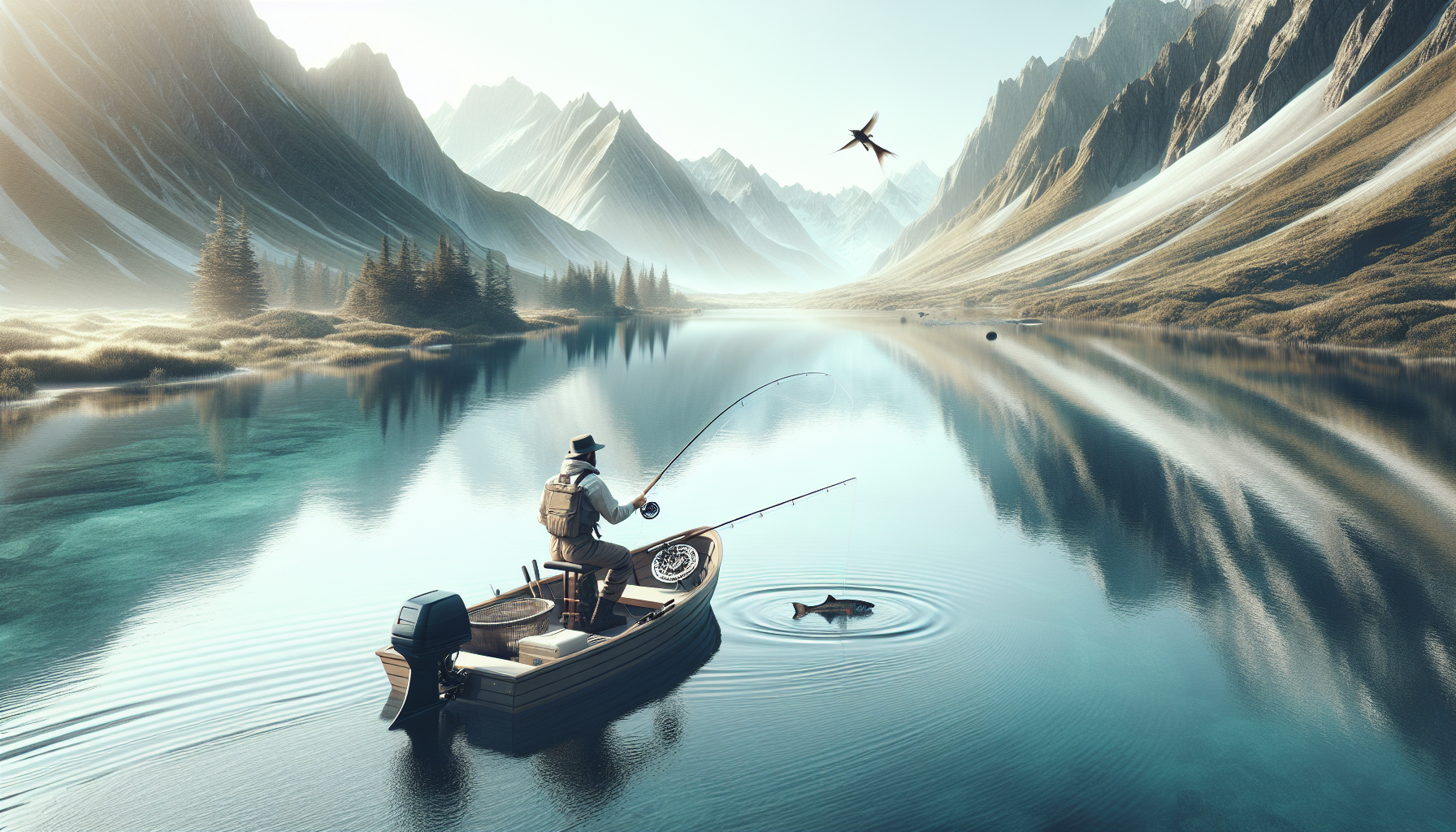
Fly fishing the Beaverhead River rewards anglers who value technical presentations, stable trout populations, and the kind of varied water that can humble veterans in the morning and produce a memorable brown by dusk. In southwest Montana, the Beaverhead is one of the state’s true iconic waters, a tailwater fishery shaped by Clark Canyon Dam, nutrient-rich flows, and a long growing season that helps trout reach impressive size. As a hub within any serious fly fishing destinations guide, this river matters because it teaches nearly every major lesson western anglers need: reading slicks and seams, matching prolific hatches, adjusting nymph depth with precision, and knowing when streamer windows open. I have fished the Beaverhead in low summer currents, cold shoulder-season afternoons, and breezy autumn mornings, and the pattern is consistent: success comes from discipline more than luck. Understanding the Beaverhead means understanding tailwater behavior, weed beds, dissolved oxygen swings, and trout positioning. It also means recognizing access constraints, private property boundaries, and how flows influence wading safety. For anglers planning a Montana trip, the Beaverhead deserves hub-level attention not simply because it is famous, but because it connects the larger story of iconic western rivers: controlled water, dependable food, selective fish, and tactics that reward preparation.
The Beaverhead River begins below Clark Canyon Dam near Dillon and flows through ranch country before joining the Ruby and Big Hole to form the Jefferson. Although relatively modest in width compared with some celebrated western rivers, it fishes larger than it looks because current complexity, weed growth, and heavy insect life create many feeding lanes. Key terms matter here. A tailwater is a river controlled by dam releases, usually producing more stable temperatures and dependable aquatic insect populations than freestone systems. Matching the hatch means imitating the insects trout are eating in that moment, often with close attention to size, profile, and drift. Structure on the Beaverhead includes undercut banks, weed edges, foam lines, bucket water below riffles, and deep ledges where larger trout hold out of the main current. Why does this river matter so much to anglers? Because it consistently produces strong numbers of rainbow and brown trout, supports year-round opportunities, and demands a complete skill set. If you can solve the Beaverhead under changing conditions, you can transfer those lessons to many of the West’s other iconic fisheries with confidence.
Why the Beaverhead River Is an Iconic Water
The Beaverhead stands out among iconic waters because it combines biological productivity with technical fishing. Tailwater management from Clark Canyon Dam moderates temperature extremes, and the river’s fertility drives exceptional weed growth, scuds, sow bugs, cress bugs, midges, mayflies, and caddis. That food base is the foundation of the river’s reputation for thick, fast-growing trout. Anglers often hear about the Beaverhead as a “numbers and size” river, and that description is fair, but incomplete. The real distinction is that trout here feed in narrow lanes and can inspect flies carefully, especially during lower, clearer conditions. In practical terms, the Beaverhead can produce a twenty-inch fish on a nymph rig in one run and then refuse flawless-looking dry flies in the next.
As a sub-pillar hub within fly fishing destinations content, the Beaverhead also represents the broader class of fertile western tailwaters that every destination angler should understand. If someone is researching iconic waters, they are usually asking a set of direct questions: What makes this river famous? When should I go? What tactics work best? How difficult is access? The Beaverhead answers all of those with substance. It is famous for trout density and size, best during predictable seasonal windows, highly effective with nymphs but capable of excellent dry-fly and streamer fishing, and manageable to access through a mix of public sites and float opportunities. Compared with larger destination rivers like the Missouri, the Beaverhead feels more intimate and technical. Compared with spring creeks, it has more overt current diversity and stronger “big river in a small package” character.
When to Fish the Beaverhead and What to Expect by Season
Timing shapes everything on the Beaverhead. Spring often offers some of the year’s most consistent fishing because water temperatures rise, trout feed heavily, and insect activity builds. Midges, blue-winged olives, and early baetis can create important dry-fly windows, while nymphing remains productive throughout the day. Summer can be excellent, particularly in the mornings, with caddis, PMDs, yellow sallies, and tricos entering the mix depending on section and conditions. Weed growth becomes more pronounced, which can improve trout habitat but complicate drifts. In midsummer, anglers need to watch water temperatures and handle fish carefully during warm spells, even on a tailwater.
Autumn is a favorite for many experienced anglers. Browns become more aggressive ahead of spawning, streamer fishing improves, and baetis hatches can be outstanding on overcast days. The river often feels less crowded than peak summer, and fish are in strong condition. Winter is not a throwaway season here. On milder days, midge fishing can be surprisingly good, and the tailwater’s moderated temperatures keep trout active. The tradeoff is shorter feeding windows and colder wading conditions. In my experience, the best approach is to choose a season based on the style of fishing you want. If you want the broadest menu, fish late spring through early fall. If you want fewer anglers and larger predatory fish behavior, focus on autumn. If you want steady technical nymphing with occasional surface opportunities, almost any month can produce.
Core Tactics: Nymphing, Dry Flies, and Streamers
Nymphing is the anchor tactic on the Beaverhead because the river’s food web is subsurface-heavy. Effective rigs usually include an indicator, split shot or tungsten flies, and two patterns tuned to depth and drift speed. Scuds, sow bugs, Zebra Midges, Perdigons, pheasant tails, and small mayfly nymphs are reliable starting points. Depth matters more here than anglers often admit. I routinely adjust my indicator every few runs, and the difference between ticking bottom occasionally and riding six inches too high can mean going from two fish to twenty. On slower shelves and softer seams, a small adjustment in weight is often more important than changing fly color.
Dry-fly fishing on the Beaverhead is selective but highly rewarding. Baetis, PMDs, caddis, and tricos can all create legitimate surface action, and fish may key on cripples or emergers rather than fully formed adults. Long leaders, accurate drag-free drifts, and careful wading are essential. Because the river has many flat glides and slicks, poor positioning will telegraph immediately. During trico or baetis activity, I prefer to watch feeding rhythm before making a cast instead of blind firing over rising fish. Streamer fishing is the power move when you want larger fish or changing weather suggests aggression. Cloud cover, falling temperatures, shoulder seasons, and low-light periods improve the odds. Olive, black, and natural baitfish tones all work, especially swung or stripped along weed edges, undercut banks, and transitions from fast to slow water.
| Condition | Best Primary Tactic | Useful Fly Types | Key Adjustment |
|---|---|---|---|
| Cold morning, clear water | Nymphing | Zebra Midge, scud, sow bug | Fish deeper and slower |
| Overcast spring or fall afternoon | Dry fly or dry-dropper | Baetis dun, emerger, cripple | Prioritize drag-free drifts |
| Summer evening with insect activity | Dry fly | Caddis, PMD, spinner | Target foam lines and slick tails |
| Wind, clouds, pre-storm pressure change | Streamer fishing | Olive sculpin, leech, baitfish patterns | Cover banks and current transitions |
Reading Water, Access, and Presentation Strategy
Many anglers lose fish on the Beaverhead before the cast even lands because they misread where trout hold. Productive water includes seams beside weed beds, depressions below shallow riffles, slots along cut banks, and inside bends where current softens but food still funnels through. The Beaverhead is not just a “deep nymphing river.” Some of the best fish sit in knee-deep water with overhead cover or subtle current protection. Watch for bubble lines, slight dark troughs, and shelves where fast current drops into a softer cushion. On bright days, larger trout often tuck tight to structure, especially where weeds break the current and create micro-eddies.
Access requires planning. Public access sites provide important entry points, and floating with a guide or shuttle service can open more water efficiently. Because the river runs through private land, knowing legal access boundaries is nonnegotiable. Montana stream access law is angler-friendly within the high-water marks, but entry must still be legal. Wading can be trickier than the river’s size suggests. Aquatic vegetation, soft bottoms, and uneven ledges create slipping hazards, particularly when flows change. Presentation strategy should match these realities. Shorter drifts with repeated precise casts often outperform hero casts across multiple seams. Mend early, maintain direct contact without dragging the flies, and reset quickly. On the Beaverhead, deliberate fishing beats covering water mindlessly. If a run looks good, change angle, depth, and weight before walking away.
Gear, Fly Selection, and Trip Planning
A 9-foot 5-weight handles most Beaverhead situations, though many dedicated nymph anglers prefer a 10-foot 4-weight for line control and strike detection. A 6-weight is useful if streamer fishing is a priority. Floating lines cover the majority of fishing, while leaders should vary by tactic: 9 to 12 feet for dry flies, shorter and more turnover-focused for indicator rigs, and stout tippet for streamers near heavy structure. Tippet selection matters because water clarity and fly size often demand finesse. For small dries and technical baetis fishing, 5X or 6X may be necessary. For standard nymphing, 4X to 5X is common. For streamers, many anglers move to 0X through 3X depending on fly size and snag risk.
Fly boxes should include scuds in orange, tan, and gray; sow bugs; Zebra Midges in black, red, and olive; mayfly nymphs; caddis pupae; PMDs; baetis emergers and duns; tricos; caddis adults; and a modest selection of streamers such as Woolly Buggers, Zonkers, and articulated sculpins. Polarized glasses are mandatory, not optional, because seeing weed lanes and trout movement changes how you approach each run. Waders are useful for much of the season, but in summer a wet-wading setup can work where footing is safe. For trip planning, Dillon is the practical base, with fly shops offering current hatch reports, shuttle information, and access updates. Hiring a guide for the first day is money well spent. On the Beaverhead, local insight on flows, weed conditions, and recent feeding behavior can shorten the learning curve dramatically.
Common Mistakes and How Experienced Anglers Avoid Them
The most common Beaverhead mistake is fishing too fast. Anglers see a productive tailwater and assume fish are everywhere, then rush through prime water without dialing depth, drift, or angle. Experienced anglers slow down and troubleshoot systematically. If the drift looks good but there are no eats, they adjust depth first, then split shot, then fly size, then pattern. Another frequent mistake is ignoring subtle rises or refusing to switch to dry flies during a real hatch. Because the river has a nymphing reputation, some anglers stay underwater even when fish are clearly feeding near the film. That leaves memorable opportunities on the table.
A third mistake is poor fish handling, especially in summer. Large Beaverhead trout are valuable resources, and warm periods demand quick fights, minimal air exposure, and strong revival practices. Experienced anglers also know when not to push a spot. If a fish has refused multiple dead-drift presentations in clear flat water, backing off and returning later is often smarter than educating it further. Finally, many visitors underestimate how much changing conditions affect this river. A little extra cloud cover, a bump in flow, or a cooler night can shift feeding behavior noticeably. The best Beaverhead anglers are not rigid. They carry a plan, but they let the river rewrite it.
Fly fishing the Beaverhead River is ultimately about precision, observation, and respect for a fishery that has earned its place among the West’s iconic waters. This river offers more than the chance at a big brown or a heavy rainbow. It offers a practical education in tailwater trout behavior, hatch timing, current reading, and disciplined presentation. Anglers who arrive expecting easy fame often leave frustrated; anglers who arrive prepared to adjust usually discover why the Beaverhead inspires repeat trips. The core lessons are clear. Fish the right season for your preferred tactics. Nymph with exact depth and clean drifts. Shift to dry flies when the hatch justifies it. Throw streamers when weather, light, and trout attitude align. Read weed edges, shelves, and seams carefully, and do not underestimate access logistics or wading hazards.
As a fly fishing destinations hub article, this page should frame how you think about iconic waters as a category. The Beaverhead is not famous by accident. Its dam-controlled flows, fertile biology, and demanding trout create a fishery that is both productive and honest. It gives back what preparation puts in. If you are building a Montana itinerary, researching tailwater strategy, or deciding which legendary western river deserves your next serious week on the water, put the Beaverhead near the top of the list. Study current conditions, talk to a reputable local shop, organize your boxes around subsurface food forms, and fish with patience. Do that, and the Beaverhead River will show you exactly why great fly fishing destinations are measured not only by scenery or reputation, but by how much they teach every time you step in.
Frequently Asked Questions
What makes the Beaverhead River such a respected fly fishing destination in Montana?
The Beaverhead River has earned its reputation because it combines several qualities serious anglers look for in one fishery: large, healthy trout, consistent food sources, year-round productivity, and water that demands skill. As a tailwater below Clark Canyon Dam, the river benefits from relatively stable temperatures and nutrient-rich flows, which support dense insect life and help trout grow quickly and hold in strong numbers. Browns and rainbows here are not just abundant by western standards; they are often exceptionally well fed, selective, and capable of reaching memorable size.
Another reason the Beaverhead stands out is its variety. Even though it is often discussed as a technical nymphing river, it offers far more than one-dimensional fishing. Anglers encounter weed beds, undercut banks, deep slots, riffled runs, slicks, and slower glides, all of which fish differently depending on season, flow, and light conditions. That range keeps the river interesting and challenging. One stretch may call for a precise dead drift under an indicator, while another rewards a short-line presentation, a hopper-dropper setup, or a well-timed streamer swing near dusk.
The Beaverhead is also respected because it humbles people. Big trout in fertile tailwaters do not become large by being careless. Fish here often hold in very specific feeding lanes, and they punish sloppy drifts, oversized tippet, and poor line control. For anglers who enjoy technical presentations and problem-solving, that is part of the appeal. When success comes on the Beaverhead, it usually feels earned. That combination of consistent opportunity and demanding execution is exactly why it remains a cornerstone river in any serious Montana fly fishing conversation.
What are the best fly fishing techniques for the Beaverhead River?
Nymphing is the foundational technique on the Beaverhead, and for good reason. Much of the river’s productivity comes from subsurface feeding, especially around weed beds, seams, drop-offs, and deeper runs where trout can sit comfortably and intercept drifting food. A two-fly rig under an indicator is a standard starting point, often built around midge pupae, sow bugs, scuds, small mayfly nymphs, and caddis patterns. Because trout on the Beaverhead can be highly specific about depth, weight placement and indicator adjustment matter as much as fly choice. In many cases, anglers are not failing because they have the wrong pattern, but because they are drifting six inches too high or dragging through the lane too quickly.
Short, controlled drifts are often more effective than long, ambitious ones. The river contains many spots where trout stack in compact holding water, and the best presentation is frequently a clean drift through a narrow feeding zone rather than repeated casts across the entire run. Good mending, immediate contact with the rig, and the discipline to reset after a poor drift can make a dramatic difference. Anglers who are used to more forgiving freestones sometimes have to slow down and become more surgical on the Beaverhead.
Dry-dropper fishing can be excellent during warmer months, particularly when terrestrials become important. Hoppers, ants, and beetles can bring fish up or at least suspend a subsurface pattern effectively along grassy banks and softer edges. Dry fly opportunities also appear during midge, Blue-winged Olive, caddis, and PMD activity, though the river’s trout can become extremely selective during hatches. When fish are rising steadily, accurate placement, delicate drag-free drifts, and careful observation of rise forms are essential.
Streamer fishing has its place as well, especially for anglers targeting aggressive browns in low light, during shoulder seasons, or when water conditions encourage predatory behavior. Streamers fished on sink tips or heavier leaders along cut banks, structure, and transitional holding water can move quality fish. The key is matching the retrieve to conditions: sometimes a slow, broad swing or crawl is better than a hard strip, particularly in colder water. Overall, the best Beaverhead anglers stay flexible, but they nearly always begin with disciplined nymphing and then branch out based on fish behavior, insect activity, and time of day.
When is the best time of year to fly fish the Beaverhead River?
The Beaverhead can fish well across multiple seasons, which is one of the advantages of a fertile Montana tailwater. That said, the “best” time depends on what kind of experience you want. Spring can be outstanding because trout are active, insect life builds steadily, and conditions can align for excellent nymphing and selective dry fly opportunities. Blue-winged Olives, midges, and other early-season food sources often play an important role. Unlike many freestone rivers that become difficult during runoff, tailwaters like the Beaverhead can remain comparatively fishable and consistent, making spring a favorite for anglers who want steady action and fewer of the peak-summer crowds.
Summer brings long days, prolific weed growth, strong bug life, and the chance for a mix of nymphing, dry fly fishing, and terrestrials. Early and late in the day are often especially productive, while midday can still produce when fish key on subsurface food in deeper slots and channels. Summer is also when precise presentations become even more important, because clear water, healthy trout populations, and increased angling pressure can make fish selective. If you enjoy technical fishing with the possibility of both numbers and quality, summer is hard to beat.
Fall is widely considered one of the most exciting windows on the Beaverhead. Brown trout become more aggressive as spawning season approaches, streamer opportunities improve, and cooler temperatures often energize fish throughout the day. Nymphing remains productive, and dry fly chances can still appear depending on weather and hatch activity. For many experienced anglers, fall offers the best balance of active fish, manageable temperatures, and the realistic chance at a particularly strong brown trout.
Winter can also be worthwhile for anglers willing to fish deliberately. Midges dominate much of the food picture, and trout often concentrate in softer, slower winter holding water. The pace is quieter and more methodical, but there are fewer anglers and often surprisingly good fishing during the warmest part of the day. In short, there is no single magic season on the Beaverhead. The river’s strength is that it remains relevant and fishable through much of the year, provided you match your tactics to seasonal conditions.
What flies should I bring for the Beaverhead River?
A strong Beaverhead fly box should emphasize subsurface patterns first, because nymphing consistently accounts for a large share of success on this river. Midge pupa patterns are essential in a range of sizes and colors, as midges are a year-round food source and often a primary one. Scuds and sow bugs are also highly important in fertile tailwater systems, and the Beaverhead is no exception. These patterns should be tied with attention to size, translucency, and subtle color variation rather than excessive flash or bulk. Small mayfly nymphs, caddis larvae and pupae, and attractor-style nymphs that can function as either point flies or confidence patterns are also smart additions.
For dry flies, bring dependable imitations for Blue-winged Olives, PMDs, caddis, and midges, along with terrestrial patterns in summer such as hoppers, ants, and beetles. The exact hatch timing varies with season and conditions, so versatility matters more than carrying dozens of obscure patterns. On rivers like the Beaverhead, a well-chosen assortment in the correct sizes usually outperforms a giant box full of near-duplicates. It is especially useful to have both high-riding and lower-profile versions of key dry flies, since some fish want a visible, buoyant silhouette while others respond better to a more flush-floating imitation.
If you plan to streamer fish, include patterns that cover both natural and trigger profiles. Sculpin-style streamers, leech patterns, and slender baitfish imitations all have a place, particularly for larger browns. Carry options in olive, black, white, and tan, and do not assume bigger is always better. On pressured fish, a modestly sized streamer with strong movement can outperform oversized patterns. Coneheads, weighted streamers, and lightly weighted versions all help you adapt to different depths and current speeds.
Just as important as the fly list is the willingness to adjust size, depth, and profile. Many anglers focus too heavily on pattern names when the real difference-maker is whether the fly is drifting at the right level in front of feeding trout. On the Beaverhead, your confidence box should be practical and seasonally informed: midges, scuds, sow bugs, mayfly nymphs, caddis, terrestrials, selective hatch-matching dries, and a compact but capable streamer selection.
How should anglers approach presentation, wading, and river strategy on the Beaverhead?
Approaching the Beaverhead well starts with accepting that presentation is everything. This is not usually a river where fish forgive drag, erratic depth, or heavy-handed line control. Before you even cast, study the current structure carefully. Identify where the speed changes are, where weed beds create edges, where a seam slows just enough for a trout to hold, and where the deepest slot transitions into softer walking-speed current. Big Beaverhead trout often position themselves in efficient feeding lanes that are easy to overlook if you only target