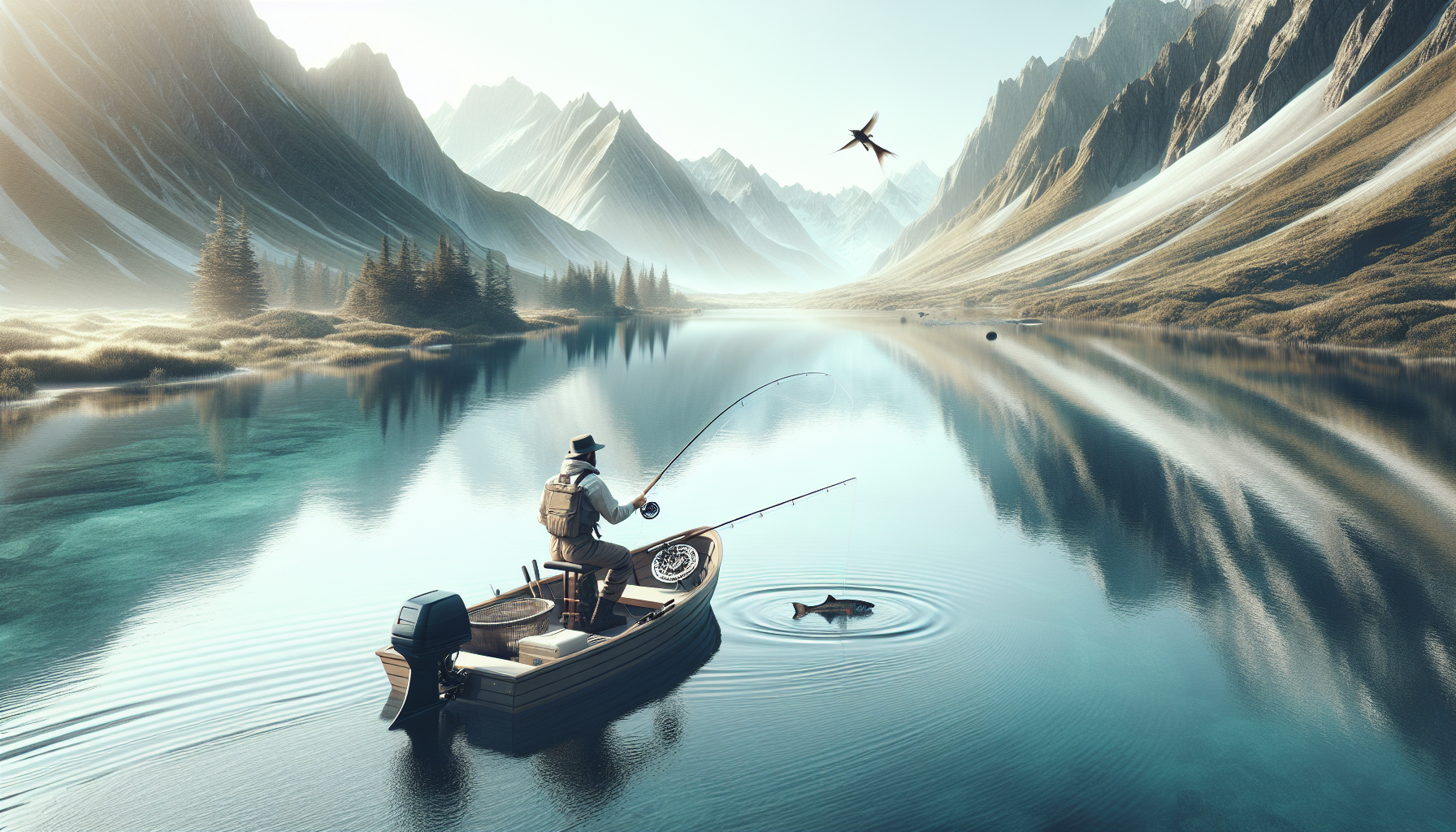
Iceland is one of Europe’s most distinctive fly fishing destinations, combining prolific Atlantic salmon rivers, char-filled highland lakes, sea-run brown trout systems, and strict management that keeps many fisheries remarkably healthy. For anglers planning a European trip, Iceland matters because it offers unusual water quality, low fishing pressure relative to habitat quality, and a culture of conservation that supports wild fish rather than put-and-take expectations. In practical terms, fly fishing in Iceland means targeting salmon, Arctic char, brown trout, and, in some waters, sea trout across glacial valleys, spring-fed rivers, and volcanic landscapes that feel unlike anywhere else on the continent.
When I help anglers compare European fly fishing destinations, Iceland consistently stands apart for three reasons. First, access is structured. Beats, rods, and lodges are usually booked in advance, often through outfitters or river associations, so the experience is orderly rather than crowded. Second, the country’s fisheries are highly specialized. One river may be known for technical Atlantic salmon fishing with tiny hitch tubes, while another is famous for giant predatory brown trout on streamers or delicate dry-fly fishing for char. Third, timing is everything. The same destination can fish very differently in June, July, or September depending on runoff, sea-run migration, daylight, and weather.
This hub article covers Iceland as a major branch of the broader Europe fly fishing conversation. It is designed to answer the core questions travelers usually ask: where to go, what species to expect, when to fish, how access works, what gear to bring, and how Iceland compares with other European options. If you are researching fly fishing destinations in Europe, think of this page as the starting point for a deeper itinerary. Specific rivers and lakes deserve dedicated treatment, but the strategic overview begins here, because good decisions in Iceland are made before the flight is booked.
It also helps to define a few terms clearly. In Iceland, a “beat” is a managed section of river assigned to a limited number of rods for a session or day. “Sea trout” generally refers to migratory brown trout returning from saltwater. “Arctic char” may be resident or sea-run depending on the system. “Spring creek” usually means a stable, clear, groundwater-influenced river, though Icelandic spring-fed systems often have their own local character. Understanding those terms matters because Icelandic fishing is regulated, premium priced in many places, and highly specific. The better you match destination, species, and season, the more value you get from every day on the water.
Why Iceland is a premier fly fishing hub within Europe
Iceland earns its place near the top of Europe fly fishing itineraries because the country compresses multiple world-class fisheries into a relatively small geographic area. Within a single trip, anglers can move from classic Atlantic salmon water in the southwest to trophy trout lakes in the northeast or volcanic river systems in the south. That variety is unusual. Norway offers iconic salmon rivers, Slovenia offers technical limestone trout streams, and Scotland provides historic salmon beats, but Iceland bundles a broader range of species and water types into one destination with short internal travel times.
Management is another decisive advantage. Many Icelandic rivers operate under strict rod limits, beat rotations, catch-and-release rules, and guide oversight. In my experience, that creates a noticeably different atmosphere from more open-access destinations. Anglers are not guessing where to stand among dozens of others. They are fishing assigned water that has rested, often with local guidance that reflects years of pattern observation. This system does make Iceland expensive, especially on famous salmon rivers such as the West Ranga, Midfjardara, and Laxa i Adaldal, but the structure is part of why the fishing retains its reputation.
From an AEO perspective, the direct answer to “Is Iceland good for fly fishing?” is yes: Iceland is one of the best fly fishing destinations in Europe for wild Atlantic salmon, Arctic char, sea-run brown trout, and large resident trout, especially for anglers who value managed access, clear water, and conservation-focused fisheries. The tradeoff is cost. Flights from North America or mainland Europe are often reasonable, but rod fees, guides, car hire, and lodging can be significantly higher than in many other European fisheries. Serious anglers still go because the quality of habitat and fish is exceptional.
Best regions and signature waters for Iceland fly fishing
South Iceland is often the easiest entry point because it is accessible from Keflavik and Reykjavik, and it hosts several famous salmon and trout fisheries. The West Ranga is probably the best-known salmon river for visiting anglers seeking strong numbers and lodge-based convenience. It is not the most intimate river in the country, but it is productive, professionally run, and a realistic option for anglers who want a high-probability introduction to Icelandic salmon fishing. Nearby systems and lakes also provide brown trout opportunities, including waters influenced by volcanic geology and stable flows.
North Iceland is essential for anglers interested in classic salmon and trout water with a more remote feel. Rivers such as the Midfjardara have built international reputations for Atlantic salmon, while the Laxa in Adaldalur system is celebrated for both salmon and exceptional trout. Lake Myvatn and its connected waters are particularly important in any Europe fly fishing guide because they showcase Iceland’s famous midge-driven ecosystems. During peak insect activity, trout and char can feed with extraordinary consistency, and technical dry-fly fishing can be outstanding if weather and hatches align.
The northeast and east offer some of the country’s most intriguing char and trout options, often with fewer international anglers than marquee salmon rivers. Lake Thingvallavatn, though geographically closer to the southwest, deserves special mention because it is one of Iceland’s iconic big-brown-trout destinations. Its fish grow large on a rich food base that includes sticklebacks and invertebrates, and streamer fishing there can produce truly memorable trout. Access rules vary by section and season, so research matters. This is where a Europe sub-pillar approach helps: Iceland is not one fishery but a network of highly distinct destinations.
| Region | Notable Waters | Primary Species | Best Fit |
|---|---|---|---|
| South Iceland | West Ranga, spring-fed rivers, nearby lakes | Atlantic salmon, brown trout | First-time visitors seeking accessible, lodge-based fishing |
| North Iceland | Midfjardara, Laxa i Adaldal, Myvatn area | Salmon, brown trout, Arctic char | Anglers wanting classic rivers and varied species |
| Northeast/East | Char lakes, remote rivers, highland systems | Arctic char, trout | Explorers prioritizing scenery and lower visibility waters |
| Southwest | Thingvallavatn and nearby fisheries | Large brown trout, char | Travelers mixing self-drive tourism with focused trout fishing |
Species, seasons, and what to expect on the water
Atlantic salmon are the headline species for many visitors, and Iceland has earned that reputation honestly. Salmon seasons generally begin in late spring or early summer and extend into early autumn, with peak timing varying by river. Early runs can bring fresh, aggressive fish, while midseason often offers stronger numbers and more stable conditions. Presentation is frequently more delicate than newcomers expect. Small tube flies, hitch patterns, lightly dressed doubles, and precise swing angles are standard. On some rivers, skating or riffling tactics can be effective, especially in warmer conditions when salmon are willing to rise.
Arctic char are central to Iceland’s identity and a major reason the country deserves broader coverage within Europe fly fishing content. Char can be eager, brilliantly colored, and available in environments ranging from small rivers to expansive lakes. In many systems they feed aggressively on nymphs, small streamers, and dries during midge or chironomid activity. Sea-run char add another layer of appeal because they combine migration-driven power with the visual excitement of sight fishing in clear water. For traveling anglers who want action and variety, char are often the smartest target.
Brown trout in Iceland can be far larger than many European anglers expect. Certain lakes and connected rivers produce genuine trophy fish, and their behavior is shaped by rich but often highly seasonal food sources. At Thingvallavatn and other notable waters, streamer fishing with baitfish imitations can be the key to large trout. Elsewhere, delicate nymphing or dry-fly tactics dominate. Sea trout fisheries, especially in the south, can produce heavy migratory browns that demand stout tackle and disciplined fish handling. The direct answer to “When is the best time to fish Iceland?” is this: June through September covers the main window, but the best month depends entirely on your target species and chosen water.
Access, planning, and the real cost of an Iceland trip
Iceland rewards planning more than improvisation. Unlike many European trout destinations where anglers can build a trip around public water, Iceland’s premium fisheries are commonly booked by rod, beat, and date well in advance. Some rivers sell out a year ahead, especially prime salmon weeks. Lodges may include meals, guides, and transport between pools, while other fisheries operate on a self-drive basis with day permits. I have found that anglers who assume they can land in Reykjavik and casually assemble a top-tier itinerary are usually disappointed or forced into expensive last-minute compromises.
The cost structure is straightforward once you understand it. A do-it-yourself char or trout trip can be manageable if you rent a car, stay in guesthouses, and fish less famous waters with day permits. A prime salmon week on a prestigious river, by contrast, can be one of the most expensive fly fishing experiences in Europe. That does not automatically make it overpriced. You are paying for limited rods, long-term habitat management, local knowledge, and exclusive access. Still, anglers should compare alternatives. For the price of a premium Iceland salmon package, some travelers could fish multiple destinations in Scotland, Ireland, or Slovenia.
Practical planning details matter. Waders and boots should match rugged volcanic terrain, not just river depth. Weather can shift fast, so layered insulation and waterproof shells are essential even in midsummer. Most fisheries require barbless hooks or strongly encourage them. Many lodges enforce disinfection protocols for gear to reduce disease transfer, a policy aligned with international best practice. For travel logistics, self-driving is common and effective, but road conditions outside main routes can change quickly. When building a Europe destination hub, Iceland belongs near the top for quality, but near the top for required preparation as well.
Techniques, gear, and how Iceland compares with other European destinations
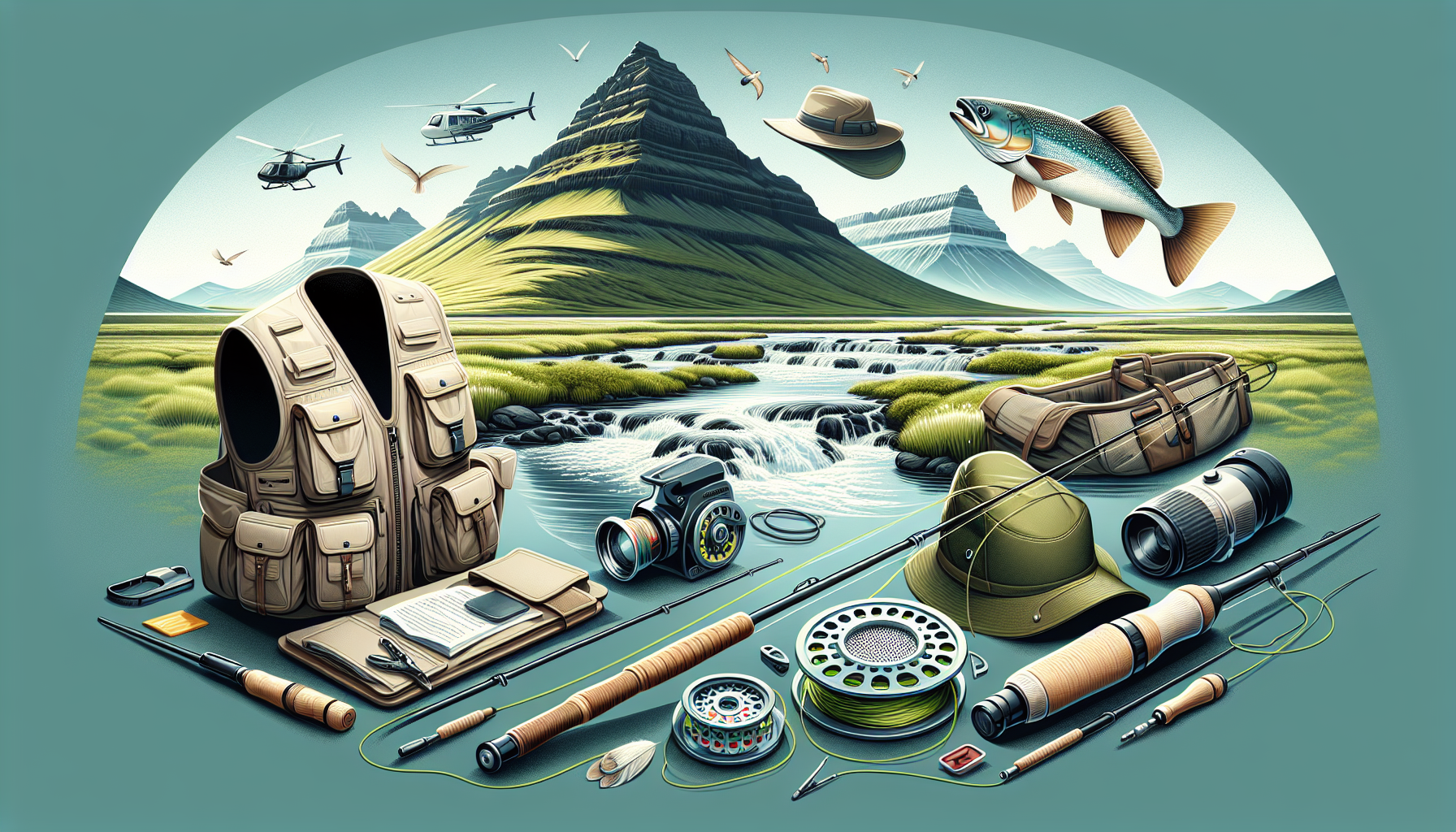
The smartest tackle selection depends on species. For salmon, a light double-hander in the 12- to 13.5-foot range is ideal on many rivers, though single-hand rods still shine on smaller systems and in low water. Floating lines, intermediate tips, and compact sink options cover most situations. For trout and char, a 5- or 6-weight handles nymphs and dries, while a 7-weight can be useful for heavy streamers, lake wind, or sea trout. Iceland is not a place to overpack giant fly boxes. Local fly patterns, sizes, and colors matter more than volume, and guides usually narrow choices quickly.
Presentation style often surprises anglers accustomed to continental Europe. In Slovenia or Austria, detailed nymphing and sight-based dry-fly work dominate many itineraries. In Iceland, even on trout water, conditions can demand adaptable fishing across lakes, rivers, wind lanes, and migratory holding lies. On salmon rivers, disciplined swinging remains central, but exact speed, depth, and fly profile are adjusted constantly. I have seen anglers arrive with a rigid “favorite method” and struggle because Iceland rewards responsiveness more than habit. Success usually comes from reading water carefully and trusting the local rotation system.
As a Europe hub, this page should also clarify where Iceland fits in comparative trip planning. Choose Iceland over Norway if you want more species diversity in one journey. Choose Iceland over Scotland if you prioritize dramatic volcanic scenery and highly managed access. Choose Iceland over Slovenia if salmon and char matter more than limestone trout streams. The main limitation is price and the reality that famous fisheries can feel structured rather than spontaneous. The main advantage is that few places in Europe offer such a concentrated mix of wild fish, clean water, and destination-level variety.
Iceland belongs on any serious shortlist of fly fishing destinations in Europe because it combines wild fisheries, disciplined management, and unforgettable landscapes in a way few countries can match. The essential points are clear: south and north Iceland anchor the most famous salmon rivers, char opportunities are widespread and often underrated, trout fishing ranges from delicate dry-fly work to trophy streamer hunting, and success depends heavily on season, access, and advance planning. For anglers who value healthy fish populations and well-run beats, Iceland delivers a premium experience that is usually worth the effort.
The biggest mistake is treating Iceland as a generic fishing holiday. It is a specialized destination where one river, one week, and one target species can define the outcome of a trip. Researching regions, understanding rod systems, and matching expectations to budget will make the difference between a scenic vacation with a few casts and a genuinely productive fly fishing journey. That is why this hub matters within the broader Fly Fishing Destinations topic: it gives you the framework to compare Iceland’s rivers, lakes, and seasons before you drill into individual fisheries.
If you are building a Europe fly fishing itinerary, start with Iceland when wild salmon, Arctic char, or trophy trout are high on your list. Map your target species first, shortlist regions second, and book access early. Then use this hub as the foundation for deeper planning around specific rivers, lodges, and seasonal tactics. The better your preparation, the better Iceland fishes.
Frequently Asked Questions
What makes Iceland such a unique fly fishing destination compared with other places in Europe?
Iceland stands apart because it combines exceptional water quality, a strong wild-fish ethic, and remarkable variety in a relatively compact country. In one trip, anglers can target Atlantic salmon in famous glacial and spring-fed rivers, cast to Arctic char in remote highland lakes, and fish for sea-run brown trout in systems that are internationally respected for their size and productivity. That range is unusual on its own, but what truly elevates Iceland is the condition of many of its fisheries. Strict management, limited rod numbers, and a long-standing conservation culture mean many waters experience far less pressure than similarly celebrated destinations elsewhere in Europe.
Another major difference is that Iceland is not built around a put-and-take model. Many anglers visit specifically because they want to fish for self-sustaining wild fish in natural landscapes, not stocked populations managed primarily for short-term harvest. That creates a very different experience on the water. Rivers and lakes often feel intact, the fish behave naturally, and the angling culture tends to emphasize stewardship, local knowledge, and respect for regulations. For traveling fly fishers, that combination of scenic drama, healthy fisheries, and disciplined management is what gives Iceland its global reputation.
What species can you fly fish for in Iceland, and when is the best time to go?
Iceland offers several highly sought-after game fish, and timing depends on what you want to target. Atlantic salmon are the headline species for many visiting anglers, with the main salmon season generally running through summer, often from June into September depending on the river and local regulations. Early season can bring fresh, aggressive fish entering the systems, while mid- to late summer may offer more consistent opportunities in rivers with strong runs. Because individual rivers can differ significantly, anglers should always check the exact opening dates and seasonal patterns for the specific fishery they plan to fish.
Arctic char are another major draw and can provide excellent sport in both rivers and lakes. They are especially appealing for anglers who enjoy visual fishing, dry-fly opportunities, or exploring less conventional waters in Iceland’s interior and volcanic landscapes. Sea-run brown trout are also a world-class option, with some of Iceland’s trout systems producing fish of exceptional size and power. In many cases, spring and autumn are especially productive for larger trout, while summer can still offer outstanding fishing depending on water temperatures, insect activity, and access. The best overall advice is to choose your timing around your primary target species rather than treating Iceland as a one-season destination.
Do you need a guide to fly fish in Iceland, and how does access usually work?
Many visitors benefit from hiring a guide, especially if it is their first trip to Iceland. The country’s fisheries can be highly specialized, and access is often structured differently from what anglers may be used to in North America or mainland Europe. Rather than simply showing up at a public access point and buying a general permit, many of Iceland’s most desirable salmon rivers and premium trout waters operate on a beat system with limited rods. Anglers may reserve a specific beat, lodge package, or private section of water for a set period, often with rotating access that helps spread pressure and preserve the quality of the experience.
A guide can be especially valuable because Icelandic waters are often subtle. Reading current seams, understanding migratory timing, selecting the right fly size, and fishing effectively under local conditions can all make an enormous difference. Guides also help with regulations, etiquette, beat rotation, and safety, particularly on rivers with slippery banks, changing flows, or remote access. That said, not every fishery requires a guide. Some lakes and more accessible trout waters can be fished independently with the proper permits. The key is to understand the management structure of each destination in advance, since Iceland rewards good planning more than improvisation.
What kind of flies, tackle, and techniques work best for fly fishing in Iceland?
The right setup depends on the fishery, but versatility is extremely important in Iceland because conditions can shift quickly. For Atlantic salmon, anglers commonly use single-hand rods on smaller rivers and switch or light double-hand rods on larger systems. Traditional salmon flies, tube flies, small hairwing patterns, and modern lightly dressed flies all have a place, with size often adjusted to water level, temperature, and clarity. Presentation is usually more important than excessive fly changes, and many successful salmon anglers focus on controlled swings, careful line management, and covering water methodically.
For Arctic char and trout, a 5- to 7-weight outfit covers much of the fishing. Floating lines are often essential, especially for dry flies, emergers, and nymphing in clear rivers and lakes, though intermediate or sink-tip options can be useful in deeper stillwaters or windy conditions. Productive fly patterns often include streamers, nymphs, chironomid-style imitations, baitfish patterns, and a range of small dries when fish are surface-oriented. Because Icelandic water is frequently clear and fish can be selective, anglers should bring leaders and tippet appropriate for stealth as well as enough layering to remain comfortable in changing weather. Good waders, studs or strong-traction boots where legal, and a practical rain system are just as important as the fly box.
What should anglers know about conservation, regulations, and responsible fishing practices in Iceland?
Conservation is central to Iceland’s fly fishing identity, and visiting anglers should treat regulations as an essential part of the trip, not an afterthought. Many fisheries strictly limit rod numbers, define where and when anglers can fish, and impose rules on hook types, catch-and-release practices, and fish handling. Some waters are highly protective of their wild stocks, with detailed expectations about landing fish quickly, minimizing air exposure, and avoiding unnecessary stress during release. This management approach is one reason Iceland continues to maintain such respected fisheries, particularly for salmon, char, and sea-run trout.
Responsible angling in Iceland also means respecting biosecurity and local etiquette. Thoroughly cleaning and disinfecting gear before fishing is often required or strongly encouraged to reduce the risk of transferring invasive organisms or fish diseases between watersheds. Anglers should also follow beat rotation rules, avoid crowding other rods, and stay informed about any seasonal conservation measures that may be in place due to water temperature or run strength. In practical terms, the best mindset is to approach Iceland as a privilege rather than a casual stop on a travel itinerary. The fisheries remain special because access is managed carefully and because anglers, landowners, and fishery managers generally share the same goal: protecting wild fish and the habitats that sustain them.