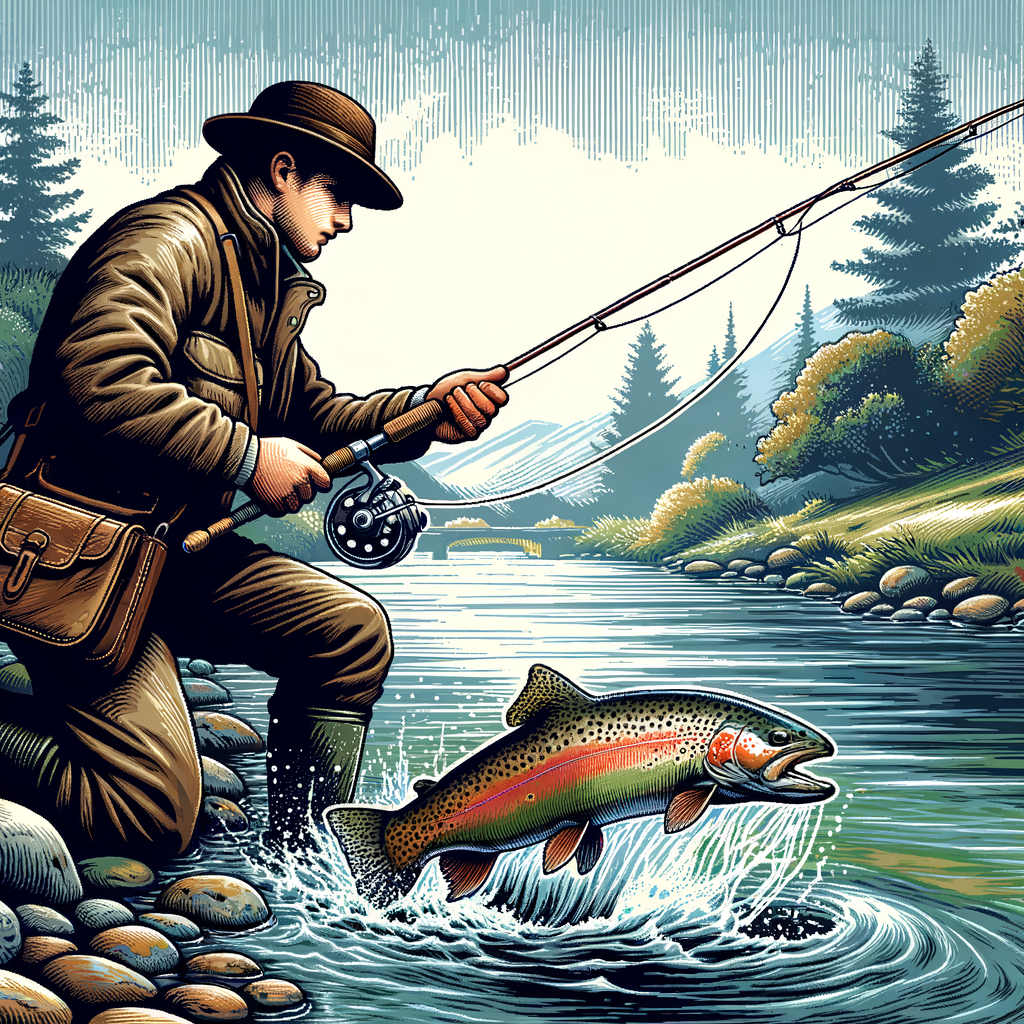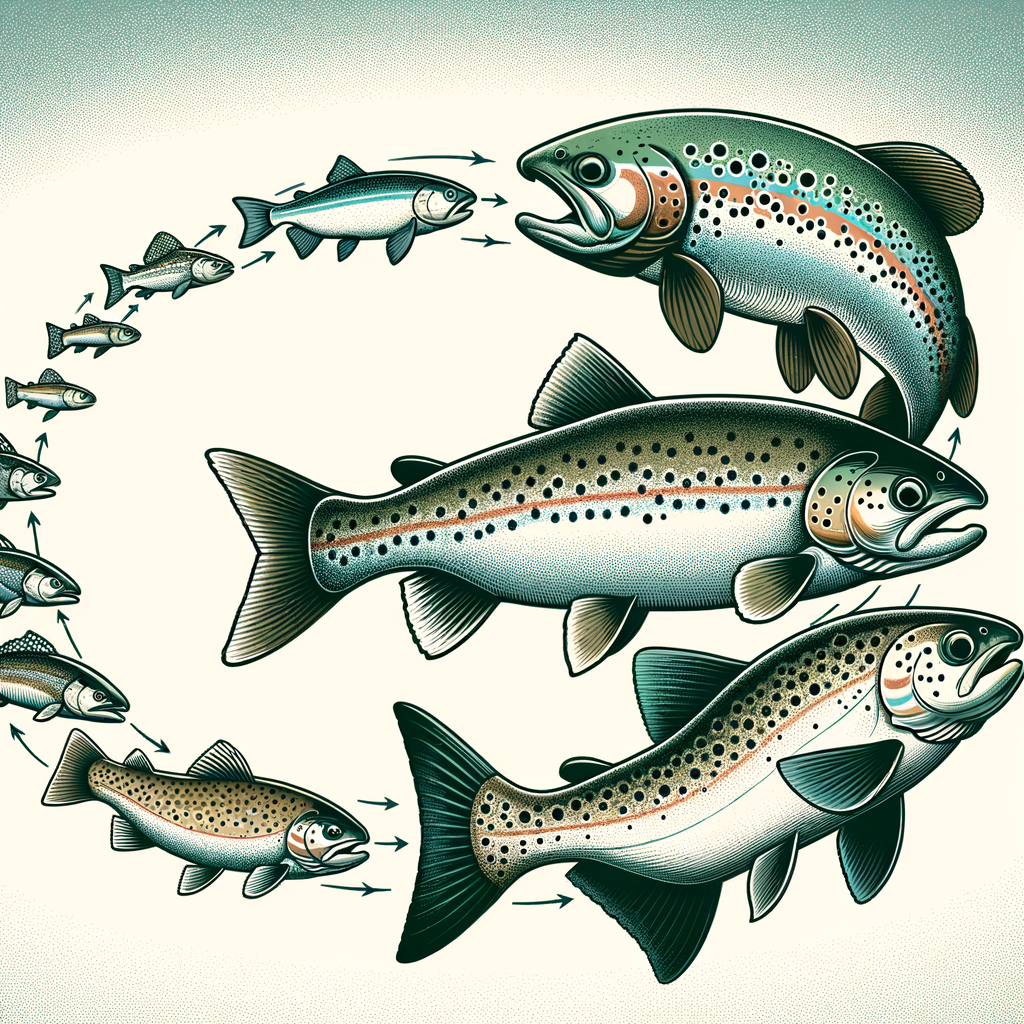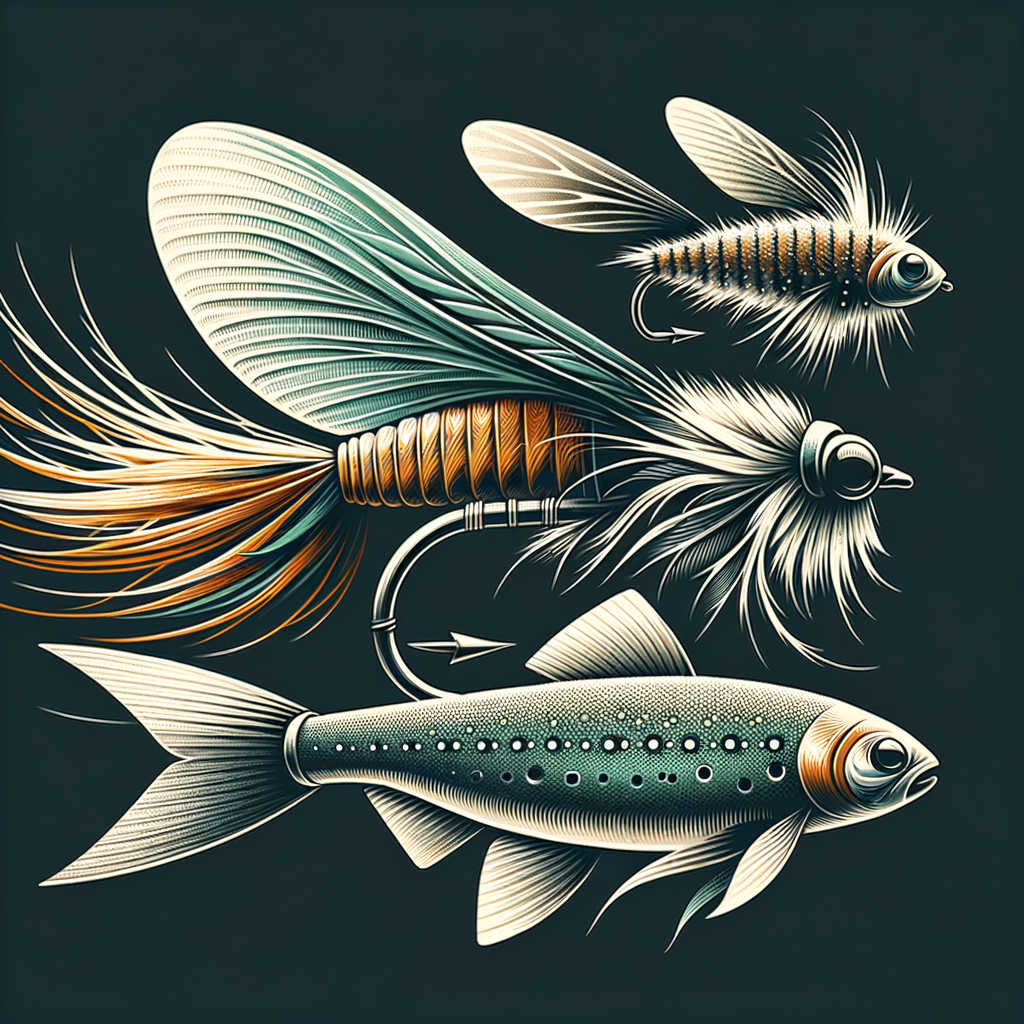
Conservation in fly fishing is the set of practices that protect fish, rivers, insects, and access so angling can remain productive for future seasons rather than just the current hatch. In practical terms, it means every decision an angler makes—where to step, how to fight a trout, when to stop fishing in warm water, what gear to carry, and how to support habitat work—either reduces or increases stress on wild populations. I have spent enough mornings on pressured trout streams to see the difference directly: one reach can hold healthy fish under shaded banks, while a nearby reach trampled by careless wading shows eroded edges, fewer mayflies, and fish pushed into marginal lies. That contrast is why conservation in fly fishing matters. It is not a side issue for idealists; it is basic fishery management expressed through personal behavior.
For anglers, the topic usually begins with catch and release, but that phrase is only one piece of a much larger system. Effective conservation includes habitat protection, ethical handling, water temperature awareness, invasive species prevention, and compliance with regulations shaped by biologists. It also includes understanding terms anglers often hear without fully unpacking them. A fishery is the living system of fish populations, forage, flows, and human pressure in a given water. Riparian habitat refers to streamside vegetation and soils that stabilize banks, shade water, and support insect life. Native fish are species historically present in a watershed, while wild fish are naturally reproduced fish, even if not native. Those distinctions matter because management goals differ between a wild brown trout stream, a native cutthroat recovery drainage, and a put-and-take urban pond.
Good conservation practice also matters because fisheries are under measurable pressure. Western drought cycles, higher summer temperatures, altered snowpack timing, and heavier recreation use have changed how many rivers fish from July through September. State agencies increasingly issue hoot owl restrictions when afternoon temperatures become lethal for trout. Studies from fisheries science programs and agency guidance consistently show that air exposure, long fights, and warm water raise post-release mortality. In other words, a fish that swims away is not automatically a fish that survives. If fly fishers want resilient trout, salmon, bass, and carp fisheries, the sport has to be practiced with the biology in mind. That means moving beyond slogans and adopting repeatable best practices on every trip.
Handle fish for survival, not just for release
The most important conservation rule in fly fishing is simple: reduce cumulative stress from hooking, fighting, landing, handling, and release. I fish barbless hooks almost exclusively because they shorten handling time and make a major difference when a fish is lightly pinned in the jaw. Barbless does not guarantee survival, but it improves the odds by allowing faster releases and less tissue damage. The same logic applies to tackle choice. Many anglers think lighter tippet is inherently more sporting, yet using tippet that is too fine for the fishery often prolongs the fight and exhausts the fish. On freestone trout water, stepping up from 6X to 4X when conditions allow can be the more conservation-minded decision because it lands fish quickly.
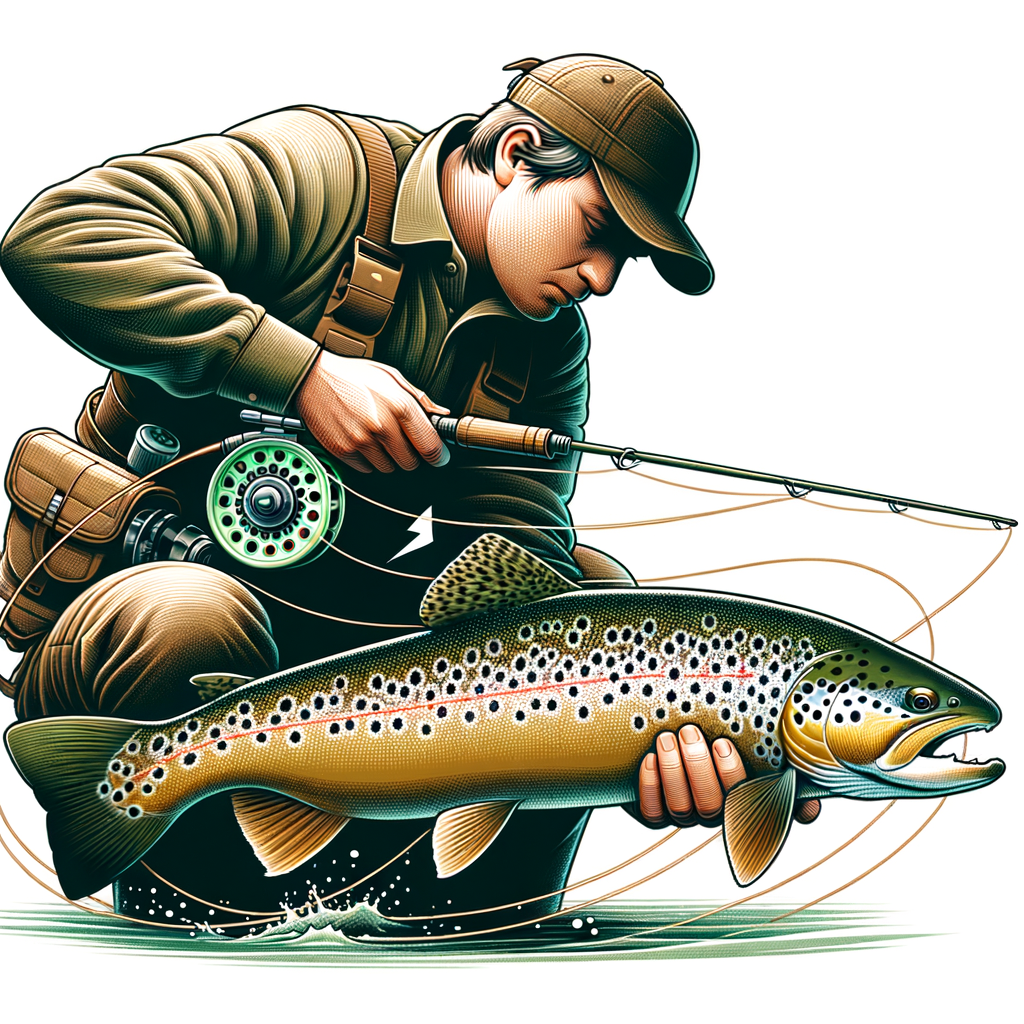
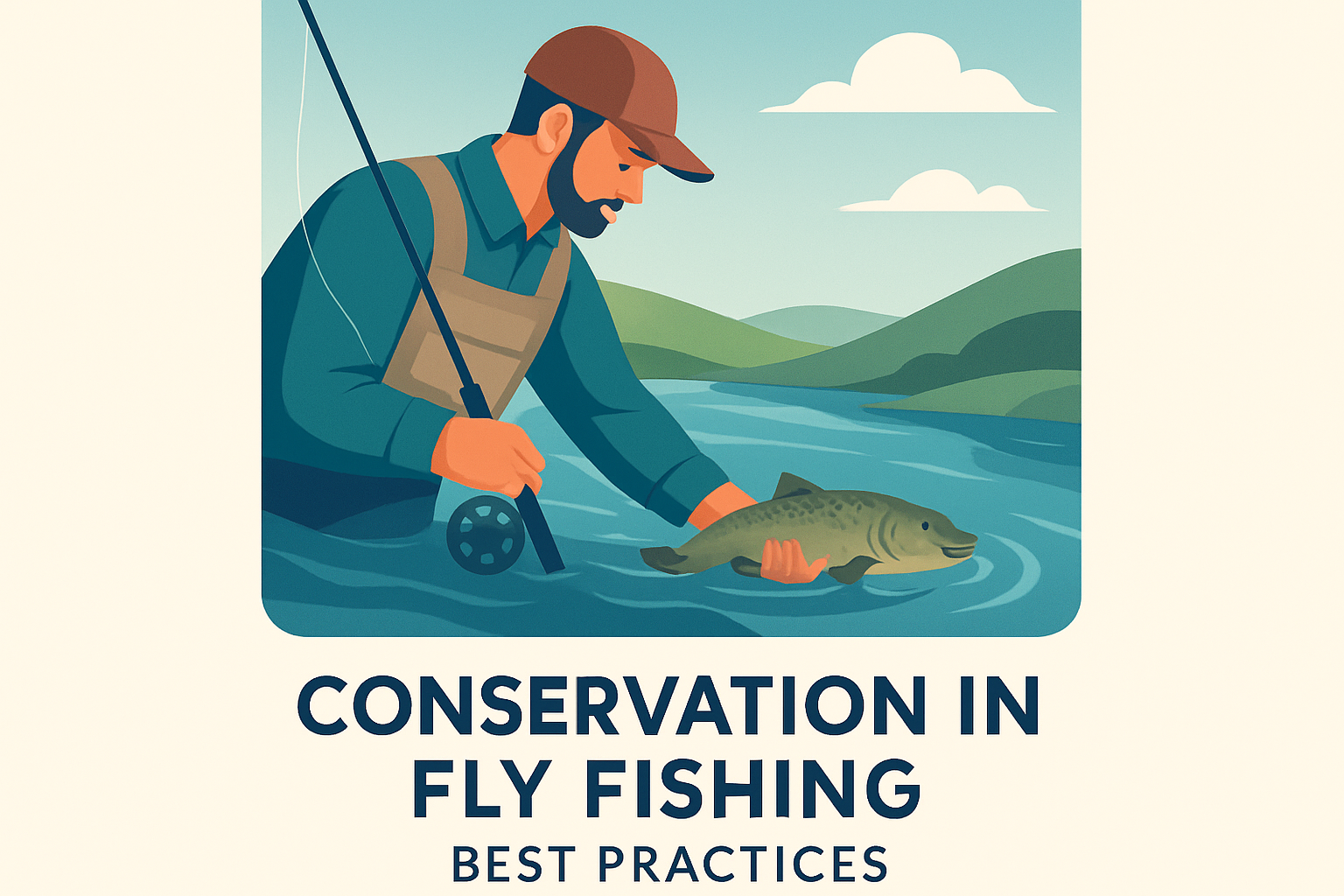
Net choice matters as well. A knotless rubber or silicone net protects slime coating better than old abrasive nylon mesh, and a deeper basket supports the fish in current while you remove the fly. Keep the fish in the water whenever possible. If you want a photograph, prepare before lifting the fish: camera ready, partner positioned, forceps in hand, no fumbling. A useful rule many guides teach is “one lift, one shot, back in.” Research cited by fisheries agencies and groups such as Keep Fish Wet shows that even short air exposure can dramatically increase mortality, particularly in warm water. The best release photo is therefore the one taken quickly with the fish partially submerged.
Hook placement also informs best practice. Single hooks generally cause less damage than treble hooks, which is one reason fly fishing already has a conservation advantage over some conventional methods. Still, nymph rigs with heavy split shot or streamers fished aggressively can produce deep hookups if the angler delays the set. Watch the indicator or line closely, set immediately, and pinch barbs before the first cast, not after the fish of the day is attached. If a fish is deeply hooked and bleeding heavily, regulations may dictate whether harvest is allowed, but if retention is prohibited the least damaging action is often to cut the tippet rather than dig blindly with forceps. The conservation goal is always minimizing additional injury.
Match your fishing to water temperature and seasonal stress
Water temperature is one of the clearest, most actionable conservation signals available to fly fishers. Trout and salmonids need dissolved oxygen, and warm water holds less of it. As temperatures rise, fish experience greater metabolic stress and recover more slowly after release. Across much of North America, responsible anglers use 68 degrees Fahrenheit as a practical caution threshold for trout, with many becoming more conservative at 66 and stopping entirely by 70 depending on species, flows, and local guidance. Those are not arbitrary internet numbers. They reflect the relationship between temperature, oxygen availability, and stress documented in fisheries management. Carrying a stream thermometer is as essential as carrying floatant.
Seasonal timing matters beyond summer heat. During spawning periods, fish need space, stable substrate, and energy reserves. Wading through redds—the cleaned gravel nests of trout and salmon—can crush eggs or displace developing embryos. On many rivers, redds appear as lighter, freshly swept patches of gravel, often in tailouts or shallow riffle transitions. Anglers should avoid standing on them and avoid repeatedly casting to visibly spawning fish. Chasing pre-spawn fish staging below redds can also be legal but ethically questionable if pressure is intense. The better practice is to target nonspawning water or switch species entirely. Conservation sometimes means deciding not to fish the obvious fish.
Low flows create another seasonal challenge. In drought years I have shortened trips, started at dawn, and quit by midmorning because fish were concentrated, vulnerable, and already stressed. Those decisions can feel inconvenient, but they are exactly what stewardship looks like on the ground. The same principle applies to winter fisheries. In tailwaters and spring creeks, fish may be active, yet repeated handling in freezing air can damage gills and eyes. Cold-season conservation therefore means shorter fights, keeping fish submerged, and avoiding photo sessions when guides and line are icing. Good anglers adapt to conditions; conservation-minded anglers adapt before the fish pay the price.
Protect habitat with every step, launch, and cleanup decision
Habitat conservation is where individual behavior scales into fishery-level outcomes. The most obvious impact is wading. Every stream has productive structure near shore, and the instinct to stride straight into the middle often damages exactly the zone that supports juvenile fish, aquatic insects, and bank stability. I try to fish from the bank first, then enter only where gravel is firm and vegetation is sparse. That approach catches more fish and leaves less impact. In small streams, undercut banks and soft edges are especially vulnerable; one careless entry point repeated by dozens of anglers can create erosion that widens the channel, increases sediment, and raises water temperatures over time.
Boating and access choices matter too. Dragging rafts across fragile banks, creating informal launch trails, or cutting fences to reach water turns a recreation issue into a habitat and landowner relations problem. Many celebrated fisheries stay open because private landowners tolerate respectful use and because angling groups fund access improvements such as hardened launches and signage. Pack out all monofilament, tippet clippings, and food waste. Lead split shot, where still legal, should never be left on the bank or in the shallows because waterfowl and other wildlife can ingest it. Better options include tungsten putty or tin shot, which reduce toxic metal inputs without changing technique dramatically.
Anglers can also support habitat beyond the trip itself. Joining local chapters of Trout Unlimited, Backcountry Hunters & Anglers, Native Fish Society, bonefish and tarpon groups, or watershed councils translates fishing license dollars into restoration labor and political influence. I have volunteered on fence removal, riparian planting, and culvert replacement projects, and the lesson is always the same: habitat work is slow, technical, and expensive, but it produces durable gains. Reconnected floodplains cool water, improve juvenile rearing habitat, and buffer extreme flows. Replacing a perched culvert can reopen miles of spawning habitat. Conservation in fly fishing therefore includes both personal restraint and collective investment in restoration that outlasts any single season.
Prevent invasive species and disease transfer between waters
One of the fastest ways anglers can harm a fishery is by moving invasive organisms, pathogens, or plants from one waterbody to another. Whirling disease, didymo, New Zealand mudsnails, zebra mussels, and invasive aquatic vegetation do not spread only through large boats and trailers. Waders, boots, nets, anchor ropes, and even damp fly boxes can carry microscopic threats. Felt-soled boots, though effective on slick rocks, have been restricted in some regions because they retain moisture and organisms more readily than modern rubber soles. Whatever sole you use, the conservation standard is consistent: clean, drain, and dry your gear every time you change watersheds.
In plain terms, that means removing visible mud and plant material at the river, rinsing gear thoroughly, using approved disinfection methods where recommended by agencies, and allowing complete drying before the next trip. Drying matters because many organisms survive in damp seams and boot stitching far longer than anglers assume. On road trips, I bring a simple gear bin system so used boots, nets, and gravel guards stay separated from clean items. That small habit prevents careless cross-contamination when fishing multiple rivers in consecutive days. Guides and traveling anglers should be especially rigorous because their gear contacts more water than average and therefore carries greater cumulative risk.
| Conservation risk | Common source | Best practice |
|---|---|---|
| Invasive invertebrates | Boots, nets, wading gear | Remove debris, disinfect when advised, dry fully before reuse |
| Fish pathogens | Livewells, wet gear, fish transport | Never move fish, sanitize gear, follow local biosecurity rules |
| Aquatic weeds | Boat trailers, anchor lines | Inspect at takeout, drain water, clean hidden compartments |
| Bank erosion | Repeated informal access points | Use designated trails and launches, avoid soft banks |
Baitfish movement is another major issue, even if many fly anglers never use bait. Transporting live fish between waters can introduce forage species that alter food webs and outcompete natives. The conservation takeaway is broad: never move fish, amphibians, or water between systems unless expressly authorized for management purposes. Native fish recovery across the West has shown that preventing new invasions is far cheaper and more effective than trying to remove established ones. Every angler has a role in that prevention.
Follow regulations, support science, and practice ethical restraint
Fishing regulations are not arbitrary obstacles; they are management tools based on population data, recruitment patterns, harvest goals, and social tradeoffs. Slot limits protect certain size classes. Seasonal closures shield spawning fish. Artificial-only rules can reduce bait-related mortality. Catch-and-release sections preserve quality opportunities where fish density or growth is limited. Smart fly fishers read the full regulation booklet for each state, then check emergency orders before leaving home because drought closures, fire restrictions, and invasive species rules can change quickly. I also pay attention to creel survey reports and agency sampling summaries when available, because they explain why a rule exists and make compliance more meaningful.
Ethics begin where regulations end. A river can be legally open and still fish poorly from a conservation perspective if temperatures are too high, crowds are stacked on redds, or fish are concentrated in winter refuge water. Restraint means choosing not to exploit those situations. It also means being honest about harvest. Selective harvest can be compatible with conservation in some fisheries, especially stocked put-and-take waters or abundant warmwater populations managed for use. In contrast, harvesting large wild trout from low-productivity systems can remove valuable genetics and age structure. The right answer depends on the management objective, not on blanket ideology.
Finally, conservation improves when anglers share accurate information. Report poaching, fish kills, illegal dumping, and barrier problems to the relevant agency. Participate in citizen science where programs are credible and methods are clear. Support shops, guides, and lodges that model low-impact practices and communicate closures responsibly rather than pushing clients onto stressed water. If you publish fishing content, avoid spot-burning fragile fisheries that cannot absorb sudden attention. Stewardship in fly fishing is not abstract. It is a daily choice to align technique, timing, travel, and advocacy with what keeps fish populations healthy.
The best practices of conservation in fly fishing are straightforward once you view the sport through the fish’s biology and the river’s limits. Fish with tackle that lands fish quickly, use barbless hooks, keep fish wet, and minimize air exposure. Monitor water temperature, avoid spawning activity and redds, and stop fishing when seasonal stress becomes too high. Protect habitat by wading carefully, using designated access, packing out waste, and supporting restoration. Prevent invasive species by cleaning, draining, and drying all gear between waters. Follow regulations closely, then add your own ethical restraint when conditions call for it.
These habits do more than reduce harm. They improve the quality of fly fishing itself. Healthy riparian zones grow more insects. Cold, connected water sustains stronger year classes. Wild fish that are handled well continue feeding, spawning, and sustaining the fishery that other anglers will experience after you leave. In my experience, the anglers who consistently catch fish over decades are usually the same ones who think carefully about impact. Conservation is not separate from success; it is what makes long-term success possible.
If you want your local waters to fish well next year and ten years from now, start with one trip. Carry a thermometer, pinch your barbs, inspect your boots, learn to identify redds, and read the regulations before you drive to the river. Then support one local conservation group working on access or habitat in the watershed you fish most. Small disciplined actions, repeated across a community of anglers, are how conservation in fly fishing becomes real.
Frequently Asked Questions
What does conservation in fly fishing actually mean in day-to-day practice?
Conservation in fly fishing is much more than a broad idea about “protecting nature.” In day-to-day terms, it means making a series of smart, deliberate choices that reduce harm to fish, aquatic insects, streambanks, and the overall health of the river. That starts before you even make a cast. It includes parking only in legal access areas, staying on established paths, avoiding trampling bankside vegetation, and wading carefully so you do not crush spawning beds, dislodge stream insects, or erode fragile shorelines. It also means paying attention to fish behavior and water conditions, because a trout in cold, oxygen-rich water handles catch-and-release much differently than one already stressed by summer temperatures or low flows.
In practical fishing terms, conservation-minded anglers use gear and techniques that shorten fights and improve survival after release. Barbless hooks, rubber nets, appropriately strong tippet, and quick handling all make a real difference. If you play fish too long for the sake of sport or photos, you increase exhaustion and reduce the odds of recovery. Good conservation also means knowing when not to fish. If water temperatures rise into stressful territory, especially during summer afternoons, the best choice may be to stop entirely, fish only during the coolest parts of the day, or target hardier species elsewhere. Just because fish can still be caught does not mean they should be.
Another major part of fly fishing conservation is understanding that the fishery depends on the whole ecosystem, not just the fish. Healthy insect populations, clean gravel, stable flows, shaded banks, and public access all contribute to productive angling over time. Anglers who practice conservation often support stream restoration groups, follow local regulations closely, pick up litter even when it is not theirs, and speak up for habitat protection. In short, conservation in fly fishing is the discipline of fishing in a way that protects the resource for future seasons, not just the current hatch.
How can I practice better catch-and-release to improve fish survival?
Better catch-and-release starts with the mindset that release is not enough by itself; the goal is release with the highest possible chance of survival. One of the most important steps is landing fish quickly. Many anglers unintentionally overplay trout on light tippet because they enjoy the fight, but prolonged battles build lactic acid, deplete energy reserves, and can leave fish too weak to recover, especially in warm water. Using the right rod, tippet, and drag settings lets you pressure fish efficiently and bring them to hand faster. That is good angling and good conservation at the same time.
Once the fish is close, keep it in the water as much as possible. A rubber or silicone landing net is far better than old-style knotted mesh because it protects the slime coat and reduces fin damage. Wet your hands before touching the fish, avoid squeezing the body, and never hold a trout by the jaw in a way that strains internal structures. If the hook is visible and easy to reach, remove it quickly with forceps while the fish remains submerged or barely lifted. If the hook is deep, it is often better to cut the leader close to the fly rather than dig around and cause more injury. Using barbless hooks or pinching barbs flat makes removal faster and less traumatic.
Photos are where many release efforts break down. If you want a picture, plan it before lifting the fish. Have the camera ready, lift the fish only briefly, and return it to the water immediately. A useful rule is to keep air exposure to an absolute minimum and ideally under just a few seconds. Reviving the fish should also be done correctly. Hold it gently in current facing upstream so water passes naturally through the gills, but do not pump it back and forth. When the fish regains balance and kicks away under its own power, let it go. These habits may seem small, but together they significantly improve post-release survival and help keep a pressured fishery strong.
Why is water temperature so important in fly fishing conservation?
Water temperature is one of the most critical conservation factors in fly fishing because it directly affects fish stress, oxygen availability, and recovery after release. Trout and many coldwater species depend on cool, well-oxygenated water. As water warms, dissolved oxygen declines while the fish’s metabolic demands increase. That means a trout caught and released in warm water has to recover under more difficult conditions than one hooked in colder water. Even if the fish swims away, delayed mortality can still occur, which is why warm-water fishing ethics matter so much.
For anglers, this means temperature should guide not only where you fish but when you fish and whether you should fish at all. During summer or drought periods, many experienced anglers carry a thermometer and check water temperatures regularly, especially in the afternoon when streams often hit their daily peak. While exact thresholds can vary by species and region, a common conservative standard is to become very cautious once temperatures approach the upper 60s Fahrenheit, and to stop targeting trout altogether around 68 to 70 degrees Fahrenheit or whenever local agencies recommend closures or restrictions. These are not arbitrary numbers; they reflect real physiological stress on fish.
Temperature awareness also ties into stream stewardship beyond personal technique. Low flows, loss of streamside shade, sedimentation, and degraded habitat can all worsen warming. Supporting riparian restoration, water conservation, and sensible fishery regulations helps keep streams resilient during hot periods. On a practical level, anglers can reduce impact by fishing early mornings, focusing on spring creeks or tailwaters that stay cooler, targeting warmwater species when trout streams are stressed, and honoring voluntary or mandatory hoot owl restrictions. Conservation-minded fly fishing means recognizing that conditions, not just desire, should determine whether you keep casting.
What are the best ways to avoid damaging river habitat while wading and moving along a stream?
Protecting river habitat begins with understanding that every step in and around the water has consequences. Wading can disturb gravel beds, crush aquatic insects, uproot vegetation, increase sediment in the drift, and damage spawning areas if done carelessly. One of the best habits is to slow down and choose your route intentionally rather than charging into the river at the nearest opening. Enter and exit at durable access points, use established trails whenever possible, and avoid cutting new paths through grass, brush, or undercut banks. Repeated foot traffic in the same informal spots can quickly turn healthy banks into eroded, muddy access scars.
In the river itself, anglers should be especially aware of redds, which are the clean, shallow gravel nests where trout and salmon spawn. Redds are often visible as lighter, recently cleared patches of gravel, usually in riffles or tailouts. Stepping on them can crush eggs and undo an entire spawning effort. If you are unsure whether you are seeing a redd, it is safest to avoid the area. Even outside spawning season, shuffling through shallow gravel and heavily insect-rich margins can damage the food base fish depend on. Whenever possible, wade on more durable substrates, take fewer unnecessary steps, and fish water you can reach without marching through every holding lie.
Bank etiquette matters just as much. Avoid climbing steep muddy banks, dragging gear through streamside plants, or leaning on fragile willows and saplings that stabilize the shoreline. If you need to move around an obstacle, look for the least damaging option rather than the shortest one. Pack out all tippet clippings, leaders, fly packaging, and food waste. Monofilament and soft plastic litter are especially harmful to wildlife. In heavily pressured fisheries, these small choices compound quickly. A stream that sees hundreds of anglers can remain healthy if people move carefully, spread out pressure, and respect habitat as part of the fishery itself rather than just scenery around it.
How can fly anglers support conservation beyond their own time on the water?
Individual fishing ethics matter, but long-term conservation improves most when anglers also contribute beyond a single trip. One of the strongest ways to help is by supporting organizations that protect and restore fisheries. Local watershed groups, trout conservation nonprofits, land trusts, and regional chapters of habitat-focused angling organizations often do the unglamorous work that keeps streams fishable: planting riparian buffers, improving fish passage, stabilizing banks, removing barriers, advocating for clean water standards, and securing or maintaining public access. Even modest donations, membership dues, or volunteer hours can have tangible effects over time.
Education and advocacy are also important. Anglers who understand insect life, seasonal fish stress, spawning cycles, and watershed health are better equipped to make good decisions and encourage others to do the same. That can be as simple as explaining proper fish handling to a new angler, sharing why warm-water closures matter, or politely discouraging harmful practices without turning the interaction into a confrontation. Conservation culture grows when experienced anglers model it consistently and make it part of normal fishing conversation rather than an occasional lecture.
Finally, anglers can use their voice where it counts most: public policy and local management. Paying attention to proposed water withdrawals, development near rivers, dam operations, access disputes, and fishery regulations is a major part of protecting the future of fly fishing. Healthy trout streams are shaped as much by land use and water management decisions as by what happens during a hatch. Showing up at meetings, responding to agency comment periods, reporting poaching or habitat damage, and supporting science-based regulations all help. The most effective conservation-minded angler is not just careful with fish in hand, but engaged in the broader effort to keep rivers cold, clean, connected, and accessible for the seasons ahead.