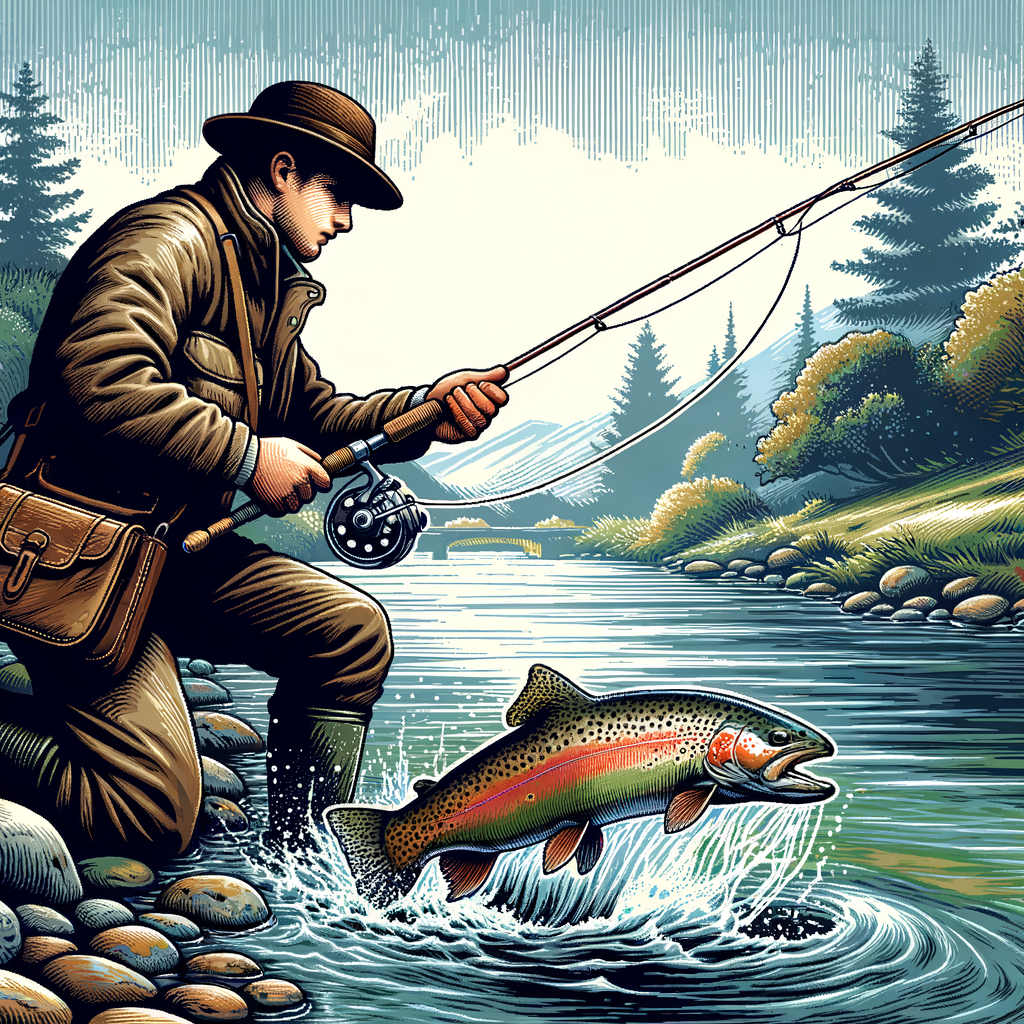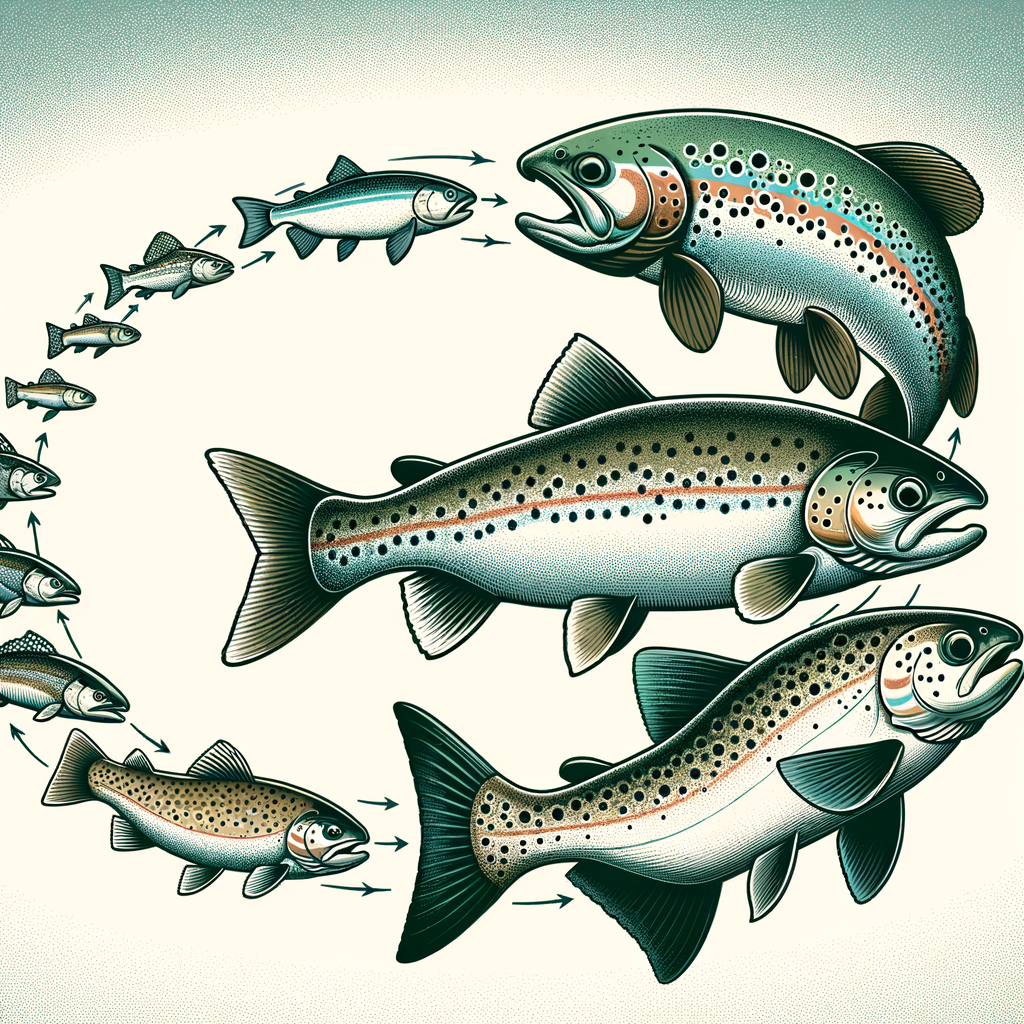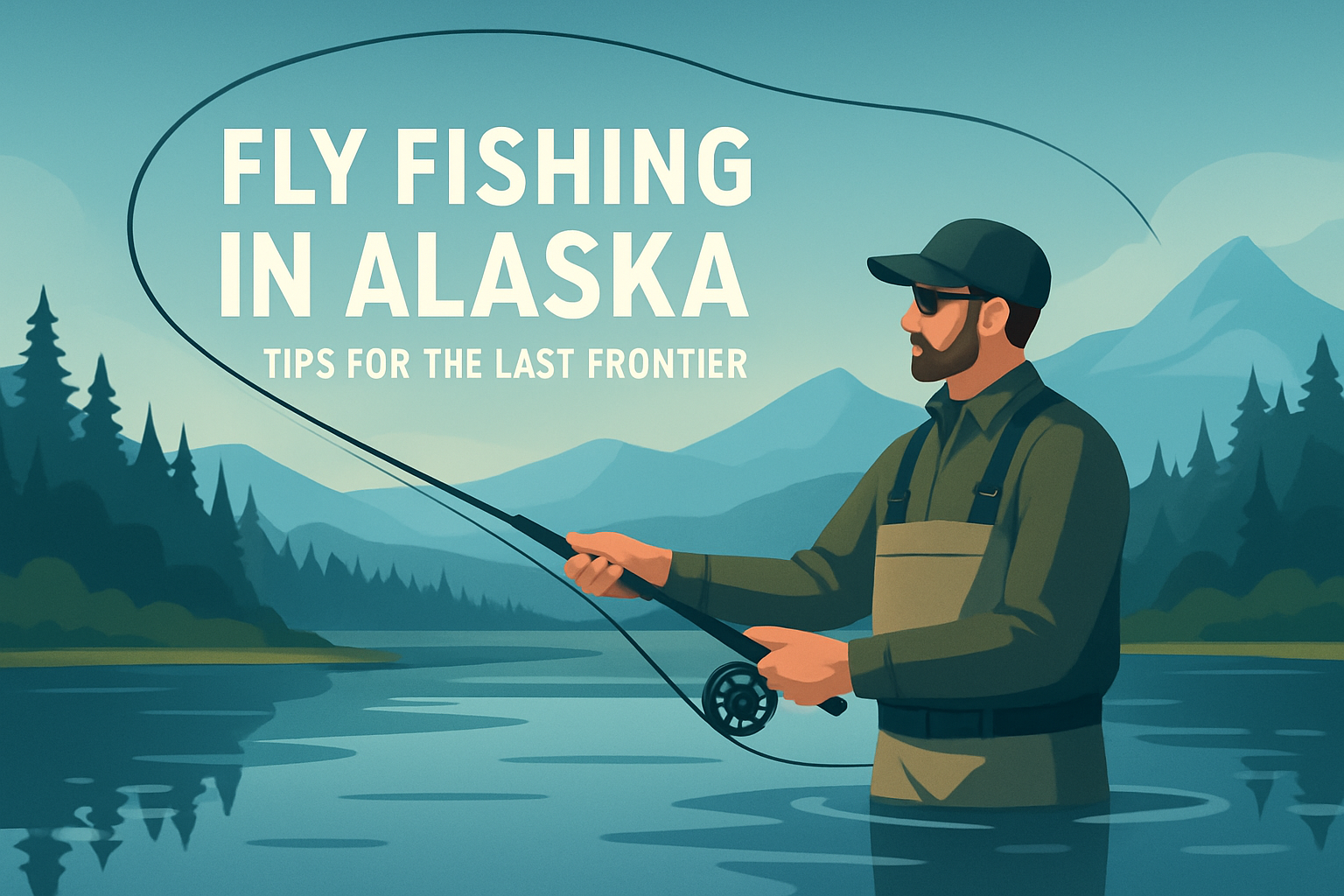
Fly fishing in Alaska is unlike fishing anywhere else in North America because the scale is bigger, the water is wilder, and the rewards can be extraordinary for anglers who prepare properly. The Last Frontier offers vast river systems, glacier-fed streams, tundra lakes, and remote coastal estuaries that hold salmon, rainbow trout, Arctic char, Dolly Varden, grayling, and northern pike in remarkable numbers. When anglers talk about Alaska fly fishing, they are usually referring to more than technique alone. They mean reading powerful currents, planning for weather that changes by the hour, handling fish ethically in sensitive ecosystems, and traveling safely in country shared with brown bears and moose. That combination of opportunity and responsibility is what makes Alaska such a compelling destination.
I have planned and written around Alaska fishing trips enough to know that success there rarely comes from luck. It comes from understanding timing, species behavior, local regulations, tackle selection, and logistics. A newcomer often imagines that every river is packed with fish every day of the season. In practice, great fishing depends on matching your trip to a run window, water level, target species, and access method. A small mistake in timing can mean arriving after a salmon pulse has moved through or before trout have shifted onto egg patterns behind spawning fish. A well-timed trip, by contrast, can produce the kind of fishing people remember for life.
Fly fishing itself means presenting an artificial fly with the weight of the line rather than the lure, but in Alaska that simple definition expands into several specialized approaches. Dead drifting beads beneath an indicator for leopard rainbow trout, swinging intruder-style flies for fresh coho, skating mice patterns for aggressive char, stripping streamers for pike in weedy sloughs, and delicately presenting dry flies to grayling are all part of the Alaska experience. The range matters because no single setup covers everything well. Anglers who understand species-specific tactics catch more fish and spend less time fighting unsuitable gear.
Alaska matters to fly anglers because it still represents one of the world’s great intact fisheries. According to the Alaska Department of Fish and Game, wild salmon runs remain foundational to river productivity across many watersheds, feeding not only people and wildlife but also the trout and char fisheries that depend on eggs, flesh, and nutrient transfer. Bristol Bay, the Kenai Peninsula, Kodiak, Southeast Alaska, and Interior drainages each offer distinct ecosystems with different insects, forage, regulations, and access challenges. This diversity means anglers can choose between do-it-yourself road-access fishing, fly-out lodge programs, raft-based float trips, or guided day trips from towns such as Anchorage, Soldotna, Homer, or Juneau.
For searchers asking the practical question first, the best tip for fly fishing in Alaska is to plan around species timing and river conditions before booking travel. If your priority is king salmon, silver salmon, rainbow trout, or grayling, your dates and destination should be chosen accordingly. The second best tip is to travel with layers, rain gear, and a disciplined gear system because cold hands, wet clothing, and missing leaders ruin more days than poor casting. The third is to respect local regulations and fish handling standards. Alaska’s fisheries are famous precisely because many waters are carefully managed, with rules covering hook types, retention, bait, and seasonal closures.
This guide explains how to choose where and when to fish, what equipment to carry, how to approach Alaska’s major species, what safety issues matter most, and how to protect the resource while still fishing effectively. If you want a clear, practical overview of fly fishing in Alaska, this article is built to answer the questions serious anglers ask before they commit money, time, and miles to the trip.
Choose the Right Alaska Destination and Season
The first major decision is destination, and in Alaska that choice shapes almost everything else. The Kenai Peninsula is the most accessible famous region for many visitors because it combines road access, guide infrastructure, and multiple species. Rivers such as the Kenai and Russian can offer salmon opportunities along with trout that feed heavily around spawning runs. Bristol Bay is often the benchmark for wilderness fly fishing because its river systems support giant wild rainbow trout and prolific salmon runs. Kodiak gives anglers a mix of coastal streams, steelhead in some systems, and dramatic scenery. Southeast Alaska offers salmon, char, trout, and opportunities near towns or lodges. Interior Alaska adds clear-water grayling and pike fisheries with a very different feel from the coastal salmon rivers.
Seasonality drives success. In broad terms, June through September is prime, but that summary is too vague to be useful. Early summer can bring king salmon in certain systems and excellent trout fishing before heavy spawning activity changes fish distribution. Mid-summer often overlaps with sockeye and chum in many regions, while trout and char begin keying increasingly on eggs and flesh. Late summer and early fall are classic for coho salmon, aggressive trout, char, and some of the most visually dramatic fishing as vegetation turns color. Grayling can fish well through much of the season, especially in interior waters. Always verify local timing with recent reports because run strength and river levels vary year to year.
| Region | Best Known For | Typical Access | Common Timing Focus |
|---|---|---|---|
| Kenai Peninsula | Road-access salmon and trout | Road system, guides, drift boats | June to September |
| Bristol Bay | Wild rainbow trout and salmon diversity | Fly-out lodges, floatplanes, rafts | Late June to September |
| Kodiak | Remote salmon, char, steelhead in select systems | Flights, boats, remote lodges | Summer into fall |
| Southeast Alaska | Coho, pinks, char, trout | Towns, boats, lodges | July to September |
| Interior Alaska | Grayling and pike | Roads, rafts, bush planes | June to August |
If you are asking where a first-time visitor should go, the answer depends on your budget and goals. For easier logistics and a blend of comfort and action, the Kenai Peninsula is hard to beat. For a marquee wilderness experience focused on trout and multiple salmon species, Bristol Bay is the premium choice. For anglers who want variety and are comfortable with self-directed planning, Interior and Southeast options can be excellent. The key is to avoid treating Alaska as one fishery. It is a collection of very different fisheries, and the best trip starts when your target species, travel style, and budget align.
Match Tackle and Flies to Alaska Conditions
Most anglers do best by bringing at least two outfits. A 5-weight or 6-weight handles grayling, smaller trout water, and dry-fly situations. A 7-weight is the all-around workhorse for larger trout, dollies, and lighter salmon work. An 8-weight or 9-weight is standard for coho and bigger salmon rivers, while a 10-weight can be warranted for kings or heavy sink-tip applications. I strongly prefer fast-action rods in Alaska because wind is common and bulky flies are normal. Reels should have sealed drags, especially if salmon are on the agenda. Cheap reels become liabilities when a fresh fish runs hard in current.
Lines matter more in Alaska than many first-time visitors expect. A weight-forward floating line covers indicator rigs, beads, dries, and many streamers. Sink-tip lines are essential for swinging flies to salmon and probing deeper holding water. On some rivers, short, powerful heads help cast weighted intruders and large leeches in tight quarters. Leaders are less delicate than on technical spring creeks. For trout and char, fluorocarbon in the 0X to 3X range is common depending on fly size and clarity. For salmon, stronger tippet is standard, often 15- to 20-pound test or more, because fish are large and currents are unforgiving.
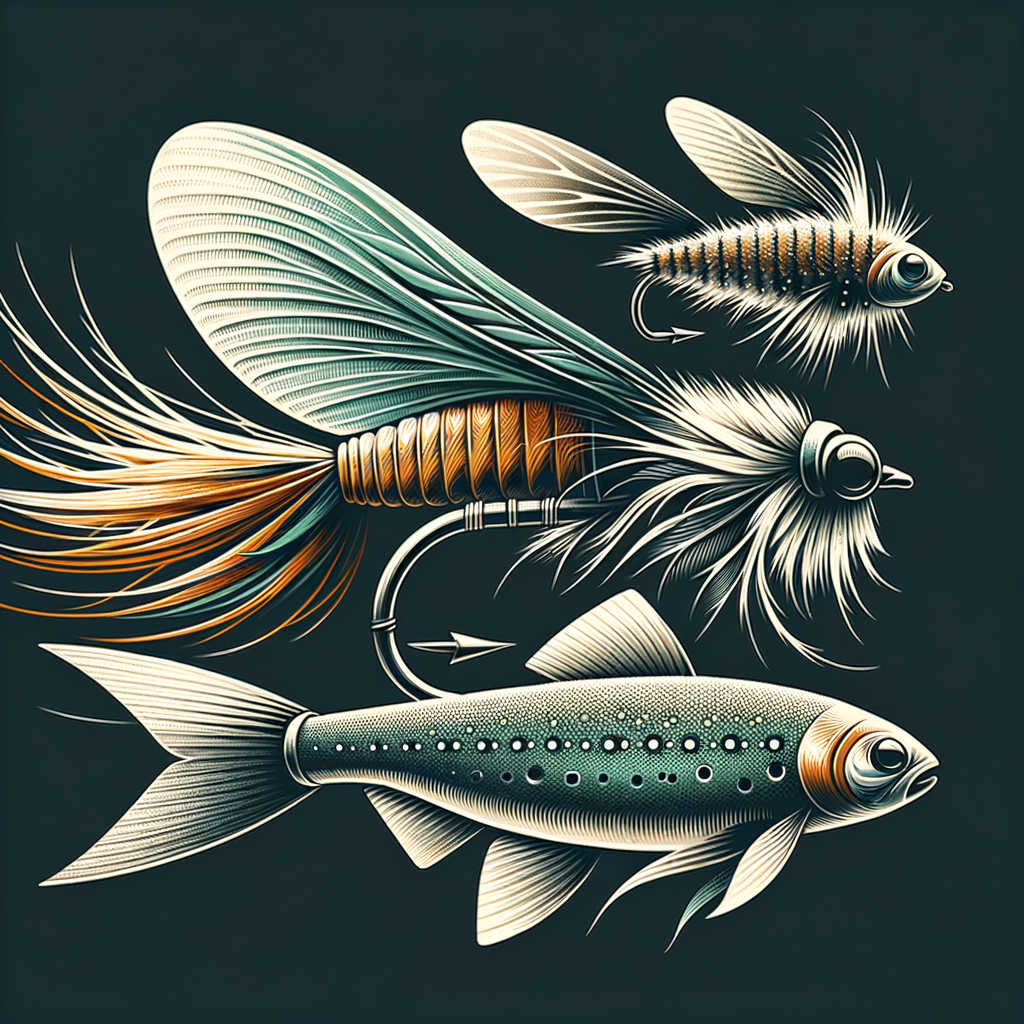
Fly selection should reflect forage, not habit. Egg patterns in peach, orange, and chartreuse are central when salmon are spawning and regulations allow them. Flesh flies become highly effective later in the season as decaying salmon tissue enters the drift. Sculpins, leeches, and articulated streamers produce for trout, char, and pike. Coho often respond to pink, purple, black, and blue patterns with movement. Grayling can be wonderfully opportunistic on dry flies, including attractors and mayfly imitations. Mouse patterns are not a gimmick in many parts of Alaska. In the right water, they draw violent strikes from big trout and char looking for calorie-rich prey.
Do not overpack dozens of obscure patterns while forgetting practical gear. A dependable Alaska kit includes forceps, nippers, split shot where legal, strike indicators, spare leaders, bead pegs, polarized glasses, waterproof packs, extra gloves, and a drying system for boots and waders. Breathable chest waders are standard, and felt sole restrictions should be checked because some areas prefer or require alternatives due to invasive species concerns. Studded rubber soles are often the safer choice on slick rocks. Good gear does not guarantee fish, but unsuitable gear absolutely costs opportunities in Alaska.
Fish Each Species With the Right Strategy
Rainbow trout in Alaska are famous because they grow large on protein-rich food webs, especially in systems supported by salmon. The biggest mistake visitors make is fishing for them as if they were selective tailwater trout all day. In many rivers, trophy rainbows spend much of the season feeding on eggs, flesh, sculpins, and juvenile fish. That means dead-drifted beads behind salmon, flesh flies along banks and soft edges, and streamers near structure can outperform classic nymphing. Presentation still matters. Drag-free drifts and depth control are critical. Big trout often hold in deceptively soft water just off heavier current where food funnels naturally.
Salmon tactics depend on species and freshness. Sockeye are famously challenging on a fly because they often react more than feed, requiring precise presentations and legal flossing concerns to be understood thoroughly under local rules. Coho are generally the most fly-friendly salmon for many anglers because they chase swung or stripped flies aggressively and often hold in accessible water. Kings demand heavy tackle, disciplined fish fighting, and close attention to seasonal closures. Chum can be underrated on a fly rod; in bright condition they are powerful and willing. Pink salmon, especially in odd-numbered years in many areas, can deliver excellent action and are ideal for newer anglers wanting repetition.
Arctic char and Dolly Varden are often grouped together in casual discussion, but local identification and regulations still matter. These fish commonly key on salmon eggs and later on flesh, making them highly catchable when runs are active. They also take small streamers and occasionally surface patterns. Grayling are perhaps Alaska’s most elegant fly-rod fish, often rising readily and thriving in clear, beautiful water. Northern pike, especially in some Interior and Southcentral systems, offer an entirely different game built around large streamers, weed edges, and explosive strikes. If you build a trip around one species, your guide, flies, and daily water choices should reflect that priority rather than trying to sample everything superficially.
The practical answer to “What is the easiest fish to target on a first Alaska fly trip?” is usually grayling, pink salmon, or coho, depending on timing and location. The answer to “What fish creates the classic Alaska trophy experience?” is often giant wild rainbow trout. Neither answer is universal, but both are useful starting points. Success increases when anglers commit to one primary target per day, rig specifically for it, and fish the right water instead of constantly switching flies without changing location or depth.
Use Local Logistics, Safety, and Regulations to Your Advantage
Alaska rewards preparation and punishes assumptions. Start with licensing and regulations from the Alaska Department of Fish and Game before you travel. Many waters have emergency orders, species-specific retention changes, fly-only stretches, single-hook rules, or bait restrictions that can change in season. Guides, lodges, and local fly shops are valuable because they interpret current conditions, but the legal responsibility remains with the angler. Keep a digital and offline copy of the relevant regulations because cell coverage is unreliable outside towns.
Travel logistics shape fishing time more than most people expect. Bush plane schedules shift with weather. Roadside fisheries can become crowded at peak salmon windows. Wading distances that look short on a map can be slow through tundra, alder, or braided channels. I recommend building cushion days into expensive itineraries, especially if a floatplane or skiff is involved. If you are doing a DIY trip, reserve rental vehicles, lodging, and key shuttle services early. In high-demand periods, last-minute planning often means settling for weaker access or poor timing.
Safety deserves direct discussion. Bear awareness is mandatory, not optional theater. Store food carefully, announce your presence in brushy areas, carry bear spray where appropriate, and learn how to behave around feeding fish and carcasses. Wading safety matters just as much. Glacier-fed rivers can be colder, faster, and more opaque than they appear. A wading staff, snug belt, and conservative decision-making save trips and sometimes lives. Weather exposure is another real risk. Hypothermia can develop in summer when wind, rain, and long boat rides combine. Always pack dry layers in a waterproof bag.
Guides are not required for every Alaska trip, but they are often worth the cost, particularly on a first visit. A good guide compresses the learning curve on fish timing, river etiquette, productive holding water, and safe movement. They also help with fish handling and regulatory compliance. If you prefer independence, at least spend time at a reputable local fly shop and ask current, specific questions: Which species are fresh? How high is the water? Are beads producing? Which access points are fishable today? Generic planning gets people to Alaska. Specific planning puts them on fish.
Practice Ethical Catch-and-Release and Protect the Fishery
Alaska’s fly fishing reputation exists because many watersheds remain productive and many anglers, guides, tribes, managers, and conservation groups work to keep them that way. Ethical fishing starts with fish handling. Use tackle heavy enough to land fish quickly, especially in warm spells or heavy current. Keep fish in the water whenever possible, wet your hands before touching them, and avoid squeezing the midsection or gills. With trout, char, and grayling, a photo should be quick and secondary to recovery. With salmon, know whether retention is allowed, appropriate, and practical before you hook one. Catch-and-release only works when post-release survival is respected.
Wading and boat behavior also affect habitat. Spawning beds, often visible as cleaned gravel, should never be trampled. Boats should avoid disrupting shallow redd areas and soft bank habitat. Pack out tippet clippings, leader material, and food waste. If you are camping on a float trip, use established protocols for waste disposal and camp placement. These basics sound obvious, but in heavily used fisheries, small repeated impacts add up quickly. Responsible anglers protect the experience they came to enjoy.
Conservation in Alaska also has a broader policy dimension. Many of the best fisheries depend on intact habitat, clean water, and management decisions that prioritize sustainable escapement and watershed health. Bristol Bay is the clearest example people cite because of its world-class salmon system and long-running debates over development impacts. You do not need to become a full-time activist to fish responsibly, but you should know that where you spend money matters. Support guides, lodges, fly shops, and organizations that advocate for science-based fishery management and habitat protection.
The final tip is simple: slow down and fish Alaska on its terms. Watch the river before making the first cast. Note salmon movement, bird activity, depth changes, and bank structure. Ask what the fish are eating today, not what worked somewhere else last year. Accept that weather, wildlife, and water levels are part of the experience, not interruptions to it. When anglers approach Alaska with humility, preparation, and discipline, the fishing becomes not just productive but deeply memorable. Plan carefully, fish ethically, and use local knowledge well. That is how you make the most of fly fishing in Alaska, and it is the best way to ensure the Last Frontier keeps delivering for the next trip and the next generation.
Frequently Asked Questions
What makes fly fishing in Alaska different from fly fishing in the rest of North America?
Fly fishing in Alaska stands apart because everything operates on a bigger, wilder scale. The fisheries are more expansive, the landscapes are more remote, and the seasonal runs of fish can be truly world-class. In many parts of Alaska, anglers are not just choosing between a few local rivers or stocked waters. They are fishing massive drainages, glacier-fed systems, tundra creeks, remote lakes, and coastal estuaries that may see relatively light pressure compared with more accessible fisheries in the Lower 48. That creates opportunities for remarkable days on the water, but it also demands more preparation and respect for conditions.
Another major difference is the diversity and abundance of species available in a single trip. Depending on where and when you go, you may target salmon, rainbow trout, Arctic char, Dolly Varden, grayling, and northern pike, sometimes within the same general region. Alaska fishing is often closely tied to seasonal migrations, especially salmon runs, which influence where predator fish hold and what they feed on. For example, trout and char frequently key in on eggs, flesh, and baitfish patterns associated with salmon. That means successful fly fishing in Alaska is often about understanding the larger ecosystem rather than focusing on one isolated hatch or one technical presentation style.
Conditions also tend to be less forgiving. Water levels can rise quickly, weather can shift with little warning, and remoteness changes the margin for error. Anglers need to think beyond casting skill and fly selection. Waders, rain gear, layering systems, bear awareness, transportation logistics, and emergency planning all matter. In short, Alaska offers extraordinary rewards, but it asks anglers to be adaptable, physically prepared, and willing to fish in truly untamed environments.
When is the best time to go fly fishing in Alaska?
The best time to go depends on the species you want to target, the region you plan to visit, and the type of experience you want on the water. In general, Alaska’s prime fly fishing season runs from late spring through early fall, with June, July, August, and early September being the most popular months. However, there is no single perfect window for every angler because fishing opportunities change dramatically over the course of the season.
Early summer often brings aggressive trout, char, and grayling as waters open up and insect activity increases. This period can be excellent for anglers who enjoy less crowded conditions and are willing to deal with variable weather and runoff. As summer progresses, salmon runs become a major draw. Different species enter freshwater at different times depending on location, so timing matters. Chinook, sockeye, coho, pink, and chum salmon all have their own regional calendars. If your goal is to swing flies for fresh salmon or fish behind spawning runs for large trout and char, you will want to match your trip dates carefully to local run timing.
Late summer into early fall is often considered a standout period for many anglers because trout and char feed heavily on eggs and flesh, and coho salmon fishing can be excellent in many areas. This can be a highly productive time, but weather may become colder and less predictable. The key is to research the exact watershed you want to fish rather than relying on a generic statewide timeline. Alaska is enormous, and what is peaking on one river may be past prime or just getting started somewhere else. If possible, talk to local lodges, guides, or fish and game resources before booking so your expectations line up with actual conditions.
What gear and flies should I bring for a fly fishing trip in Alaska?
Your gear should match both the species you are targeting and the reality of Alaska’s weather and water conditions. For many anglers, a versatile trout and char setup includes a 6-weight or 7-weight rod capable of handling larger fish, weighted flies, and windy days. If salmon are a primary target, especially larger species, many anglers move up to 7-weight, 8-weight, or even heavier rods depending on the fishery. Northern pike often call for stout rods, aggressive leaders, and flies designed to move water. A good rule in Alaska is to bring equipment that gives you flexibility rather than assuming one lightweight setup will cover every situation.
Fly selection should reflect Alaska’s food sources. Egg patterns are staples because trout, char, and Dolly Varden feed heavily on salmon eggs during key parts of the season. Flesh flies are equally important later in the cycle when decaying salmon become a major food source. Streamers and baitfish patterns work well for predatory fish, while mouse patterns can produce explosive takes in certain trout and char fisheries. Dry flies also have a place, especially for grayling and opportunistic trout during insect activity, but many Alaska anglers find that subsurface patterns drive the most consistent success. It is wise to carry flies in a range of sizes, colors, and weights to adapt to water clarity and depth.
Just as important as rods and flies is your clothing and personal gear. Quality breathable waders, sturdy boots, layered insulation, waterproof outerwear, polarized sunglasses, and reliable rain protection are essential. Alaska weather can change fast, and staying warm and dry is a major part of fishing effectively. You should also think about bear-safe food storage, insect protection, dry bags, spare leaders and tippet, and a well-stocked first-aid kit. If you are flying into remote water, weight limits may affect what you can pack, so prioritize multi-purpose gear. Bringing the right setup is not only about catching fish; it is about staying comfortable, safe, and prepared in a place where conditions can become serious quickly.
Do I need a guide to fly fish in Alaska, or can I do it on my own?
You can absolutely fly fish in Alaska on your own, but whether you should depends on your experience level, trip goals, and comfort with remote travel. Alaska offers both accessible roadside fisheries and extremely remote waters that require bush flights, boats, or specialized local knowledge. If you are an experienced angler who is confident in reading water, navigating changing conditions, and handling wilderness logistics, a self-guided trip can be deeply rewarding. It allows flexibility, independence, and often a more exploratory feel.
That said, hiring a guide can dramatically improve both safety and success, especially on a first trip. A knowledgeable Alaska guide does more than put you on fish. They help you understand run timing, daily movement patterns, productive fly choices, local regulations, river hazards, and fish handling best practices. In many places, a guide also helps manage the realities of wildlife awareness, weather shifts, and transportation to productive water. For anglers traveling a long distance and investing significant money in a trip, a guide can shorten the learning curve and help avoid costly mistakes.
A practical middle ground is to combine guided and self-guided days. Many anglers hire a guide at the beginning of a trip to learn a system, dial in techniques, and get current information, then spend the remaining days fishing more independently. If you do go without a guide, plan thoroughly. Know the access points, emergency procedures, local regulations, weather patterns, and bear protocols. Alaska rewards initiative, but it is not the place to improvise basic safety planning. Whether guided or not, the most successful trips are usually the ones built on good research and realistic expectations.
What safety and conservation tips should anglers keep in mind when fly fishing in Alaska?
Safety starts with respecting Alaska as true wilderness. Even on well-known rivers, conditions can be remote, cold, and unpredictable. Weather can deteriorate quickly, water levels can change overnight, and help may be far away. Before any trip, anglers should study the area, understand access routes, carry communication tools when possible, and let someone know their plans. Layered clothing, rain gear, extra food, dry storage, and a basic emergency kit are not optional extras in Alaska; they are standard preparation. Wading should also be approached carefully, especially in glacier-fed rivers where visibility, current speed, and footing can be challenging.
Wildlife awareness is another essential part of fishing safely in Alaska. Bears are a real and normal part of many fisheries, particularly where salmon are present. That means anglers should avoid surprising animals, keep fish handling areas clean, store food properly, and remain alert at all times. Traveling with bear spray and knowing how to use it is widely recommended where legal and appropriate. Fishing with a partner is also a smart choice in remote areas. The goal is not fear, but respect. Most wildlife encounters are manageable when anglers behave responsibly and stay observant.
On the conservation side, Alaska’s fisheries are exceptional because many of them remain relatively healthy and wild, and anglers play a role in keeping them that way. Follow all state and local regulations, including species-specific retention rules, seasonal closures, and gear restrictions. Practice careful catch-and-release by landing fish efficiently, keeping them in the water as much as possible, using appropriate tackle to avoid overplaying them, and handling them with wet hands. Be especially mindful around spawning fish and redds. It is also important to leave no trace, pack out trash, respect private and Native lands, and support operators and lodges that prioritize sustainable practices. In a place as extraordinary as Alaska, good angling is inseparable from good stewardship.