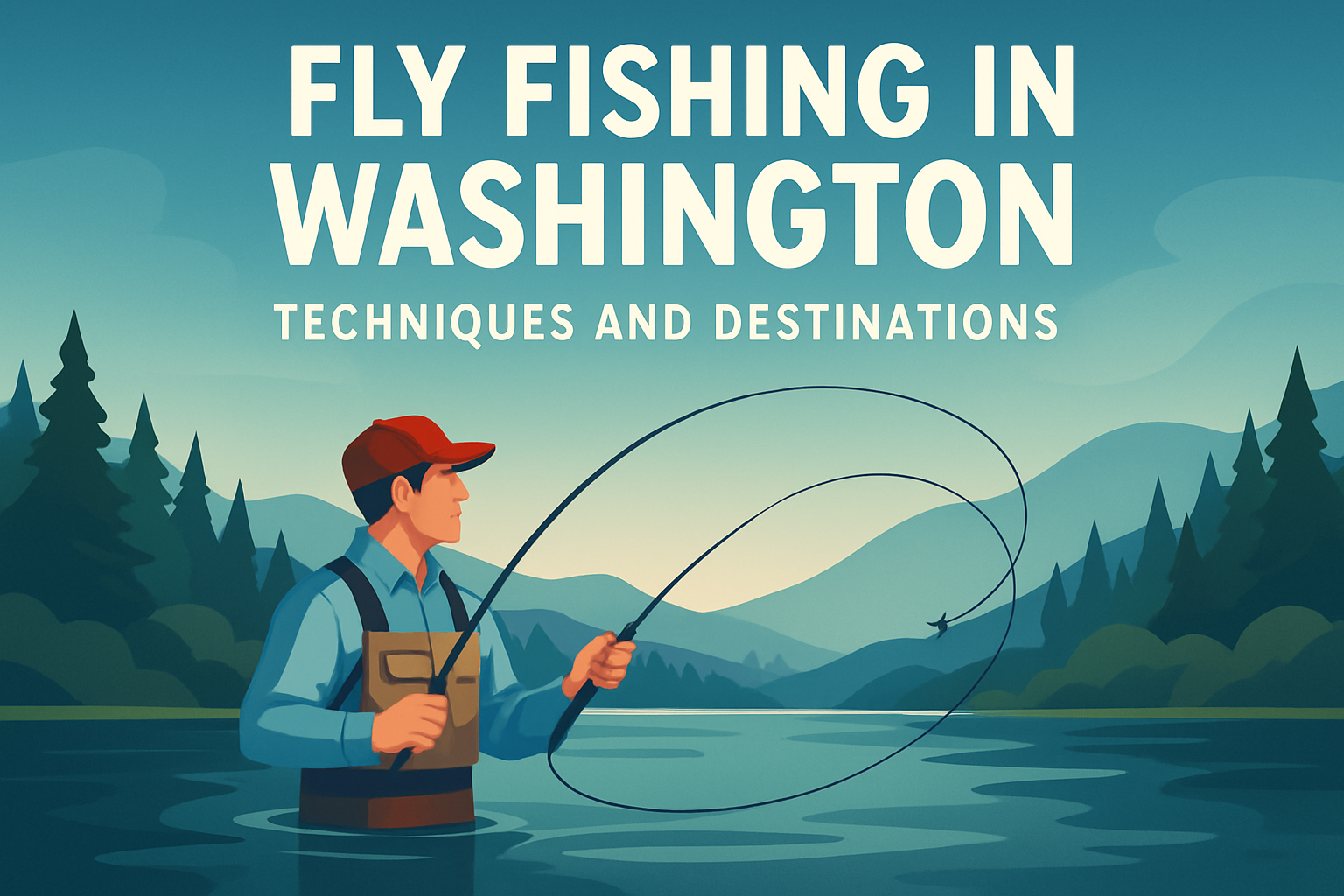
Fly fishing in Washington rewards anglers with unusual variety: glacier-fed rivers, basalt canyons, spring creeks, alpine lakes, and Puget Sound beaches all support distinct fisheries that demand different tactics. In practical terms, fly fishing means presenting an artificial imitation with a weighted or floating line rather than a lure-heavy spinning setup, while Washington fly fishing specifically refers to pursuing trout, steelhead, salmon, and saltwater species across the state’s cold, complex waters. After years of planning trips from the Yakima to the Olympic Peninsula, I have learned that success here depends less on luck than on reading water, matching food sources, and understanding regulations that change by basin and season. That matters because Washington offers some of the best public-access fishing in the West, yet its opportunities are often misunderstood. Anglers who know where to go, when to go, and which techniques fit each river system consistently catch more fish, avoid common mistakes, and fish more responsibly in sensitive habitats.
Washington stands out because its geography creates sharply different fishing environments within a single day’s drive. East of the Cascades, rivers like the Yakima and Methow run through drier landscapes with prolific aquatic insect hatches and classic trout structure. West of the mountains, larger, rain-driven systems and short coastal rivers shape famous steelhead and salmon opportunities. High-elevation lakes add summer dry-fly action, while marine shorelines around Puget Sound offer sea-run cutthroat fishing that many visitors overlook. For searchers asking where to fly fish in Washington, the direct answer is this: the Yakima River is the premier all-around trout destination, Rocky Ford Creek is a technical stillwater-style spring creek, the Olympic Peninsula offers iconic steelhead water, and Puget Sound beaches provide accessible saltwater sight-fishing with the right tide and season. Choosing among them starts with species, timing, and your comfort with moving water, wading, or boat access.
Core techniques for fly fishing in Washington waters
The most effective fly fishing techniques in Washington are dry-fly fishing, nymphing, streamer fishing, swinging flies for steelhead, and beach tactics for sea-run cutthroat. Each method matches a specific food source and water type. On trout rivers, I usually begin by observing whether fish are feeding on the surface. If I see consistent rises and drifting naturals, I fish dries; if not, I switch to subsurface patterns because most trout feed underwater most of the time. On freestone and tailwater-style systems, indicator nymphing remains the highest-percentage tactic. A buoyant indicator, split shot or tungsten flies, and a dead-drift presentation let the flies travel at the trout’s depth and speed. In Washington rivers with mixed pocket water and seams, depth control matters more than exact pattern color. I tell new anglers to adjust weight first, indicator position second, and fly choice third.
Dry-fly fishing peaks during specific hatch windows. On the Yakima, blue-winged olives, caddis, pale morning duns, and October caddis can create memorable surface action. Matching the hatch means choosing a fly that resembles the stage trout are eating: dun, emerger, spinner, or skittering adult. When fish refuse a standard dry, an emerger trailing behind often solves the problem because many trout feed just below the film. In faster water, attractor dries like a Chubby Chernobyl double as strike indicators with a dropper nymph beneath, a setup especially useful for covering riffles from late spring through early fall. Streamer fishing becomes important during runoff, cloudy weather, and low-light periods, when larger trout and bull trout key on baitfish or juvenile fish. Short strips in soft edges and downstream banks frequently outproduce random casting through the middle of a run.
For steelhead, swinging flies on a Spey or switch rod is the signature Washington technique. The concept is simple: cast across or slightly downstream, mend to control speed, and let the fly swing broadside through holding water. The execution is not simple, because angle, sink rate, current speed, and fly profile all determine whether the presentation reaches fish traveling or resting near ledges and tailouts. Winter steelhead often require heavier sink tips and slower swings; summer steelhead may respond to lighter tips and smaller flies. Indicator nymphing for steelhead also works, particularly on pressured or colder rivers, but many anglers still prefer the visual, deliberate rhythm of the swing. In Puget Sound, beach fishing for sea-run cutthroat is more mobile. You cover shoreline, cast intermediate or floating lines, and retrieve baitfish or shrimp patterns with short strips around current seams, estuary mouths, and tide changes.
Top Washington fly fishing destinations and what each does best
The Yakima River is the most reliable starting point for many anglers because it combines healthy rainbow trout numbers, long fishable seasons, and extensive public access. Floating the canyon sections is the classic experience, but there are also productive walk-and-wade stretches. The river’s structure is textbook: riffles generate insects, seams carry food, and softer edges hold feeding fish. Spring and fall typically offer the most comfortable conditions and balanced hatches, though summer remains productive with terrestrials. If someone asks where beginners should fly fish in Washington, the Yakima is usually my answer because it teaches reading water while still giving realistic chances at fish on dries, nymphs, and streamers.
Rocky Ford Creek in central Washington is entirely different. It is a spring creek with clear, weedy water, selective trout, and highly technical presentations. Long leaders, fine tippets, and precise drifts matter here more than on many larger rivers. Fish often inspect a fly for several feet before refusing, so pattern size and profile become critical. Chironomids, scuds, leeches, and small dry patterns all have a place depending on season and conditions. Rocky Ford rewards patience and stealth, not power casting. I have seen excellent anglers humbled there because they approached it like a freestone river instead of a spring creek.
The Olympic Peninsula is Washington’s steelhead centerpiece, with rivers such as the Hoh, Sol Duc, Bogachiel, and Queets carrying worldwide reputation. These systems are rain dependent, often changing overnight, which makes flow awareness essential. A river that is perfect in the morning can be unfishable after a storm pulse. The payoff is clear: broad gravel bars, classic swing runs, and the possibility of wild steelhead in dramatic rainforest settings. Regulations deserve close attention here because wild fish protections, gear rules, and retention limits can change. On the east side, the Methow and upper Columbia tributaries add seasonal opportunities for trout and, where open and legal, anadromous fish. Around Puget Sound, beaches from Whidbey Island to South Sound offer sea-run cutthroat and occasional coho opportunities for anglers willing to watch tides and bait movement.
| Destination | Primary species | Best techniques | Ideal timing |
|---|---|---|---|
| Yakima River | Rainbow trout, cutthroat | Dry-dropper, indicator nymphing, streamers | April to June, September to October |
| Rocky Ford Creek | Large rainbow trout | Long-leader nymphing, small dries, balanced leeches | Year-round, strongest in cool stable periods |
| Olympic Peninsula rivers | Steelhead, salmon | Spey swinging, sink tips, indicator rigs | Late fall through spring, river dependent |
| Puget Sound beaches | Sea-run cutthroat, coho | Intermediate lines, baitfish strips, tide-focused coverage | Spring through early fall |
How season, weather, and regulations shape success
Timing is a decisive factor in Washington. Snowpack controls runoff east of the Cascades, while rainfall drives many west-side rivers. During spring runoff, some trout rivers become high and off-color, pushing anglers toward tailwaters, lakes, or spring creeks. By contrast, shoulder seasons often provide the best blend of moderate flows, active insects, and lower recreational pressure. Summer brings terrestrial fishing on many trout rivers, but it also raises water temperatures. Responsible anglers carry a thermometer and stop targeting trout when temperatures push into stressful ranges. That is not just ethics talk; warm-water handling mortality is real, and Washington’s fish are too valuable to treat carelessly.
Regulations are equally important. The Washington Department of Fish and Wildlife publishes annual sport fishing rules and emergency updates, and both matter because in-season changes happen. Before any trip, I check species openings, selective gear requirements, anti-snagging definitions, retention limits, and area-specific closures. This is especially important on steelhead and salmon rivers where conservation measures can shift quickly. Selective gear generally means single-point barbless hooks and no bait, but exact language varies by water. If you fish marine areas, tide charts and saltwater regulations add another layer. Anglers searching for Washington fly fishing regulations should start with the current WDFW rules pamphlet and emergency rule page, then verify access on local land-management maps because legal fishing water does not always guarantee legal shoreline entry.
Weather also changes technique. Bright, cold mornings can delay hatches and push fish deeper, making nymphs or slow streamers more effective than dries. Overcast afternoons often improve surface activity, especially for blue-winged olives. On Puget Sound beaches, a moving tide usually matters more than sky conditions because current positions bait and feeding fish. Wind deserves special mention in Washington because gorge, canyon, and coastal systems can all become difficult quickly. A heavier leader butt, shorter casting stroke, and line choices matched to rod weight solve many problems better than simply casting harder. Good anglers adapt to conditions; great anglers plan around them using flow graphs, forecast models, and hatch timing.
Gear, access, and practical planning for a productive trip
A versatile Washington trout setup is a 9-foot 5-weight rod, floating line, and leaders from 9 to 12 feet. That single outfit covers much of the Yakima, alpine lakes, and many general trout situations. For bigger rivers, streamers, or windy conditions, a 6-weight offers better control. Steelhead anglers usually carry a 7- or 8-weight Spey or switch rod with Skagit heads, sink tips, and intruder-style or traditional patterns. Beach anglers targeting sea-run cutthroat often do well with a 5- or 6-weight, floating or intermediate line, and small baitfish flies such as Clousers, sand lance imitations, and euphausiid patterns. Wading boots with strong traction are essential, and studs help in certain rivers, though boat ramps and some surfaces require caution. Polarized glasses are not optional in my view; they reveal seams, depth changes, and following fish.
Access planning saves time and frustration. The Yakima offers many state-managed sites and guide-float access points, while spring creeks and lakes may have limited parking or bank room. On the Olympic Peninsula, water levels can make gravel bars appear or disappear, and crossing decisions should stay conservative. For beaches, I rely on tide charts, public shoreline maps, and ferry timing because traffic can reduce fishing time more than any hatch mismatch. Hiring a guide for one day can shorten the learning curve dramatically. A competent local guide teaches river etiquette, access points, and seasonal patterns faster than weeks of trial and error, especially on technical water like Rocky Ford or broad float fisheries like the Yakima.
The main benefit of fly fishing in Washington is range: few states let you chase trout on a caddis hatch, swing for steelhead in rainforest water, and stalk sea-run cutthroat on a beach within the same broad region. To make the most of it, match technique to water type, let the season dictate destination, and verify regulations before every trip. The most dependable approach is straightforward. Start with a proven fishery such as the Yakima if you want numbers and variety, choose Rocky Ford if you want technical refinement, head to the Olympic Peninsula for classic steelhead water, and explore Puget Sound beaches when you want accessible saltwater action. Bring the right rod, watch flows and temperatures, and fish with restraint when conditions stress wild fish.
Washington rewards anglers who stay curious and prepared. Learn a few core methods well rather than carrying every fly in the shop, study one river until its structure becomes familiar, and keep notes on hatches, flows, and weather. Those habits build consistency far faster than chasing rumors. If you are planning your next trip, pick one destination, check the latest WDFW updates, and spend a full day fishing it with a clear plan. That is how you turn Washington’s enormous fly fishing potential into memorable, repeatable success.
Frequently Asked Questions
What makes fly fishing in Washington different from fly fishing in other states?
Washington stands out because it offers an unusually broad mix of fisheries within one state, and each one fishes very differently. An angler can move from glacier-fed rivers on the west side to basalt canyon streams in central Washington, then to spring creeks, alpine lakes, and even saltwater beaches on Puget Sound. That diversity means fly fishers need to think less in terms of one universal approach and more in terms of matching technique, gear, and fly selection to the specific water type and target species. In Washington, you may be casting dry flies to trout on a summer river, swinging intruders for steelhead in cold flows, stripping baitfish patterns for coho from a beach, or suspending chironomids under an indicator on a lake.
The state’s climate and geography also shape the fishing in important ways. Snowpack, dam releases, seasonal runoff, and glacial melt can all affect clarity and flow conditions, especially on larger rivers. Western Washington rivers often run bigger, colder, and more variable than many newcomers expect, while eastern waters can be clearer, warmer in summer, and more hatch-oriented. Add in migratory fish like salmon and steelhead alongside resident trout and warm-season lake opportunities, and Washington becomes less about repeating one proven tactic and more about reading conditions well. That variety is exactly what makes the state so rewarding for fly anglers willing to adapt.
What gear should a beginner bring for fly fishing in Washington?
For a beginner, the best setup is one that can handle a wide range of Washington conditions without being overly specialized. A 9-foot 5-weight rod is the classic choice for trout on rivers and lakes, and it is a smart starting point if your focus is general freshwater fly fishing. Pair it with a quality reel, a floating fly line, tapered leaders in the 9-foot range, and a selection of 4X to 6X tippet for trout. If you plan to fish larger rivers, indicator nymph rigs, or windy lakes, a 6-weight can be even more versatile. For steelhead, salmon, or beach fishing in Puget Sound, most anglers step up to a 7- or 8-weight rod with lines designed for either sinking presentations or handling larger flies and stronger fish.
Beyond the rod and reel, practical accessories matter just as much in Washington. Breathable chest waders and sturdy wading boots are useful on many rivers, especially where banks are brushy or access requires crossing shallow runs. Polarized sunglasses help you spot structure, protect your eyes, and reduce glare. A landing net, forceps, nippers, fly boxes, a pack or vest, and layers for changing weather are all part of a reliable kit. Washington weather can shift quickly, and even summer mornings can feel cold near rivers or high-elevation lakes. If you are starting from scratch, prioritize versatility and simplicity: one trout outfit, one saltwater or steelhead-capable outfit if needed, and a focused fly selection tailored to the water you plan to fish rather than trying to cover every fishery at once.
What fly fishing techniques work best in Washington’s rivers, lakes, and saltwater beaches?
The most effective technique depends entirely on the type of water you are fishing. In Washington rivers, nymphing is often the most consistent producer for trout because many fish feed subsurface most of the time. Indicator rigs, Euro-style tight-line presentations, and short-line pocket-water approaches can all be effective depending on current speed and depth. During insect activity, dry-fly fishing can be excellent, particularly on spring creeks, smaller streams, and certain summer or fall trout waters. Streamer fishing also has a strong place, especially when targeting larger trout or fishing during lower-light periods. For steelhead, swinging flies on sink tips is a signature Washington method, though dead-drifting nymphs or egg patterns can also be productive where legal and appropriate.
In lakes, presentations are often more controlled and patient. Chironomids suspended under an indicator are a proven tactic on many Washington stillwaters, while slow strips with leeches, damsel nymphs, scuds, and baitfish patterns can be very effective. Timing matters: mornings and evenings often bring fish shallow, while brighter periods may push trout deeper. On Puget Sound beaches, fly fishing is more active and mobile. Anglers commonly target sea-run cutthroat and salmon by covering water, casting baitfish or shrimp patterns, and retrieving with varied strip speeds until fish respond. Tide movement, current seams, bait presence, and shoreline structure all matter. Across all these fisheries, success usually comes from understanding food sources, water temperature, and fish behavior rather than relying on one favorite cast or fly.
When is the best time of year to fly fish in Washington?
Washington offers year-round opportunity somewhere in the state, but the best time depends on the species and destination. Spring can be excellent for trout in lakes and selective rivers as insect activity increases and fish become more active after winter. It is also a transition period, however, and runoff can affect many streams, particularly those influenced by mountain snowpack. Summer opens up alpine lakes, higher-elevation streams, and many popular trout fisheries, while also bringing stronger dry-fly fishing on suitable waters. Early and late in the day are often best during hot weather, especially in eastern Washington.
Fall is a favorite season for many anglers because temperatures moderate, trout feed aggressively, and steelhead opportunities improve on certain rivers. It can also be a productive time to fish streamers and egg-influenced patterns where trout key in on seasonal food sources. Winter is more specialized, but it still offers meaningful opportunity, especially for steelhead and some lowland trout waters, as long as anglers are prepared for cold temperatures, changing flows, and shorter days. In Puget Sound, beach fishing windows vary by species and migration timing, with sea-run cutthroat available much of the year and salmon runs creating seasonal peaks. The key is to match your trip to the specific fishery rather than asking for a single statewide “best month,” because Washington’s fishing calendar is too diverse for one simple answer.
How do I choose the right Washington fly fishing destination for my skill level and goals?
The best destination depends on what kind of experience you want. If your goal is to learn casting, line control, and fish-fighting basics without dealing with difficult current, stillwater destinations such as accessible trout lakes can be a very beginner-friendly choice. Lakes often give new fly fishers more time to organize gear, practice presentations, and experiment with retrieves. Smaller trout streams can also be great for building confidence, especially where fish are willing and the wading is straightforward. If you want classic river trout fishing, look for waters known for walk-and-wade access, healthy trout populations, and manageable flows rather than jumping straight into large, powerful rivers.
For anglers seeking challenge and adventure, Washington has no shortage of ambitious options. Steelhead rivers demand patience, disciplined presentation, and comfort with changing water conditions. Alpine lakes reward hikers willing to trade convenience for scenery and often less-pressured fish. Puget Sound beaches appeal to anglers who enjoy covering water, reading tides, and pursuing fish in a saltwater environment without a boat. Destination choice should also factor in season, access regulations, hatch timing, and whether the fishery is primarily suited to dry flies, nymphs, streamers, or beach tactics. Before committing, check current regulations carefully, because Washington’s rules can vary by river section, species, and season. Choosing the right destination is really about aligning your expectations with the water: scenic solitude, technical trout fishing, migratory fish, easy access, or a realistic shot at your first fish on the fly.