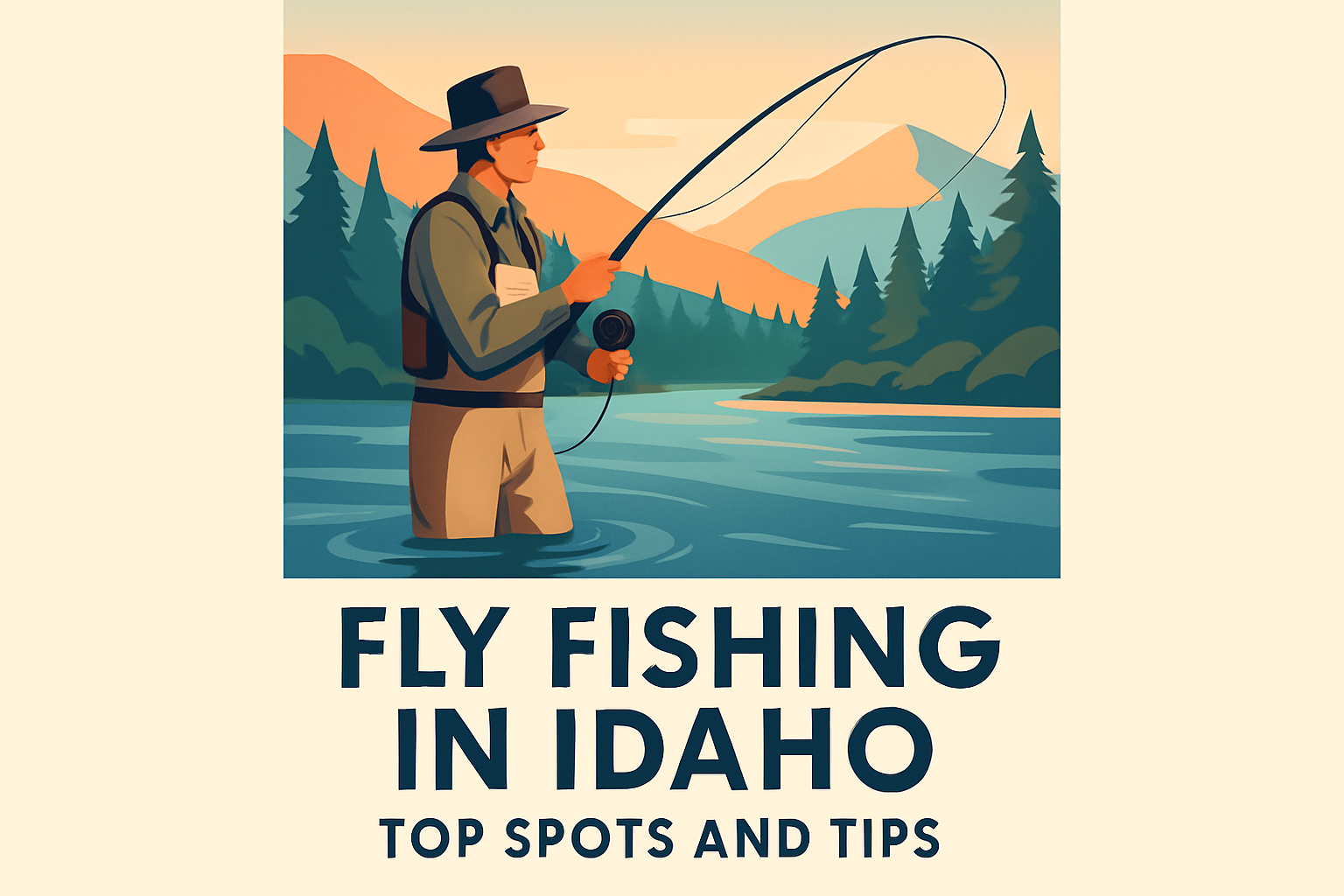
Fly fishing in Idaho rewards anglers with cold, clear water, prolific insect hatches, and an uncommon range of rivers, spring creeks, and alpine lakes concentrated within one state. In practical terms, fly fishing means presenting an artificial fly with a weighted line rather than a heavy lure, allowing delicate drifts that imitate mayflies, caddis, stoneflies, midges, sculpins, and other trout food. Idaho matters because it combines famous blue-ribbon destinations such as the Henrys Fork and Silver Creek with lesser-known freestone rivers where skilled anglers can still find solitude. I have fished Idaho in multiple seasons, and the biggest lesson is that success here depends less on owning exotic gear and more on matching water type, timing, and fly choice to local conditions.
For many anglers searching for the best fly fishing in Idaho, the core questions are straightforward: where should you go, when should you go, what species can you target, and what techniques actually work? Idaho answers those questions better than most Western states because its fisheries are highly varied. The eastern side offers legendary dry-fly water and large trout in technical currents. Central Idaho delivers rugged freestone rivers, canyon water, and aggressive fish willing to move for attractors and streamers. The north adds cold, forested rivers with strong cutthroat populations, while the south features productive tailwaters and reservoirs connected to fertile river systems. That diversity makes Idaho attractive to beginners planning a first trout trip and to experienced anglers refining specific methods such as nymphing, euro nymphing, dry-dropper fishing, and streamer presentations.
Idaho also matters from a conservation and access perspective. Much of its best water is public or bordered by public land, yet conditions are not static. Snowpack, irrigation flows, wildfire effects, water temperatures, and seasonal regulations can change fish behavior and legal access quickly. Responsible anglers should always verify current rules through Idaho Fish and Game, check streamflows through the USGS and local fly shops, and understand that famous rivers can fish poorly during runoff even when marketing photos suggest perfection. The benefit of a realistic plan is simple: when you align your trip with hatch windows, water clarity, and fish holding structure, Idaho becomes one of the most consistently rewarding fly fishing states in the country.
Best fly fishing rivers and creeks in Idaho
The Henrys Fork is the headline fishery for good reason. This tributary of the Snake River is internationally known for large rainbow and brown trout, technical dry-fly fishing, and distinct sections that suit different skill levels. The Railroad Ranch near Harriman State Park is the classic challenge: flat water, selective trout, exacting presentations, and heavy importance placed on drag-free drifts. By contrast, the Box Canyon offers bigger currents, prolific aquatic life, and excellent nymphing with stonefly patterns, caddis larvae, and zebra midges. During strong hatches of PMDs, green drakes, and caddis, the Henrys Fork can produce the kind of visual dry-fly fishing that defines Idaho in the minds of traveling anglers.
Silver Creek is a different test entirely. As a spring creek, it runs clear and stable, which creates ideal habitat for weeds, insects, and educated trout. Anglers commonly encounter rainbows and browns that inspect flies closely in slow current. Long leaders, fine tippets, and precise imitation matter here more than on many freestones. When tricos, callibaetis, or baetis are present, fish may rise steadily but refuse anything slightly off in size, silhouette, or drift. In my experience, Silver Creek humbles anglers who rely on fast casts and rewards those who watch feeding lanes for several minutes before making one intentional presentation. It is one of the best places in Idaho to learn fish behavior rather than simply accumulate numbers.
The South Fork of the Boise River is one of the state’s most reliable tailwaters and an excellent option when freestone rivers are blown out by runoff. Controlled releases help maintain fishable conditions, and the river supports healthy populations of rainbow and brown trout. Because of its structure, it is especially productive for indicator nymphing and streamer fishing around seams, drop-offs, and submerged ledges. The Big Wood River, Lost River system, and Big Lost River add more variety, with sections that can fish exceptionally well in summer and fall when flows stabilize. In northern Idaho, the St. Joe and Kelly Creek stand out for native westslope cutthroat trout, pocket water, and classic dry-fly opportunities in a forest setting.
| Water | Best For | Primary Species | Top Timing | Key Tactic |
|---|---|---|---|---|
| Henrys Fork | Technical dry flies and big trout | Rainbow, brown | June through September | PMD, caddis, hopper, nymph rigs |
| Silver Creek | Spring creek precision | Rainbow, brown | Late spring through fall | Long leaders, small dries, light tippet |
| South Fork Boise | Consistent tailwater fishing | Rainbow, brown | Spring and fall | Indicator nymphing, streamers |
| St. Joe River | Cutthroat on dries | Westslope cutthroat | Summer | Attractor dries, dry-dropper |
| Kelly Creek | Remote freestone action | Cutthroat, rainbow | Summer to early fall | Stoneflies, terrestrials, pocket-water drifts |
When to go fly fishing in Idaho
The best time for fly fishing in Idaho depends on elevation, river type, and your tolerance for crowds and changing conditions. Spring can be excellent on tailwaters and spring creeks because flows remain relatively stable while trout feed actively on midges, baetis, and early caddis. Freestone rivers, however, often become difficult during runoff as snowmelt raises flows and reduces clarity. In many years, late May through June brings the highest water on unregulated systems. That is why anglers targeting dependable action often center spring trips around Silver Creek, the South Fork Boise, and selected lower-elevation waters that clear earlier than mountain rivers.
Summer is the broadest window and the season most visitors choose. By July, many freestone rivers have dropped into shape, stoneflies and caddis are active, and terrestrial fishing with hoppers, ants, and beetles becomes increasingly important. August can be outstanding in the mornings and evenings, especially on rivers with healthy caddis activity, but afternoon water temperatures require judgment. If trout water climbs toward stressful levels, ethical anglers stop fishing and move to cooler tributaries, tailwaters, or higher elevations. Idaho’s alpine lakes also come into play in summer, offering opportunities for cutthroat and stocked trout on chironomids, small leeches, and callibaetis patterns.
Fall is my preferred season in Idaho because the crowds thin, water temperatures improve, and trout feed with urgency ahead of winter. Brown trout become more aggressive, streamer fishing improves, and baetis hatches can be superb on overcast days. September and October are especially strong on the Henrys Fork, South Fork Boise, and many central Idaho rivers. Winter narrows your options but does not eliminate them. Midges and baetis can produce technical yet satisfying fishing on tailwaters and spring creeks, provided you monitor access and weather. If you want one concise answer to “when is the best month to fly fish in Idaho,” the safest statewide recommendation is September, with June and July best for hatch diversity where runoff has subsided.
Species, hatches, and proven techniques
Rainbow trout and brown trout dominate many of Idaho’s most famous fisheries, but the state also offers excellent opportunities for cutthroat trout, mountain whitefish, and, in selected waters, bull trout regulations that demand close attention because protections and handling rules can be strict. The productive insect groups are familiar to Western anglers: mayflies, caddis, stoneflies, and midges form the foundation, while terrestrials become critical in midsummer. Understanding the food base is more important than memorizing fly bins. On the Henrys Fork, for example, PMDs and caddis often define the day, but fish may switch depth and feeding mode quickly, requiring you to move from emergers to cripples to nymphs. On freestones like the St. Joe, fish are generally less selective, and a well-presented attractor dry can outperform exact imitation.
Dry-fly fishing gets the attention, but nymphing is the workhorse technique across Idaho. Indicator rigs with a stonefly nymph and smaller dropper cover tailwaters and riffle sections efficiently, while euro nymphing excels in faster seams where direct contact improves strike detection. Streamers shine in off-color water, shoulder seasons, and around structure where larger trout ambush baitfish. On Silver Creek, however, aggressive streamer tactics often take a back seat to patient sight fishing with small dries and unweighted nymphs. Matching your approach to water type is the central skill. Fast pocket water invites short drifts and repeated casts. Flat water rewards fewer casts, longer leaders, and careful wading that avoids sending pressure waves through a feeding lane.
For anglers asking what flies to bring to Idaho, a practical box includes parachute Adams, PMDs, caddis adults and emergers, chubby Chernobyls, hopper patterns, zebra midges, pheasant tails, hare’s ears, Pat’s Rubber Legs, perdigons, soft hackles, and a few olive or black streamers. Tippet should range from 6X for spring creek dry flies to 2X or 3X for hopper-dropper and streamer setups. A 9-foot 5-weight handles most situations, but a 4-weight is ideal for technical dries and a 6-weight helps with wind, larger rivers, and articulated streamers. The simple answer to “what is the best technique for Idaho trout” is this: fish dries during visible feeding, nymph when trout are subsurface, and switch quickly rather than forcing one style all day.
Gear, access, guides, and practical trip planning
A successful Idaho fly fishing trip starts with logistics, not casting. Start by choosing one region rather than trying to drive the entire state. Eastern Idaho around Island Park gives access to the Henrys Fork, Henrys Lake, and nearby waters. The Sun Valley area opens Silver Creek, the Big Wood, and Lost River options. Boise-based trips can center on the South Fork Boise and still allow day travel to other fisheries. Northern Idaho trips usually involve longer drives but reward anglers with scenic rivers and less pressure. For most trout fishing, breathable waders, sticky rubber soles with studs where legal and appropriate, polarized glasses, a thermometer, and layered clothing are more valuable than carrying six rods.
Hiring a guide is often worth the cost, especially on technical water. A seasoned Idaho guide shortens the learning curve by explaining access points, current hatches, local etiquette, and the small tactical adjustments that matter, such as how far above a rising fish to land a PMD cripple in a specific current seam. Reputable outfitters on the Henrys Fork, Silver Creek, and South Fork Boise also provide shuttle knowledge, boat expertise where relevant, and up-to-date safety judgment. Even experienced anglers benefit because a guide can turn a scouting day into a pattern-building day. If you prefer a do-it-yourself approach, local fly shops remain the best source for current information, often more useful than broad online reports.
Access and ethics deserve equal attention. Idaho has abundant public water, but access points, easements, and private land boundaries still require care. Use maps from onX, Gaia GPS, or agency sources, close gates, respect posted signs, and avoid assuming a visible bank is public. Fish handling standards matter as much as legal compliance. Carry hemostats, keep fish wet, pinch barbs when practical, and minimize photo time, especially during warm periods. Leave-no-trace behavior is not optional on crowded fisheries like Silver Creek. The long-term quality of Idaho fly fishing depends on anglers who treat these rivers as renewable but vulnerable resources. Before your trip, check regulations, weather, and flows, then commit to adapting. That flexible mindset consistently catches more fish than stubborn adherence to a prewritten plan.
Common mistakes and how to fish Idaho more effectively
The most common mistake visiting anglers make is choosing a famous river without matching it to present conditions. I have seen anglers drive straight to a marquee freestone during peak runoff, fish muddy edges for half a day, and conclude Idaho is overrated. The better move would have been a stable tailwater or spring creek. Another frequent error is standing too close to trout in clear water. On Silver Creek and other gentle currents, fish often detect wading disturbance before they ever see the fly. Stay back, kneel when needed, and cast from angles that preserve a natural drift. In rougher freestone pocket water, the opposite applies: anglers sometimes make long, unnecessary casts when short upstream presentations would control drag far better.
Fly selection errors are usually less damaging than presentation errors, but they still matter. Many anglers pack oversized attractors for every river and then struggle when trout key on size 18 to 22 mayflies. Others overcomplicate their boxes and fail to fish confidence patterns thoroughly. A balanced system works best: carry staple patterns in multiple sizes, then refine based on local intel and what you observe on the water. Time management is another hidden factor. Idaho rivers often fish best early, late, or during specific hatch windows, so long lunches and midday road moves can cost you the prime period. If you want better results, spend more time watching currents, insects, and trout behavior before changing flies repeatedly.
The final upgrade is strategic adaptability. Treat each Idaho river as a distinct problem with its own answer. Ask four questions at every stop: What is the water temperature? What insects are active? Where can trout hold with minimal energy? What presentation fits this current speed? That framework is simple, but it prevents random fishing. Idaho rewards anglers who think in systems. When you combine seasonal timing, the right river type, practical gear, and disciplined observation, the state’s famous reputation makes complete sense. Plan your region, monitor flows, talk to a local shop, and go fish Idaho with a clear strategy. You will cover water more efficiently, make better decisions, and turn a good trip into a memorable one.
Frequently Asked Questions
What makes Idaho such a standout destination for fly fishing?
Idaho stands out because it packs an unusual amount of fly-fishing variety into one state. Anglers can choose from legendary trout rivers, quiet spring creeks, freestone streams, tailwaters, and high-mountain lakes, often within a manageable drive of one another. That means a trip to Idaho can include everything from technical dry-fly fishing on flat, crystal-clear water to throwing streamers in bigger current for aggressive trout. Well-known fisheries such as the Henrys Fork and the South Fork of the Boise have earned national attention, but part of Idaho’s appeal is that it also offers less-publicized water where anglers can still find solitude.
Another reason Idaho is so highly regarded is the quality of its habitat. Cold, clean water, healthy aquatic insect populations, and strong trout numbers create the conditions fly anglers look for. In many areas, hatches of mayflies, caddis, stoneflies, and midges can provide consistent opportunities for dry-fly action during the season. Idaho also offers a broad range of species and settings, including rainbow trout, brown trout, cutthroat trout, brook trout, and mountain whitefish, depending on the drainage. For anglers who value both scenery and fishing quality, Idaho delivers on both fronts, with rugged mountain backdrops, open valleys, and classic Western river character.
What are some of the top fly fishing spots in Idaho?
Idaho has no shortage of excellent fly-fishing destinations, but a few waters consistently rise to the top. The Henrys Fork is one of the most famous and is widely respected for its challenging dry-fly fishing, strong hatches, and large trout. Different sections offer different experiences, from technical spring-creek-style fishing to more forgiving water for anglers still building their skills. Silver Creek is another iconic destination, especially for anglers who enjoy sight fishing and precise presentations. Its clear, slow-moving water rewards patience, good casting, and careful fly selection.
The South Fork of the Boise is a favorite for both wade anglers and float trips, offering reliable trout fishing and a mix of dry-fly, nymph, and streamer opportunities. The Big Wood River near Sun Valley is another respected fishery, especially for anglers looking for a classic freestone experience. The Salmon River system, the St. Joe, and numerous alpine lakes also deserve attention, particularly for those who want to explore beyond the best-known names. Choosing the best spot depends on the kind of fishing you enjoy. If you want famous dry-fly water, head toward the Henrys Fork or Silver Creek. If you want more varied conditions and the chance to cover water, larger rivers and freestones can be a better fit.
When is the best time of year to go fly fishing in Idaho?
The best time to fly fish in Idaho depends on the type of water you plan to fish and the style of fishing you prefer, but in general, late spring through fall offers the widest range of opportunities. Spring can be excellent on tailwaters and spring creeks, especially where flows remain stable and insect activity starts building. Early-season anglers often find productive midge and blue-winged olive action, and some rivers can fish very well before summer crowds arrive. That said, runoff from snowmelt can affect many freestone rivers, especially in late spring and early summer, making some waters high, cold, or off-color for a period of time.
Summer is often the most popular season because many rivers become more accessible and insect hatches are at their peak. This is when anglers can find dependable dry-fly fishing, including caddis, mayfly, and stonefly activity, depending on elevation and watershed. Late summer and early fall are especially appealing because conditions often stabilize, water clarity improves, and fish remain active. Fall can be outstanding for streamer fishing and for anglers seeking fewer crowds and cooler weather. In alpine lakes and higher-elevation streams, the productive window is usually shorter, typically peaking in summer. Checking local flow conditions, hatch reports, and weather patterns before your trip is one of the smartest ways to time your visit well.
What flies and techniques work best for trout in Idaho?
Successful fly fishing in Idaho usually comes down to matching local food sources and adapting to the water in front of you. Dry flies can be extremely effective during active hatches, and patterns that imitate mayflies, caddis, stoneflies, and midges should be in every Idaho fly box. On more technical water, especially spring creeks and slower sections of river, accurate presentation often matters just as much as the pattern itself. A drag-free drift is critical. Trout feeding in clear water often get a long look at the fly, so fine tippet, careful casting angles, and a natural float can make a big difference.
Nymphing is often the most consistent approach when fish are not visibly rising. Using beadhead nymphs, pheasant tail imitations, hare’s ear patterns, midge larvae, and stonefly nymphs can produce well across many Idaho rivers. Indicator nymphing is common on larger water, while euro-style nymphing can be very effective in riffles and pocket water. Streamers also have an important place, especially during low-light periods, in the fall, or when targeting larger trout looking for bigger meals like sculpins or baitfish. For beginners, the most important technique tip is to focus on line control and drift before worrying about having dozens of exact patterns. In Idaho’s clear water, presentation, depth, and reading current seams often matter more than constantly changing flies.
What should beginners know before planning a fly fishing trip to Idaho?
Beginners should start by understanding that Idaho offers amazing fishing, but conditions can vary significantly from one river to another. A little planning goes a long way. First, make sure you have the correct Idaho fishing license and understand any regulations for the waters you plan to fish, including seasonal closures, catch-and-release rules, fly restrictions, and special regulations on certain trout streams. It is also wise to research whether your destination is best suited to wading, floating, or hiring a guide. On famous rivers, a guide can shorten the learning curve dramatically by helping with access, fly selection, local tactics, and safe navigation.
In terms of gear, a 5-weight or 6-weight rod covers many Idaho trout situations, though smaller rods can be great on tighter streams and stronger setups may be useful for bigger rivers or streamer fishing. Bring layers, waders if conditions call for them, polarized sunglasses, and sturdy wading boots, since water temperatures stay cold and river bottoms can be slick. Beginners should also be realistic about skill level and choose waters that match their experience. Some Idaho fisheries are highly technical and can humble even experienced anglers, while others are much more forgiving. If you are new to fly fishing, focus on learning a few core skills well: basic casting, mending, setting the hook, and handling fish responsibly. With that foundation, Idaho becomes not just an exciting place to fish, but one of the best places in the West to improve quickly and enjoy the process.