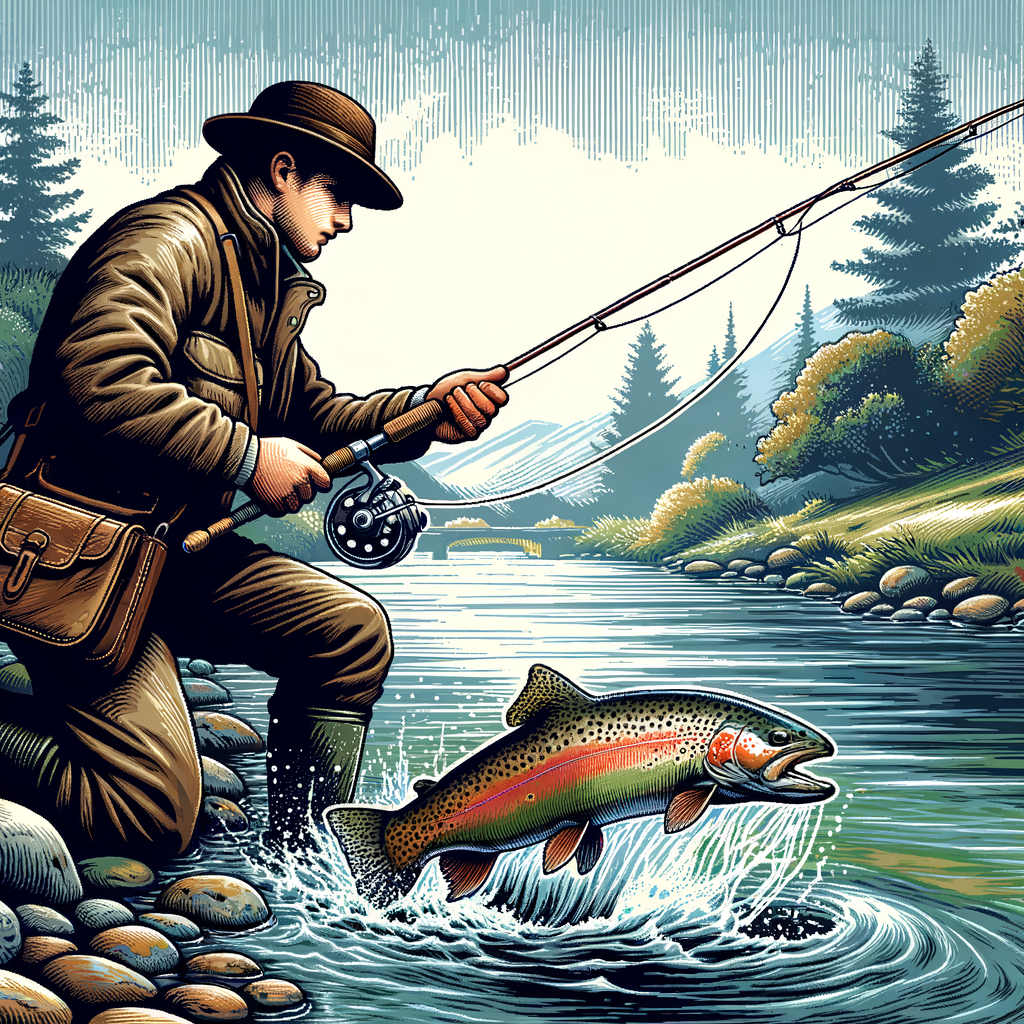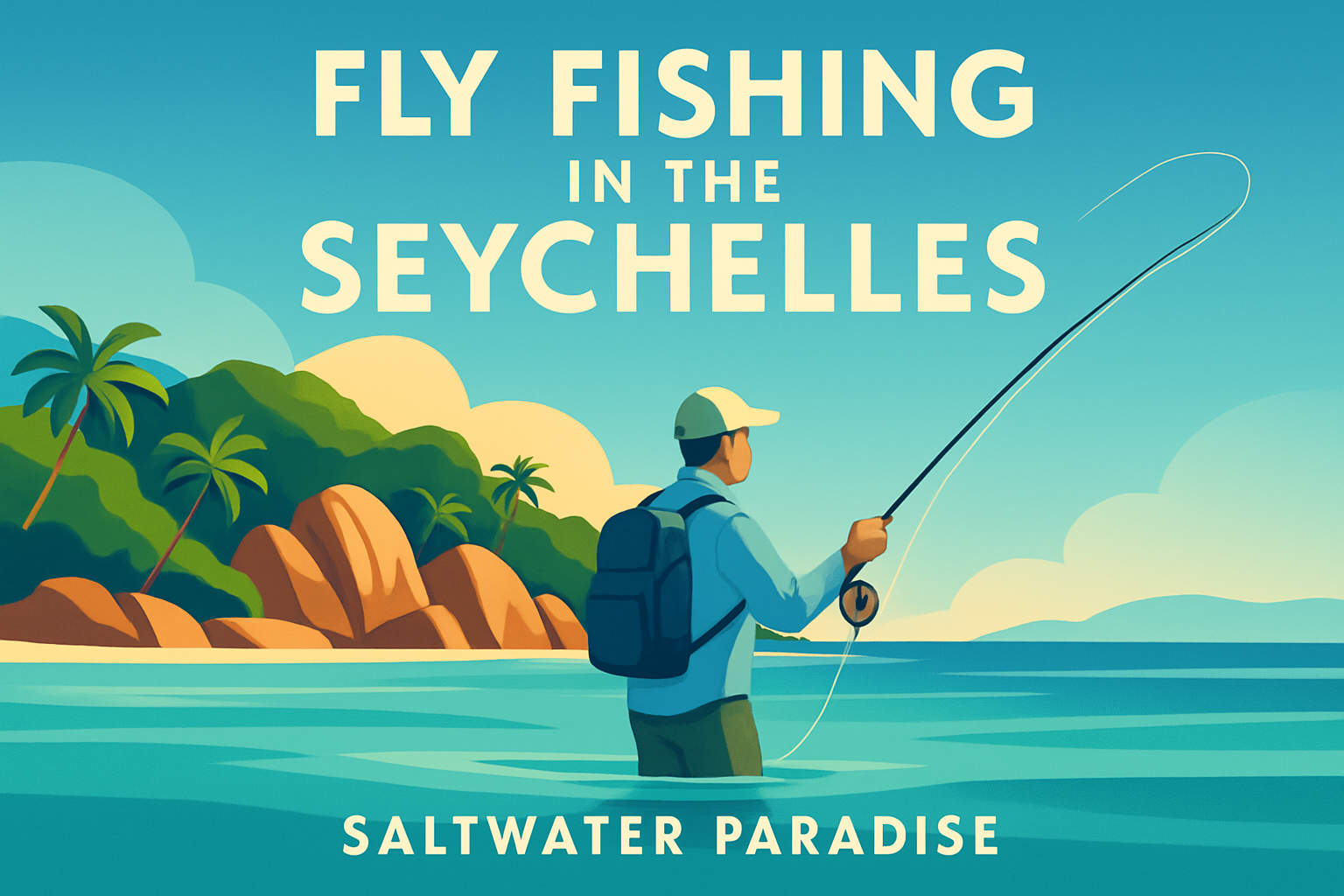
Fly fishing is an angling method where a lightweight lure, called an artificial fly, is used to catch fish. This highly skilled sport has traditionally been associated with freshwater environments such as rivers and streams. However, fly fishing has expanded its horizons over recent years, with saltwater fly fishing gaining significant traction among anglers globally. One of the most renowned destinations for saltwater fly fishing is the Seychelles — a tropical archipelago in the Indian Ocean known for its pristine waters, diverse marine life, and breathtaking beauty. In this article, we will delve into the unique appeal of fly fishing in the Seychelles, exploring the various reasons why this destination is a paradise for fishing enthusiasts. Understanding what makes this location special will allow anglers to appreciate and respect its ecological significance while enjoying an unparalleled fishing experience.
The Seychelles’ Unique Ecosystem: A Haven for Anglers
The Seychelles is composed of 115 islands, each boasting unique ecosystems and marine biodiversity, unmatched by most other fishing locales worldwide. This archipelago’s exclusive geography provides anglers with myriad opportunities to engage in thrilling fly fishing adventures. One key factor that contributes to the Seychelles’ reputation as a fly fishing paradise is its diverse marine life. Anglers can expect to find a wide array of fish species, including bonefish, trevally, milkfish, and the rare indo-pacific permit, also known as the pompano.
For example, Anse Source d’Argent on La Digue, one of Seychelles’ most famous beaches, attracts fly anglers eager to catch the wily bonefish. Known for their speed and elusive nature, landing a bonefish requires skill and persistence, offering a rewarding challenge to both novice and seasoned anglers. The varied marine habitats, from shallow reefs and sand flats to coastal wetlands, ensure that anglers can explore different fishing techniques suited to saltwater environments.
Weather and Timing: When to Visit for the Best Experience
Besides its biodiversity, the Seychelles benefits from a favorable tropical climate, which ensures fishing opportunities throughout the year. However, certain periods offer more optimal conditions depending on a fisher’s target species and personal preferences. Broadly, the Seychelles experiences two distinct seasons — the Northwest Monsoon from December to March and the Southeast Monsoon from May to September. Between these seasons, the transitions known as the inter-monsoon periods (April and October) are particularly popular due to calmer seas and more predictable weather patterns.
One real-world example is during the April inter-monsoon, where the calm waters around the flats of Alphonse Island become teeming with bonefish, creating an ideal setting for fly fishing. These months are marked by clear skies and gentle breezes, making conditions favorable for sight fishing. Timing your visit right helps increase your chances of a successful catch while also ensuring a pleasant overall experience in this paradisiacal location.
Technological Advances: Gear Up for Success
To complement their fishing endeavors, anglers need to be equipped with the appropriate gear tailored to withstand saltwater conditions as well as suit the specific demands of targeted fish species. Advances in fishing technology have brought about durable and innovative equipment enhancements that can significantly improve your fishing success rate in the Seychelles.
Choosing the correct weight for your rod and line is crucial, particularly in the challenging conditions of saltwater fly fishing. In general, an ideal setup includes a 9-weight rod, a matching reel with a strong drag system capable of handling larger fish, and a floating line. A real-world example shows anglers seeking the magnificent giant trevally in the remote sections of Cosmoledo Atoll, where the brute force of such a fish necessitates robust, high-quality gear.
| Type of Fish | Recommended Rod Weight | Preferred Line Type |
|---|---|---|
| Bonefish | 7-9 | Floating |
| Giant Trevally | 12-14 | Floating/Sinking |
| Milkfish | 10-12 | Floating |
Conservation and Ecological Impact: A Responsibility for All
While fly fishing can be a thrilling and enjoyable activity, it’s vital to approach it with a sense of responsibility. The ecosystems in the Seychelles are intricate and vulnerable, requiring careful management to maintain their health and balance. Sustainable fishing practices help preserve the environment and ensure that future generations can continue to experience the wonders of this saltwater paradise.
A notable initiative is the Seychelles’ Fly Fishing Code of Conduct, which promotes practices such as catch and release, the use of barbless hooks, and the avoidance of environmentally stressed locations. This code not only prioritizes the welfare of marine species but also encourages anglers to be conscious stewards of the natural habitat. For instance, anglers fishing in the protected waters of St. Francois Lagoon adhere to these principles, resulting in a reduced impact on the local fish population while still providing some of the best fly fishing experiences in the region.
Local Culture and Hospitality: Beyond the Water
What sets the Seychelles apart isn’t just the exceptional fishing conditions, but the warm and welcoming atmosphere that the Seychellois culture brings. The locals have a rich tradition intertwined with the sea, providing anglers with enriching experiences that transcend fishing. From indulging in Creole cuisine to participating in island festivities, embracing local culture enriches your understanding and appreciation of the islands.
Take Praslin, an island renowned not only for its potential fly fishing tours but also for its blend of natural beauty and cultural significance. After a long day’s adventure on the water, anglers often find respite in the colorful marketplaces, filled with artisanal goods and friendly exchanges with island residents. Such interactions highlight the melting pot of diverse cultural influences, which includes African, French, Indian, and Chinese heritage.
Accessibility and Travel Logistics: Planning Your Journey
Reaching the Seychelles, a remote archipelago, might seem daunting, but with a little planning, your fishing adventure could be more accessible than you imagine. The main point of entry is Seychelles International Airport, located on the island of Mahé. Flights available from major cities worldwide make travel reasonably convenient for international visitors. Once you arrive, internal flights and ferries provide onward access to other islands and key fishing sites.
For example, specialized travel agencies offer tailor-made packages, which can include everything from flights and accommodation to guided fishing tours, ensuring a hassle-free experience. Additionally, many high-end lodges and eco-resorts, such as those on Alphonse Island, provide fully equipped facilities catering to anglers, complete with expert fishing guides who help maximize the overall experience.
Conclusion: Embark on a Memorable Fly Fishing Adventure in the Seychelles
Fly fishing in the Seychelles offers much more than just a chance to reel in some of the world’s most sought-after fish species. It presents an opportunity to immerse oneself in a diverse and captivating environment while respecting and preserving the delicate ecosystems that thrive there. From its unique geography and vibrant marine life to its warm hospitality, the Seychelles stands out as a premier saltwater fly fishing destination. The advancement of fishing technology alongside sustainable practices further solidifies its place as a haven for anglers worldwide.
With a vital need for conservation in mind, anglers who visit the Seychelles are urged to uphold responsible fishing practices, ensuring that these precious resources remain intact. If you are intrigued by the thought of embarking on an unforgettable fly fishing journey, the Seychelles awaits, promising adventure and discovery within its inviting waterways. Start planning your trip today, and uncover the magic that this saltwater paradise has to offer.
Frequently Asked Questions
1. Why is the Seychelles considered a top destination for saltwater fly fishing?
The Seychelles is hailed as a premier saltwater fly fishing paradise due to its abundant and diverse marine life, paired with breathtaking natural beauty. The archipelago consists of 115 islands scattered across the Indian Ocean, offering an expansive range of fishing grounds, from shallow flats to deep waters around various atolls. What sets the Seychelles apart is its pristine and well-preserved environment, boasting crystal-clear waters and a stable tropical climate, making it ideal for fly fishing year-round. Anglers get the opportunity to come face-to-face with an extraordinary variety of fish species such as bonefish, permit, trevally, barracuda, sailfish, and the highly sought-after giant trevally, often referred to as GT. The remoteness of these islands allows for minimally disturbed fish populations, contributing to remarkable fishing opportunities that are hard to match elsewhere.
2. What should I expect when fly fishing in the Seychelles?
Fly fishing in the Seychelles is an experience that combines the thrill of sport fishing with the tranquility of some of the world’s most beautiful islands. You can expect to be fishing in a setting that is as picturesque as it is thrilling, with vast stretches of white sandy beaches, lush tropical flora, and turquoise waters. Depending the location within the Seychelles, fishing excursions can vary from stalking aggressive bonefish on the flats of the outer islands like Alphonse and Cosmoledo to battling powerful giant trevally on the edge of coral reefs. The shallow flats in particular offer an exciting and visual fishing experience, as you will often be able to sight fish and watch the entire process unfold before you. Expert guides and well-established fishing lodges make the experience streamlined and accessible, providing key insights into local fish movements and the most effective techniques and flies to employ. You can also expect a focus on conservation, with many areas operating under a strict catch and release policy to protect the delicate marine ecosystem.
3. When is the best time to go fly fishing in the Seychelles?
The Seychelles enjoys a year-round fishing season thanks to its tropical climate, but certain periods are ideal depending on the specific species you’re targeting. Generally, the prime fly fishing season runs from October to May, aligning with the Seychelles’ hot and humid northwest monsoon. During these months, the winds are lighter, allowing for easier casting, and the water remains warm and inviting for fish species to thrive. For anglers targeting bonefish or giant trevally, October through December is considered particularly fruitful, offering calm seas and plenty of active fish. On the other hand, March through May can also be excellent for these species, especially for big GT catches. It’s important to note that weather conditions can vary, and a flexible schedule maximizing days on the water will improve your chances of success. Nonetheless, by nature, this destination allows for exceptional opportunities even outside of the peak season.
4. What kind of gear and preparation is recommended for fly fishing in the Seychelles?
When preparing for fly fishing in the Seychelles, having the right gear is key to ensuring a successful and enjoyable experience. Depending on the species you’re targeting and the fishing conditions, different rod setups are advisable. A nine-weight rod is versatile and suitable for bonefish and triggerfish on the flats, paired with a floating line designed for tropical climates to ensure it doesn’t soften in warm water. For targeting larger and more aggressive species like giant trevally or barracuda, a 10- to 12-weight rod is recommended, providing the power needed to handle the fight. Strong, reliable reels with high-quality drag systems are a must to handle fast runs made by big pelagic fish. Bringing a variety of flies such as Clouser Minnows, crab imitations, and streamer patterns, is also wise, as local preferences can vary. Don’t forget essentials such as high-SPF sun protection, waterproof clothing, and polarized sunglasses, which are invaluable for spotting fish beneath the water’s surface. Preparation should also include researching the logistics of your specific trip, understanding lodge requirements, and, if necessary, coordinating travel to more remote islands or atolls.
5. Are there any conservation efforts related to fly fishing in the Seychelles?
Yes, conservation is a central focus of fly fishing activities in the Seychelles, aligning with global efforts to protect and preserve marine ecosystems for future generations. Many of the fly fishing lodges and operators are committed to sustainable fishing practices — most notably the enforcement of a catch and release policy for the majority of the species targeted, particularly bonefish and giant trevally, to support ongoing population health. As the health of tropical marine habitats like coral reefs and seagrass beds are integral to successful fly fishing, several initiatives are underway to maintain these crucial environments. Organizations and operators often collaborate with marine conservation efforts, providing resources, research support, and raising awareness among anglers to instill environmentally conscious fishing practices. Efforts also extend to active involvement in local community projects, promoting eco-tourism as a means of balancing the economic needs with environmental stewardship. This comprehensive approach aims to maintain the Seychelles’ integrity as a fly fishing paradise well into the future, ensuring that both the ecosystem and fishing opportunities remain world-class.