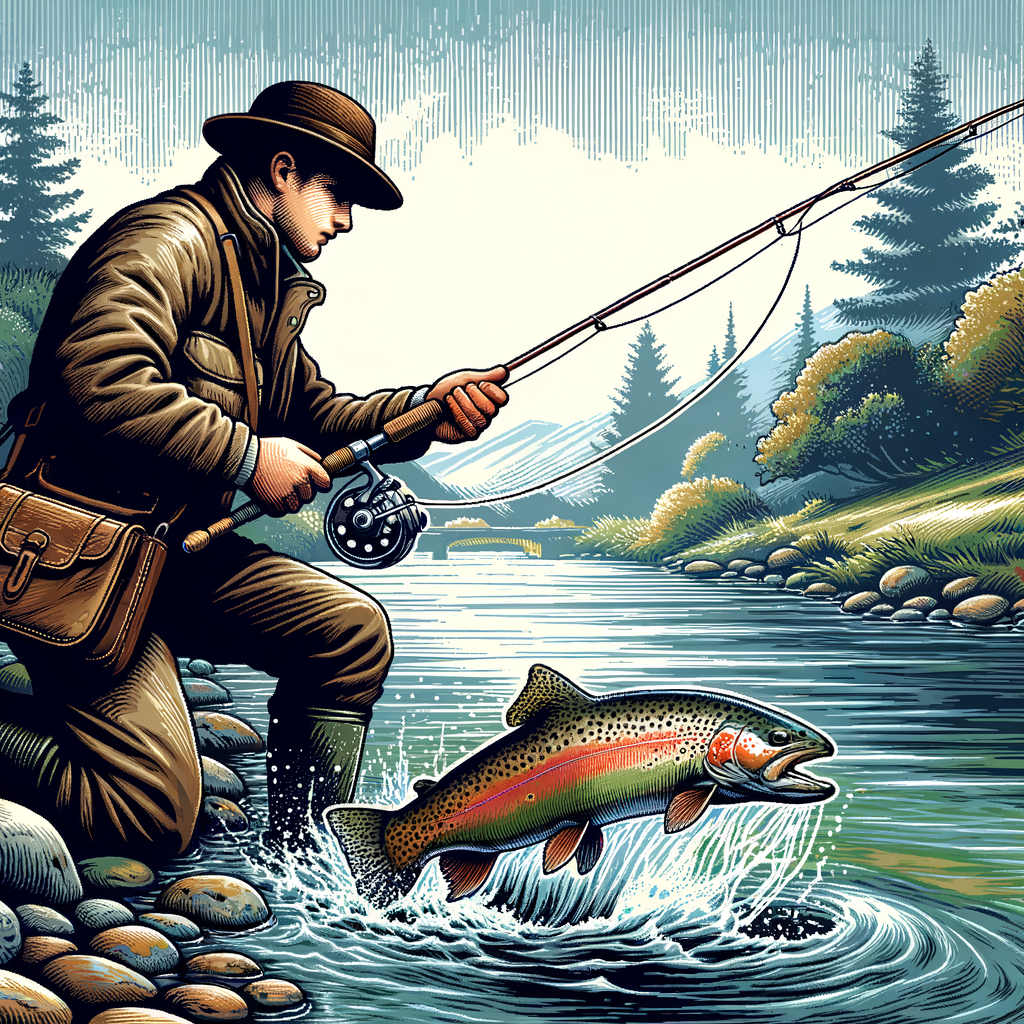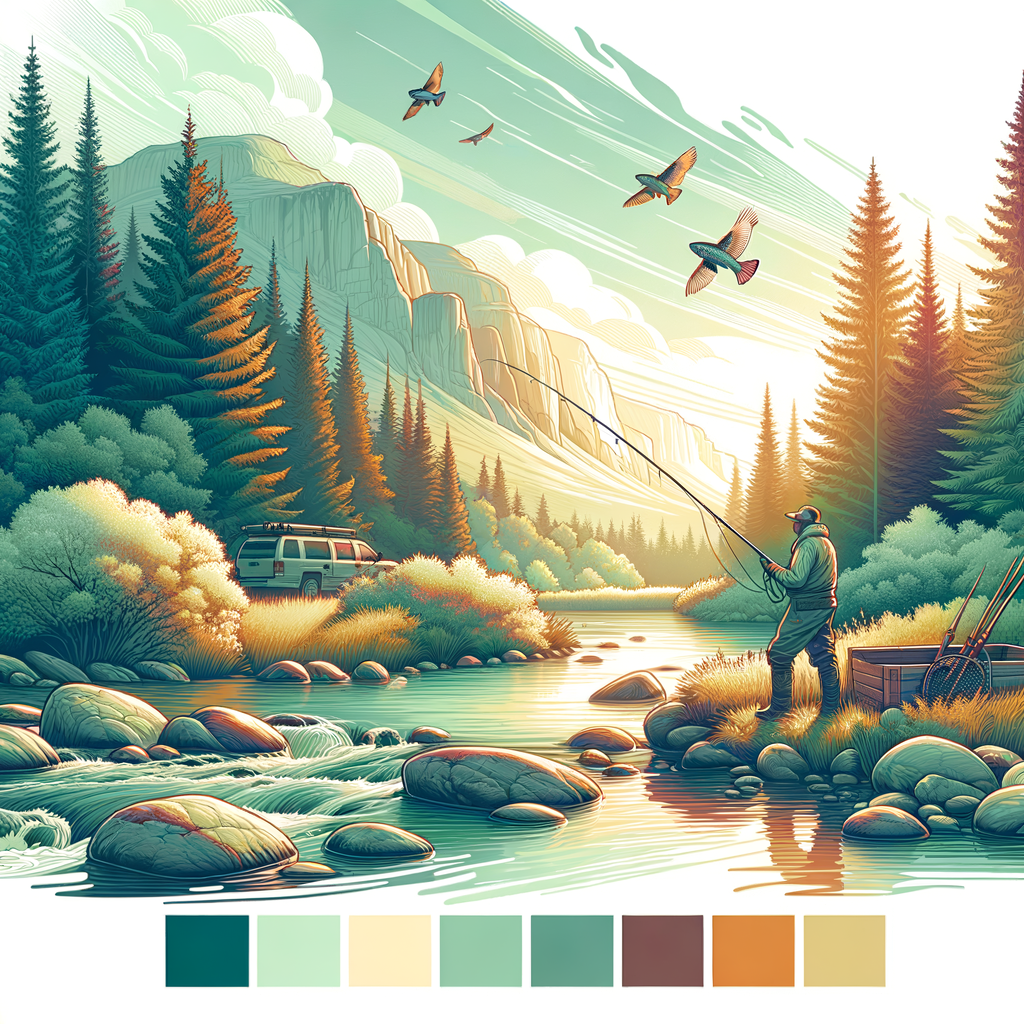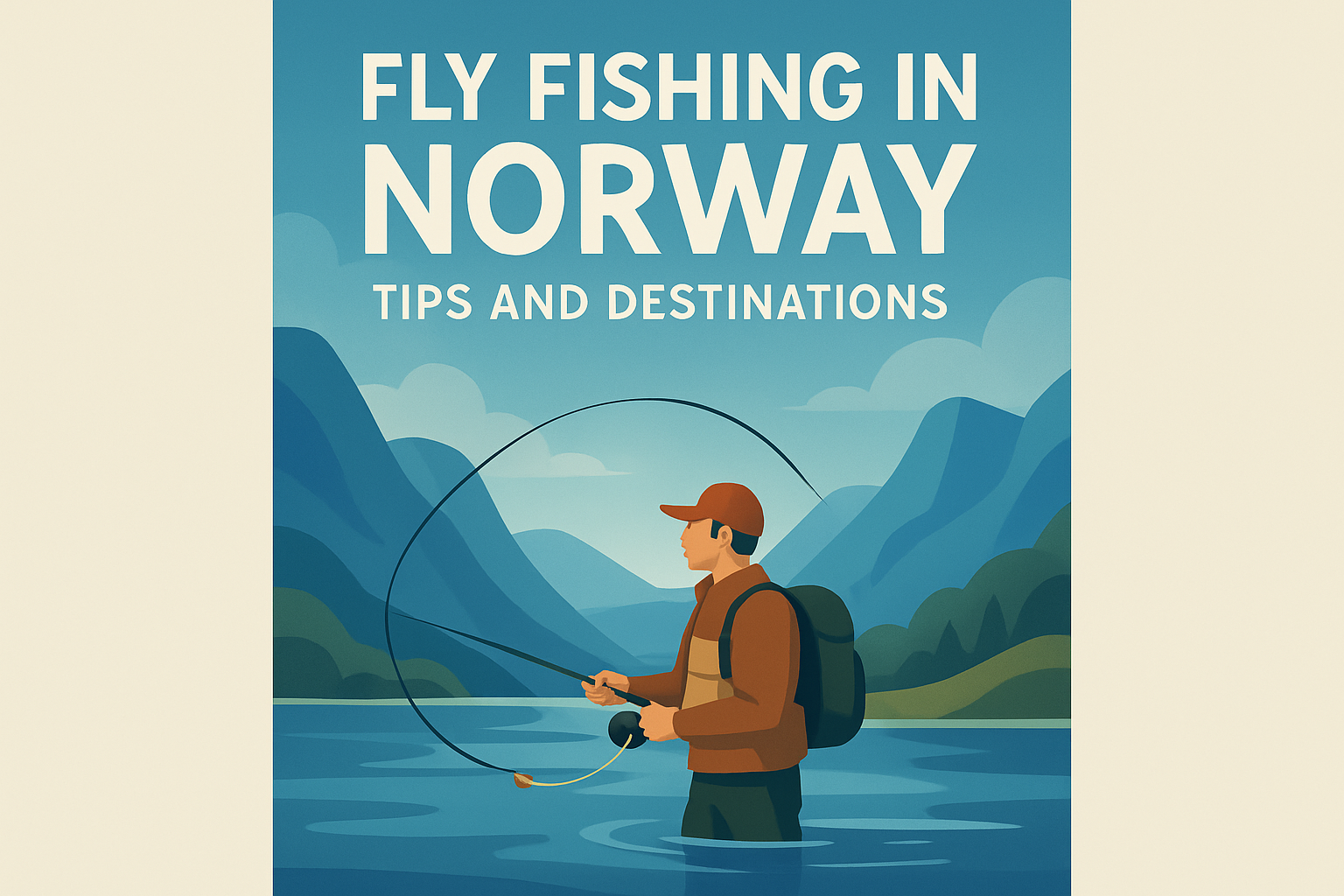
Fly fishing has long captivated enthusiasts with its intricate choreography of line and lure, set against the backdrop of serene natural landscapes. Norway emerges as a prime destination for this activity, combining breathtaking scenery with abundant and diverse aquatic populations. Nestled in Northern Europe, Norway is characterized by a labyrinth of rivers, lakes, and coastal waters teeming with fish species like salmon, trout, and grayling, which are the key quarry of fly fishers. The country’s commitment to conservation and sustainable fishing practices further enhances its appeal. For those seeking an authentic and mesmerizing angling experience, fly fishing in Norway is an adventure that promises not only a rich catch but also tranquil solitude and profound connectivity with nature.
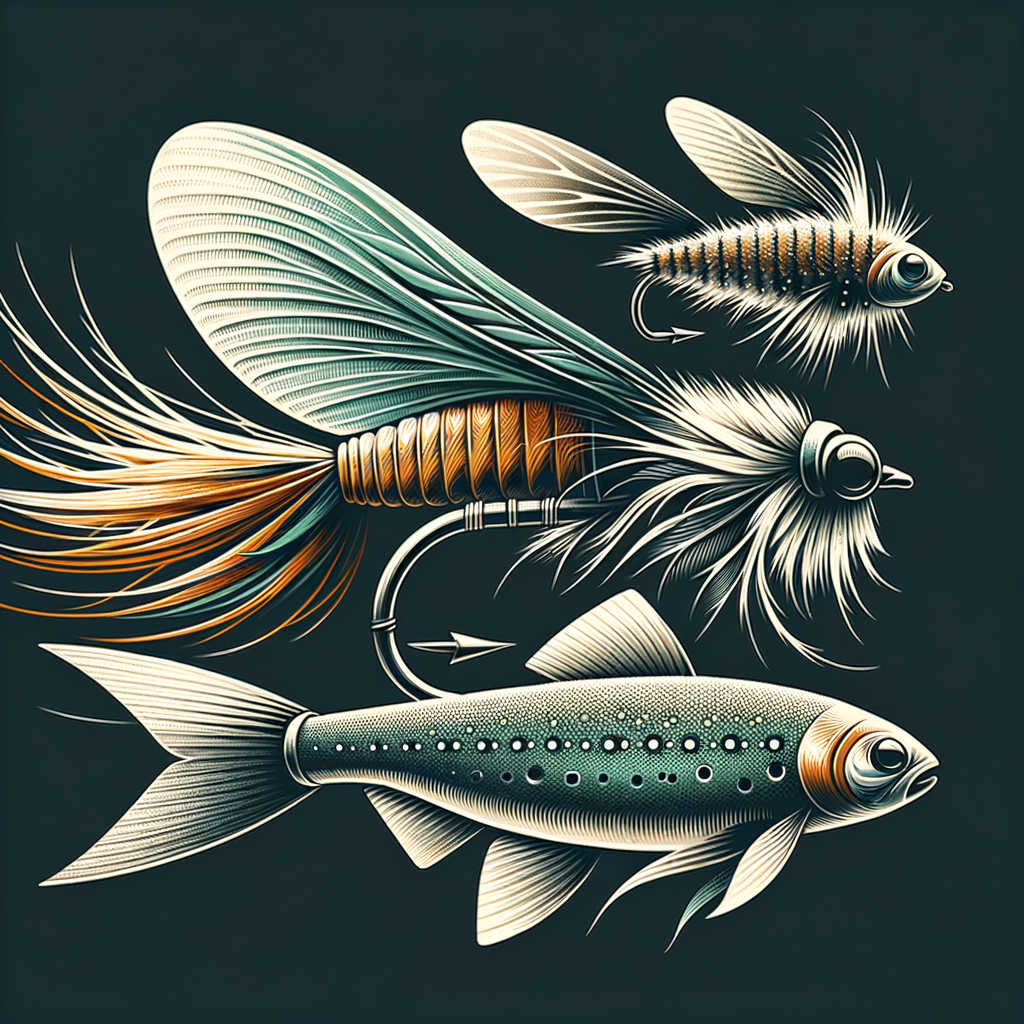
At the heart of fly fishing lies a particular beauty: the art of using artificial flies, crafted to resemble natural aquatic insects, as bait. Drawing fish to the surface with the skillful manipulation of these flies is both a science and an art, rewarding both the patient and the persistent. Fly fishing in Norway offers nuances unique to its waters, from the innovative techniques designed to tackle local fish species to the use of specific fly patterns that reflect the local aquatic life.
This article delves into various aspects of fly fishing in Norway, offering concrete tips and highlighting top destinations. Whether you’re a seasoned angler or a curious novice, understanding what makes this Northern European gem ideal for fly fishing can profoundly enrich your outdoor pursuits.
Top Fly Fishing Locations in Norway
Norway boasts a diverse range of fly fishing destinations, each with its distinct allure and challenges. These spots offer variety in terms of scenery, fish species, and fishing conditions.
River Gaula: Salmon Haven
River Gaula, situated in Trøndelag, is renowned worldwide as a premier destination for salmon fishing. Known for its remarkable runs of Atlantic salmon, the Gaula River attracts anglers from across the globe seeking the thrill of catching salmon that can weigh over 20 kilograms. The river’s varying currents and depths make it a fantastic choice for both novices and seasoned fly fishers.
What makes the Gaula particularly special is its strong commitment to conservation, ensuring that salmon runs remain healthy and robust. Specific areas along the river are designated for fly fishing, with regulations strictly enforced to promote sustainable practices. This strategy helps maintain its reputation as a salmon haven, offering anglers the dual reward of catching spectacular fish while contributing to conservation efforts.
Fly Fishing Techniques and Tactics in Norway
Effective fly fishing in Norway requires an understanding of local techniques and an appreciation for the unique characteristics of Norwegian waters. Employing the right tactics can significantly increase the chances of a successful outing.
Swinging the Fly for Salmon
The technique of swinging the fly is particularly effective in Norwegian rivers like the Gaula. This method involves casting the fly across the current and allowing it to swing downstream, mimicking the natural movement of aquatic insects. Anglers need to gently maneuver the rod, creating an enticing drift that attracts salmon.
This technique is favored because it covers significant water, increasing the likelihood of encountering active fish. Choosing the right fly is critical, with regional patterns often being more enticing to the local salmon. In the chilly waters of Norway, flies tied with vibrant colors such as chartreuse and orange are particularly effective.
Conservation Practices and Regulations
Preserving the natural beauty of Norway’s waters requires concerted efforts in conservation and adherence to regulations designed to protect aquatic ecosystems. Understanding these practices is crucial for anyone planning to fish in Norway.
Catch and Release: A Conservation Approach
Catch and release is a common practice across Norway, designed to ensure that fish populations remain healthy and sustainable. Anglers are encouraged to release their catch back into the waters, minimizing impact on fish stocks and supporting long-term conservation.
Regulations typically specify catch limits, permissible fishing seasons, and specific protected areas where fishing is prohibited. It is imperative for anglers to familiarize themselves with these rules before embarking on fishing trips. This approach not only contributes to the health of fish populations but also ensures the pristine condition of Norway’s waters for future generations.
Preparing for Your Fly Fishing Trip
Proper preparation can make your fly fishing trip to Norway both enjoyable and successful. This involves understanding weather conditions, selecting appropriate gear, and mastering local techniques.
Gearing Up: Essential Equipment
Success in Norway’s waters often depends on having the right gear. This includes fishing rods designed for specific fish species, reels built to withstand strong currents, and lines suitable for various water conditions. Flies are also crucial; the best choices often mimic local aquatic insects or stand out in the clear waters.
Dressing appropriately for the weather is equally important. With Norway’s variable climate, layered clothing helps to adapt to changing conditions rapidly. Waterproof outerwear and sturdy, high-quality wading boots can provide comfort for a full day spent in chilly water.
To enhance your trip’s success, considering guidance from local guides is advisable. They offer invaluable insights into the best fishing spots and techniques, making your adventure more efficient and enjoyable.
Below is a list of essential gear for fly fishing in Norway:
- Fly rod and reel suitable for the targeted fish species
- Variety of flies, including local patterns
- Breathable waders and waterproof jacket
- Polarized sunglasses for better visibility
- Tackle box and fly fishing vest for ease of access to tools
- Net and fly line appropriate for variable water conditions
- Hat, sunscreen, and insect repellent
Real-World Example: Etne River and Local Insights
The Etne River in Hordaland exemplifies the ideal fly fishing locale, combining accessibility with abundant fish populations. Known for its seasonal salmon and sea trout runs, the Etne River offers a scenic retreat with its lush surroundings and clear waters.
Local fishing clubs in the region provide resources for newcomers, offering tutorials and equipment rentals. Workshops frequently occur, teaching techniques like nymphing and dry fly presentations, which are particularly effective for catching trout.
A notable example is the annual Etne Fly Fishing Festival, where enthusiasts gather to share insights, skills, and discoveries. This event strengthens the community’s bond and fosters a collaborative spirit among anglers, providing opportunities to learn from experienced members.
Summary and Call to Action
In summary, fly fishing in Norway offers a unique blend of stunning landscapes and rich aquatic life. From the mighty salmon of Gaula River to the serene beauty of the Etne River, each destination provides memorable experiences. By mastering local techniques, respecting conservation practices, and preparing adequately, anglers can significantly enhance their trips’ success and enjoyment.
Fly fishing enthusiasts should consider Norway’s diverse and pristine waters as their next destination. Embrace the opportunity to explore this Northern European haven, and experience firsthand the tranquility and thrill that only fly fishing in Norway can provide. Your adventure awaits; start planning today!
Frequently Asked Questions
1. Why is Norway considered a top destination for fly fishing?
Norway is often hailed as a fly fishing paradise due to its stunning natural landscapes that provide an unparalleled backdrop for the sport. The country’s extensive network of rivers, lakes, and coastal waters are rich with fish species, making it a haven for anglers. The most prized catches include Atlantic salmon, sea trout, brown trout, and grayling, all of which are abundant thanks to Norway’s clean and well-preserved aquatic environments.
Additionally, Norway’s commitment to sustainable fishing practices ensures that fish populations remain robust, making it ideal for both amateur and seasoned fly fishers. The country also offers a variety of fishing experiences, from tranquil riverbanks and challenging mountain streams to expansive fjords, allowing anglers to choose settings that best match their skill levels and preferences.
2. What are the best times of year for fly fishing in Norway?
The peak fly fishing season in Norway generally runs from late May to September. During this period, the weather is more favorable, and fish activity is at its peak due to the increased daylight hours in this part of the world. Particularly, the midnight sun in northern regions offers a unique opportunity to fish around the clock.
Spring and early summer (May to June) are excellent for grayling and river trout fishing, as these species are known to be more active during this time. By mid-summer (June to July), Atlantic salmon begin their upstream journey, attracting anglers to renowned salmon rivers such as Gaula, Orkla, and Namsen.
Fall brings about another productive period, especially for sea trout, with September marking the end-of-season surge in bite activity as fish prepare for winter.
3. What equipment and gear should I bring for fly fishing in Norway?
When fly fishing in Norway, preparedness is key to ensuring a successful and enjoyable experience. Essential gear includes a quality fly rod and reel appropriate for the type of fish you’re targeting; typically, a 6 to 8 weight rod is versatile enough to handle salmon and trout fishing. You’ll need a selection of flies that mimic local prey, including nymphs, streamers, and dry flies.
Don’t overlook the importance of functional clothing suitable for Norway’s variable weather conditions. Layered, waterproof, and breathable options are recommended to keep comfortable. Waders are crucial, preferably with felt or rubber soles depending on the riverbed you’ll encounter. A good fishing vest, sunglasses with polarized lenses (for reducing glare and seeing under the water surface), and a hat are also recommended accessories.
Lastly, bringing a smartphone or a GPS device for navigation, along with a box of local maps, can further enhance your ability to explore Norway’s diverse fishing spots.
4. Are there any regulations or licenses required for fly fishing in Norway?
Yes, Norway has specific fishing regulations and requires anglers to obtain a fishing license. This is to preserve the country’s fish stocks and protect the natural environment. A national fishing card (Fiskeravgift) is mandatory for anyone aged 18 and over who plans to fish for salmon, sea trout, or Arctic char in freshwater. The card is generally available for purchase online or at local post offices.
Many regions in Norway also require additional local fishing licenses, which grant access to specific rivers and lakes. These can be purchased from local fishing associations or directly at fishing sites. Regulations may vary by region, such as catch limits and seasonal restrictions, so it is crucial to check and adhere to the rules in the area where you’ll be fishing.
5. Can you recommend some top fly fishing destinations in Norway?
Norway offers countless idyllic fly fishing locations that cater to different tastes and skill levels. One of the most famous spots is the River Gaula, often referred to as the “Queen of Norwegian Rivers.” It’s renowned for its bountiful salmon runs, making it a top choice for anglers worldwide. Another highly regarded destination is the River Orkla, known for its excellent salmon fishing opportunities amidst beautiful natural surroundings.
For those interested in an Arctic adventure, the Alta River in Northern Norway offers remarkable salmon fishing and the chance to catch trophy fish. Meanwhile, the Lærdal River, with its crystal-clear waters, is ideal for those seeking a more tranquil and picturesque experience.
For brown trout and grayling enthusiasts, the Hemsila River in Hemsedal provides exceptional conditions, characterized by its crystal-clear waters and scenic mountain backdrop. And not to forget the numerous fjords along the coastline, offering a variety of species and the unique experience of sea fly fishing.
These destinations are just the tip of the iceberg when it comes to fly fishing adventures in Norway, underpinning the country’s reputation as a top-choice location for the sport.