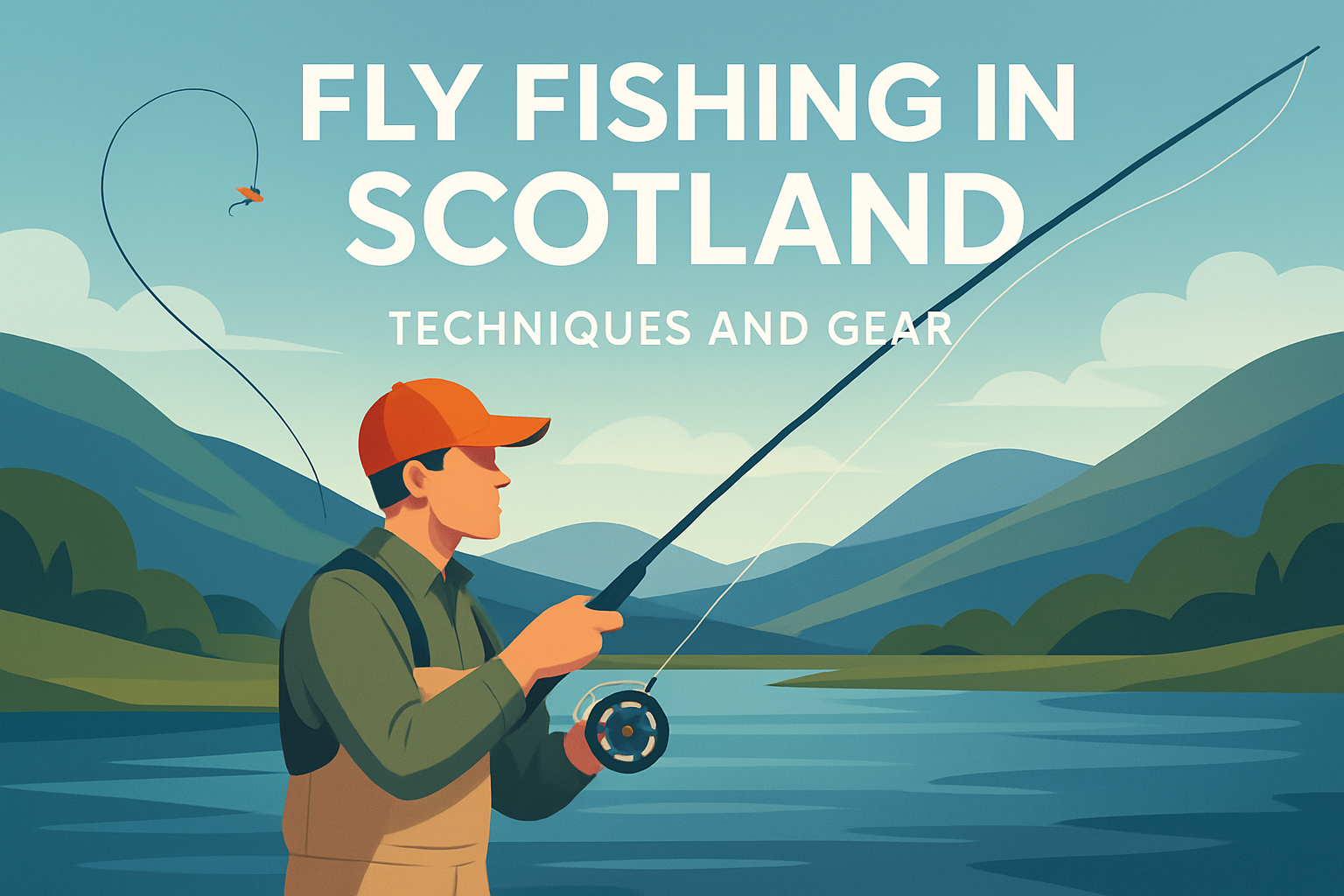
Fly fishing in Scotland is more than just an angler’s pastime; it’s a rich tradition set against the backdrop of breathtaking landscapes. Known for its serene lochs and bustling rivers, Scotland presents a myriad of opportunities for enthusiasts seeking the thrill of fly fishing. In this article, we will delve into the essential techniques and gear that one needs to engage in this sport successfully. Our exploration covers casting maneuvers, selecting suitable fly patterns, and understanding the unique environment that Scotland offers. Fly fishing isn’t merely about catching fish; it embodies a deeper connection with nature, one that requires patience, knowledge, and respect for the ecosystem. By mastering this art within the Scottish terrain, anglers not only enhance their skills but also engage with one of the world’s most enchanting fishing locations.
Understanding Casting Techniques
Casting is the foundation of fly fishing, and mastering this skill sets you on the path to success. In Scotland, various rivers and lochs present different challenges that necessitate adapting your casting techniques. The most common styles are the overhead cast, roll cast, and spey cast. Let’s explore each in detail.
The overhead cast is the primary technique most beginners start with. It involves a fluid motion that allows the angler to cast the fly line straight into the water. For example, when casting at the famous River Tweed, an angler might use an overhead cast to reach trout hiding under an overhanging branch.
For situations where backcasting space is limited, such as in the dense foliage surrounding Loch Leven, a roll cast becomes advantageous. This technique eliminates the need for ample room behind you, making it ideal for fishing in crowded environments.
Spey casting, native to the River Spey in Scotland, offers a more advanced yet incredibly useful method in larger, fast-flowing rivers. It allows the angler to cover extensive areas of water without overhead casting. Often utilized by salmon fishers seeking to target fish along wide stretches, spey casting minimizes effort while maximizing reach.
Selecting the Right Gear
Choosing the right gear is crucial for fly fishing success in Scotland. The basic gear includes a rod, reel, line, leaders, tippets, and flies. But it’s not merely about having the equipment; it’s about selecting gear suited to the Scottish environment.
- Rods: For trout fishing in a loch, a 9-foot, 5-weight rod is standard. Meanwhile, salmon fishing in larger rivers like the Tay might require a 15-foot spey rod.
- Reels and Lines: Ensure your reel matches the rod’s weight and is capable of holding sufficient backing for long runs, especially for salmon. A floating line typically suffices for most Scottish waters.
- Leaders and Tippets: These should be selected based on the fish you’re targeting. For example, a 5x leader would be appropriate for trout, while larger game like salmon requires a stronger, say 10-pound test leader.
- Flies: Mimicking local insects found around Scottish waters through fly selection can dramatically improve catch rates.
Moreover, don’t overlook the importance of proper waders and boots to navigate wet, slippery environments comfortably.
Understanding Fly Patterns
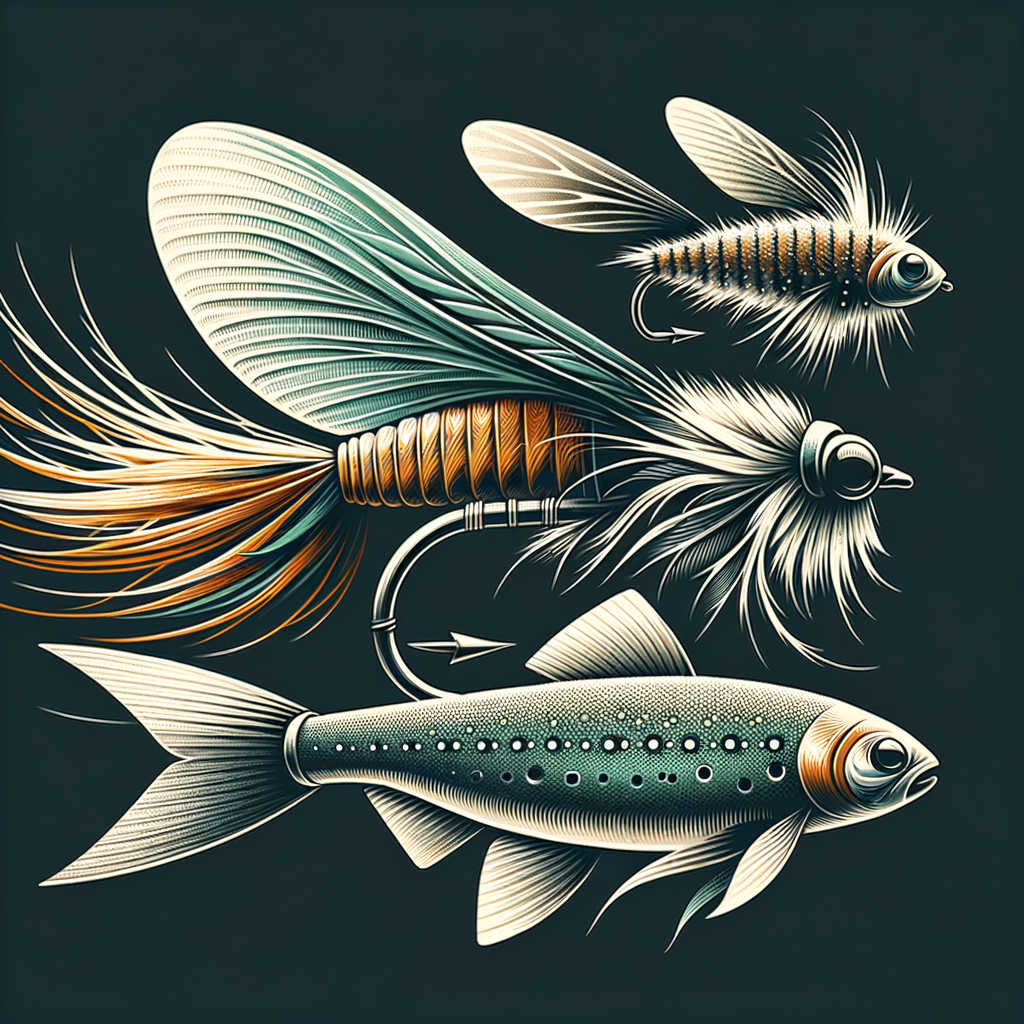
In Scotland, selecting the appropriate fly can be the key to a successful fishing trip. Various fly patterns imitate insects, baitfish, or even attract fish through bright colors and movement.
Dry flies are popular when trout are feeding on the surface, mimicking insects. For instance, the “March Brown” is a classic Scottish fly pattern effective in spring months. During this time, rivers like the Dee are teeming with feeding trout responding to various hatches.
Nymphs work best when fish are feeding below the surface. The “Pheasant Tail” nymph is renowned among Scottish anglers for enticing river trout, especially when natural insects are scarce.
For those pursuing the mighty Atlantic salmon, the “Willie Gunn” and “Cascade” are iconic in Scottish waters, often outperforming other patterns in clarity and color.
| Fly Type | Use | Scottish Examples |
|---|---|---|
| Dry Flies | Surface feeding trout | March Brown |
| Nymphs | Subsurface feeding trout | Pheasant Tail |
| Salmon Flies | Atlantic Salmon | Willie Gunn, Cascade |
Reading Scottish Waters
An essential skill in fly fishing is understanding how to read water. This ability determines where fish are likely to be, and how best to approach the cast. In Scotland, where waters can vary drastically within short distances, this skill becomes even more crucial.
For example, fish are often found in riffles, runs, and pools. In the fast-flowing Tay, riffles provide oxygen-rich environments where fish might feed. Conversely, fish in the River Clyde might seek deeper pools during mid-day for cooler temperatures.
Reading rise forms—where a fish breaks the surface to feed—can indicate what type of fly to use. A subtle ripple might suggest small emergers, making delicate patterns essential, while splashier rises could signify more aggressive feeders, complementing larger, robust flies.
Respecting Conservation Efforts
No discussion about fly fishing in Scotland would be complete without mentioning conservation. Scotland’s waters are not only beautiful but are home to diverse, delicate ecosystems that require protection. Anglers are encouraged to practice catch and release, particularly with species like salmon to help maintain their populations.
Furthermore, adhere to local guidelines and seasonal restrictions designed to protect fish during crucial spawning periods. Participation in conservation groups or projects can further enhance the fly fisher’s commitment to preserving Scotland’s natural beauty.
Conclusion and Next Steps
Fly fishing in Scotland promises a unique and rewarding challenge for both novice and seasoned anglers. By mastering casting techniques, choosing the right gear, understanding fly patterns, reading the waters, and respecting conservation efforts, you can elevate your fly fishing experience to new heights. Scotland’s lochs and rivers offer an unparalleled backdrop for refining your skills and connecting with nature.
With these tools and understanding, you are poised to embark on fly fishing adventures across Scotland’s iconic waterways. Whether it’s catching your first trout on River Tay or witnessing a breathtaking sunrise over Loch Leven, the next step is simple: pack your rod, choose your preserve, and immerse yourself in the tranquil beauty of Scotland’s fishing landscape. The fish are waiting, and the experience of a lifetime is just a cast away.
Happy fishing and may your lines always be tight!
Frequently Asked Questions
1. What are the basic fly fishing techniques used in Scotland?
Fly fishing in Scotland often involves techniques that vary based on the water type, target fish species, and prevailing weather conditions. A popular technique is the Spey casting, named after the River Spey, which is great for big rivers and when space for a backcast is limited. This graceful two-handed casting method allows the angler to fish effectively in both narrow and wide bodies of water, adapting to the diverse Scottish landscapes.
The roll cast is another technique commonly used when fishing in tight quarters or when your back is against a bush or embankment, which is quite common on Scotland’s rugged riverbanks. Another look into Scottish fly fishing reveals the double haul cast, which is essential for casting against the prevalent winds often found in Scotland. It allows anglers to increase the distance and accuracy of their cast by swiftly pulling on the line to increase speed, offering a solid advantage in open and breezy lochs.
2. What type of gear is needed for fly fishing in Scotland?
In Scotland, the gear you choose will greatly influence your fishing experience and success. The quintessential fly rod for Scotland is typically in the range of 9 to 14 feet, depending on the water you’re fishing. For small rivers, a 9-foot rod works well, but the larger rivers, like the mighty Tay or Tweed, often demand a longer, Spey rod to handle the breadth and power of the river.
The reel, matched to the size and weight of the rod, is crucial for maintaining balance. A high-quality reel with a smooth drag system can be a lifesaver when you hook a strong Scottish salmon known for putting on a hard fight. Line selection typically includes floating and sinking lines, with the choice often dependent on the conditions and the depth at which fish are feeding. Always ensure you have a range of lines to adjust your fishing technique to the environment.
Additionally, waders and boots are essential, keeping you dry and safe as you navigate the sometimes harsh Scottish climates and terrains. A good fly box loaded with locally favoured fly patterns will be your creative toolbox, as having the right imitation can be the difference between a good day and a great day in Scotland’s rich waters.
3. Which fly patterns are most suitable for Scottish waters?
Fly patterns in Scotland are as storied as the landscapes themselves, with some patterns virtually synonymous with the country’s angling heritage. The famous “Blue Charm” is a staple for salmon fishing—its simple yet effective design harks back to centuries of Scottish fishing traditions.
For trout, the “March Brown” and “Greenwell’s Glory” are timeless classics, their effectiveness owing much to their capacity to mimic the natural entomology found in Scotland’s lochs and rivers. On calmer days when trout and salmon are feeding closer to the surface, a well-presented dry fly like the “Clan Chief” can be irresistible to the fish.
However, the true art lies in the angler’s ability to adapt and observe what flies are naturally present or emerging in and around the water to select or even tie their own patterns that will best mimic the local hatch.
4. When is the best time of year to fly fish in Scotland?
The beauty of fly fishing in Scotland is its seasonal bounty, with each time of year offering different opportunities and challenges. Traditionally, the salmon fishing season starts in January and runs through October, peaking in the spring and autumn months as salmon return from the sea to spawn. These are the golden times to land that trophy-sized salmon.
Trout fishing varies, commencing in March and closing by October. Early season can be incredible as fish feed ravenously after the lean winter months, whereas midsummer’s long daylight hours allow for beautiful evening sessions as insects become more abundant.
For novice and seasoned anglers alike, it is wise to research specific rivers and lochs as the optimal fishing times can slightly differ based on local microclimates and conditions. Consulting local guides or ghillies is also an excellent way to gather valuable inside information.
5. Do I require any special permits or licenses for fly fishing in Scotland?
Indeed, fly fishing in Scotland demands a respectful adherence to local laws and customs, chiefly the acquisition of appropriate licenses and permits. Unlike many places, rod licenses are not required, but you do need permission to fish as most waters are privately owned.
To fish for salmon, sea trout, and brown trout, obtaining the correct permits or “fishing rights” from the relevant landowners or angling clubs is crucial. These can usually be purchased in advance on online platforms or on the day in nearby towns and tackle shops. Remember, adherence to catch and release policies especially during certain months and complying with individual water’s rules for hooks and bait is necessary to preserve the sustainability of the fish populations for future generations.
Given the vast number of rivers and lochs, rules and requirements can vary vastly, so it’s a smart move to read up on the local regulations or employ the services of a local guide who can navigate the specifics of each location and ensure your fly fishing forays remain lawful and enjoyable.