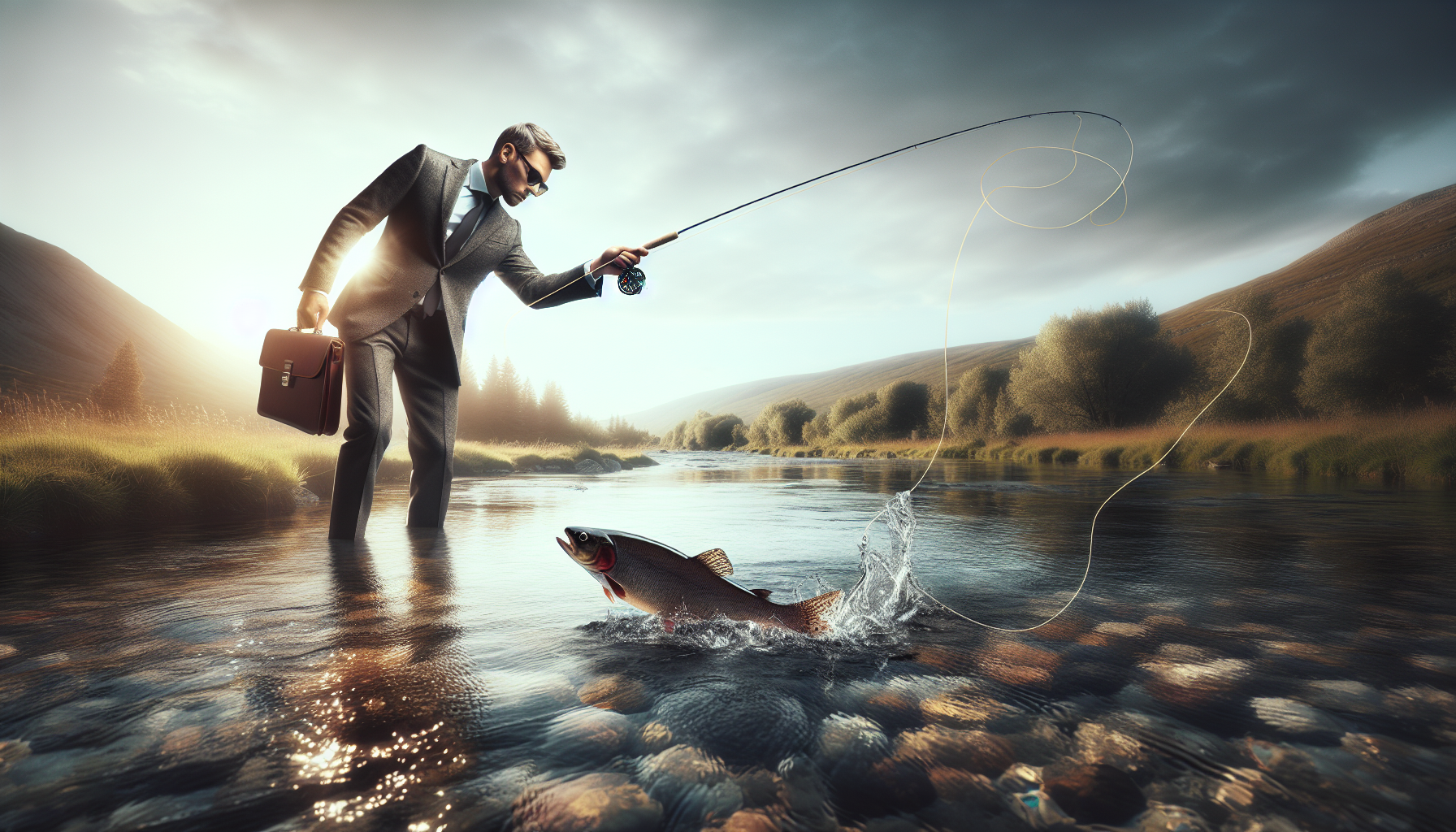
Ethical behavior in fly fishing protects fish populations, preserves access to fragile waters, and shapes the reputation of anglers more than any rod, reel, or casting skill ever will. In practical terms, ethical fishing practices are the choices anglers make when no regulation officer is present: how they approach a run, handle a trout, respect another angler’s space, follow local rules, and weigh personal success against long-term stewardship. I have spent enough days on crowded tailwaters, spring creeks, mountain freestones, and warmwater rivers to know that ethics are not abstract ideals. They show up in the seconds before a hookset, during fish handling, at the boat ramp, in parking areas, and in the decision to walk away when conditions make fishing harmful.
For a hub article under conservation and ethics, the importance of ethical behavior in fly fishing starts with a simple truth: legality is the minimum standard, not the complete one. A river can be open by law and still fish poorly because of extreme heat, low dissolved oxygen, spawning activity, or intense pressure. A technique can be technically legal and still create unnecessary mortality. An angler can stay within a creel limit and still damage habitat by trampling redds, crowding other anglers, or moving invasive species between waters. Ethical fishing practices fill the gap between what is allowed and what is responsible.
That matters because fly fishing depends on public trust and ecological restraint. Trout, salmon, grayling, bass, panfish, carp, and saltwater species all experience stress from capture. State agencies, tribal authorities, nonprofits such as Trout Unlimited, and watershed groups invest heavily in habitat restoration, water quality monitoring, and public access. Those gains can be undermined quickly if anglers treat fisheries as disposable. Ethical behavior in fly fishing helps maintain healthy fish populations, reduces conflict on the water, supports conservation funding, and keeps the sport aligned with the landscapes and communities that make it possible.
At its best, ethical fly fishing means fishing with restraint, humility, and ecological awareness. It includes selective harvest where appropriate, careful catch and release, respect for spawning fish, low-impact wading, proper gear choices, honest reporting, and courtesy toward landowners and other river users. As the hub for ethical fishing practices, this article explains the standards that matter most, why they matter biologically and socially, and how anglers can apply them consistently in real conditions rather than only in theory.
Why ethical fishing practices matter for fish, fisheries, and access
Ethical behavior matters first because fish are not unaffected by catch and release. Research published by fisheries agencies and peer-reviewed journals consistently shows that mortality varies by species, water temperature, fight time, hook location, and handling method. Trout released quickly in cool water with barbless hooks often survive at high rates, but that does not mean every release is harmless. Mortality can rise sharply during warm-water periods, after deep hooking, or when fish are overplayed on undersized tackle. In my own fishing, the biggest ethical shift came when I stopped asking only, “Can I land this fish?” and started asking, “What condition will it be in when I let it go?”
Ethics also protect habitat. Wading through spawning beds can crush trout or salmon eggs buried in clean gravel. Bank erosion worsens when anglers create unofficial trails, drag boats over vegetated edges, or repeatedly enter the same soft bank. Felt soles, wading boots, anchors, nets, and boats can transport invasive organisms such as didymo, New Zealand mudsnails, and whirling disease spores. Ethical anglers reduce these risks by learning seasonal biology, using established access points, and cleaning gear thoroughly between waters.
The social side is just as important. Fly fishing access often depends on private land tolerance, public goodwill, and local economic support. One trespassing incident, one blocked gate, one social media post revealing a fragile small stream, or one argument in a crowded run can damage relationships that took years to build. Rivers are shared spaces. Ethical conduct signals that anglers understand their presence has consequences beyond their own day’s catch count.
Fish handling, tackle choices, and catch-and-release standards
The most immediate expression of ethical fly fishing is how an angler captures and releases fish. Best practice begins before the cast with sensible tackle selection. Rods and leaders should match the species and current so fish can be landed efficiently. Using a 3-weight on large summer steelhead or oversized carp may feel sporting, but prolonged fights increase exhaustion and lactic acid buildup. Rubberized landing nets, barbless hooks, and strong tippet reduce injury and shorten handling time. Many anglers pinch barbs even where not required because it speeds release and lowers tissue damage.
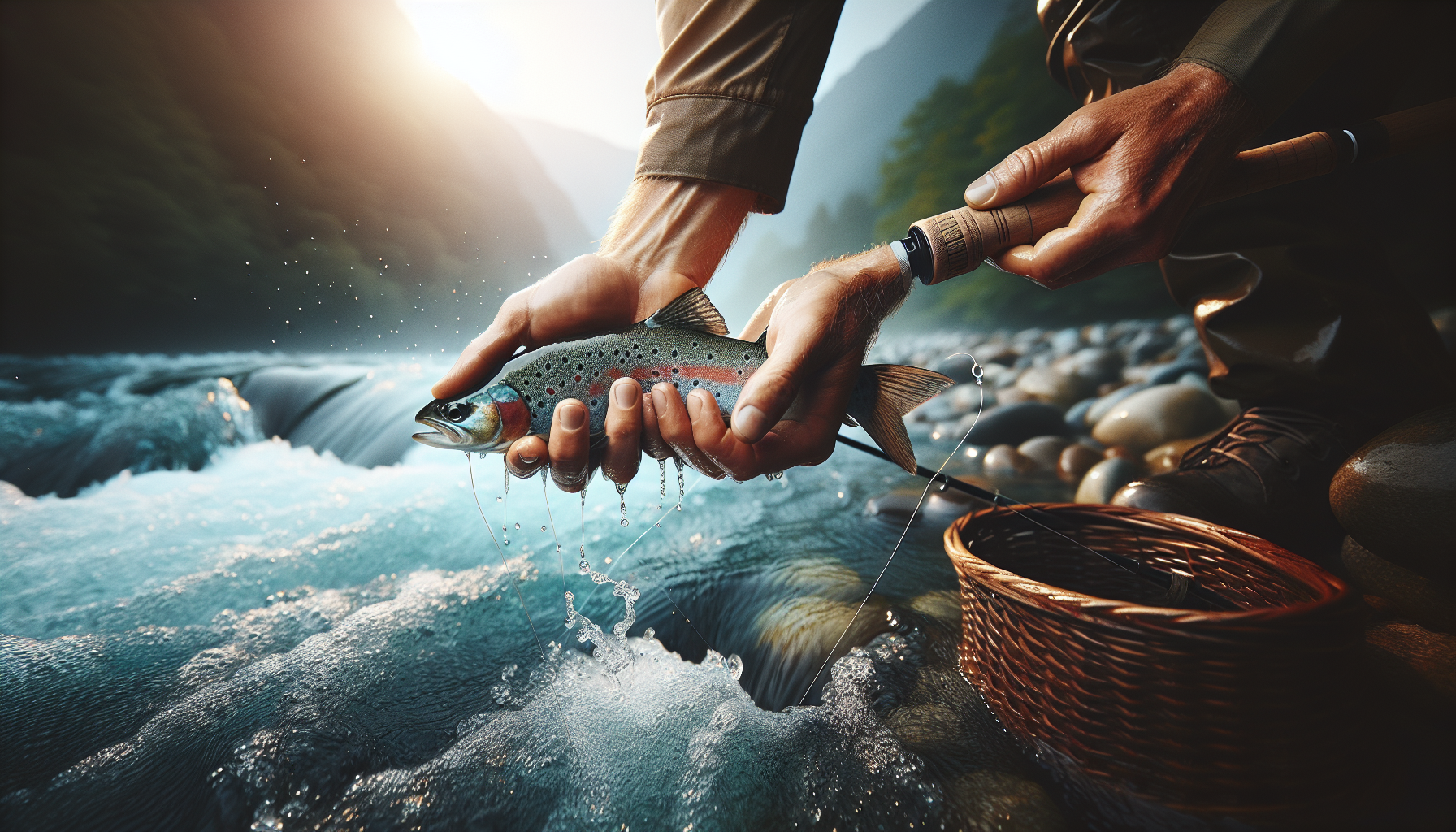
Once a fish is hooked, pressure matters. Keeping steady side pressure usually lands fish faster than holding the rod high and letting them run repeatedly. After landing, fish should remain in the water whenever possible. Wet hands before touching them, avoid squeezing the abdomen or gills, and support the fish horizontally. Photos should be quick and deliberate: camera ready, fish lifted briefly, then back into current. If a fish cannot maintain balance at release, hold it upright facing moderate current until it recovers, but do not force water through the gills by pushing it back and forth.
Hook placement affects outcomes. Fish hooked in the jaw generally fare better than fish hooked deep in the throat or gills. If a fish is deeply hooked, cutting the tippet close is often safer than tearing tissue to remove the hook. Ethical anglers accept the lost fly. They do not prioritize gear recovery over fish survival.
| Practice | Better Choice | Why It Matters |
|---|---|---|
| Playing fish on light tippet for long periods | Use appropriately strong tippet and firm pressure | Reduces exhaustion and post-release mortality |
| Using treble or heavily barbed hooks where legal | Use single, barbless hooks | Limits tissue damage and speeds release |
| Lifting fish onto dry rocks or boat decks | Keep fish in water or over a rubber net | Protects slime coat, fins, and internal organs |
| Extended photo sessions | Prepare camera first and keep air exposure minimal | Improves survival, especially in warm water |
| Fishing through obvious heat stress | Stop or fish early in cool conditions | Avoids compounding low oxygen and temperature stress |
Selective harvest also belongs in an ethical framework. In some waters, keeping legal fish can be biologically acceptable or even encouraged, especially where managers seek balanced age classes or where hatchery fish are stocked for harvest. In other waters, wild fish need maximal protection. Ethical anglers know the management objective for the river they are fishing and align their actions with it rather than applying one rigid rule everywhere.
Respecting seasons, spawning fish, and environmental conditions
One of the clearest tests of ethical behavior is whether an angler stops when conditions say stop. Trout and salmon become vulnerable during spawning seasons, when they occupy shallow gravel redds that are easy to see in clear water. Fishing to actively spawning fish may be legal in some places, but targeting them disrupts reproduction and invites conflict. Even wading near redds can kill eggs that will never be visible from the surface. The ethical standard is straightforward: identify redds, give them a wide berth, and avoid casting to paired fish engaged in spawning behavior.
Temperature is another major factor. Many trout anglers now carry stream thermometers because water above roughly 68 degrees Fahrenheit can sharply increase stress for coldwater species, though exact risk varies by system and dissolved oxygen. On difficult summer days, ethical anglers fish dawn windows, move to cold tributaries only where access and regulations allow, target warmwater species instead, or stay home. That choice is frustrating, but it reflects stewardship rather than entitlement.
High water and low water require the same judgment. In flood conditions, fish may be stressed, displaced, or using soft refuge water where repeated pressure is harmful. In ultra-low clear water, fish become concentrated and highly vulnerable. A good rule I follow is that if fish have no real refuge and every angler can reach them easily, restraint is part of ethical fishing practice.
Courtesy, crowding, and river etiquette
Ethics in fly fishing are not only about fish; they are about people sharing limited space. Crowding ruins experiences and often creates unsafe conditions. On popular rivers, especially drift boat fisheries and famous wade runs, etiquette is a form of conservation because it reduces conflict and prevents the race-to-the-bottom mindset that pushes anglers into aggressive behavior. Basic standards are well known but often ignored: do not low-hole another angler, do not step into water directly above someone already working downstream, do not anchor in a run another boat is fishing, and do not cut through a pool to reach the head if others are covering it methodically.
Communication prevents many problems. A simple question at the access point—“Which direction are you working?”—can save an hour of resentment later. If someone is fighting a fish, reel up and give room. If you arrive at a crowded beat, consider a different section instead of forcing your way in. On small streams, stealth and spacing matter even more because one careless approach can spoil water for everyone upstream.
Ethical etiquette extends to digital behavior. Geotagging sensitive waters, posting recognizable landmarks from fragile small streams, or broadcasting the exact location of a limited fishery can multiply pressure overnight. I have watched overlooked stretches become crowded within a season after viral exposure. Sharing techniques, hatches, and conservation concerns is useful; broadcasting vulnerable locations often is not. Responsible anglers think about the carrying capacity of a fishery before they post.
Land access, local rules, and stewardship beyond the catch
Every ethical angler should understand that access is rarely guaranteed forever. Many excellent fly fishing waters cross a patchwork of public land, private property, easements, tribal lands, and special regulations. Fences, signs, and parking restrictions are not suggestions. Trespass disputes can close informal access routes and harden local attitudes toward visiting anglers. Closing gates, parking without blocking farm traffic, packing out monofilament and tippet clippings, and thanking landowners or volunteer groups are small acts with outsized effects.
Stewardship also means following local rules with precision. Special regulation waters may require artificial flies only, single-hook lures, seasonal closures, or mandatory release of wild fish while allowing harvest of hatchery fish identified by a clipped adipose fin. Ethical anglers read the current regulations before every trip because rules change, emergency closures happen, and assumptions lead to violations. The responsible standard is preparation, not excuses.
Beyond compliance, anglers can support fisheries directly. Buying licenses and stamps funds management. Volunteering for river cleanups, streambank planting days, and invertebrate surveys helps local watersheds. Reporting poaching, illegal dumping, fish kills, or barrier problems gives agencies information they may not otherwise receive quickly. Joining organizations focused on access and habitat can turn individual concern into measurable results. In my experience, anglers who participate in restoration gain a sharper sense of restraint on the water because they see how much work it takes to repair damage that a few careless actions can cause.
Building an ethical mindset that lasts
Ethical behavior in fly fishing becomes durable when it is treated as a habit, not a slogan. The practical checklist is simple: know the regulations, understand the fishery’s management goals, match tackle to conditions, minimize fight time, keep fish wet, avoid spawning fish and redds, monitor water temperature, give other anglers space, respect private property, clean gear between waters, and think carefully before sharing locations online. None of these steps is complicated. The challenge is applying them consistently when the fish are feeding, the river is crowded, or a memorable photo feels tempting.
The reward for ethical fishing practices is larger than individual satisfaction. Healthier fish survive to spawn or be caught another day. Access remains open because landowners and local communities see anglers acting responsibly. New fly fishers learn standards worth copying instead of shortcuts that degrade fisheries. Most important, ethical behavior keeps fly fishing connected to conservation rather than consumption. If you want to improve as an angler under the broader conservation and ethics umbrella, start here: audit your own habits, fix the weak spots, and make every trip leave the water better protected than you found it.
Frequently Asked Questions
Why is ethical behavior so important in fly fishing if many waters already have rules and regulations?
Rules set the minimum standard, but ethics define how anglers behave when nobody is watching. That distinction matters because fish populations, stream health, and public access are influenced just as much by everyday decisions as they are by posted regulations. An angler can technically follow the law and still fish in a way that stresses trout unnecessarily, crowds other people, damages habitat, or creates conflict on the water. Ethical behavior fills the gap between what is legal and what is responsible.
In fly fishing, the cumulative effect of small choices is enormous. Handling fish gently, keeping them in the water, avoiding repeated catches of exhausted trout during extreme heat, and giving other anglers room all help protect the resource over time. Ethical anglers also understand that their conduct shapes how landowners, non-anglers, and local communities view the sport. Access can be lost not only because of habitat issues, but because of disrespectful behavior, trespassing, litter, and confrontations. In that sense, ethics are not a soft extra layered on top of fishing skill; they are central to whether fly fishing remains sustainable, respected, and available for future generations.
What are the most important ethical catch-and-release practices in fly fishing?
Ethical catch-and-release begins long before the fish is landed. It starts with using appropriate tackle so fish can be brought in efficiently rather than played to exhaustion. Overly light tippet on strong fish may seem sporting, but in many situations it increases fight time and reduces the fish’s chance of recovery. Anglers who prioritize fish welfare also choose hooks and flies with release in mind, pinch barbs when appropriate, and pay attention to water temperatures, seasonal stress, and species-specific vulnerability.
Once a fish is hooked, the goal should be a quick, controlled landing followed by minimal handling. Wet hands before touching the fish, support it gently, avoid squeezing, and keep it in the water whenever possible. The protective slime coat on trout and other fish is not a minor detail; it is part of the animal’s defense against infection. Dragging fish onto rocks, dry hands, nets with rough mesh, or extended photo sessions can do real damage even if the fish swims away. A fish that leaves your hand is not automatically a fish that survives.
Ethical anglers also know when not to fish. During periods of high water temperatures, low flows, spawning activity, or obvious fish stress, the most responsible choice may be to stop targeting a species entirely. Catch-and-release is only ethical when release is likely to be meaningful. If conditions make post-release mortality more probable, restraint becomes part of stewardship. That mindset reflects a deeper understanding of ethics in fly fishing: the objective is not simply to avoid keeping fish, but to reduce avoidable harm while preserving the long-term health of the fishery.
How should fly anglers handle space, etiquette, and crowding on popular rivers?
Respecting space is one of the clearest signs of ethical behavior in fly fishing, especially on crowded tailwaters, drift boat corridors, and heavily fished public access points. Even when no written rule defines exact distance, anglers are expected to read the water, observe who is already fishing a run, and avoid cutting in above, below, or directly across from someone in a way that disrupts their drift or swing. A productive seam does not become available just because there is no sign posted over it. First presence matters, and so does common courtesy.
Good etiquette begins with communication. If there is any doubt, ask before stepping into a run, crossing behind someone, launching into a known line, or anchoring near bank anglers. Most conflict on the water comes from assumptions, not from malicious intent. A quick conversation can prevent crowding, overlapping casts, and the frustration that follows. Ethical anglers do not low-hole others, leapfrog spots aggressively, or pressure fish that another person is clearly working toward. They recognize that everyone came to the river for more than a numerical result; the experience itself matters.
There is also a stewardship dimension to etiquette. Crowding concentrates pressure on fish, increases repeated hook-ups in small areas, and erodes the quality of the fishery for everyone. On fragile waters, trampling banks, wading through spawning areas, or pushing through side channels simply to gain an advantage can do lasting damage. Ethical anglers think beyond immediate opportunity and ask whether their presence, positioning, and movement preserve the river experience and resource for others. In practice, that often means yielding water, moving on, fishing less aggressively in tight quarters, and choosing patience over entitlement.
What does it mean to respect access, landowners, and local waters while fly fishing?
Respecting access means understanding that the privilege to fish a place can be far more fragile than it appears. Public rivers may cross private land, trailheads may depend on informal parking tolerance, and long-standing access customs can disappear quickly when anglers behave carelessly. Ethical fly fishers learn the legal boundaries of the waters they fish, honor property lines, use designated access points, close gates, stay on established paths where required, and never assume that “everyone does it” is the same as permission. Trespassing, even casually, can damage relationships that took decades to build.
Respect also includes how anglers physically move through the landscape. Avoid driving on soft shoulders, blocking ranch roads, leaving trash, cutting fences, trampling streamside vegetation, or creating unnecessary side trails to the water. Riparian areas are often ecologically sensitive, and repeated foot traffic can contribute to bank erosion and habitat loss. Ethical behavior means leaving access points cleaner than you found them and recognizing that your conduct may influence whether the next person is welcomed or turned away. Landowners and local communities notice patterns, and one bad interaction can outweigh many quiet, respectful visits.
On local waters, respect extends to following not just the letter but the spirit of regulations. That means observing seasonal closures, gear restrictions, sanctuary zones, and spawning protections even when enforcement seems unlikely. It also means paying attention to local norms developed through experience, such as avoiding redds, limiting pressure during low flows, or giving wide berth to vulnerable fish in clear conditions. Ethical anglers understand that access and conservation are linked. When people treat water, habitat, and neighboring property with care, fisheries remain healthier and opportunities remain open. When they do not, closures, restrictions, and conflict become much more likely.
How can ethical behavior in fly fishing influence conservation and the future of the sport?
Ethical behavior is one of the most practical forms of conservation because it turns values into repeated action. Habitat restoration, science, regulation, and advocacy all matter, but the day-to-day choices of anglers directly affect fish survival, stream condition, and public trust. When anglers avoid stressing fish in poor conditions, report violations, respect closures, support access protections, and model good fish handling, they reduce pressure on already vulnerable systems. Those actions may seem small in isolation, but across seasons and across thousands of anglers, they shape the resilience of fisheries.
Ethics also influence who feels welcome in the sport and how fly fishing is perceived from the outside. A community known for courtesy, stewardship, humility, and respect for wild places tends to attract people who want to contribute positively. A community known for ego, crowding, social-media-driven mishandling of fish, and disregard for access tends to alienate newcomers, strain local relationships, and undermine its own credibility when conservation debates arise. In other words, ethical behavior is not just about protecting fish; it is about protecting the culture around fishing.
For the future of fly fishing, that cultural piece is critical. The sport depends on healthy water, continued access, and a shared sense that the resource is worth more than a single day’s success. Ethical anglers pass that standard on by example: teaching beginners to avoid redds, to give others space, to value restraint, and to treat fish as living resources rather than props. When ethics become normal rather than exceptional, conservation becomes stronger, conflicts decrease, and the sport remains rooted in stewardship instead of simple extraction or status. That is why ethical behavior matters so deeply in fly fishing: it protects the fish, the water, the access, and the integrity of the sport itself.