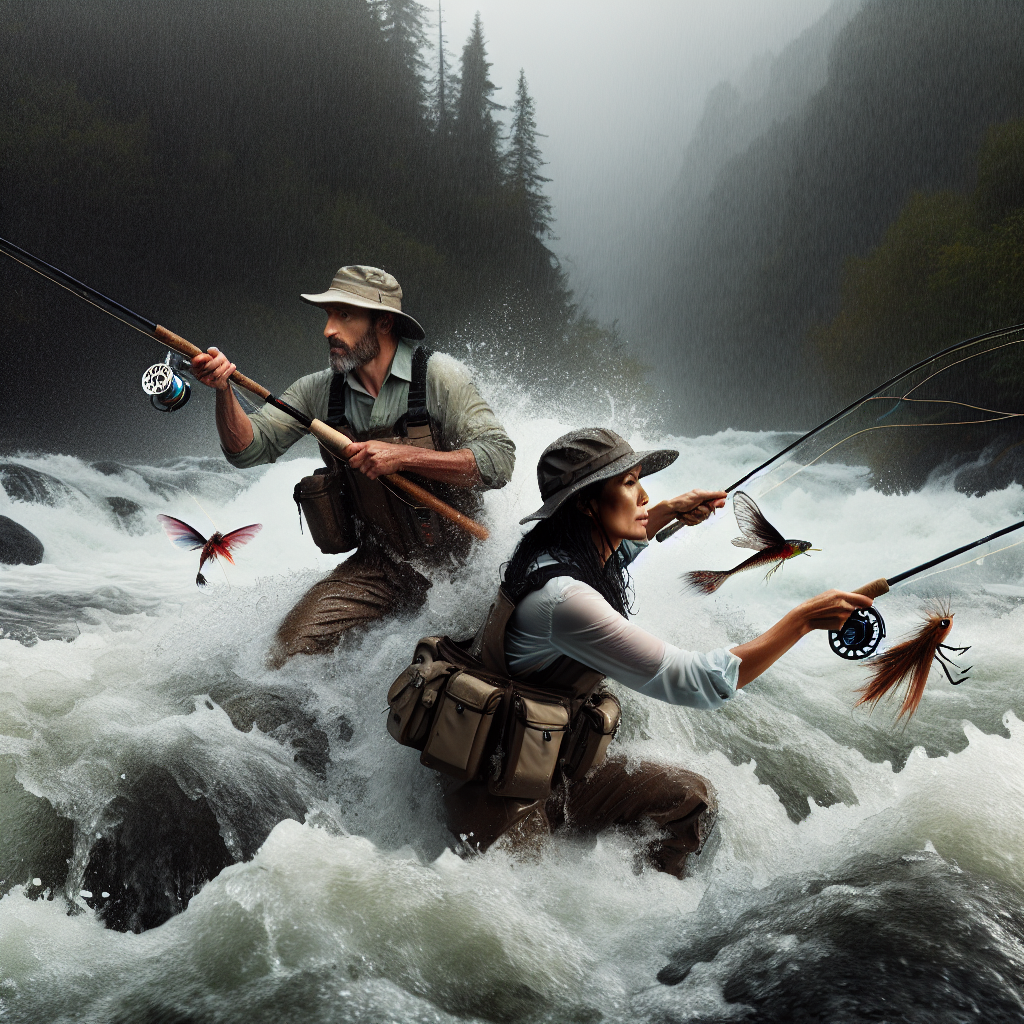
When it comes to fly fishing, the unpredictable nature of weather can often present a unique set of challenges, particularly when dealing with high water conditions. Whether due to heavy rainfall, snowmelt, or dam releases, high water can completely alter the dynamics of your fishing environment. Instead of a frustrating hindrance, treating high water conditions as an opportunity allows you to refine your skills and adapt your strategies for success. In this article, we will delve deep into the essentials of fly fishing in high water—techniques, strategies, and gear adjustments that can significantly enhance your fishing endeavors during these times.
High water can transform a serene stream into a torrent, submerging familiar landmarks and creating new currents and hiding spots for fish. Understanding how these changes impact fish behavior and learning to adjust your approach accordingly are integral components of becoming a more versatile and successful angler.
Through this article, we will cover a range of topics, from selecting the right gear and flies to understanding the altered habitats and feeding patterns of fish. By equipping yourself with this knowledge, you’ll be well-prepared to tackle high water conditions with confidence and competence.
Let’s dive in and explore how you can turn this challenging situation into an advantage, discovering the rewarding experience of fly fishing in high water.
Adjusting Your Gear
Fishing in high water often necessitates modifications to your standard fly fishing gear. High, fast-moving waters mean greater resistance and require sturdier and more reliable equipment. Here are some crucial considerations for your gear setup:
1. Rod Selection: Choose a rod with a stiffer action that can handle heavy lines and larger flies. A 6-8 weight rod is generally more suitable for high water conditions because it provides better control and ability to cast heavier rigs.
2. Lines and Leaders: In high water, sinking lines or sink-tip lines are often a better choice than floating lines, as they help your flies to reach the desired depths more efficiently. Additionally, use shorter leaders—about 7 to 9 feet—to maintain control over your presentation, while ensuring they are robust enough to handle strong currents.
3. Fly Patterns: Larger, more visible fly patterns are critical in murky, fast-moving water. Streamers and nymphs in bright colors or with added flash can grab the attention of fish more effectively.
4. Waders and Boots: Safety is paramount in high water. Use sturdy waders and boots with good traction. Felt-soled boots or studded rubber soles provide better grip on slippery riverbeds.
Reading the Water
High water changes the layout of a river or stream, making it imperative to understand how these alterations affect fish behavior and positioning. Here are some tips on reading high water:
1. Slower Sections: Fish often seek refuge in slower sections of the river to conserve energy. Look for areas where the current slows down, such as behind large rocks, in eddies, or near the banks.
2. Depth and Structure: Fish tend to move to deeper water during high flows. Focus on deep pools and runs where fish can find shelter from the strong currents. Submerged structures like fallen trees or large boulders also provide excellent hiding spots.
3. Inflows and Outflows: Pay attention to where smaller streams or tributaries enter or exit the main river. These areas can carry food and attract fish, making them prime fishing spots.
4. Current Seams: The seam where fast and slow currents meet often creates a natural feeding lane for fish. Casting your flies along these seams can increase your chances of a strike.
Presentation Techniques
High water conditions demand adjustments to your presentation techniques to mimic natural prey effectively and hold the fish’s attention. Here are approaches that work well:
1. Streamer Fishing: Streamers are particularly effective in high water. Cast them upstream or across the current and retrieve them with varying speeds and strips. The aggressive, erratic movement often triggers strikes from larger fish.
2. Nymphing: Weighted nymphs presented close to the riverbed can attract fish feeding in deeper water. Use an indicator to detect subtle takes and incorporate split shot or tungsten beads to get your nymphs down quickly.
3. High Stick Nymphing: This method involves keeping your rod tip high and using a short line to maintain better control over your nymphs. This technique is especially useful in fast-moving currents where control and detection of strikes are challenging.
Adapting Your Strategy
Successful fly fishing in high water necessitates a flexible and adaptive approach. Be ready to change your strategy based on the conditions you encounter. Here are some adaptable strategies:
1. Time of Day: Fish behaviors can change based on the time of day. Early morning or late evening might offer slower currents and more active fish.
2. Location Changes: Don’t hesitate to move locations if your current spot isn’t yielding results. Exploring different areas along the river can lead to discovering pockets of holding fish.
3. Varying Presentations: Sometimes, fish can be particular about the presentation. Experimenting with different retrieve speeds, fly patterns, and depths can make a significant difference.
Safety Precautions
Safety should be your top priority when fly fishing in high water conditions. Follow these precautions to ensure a safe and enjoyable experience:
1. Know Your Limits: High water can be dangerous. Be realistic about your wading abilities and avoid pushing your limits. If the water looks too risky, it’s best to fish from the bank.
2. Fish with a Buddy: Having a fishing partner adds an element of safety. In case of an emergency, you’ll have someone to help you out.
3. Use a Wading Staff: A wading staff provides additional support and stability, helping you navigate slippery and uneven riverbeds safely.
4. Wear a Life Jacket: In extremely high water or deep currents, consider wearing a life jacket. It’s a small trade-off for the peace of mind and safety it provides.
Conclusion
Fly fishing in high water can be both a challenging and rewarding endeavor. By understanding how to adapt your gear, read the changing waters, and adjust your presentation techniques, you can capitalize on the opportunities that high water conditions offer. Remember to prioritize safety and remain flexible in your approach.
The knowledge and skills gained from fishing in high water will not only make you a more versatile angler but also deepen your appreciation for the ever-changing dynamics of the aquatic environment. Instead of shying away from the challenges posed by high water, embrace them as an opportunity to grow and improve your fly fishing abilities.
So, the next time you encounter high water, remember the tips and techniques discussed here. With the right approach, you can turn what seems like an obstacle into a rewarding fishing experience, furthering your passion and success in the art of fly fishing.