Fly fishing in protected areas demands more than casting skill because every trip sits at the intersection of conservation law, fish biology, public access policy, and ethical angling. Protected areas include national parks, wildlife refuges, marine reserves with freshwater tributaries, state conservation lands, wilderness areas, and catchment zones managed to protect habitat, endangered species, or drinking water supplies. In practice, I have found that many anglers prepare obsessively for flies, leaders, and river levels, yet lose time or risk fines because they do not study regulations with the same care. That is a mistake. Rules in protected waters are often stricter than in general access rivers, and they exist for concrete reasons: preventing habitat damage, limiting harvest pressure, reducing invasive species transfer, and protecting spawning fish during vulnerable periods.
Fly fishing itself usually refers to presenting an artificial fly with a specialized weighted line rather than a conventional lure. In protected areas, however, the phrase can be defined narrowly by regulation. Some waters require artificial flies only, some prohibit strike indicators made from foam or plastic, and some ban weighted flies, lead split shot, bait scents, felt soles, or multiple hook points. Even experienced anglers get caught out by small wording differences such as single barbless hook versus barbless artificial fly, or fly fishing only versus catch and release fly fishing only. Those distinctions matter legally and practically because the permitted tackle affects fish handling time, hooking location, and streambed impact.
Why does this topic matter? First, protected areas often hold the highest-quality coldwater habitat left in a region, including native trout, char, grayling, and salmon runs under pressure from warming temperatures and fragmented rivers. Second, these places are highly visible test cases for conservation. A damaged spawning bed, littered access point, or illegally harvested fish in a reserve undermines public support for angling access. Third, regulations are becoming more dynamic. Agencies now use seasonal emergency closures, invasive species inspection checkpoints, and species-specific restrictions based on real-time conditions. Anglers who understand the logic behind those rules not only avoid penalties but also fish more effectively and responsibly. Good compliance is not bureaucracy for its own sake; it is part of what keeps protected water fishable for the next season and the next generation.
Understanding the regulations before you leave home
The most important rule for fly fishing in protected areas is simple: read the site-specific regulations, not just the general state or provincial summary. Many anglers assume a valid fishing license is enough, but protected lands commonly require additional permits, access reservations, parking passes, or check-in procedures. In U.S. national parks, for example, fishing may be governed by park compendiums that differ from adjacent state waters. In wildlife refuges, some units allow fishing only on designated sections or only during posted hours. In parts of Europe, protected chalk streams and alpine waters may require beat tickets, day permits, or club permissions layered on top of national license requirements.
When I plan a trip, I verify six points in order. First, jurisdiction: who manages the water, the land, and the fishery? Second, access status: open, permit-only, seasonal, or closed for restoration. Third, tackle restrictions: flies only, hook limitations, weight bans, and net rules. Fourth, harvest rules: catch and release, slot limits, native species protections, and whether hatchery fish may be retained. Fifth, movement controls: boat bans, wading restrictions, disinfection mandates, and invasive species inspections. Sixth, reporting obligations: some protected fisheries require catch cards, online returns, or immediate reporting of tagged fish.
Official sources should always outrank forums and map apps. Start with the managing agency website, then read current emergency orders, then call the ranger district or fishery office if wording is unclear. I have done this many times and regularly find that a web page, downloadable PDF, and on-site sign can describe the same rule with slightly different language because one has been updated more recently. If there is any conflict, ask for the newest written directive and save a screenshot on your phone. That habit is useful where cell service is weak and helps if an officer asks how you interpreted a rule.
Protected area rules often change for biological reasons. Closures may be triggered by high water temperatures, low dissolved oxygen, active spawning, nesting birds near access trails, wildfire recovery, or stocking and monitoring work. In western North America, “hoot owl” restrictions are now common during heat stress, ending fishing by late morning to reduce post-release mortality. In New Zealand and parts of Scandinavia, didymo and whirling disease precautions have reshaped gear cleaning expectations. The deeper point is that regulations in protected areas are not arbitrary obstacles. They are management tools tied to measurable environmental conditions.
Common restrictions and what they mean on the water
Most protected fisheries use a mix of gear, access, and fish-handling rules. Anglers need to understand both the letter and the practical effect of each rule. A single barbless hook reduces tissue damage and speeds release. Artificial flies only eliminates bait ingestion, which is strongly associated with deep hooking. No-wading zones protect spawning redds, fragile banks, aquatic vegetation, or culturally sensitive areas. Seasonal closures during spawn are designed to shield fish when aggression makes them easy to catch and repeated disturbance lowers reproductive success. Catch-and-release mandates preserve broodstock in systems where wild recruitment is more valuable than short-term harvest.
One area where people make avoidable mistakes is the interpretation of “fly fishing only.” In some jurisdictions, that means a traditional fly rod, fly reel, and fly line setup. In others, tenkara is expressly allowed, while in a few places certain modern contact nymphing rigs have generated debate if they function like fixed-weight systems rather than line-cast fly presentations. Similarly, “artificial only” may permit spinners and spoons, whereas “artificial fly only” does not. If indicators, droppers, bead rigs, or tungsten jig flies are part of your standard setup, check whether local definitions restrict them.
Net regulations deserve attention too. Rubber or knotless mesh landing nets are increasingly encouraged because they reduce scale loss and fin abrasion. Some protected waters prohibit gaffs entirely, limit net dimensions, or ban beaching fish onto gravel bars. Footwear is another detail with major ecological consequences. Felt-soled boots have been banned in multiple regions because they retain moisture and can transport invasive organisms between watersheds. Studded rubber soles now offer good traction with lower biosecurity risk, especially when paired with careful cleaning and drying.
| Restriction | Conservation purpose | What anglers should do |
|---|---|---|
| Barbless single hooks | Reduce injury and release time | Crush barbs before arrival and carry forceps |
| Artificial fly only | Lower deep hooking rates | Leave bait, scent, and conventional lures at home |
| Seasonal closure | Protect spawning or heat-stressed fish | Check dates and emergency orders the night before |
| No wading zones | Prevent redd damage and bank erosion | Fish from shore or bypass the section entirely |
| Decontamination rules | Stop invasive species spread | Clean, drain, dry, and disinfect gear between waters |
Enforcement in protected areas is often more active than anglers expect. Rangers, wardens, and volunteer stewards monitor trailheads, bridges, and popular runs. Penalties can include fines, seizure of gear, permit suspension, or removal from the area. More importantly, repeated noncompliance can trigger broader restrictions that affect everyone. If a reserve sees chronic trampling, illegal camping, or mishandled fish posted on social media, managers may cut access rather than absorb further damage. Responsible anglers should see compliance as part of maintaining the social license to fish protected water.
Planning a low-impact trip that protects the resource
Successful fly fishing in protected areas starts with logistics that minimize ecological footprint. I pack differently for a reserve than for a roadside day on general water. My first priority is biosecurity. Waders, boots, net bags, and boat mats can move mud, plant fragments, and microscopic organisms between catchments. The standard clean-drain-dry routine is the baseline, but some agencies recommend or require disinfection with products approved for aquatic invasive control. Drying time matters because many pathogens survive in damp gear longer than anglers assume. If you are moving between watersheds in the same week, bring backup gear so one set can dry fully.
Access planning is equally important. Stay on marked trails, use established entry points, and resist the temptation to shortcut through riparian vegetation. Those streamside plants stabilize banks, shade water, and support insect life that fish depend on. In heavily visited protected areas, repeated foot traffic can turn one informal path into a wide erosion scar in a single season. I also recommend arriving with offline maps, because wandering around to “find a better spot” often causes more habitat disturbance than simply committing to legal access points and fishing them thoroughly.
Timing affects both etiquette and conservation outcomes. Fish early in warm months, not only because insect activity can be excellent then, but because colder water supports safer releases. Carry a thermometer and treat temperatures above roughly 68 degrees Fahrenheit, or 20 degrees Celsius, as a serious caution signal for trout and salmonids, though exact thresholds vary by species and local adaptation. In some waters I stop entirely once temperatures climb, even if regulations still permit fishing, because the physiological stress on fish becomes too high. Ethical restraint often goes beyond minimum legal compliance.
Group size matters too. A pair of anglers can rotate through a beat with little disturbance, while a large group can dominate pools, crowd wildlife, and increase bank wear. In sensitive areas, keep noise low, avoid unnecessary false casting over nesting birds or overhanging branches, and pack out every scrap of tippet. Monofilament and fluorocarbon are persistent litter hazards that entangle birds and small mammals. I keep a dedicated micro-trash tube on my vest for clipped line, split tags, and used strike indicators. Small habits make a visible difference in places where every visitor leaves a trace.
Techniques, fish handling, and ethics in sensitive waters
Regulations tell you what is legal; ethics determine whether your behavior actually matches the conservation goal. In protected areas, that usually means selecting methods that shorten fights, minimize handling, and avoid repeatedly targeting vulnerable fish. Use tippet heavy enough to land fish quickly. A longer battle may feel sporting, but prolonged exertion raises lactic acid, impairs recovery, and increases mortality, especially in warm water. For many trout situations, stepping up one tippet size has little effect on takes if your presentation is correct, yet it materially improves landing efficiency.
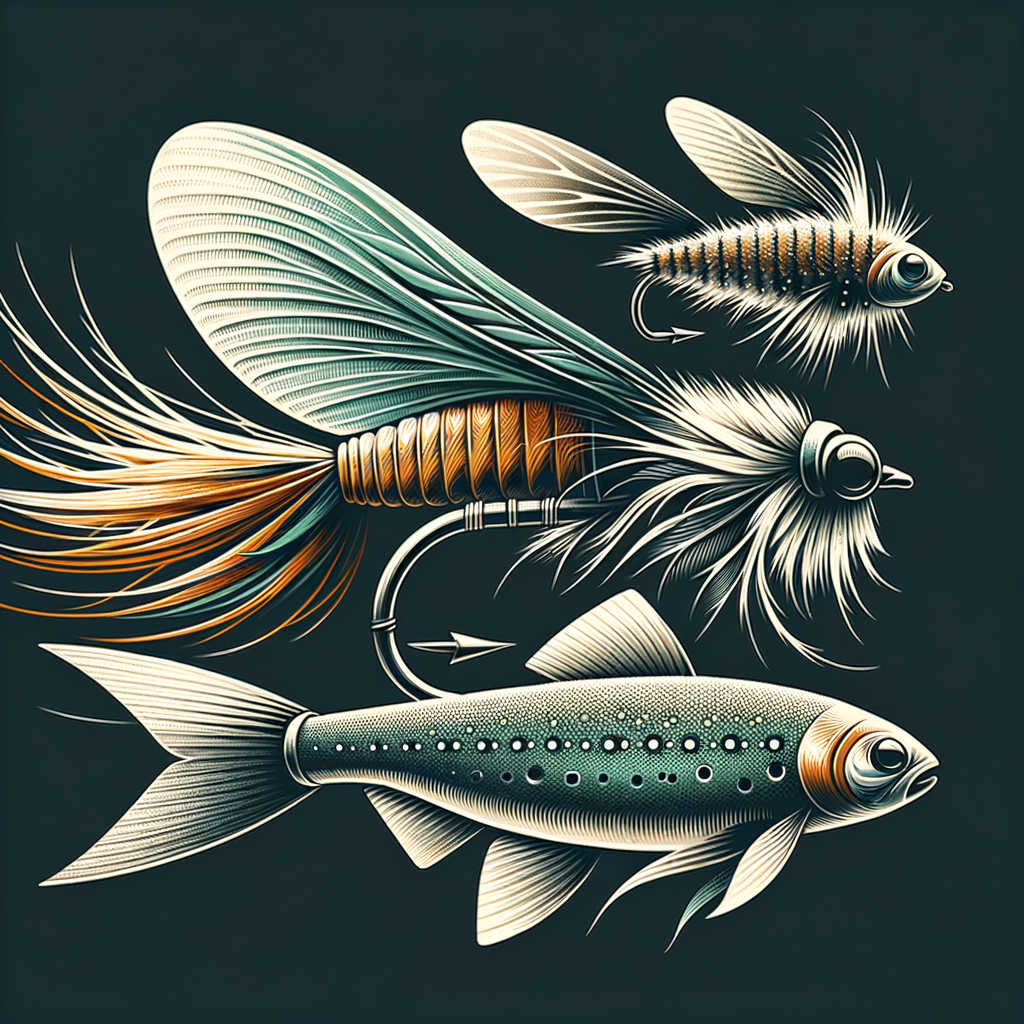
Fly choice matters for fish welfare. Small barbless nymphs, emergers, and dry flies usually release cleanly. By contrast, oversized articulated streamers with multiple hook points can complicate unhooking in tight current. In waters managed for native fish recovery, I favor simple single-hook patterns that can be removed with one turn of forceps. If fish are striking short or repeatedly nipping a fly, change pattern or size rather than continuing with a setup that causes foul hooking. Protected-area angling should prioritize clean captures over sheer numbers.
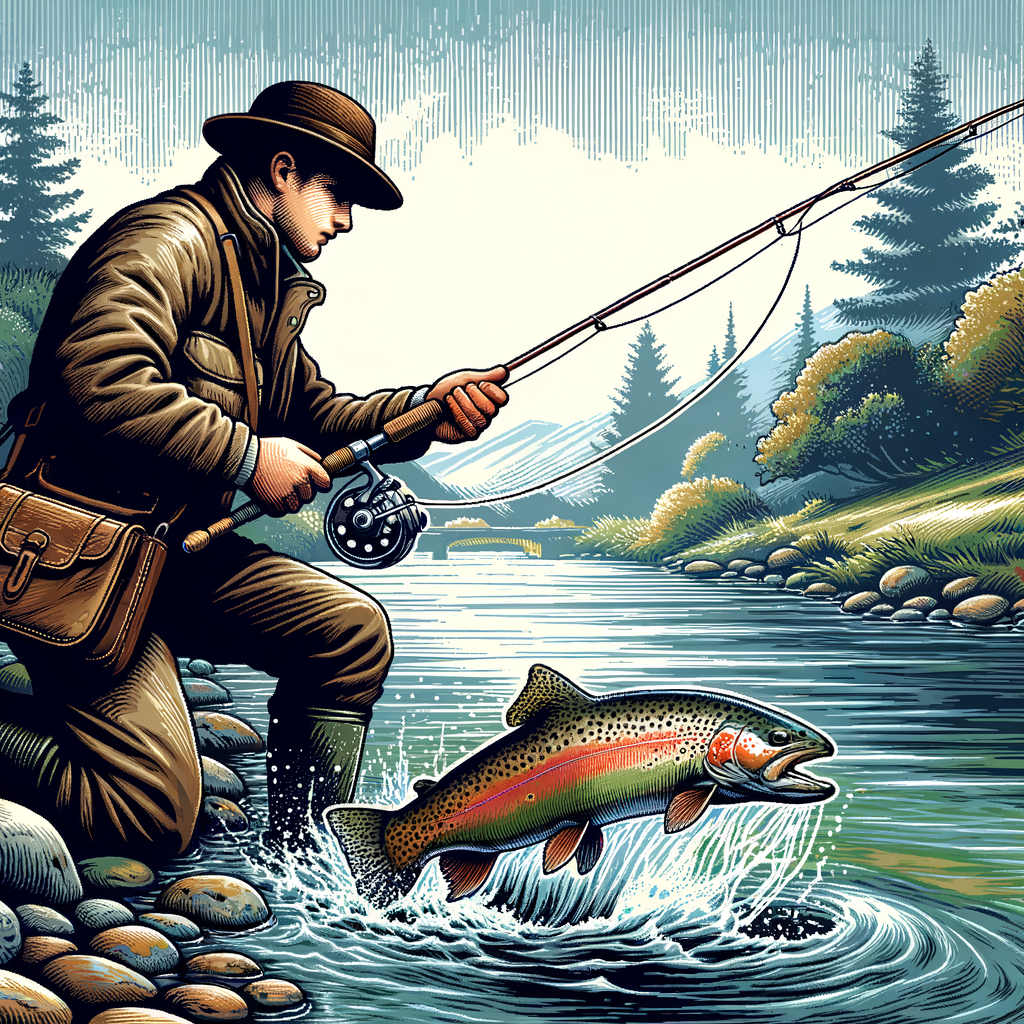
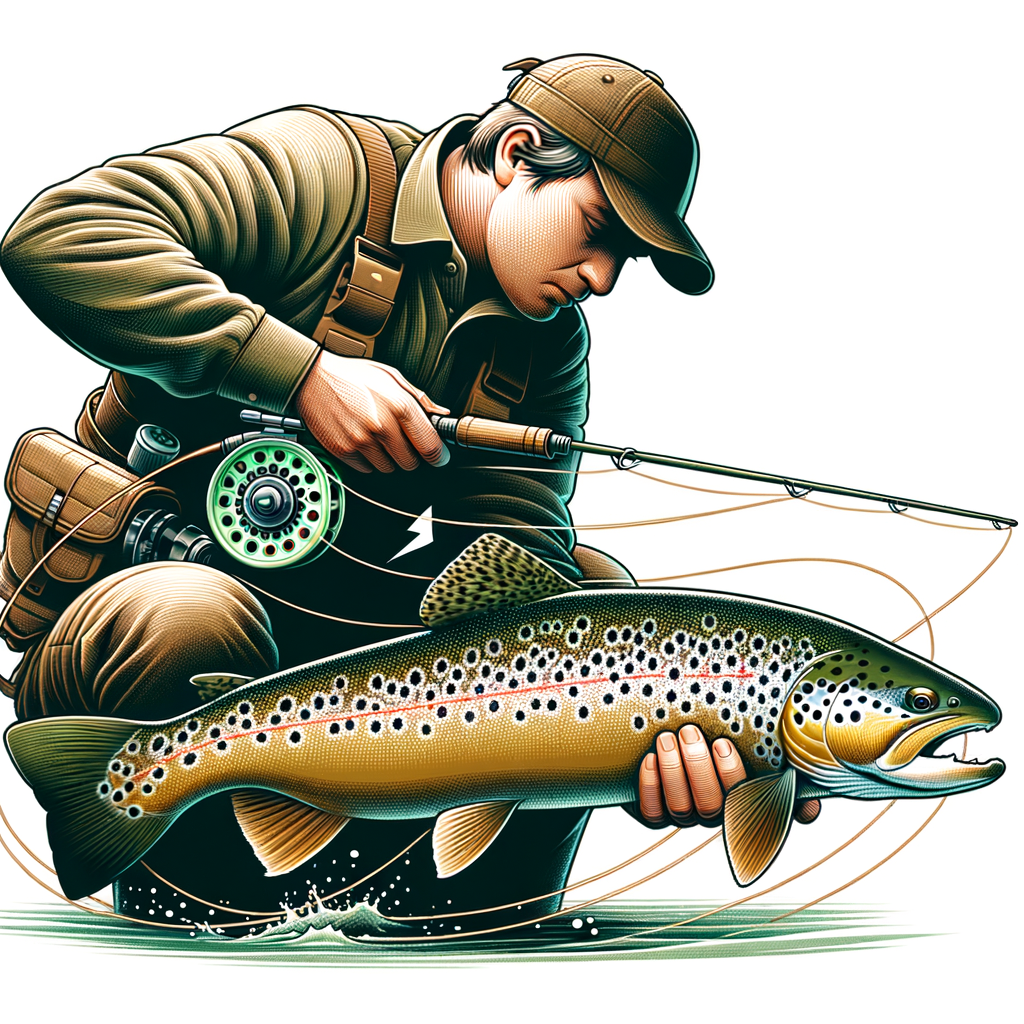
Fish handling is where even experienced anglers often slip. Keep the fish in the water whenever possible. Wet your hands before contact. Support the body gently instead of squeezing behind the gills. Use a net as an in-water recovery cradle, not a dry holding bag for photos. If a fish is deeply hooked, cut the tippet close rather than performing surgery streamside. Research across multiple recreational fisheries has shown that air exposure is one of the clearest controllable drivers of post-release stress. I advise anglers to think in seconds, not poses: one quick image at water level if needed, then immediate release.
Ethics also include where not to fish. Avoid targeting visibly paired spawners on redds or fish stacked in thermal refuges where cool tributaries enter warm rivers, even if the law is silent. Those fish are concentrated, vulnerable, and biologically important. Similarly, do not crowd another angler in a limited-access reserve simply because a hatch is building. Protected areas work best when visitors adopt a stewardship mindset: share water, explain rules politely when someone seems unaware, and model the standard you want managers to see. Conservation credibility is built streamside, one interaction at a time.
Making every protected-area trip sustainable
Fly fishing in protected areas is most rewarding when preparation, compliance, and restraint work together. Know exactly who manages the water, what permits and gear rules apply, and whether emergency closures or temperature restrictions are in force. Build your trip around low-impact habits: clean your gear, use marked access, avoid trampling banks, and fish during conditions that support healthy releases. Once on the water, match your technique to the conservation objective by using efficient tackle, handling fish minimally, and leaving vulnerable spawning or refuge fish alone. These are not small details; they are the core of responsible angling in sensitive places.
The main benefit of following regulations closely is not just avoiding a citation. It is preserving access to remarkable fisheries that depend on public trust as much as biology. Protected waters often hold the wild fish, intact habitat, and quiet experiences anglers value most. They stay that way only if visitors prove that recreation can coexist with protection. Before your next trip, read the current rules from the managing agency, pack with biosecurity in mind, and commit to fishing in a way that leaves the area better than you found it. That is how good anglers become dependable stewards.
Frequently Asked Questions
Do I need a special permit to fly fish in protected areas, or is a standard fishing license enough?
In many cases, a standard state or provincial fishing license is only the starting point. Protected areas often layer additional rules on top of general fishing regulations, and those extra requirements can vary widely depending on who manages the land or water. A national park may require a separate park entry pass, a wildlife refuge may limit access to specific zones or seasons, and a drinking water catchment area may require advance authorization or prohibit fishing entirely in sensitive sections. Some areas also use special permits for backcountry access, boat launches, day-use reservations, or quota-based angling opportunities designed to reduce pressure on vulnerable fisheries.
The safest approach is to verify three things before you go: the fishing license rules for the jurisdiction, the site-specific regulations for the protected area, and any seasonal emergency closures or conservation orders currently in effect. Do not assume that a stream flowing through public land is automatically open just because it appears accessible on a map. In protected landscapes, open water can still have gear restrictions, access restrictions, or species-specific closures. Check the managing agency’s website, review the most current regulation summary, and if anything is unclear, call the ranger office or fisheries office directly. That extra step can save you from fines, confiscated gear, and unintentionally harming a fishery the regulations were designed to protect.
What kinds of fishing regulations are most common in protected areas?
Protected areas tend to rely on a mix of conservation-focused rules that go beyond ordinary creel limits. Common regulations include catch-and-release only policies, seasonal closures during spawning or low-flow periods, restrictions on fishing hours, bans on targeting specific species, and limits on where anglers can wade, anchor, or access the shoreline. You may also encounter rules that prohibit fishing near fish ladders, hatchery outlets, spawning beds, research zones, restoration sites, or culturally sensitive areas. In some wilderness or refuge settings, there may even be restrictions on group size, camp location, drone use, fire use, or trail access that indirectly affect your fishing trip.
Gear rules are especially important for fly anglers. Some protected waters permit only artificial flies and lures, while others go further and require single barbless hooks, prohibit lead split shot, ban felt soles to reduce invasive species spread, or restrict the use of indicators, weighted flies, or strike-assist devices. In sensitive areas, regulations may be written to minimize fish injury, reduce bycatch of threatened species, or protect habitat from trampling and contamination. Read these rules carefully rather than skimming for bag limits. For fly fishing in protected areas, the key question is not just “Can I fish here?” but “Under exactly what methods, in what season, and with what conservation safeguards?”
How can I make sure I am fishing ethically and not just legally in a protected area?
Legal compliance is the baseline, but ethical angling asks you to think one step further about fish welfare, habitat protection, and the cumulative impact of recreation. Start by handling fish as little as possible. Use appropriately strong tippet so you can land fish quickly, keep them in the water during release, wet your hands before touching them, and avoid fishing at all when water temperatures are dangerously high or flows are unusually low. In protected areas, fish may already be under stress from habitat fragmentation, drought, wildfire impacts, or seasonal migration bottlenecks. Even if the water is technically open, conditions may make catch-and-release far more harmful than many anglers realize.
Ethical fly fishing also means respecting the broader landscape. Stay on established trails where required, avoid crushing bankside vegetation, never walk through redds or spawning gravel, and clean your boots, waders, and gear before moving between watersheds. Pack out every scrap of waste, including tippet clippings and discarded flies, which can injure wildlife. Give other anglers and wildlife plenty of space, especially in narrow streams and small refuges where disturbance travels quickly. A good rule in protected areas is to behave as though the fishery is more fragile than it looks, because often it is. The best anglers are not only skilled at presentation and reading water; they are equally disciplined about minimizing their footprint.
Are there specific fly fishing tips that help in protected waters without violating regulations?
Yes, and the most useful tip is to simplify your setup around the rules of the area rather than trying to force your usual system into a restricted fishery. If the water requires barbless hooks, rig barbless from the start instead of pinching barbs streamside as an afterthought. If only artificial flies are allowed, confirm that your fly patterns, attractors, and any added materials comply with the local definition. In selective or heavily protected waters, a modest, clean presentation usually outperforms an overly complex rig anyway. Carry a regulation-friendly box with proven dry flies, nymphs, and streamers tied on legal hooks, and keep terminal tackle organized so you are not making rushed decisions at the water’s edge.
Another strong strategy is to adapt your tactics to reduce stress on fish and habitat. Fish early during cooler periods, target faster water where fish can be landed efficiently, and avoid repeated casts to exhausted fish in shallow margins. Use landing nets with fish-safe rubber bags where allowed, and choose rod weights that match the size of the fishery so you are not overplaying fish on light tackle for sport. In places with strict access controls, spend time studying maps, closures, and trail systems before your trip so you can approach legally and efficiently. Protected areas reward anglers who prepare well, observe carefully, and fish with restraint. Often, the most productive decision is knowing when not to cast.
What should I do if regulations are unclear or if I see other anglers breaking the rules?
If regulations seem vague, treat that as a signal to pause and verify rather than interpret them in the most permissive way. Protected-area rules are often written across multiple documents, including general fishing regulations, park compendiums, refuge notices, superintendent orders, or temporary conservation bulletins. Read all available material from the managing agency, look for area maps that show open and closed sections, and contact local staff if wording still leaves room for doubt. Rangers and fisheries personnel are usually far more helpful before a violation occurs than after one. Taking screenshots or downloading PDFs before you travel is also smart, since many protected areas have poor cell service.
If you witness obvious violations, avoid escalating the situation through confrontation unless there is an immediate safety issue. Instead, document what you can safely and discreetly: location, time, vehicle description, number of people involved, and the nature of the violation. Then report it to the appropriate authority, such as park rangers, conservation officers, refuge staff, or the local poaching hotline. This matters because rule-breaking in protected waters is not just a technical offense; it can undermine spawning success, harm endangered species, damage habitat, and reduce access for responsible anglers. Protecting these places depends partly on agencies, but it also depends on anglers who take stewardship seriously and understand that conservation enforcement is part of preserving the future of the fishery.