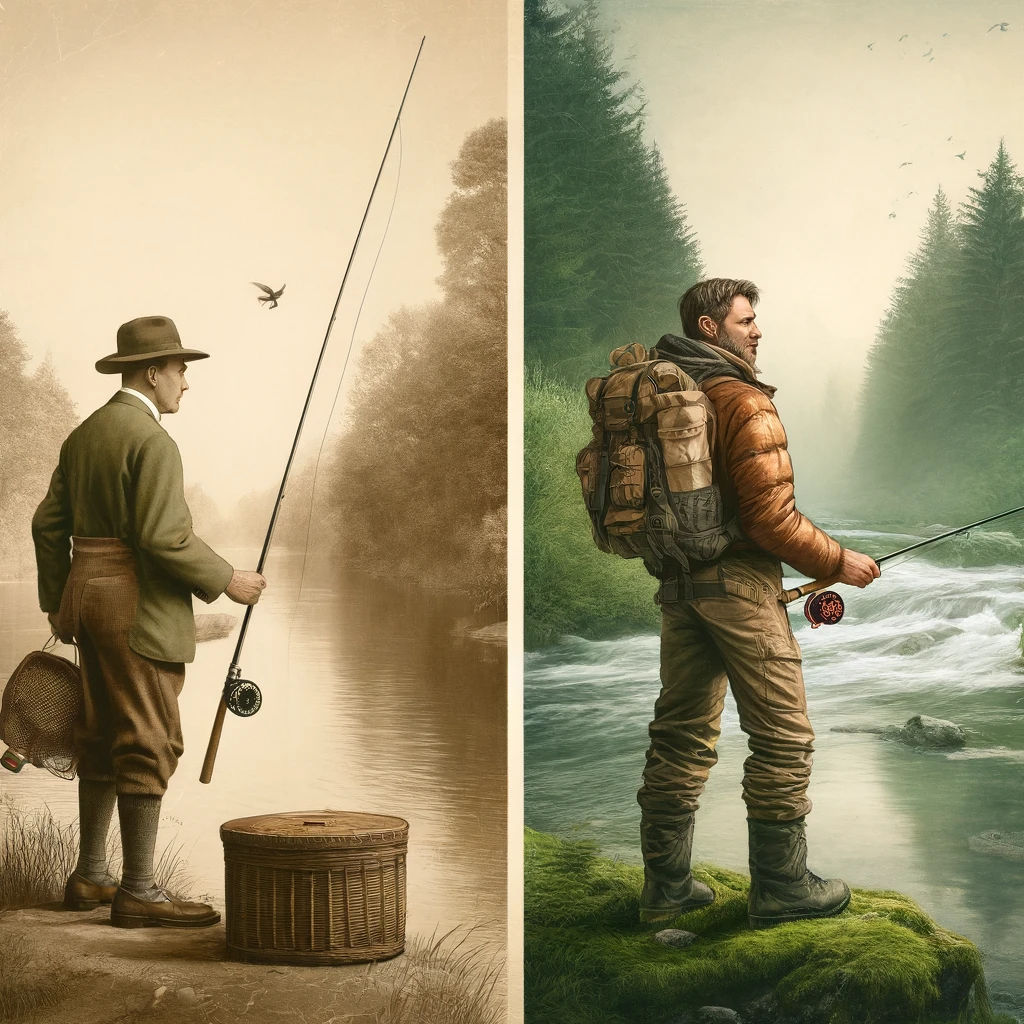
Fly fishing is a time-honored tradition revered by anglers for its artistry and skillfulness. Among the plethora of techniques available to fly fishers, the dry dropper technique stands out for its effectiveness in various waters and conditions. Particularly suitable for those starting their fly-fishing journey but equally valuable to seasoned anglers, this method combines the best of dry fly and nymph fishing. By utilizing a buoyant dry fly to suspend a nymph, you can cover multiple layers of the water column, effectively doubling your chances of enticing a fish.
The beauty of the dry dropper technique lies in its simplicity and versatility. Whether you are fishing in fast-moving rivers, tranquil still waters, or shallow streams, this method can be easily adapted to suit your needs. The dry fly floats on the surface, imitating an adult insect, while the nymph dangles below, resembling an emerging or drifting aquatic insect. It’s a well-rounded approach that targets fish feeding both on and beneath the surface.
This comprehensive article aims to guide you through the basics of dry dropper techniques, including the key principles, essential gear, rigging methods, and tips for success. By the end of this read, you should have a solid understanding of how to effectively combine flies for a successful fishing expedition.
Understanding the Basics
The first step to mastering the dry dropper technique is understanding the dynamics between the two flies. The dry fly serves as both an attractor and an indicator, while the nymph, which is typically weighted, sinks beneath the surface. When a fish takes the nymph, the movement will be transmitted to the dry fly, signaling a strike.
One of the key advantages of this method is its adaptability. Depending on the conditions, you can adjust the length of the tippet connecting the dry fly to the nymph. In deeper waters, a longer tippet allows the nymph to sink further, covering more depth. In shallow waters, a shorter tippet works best. Additionally, the choice of flies can be customized to match the local hatch, increasing your chances of a successful catch.
Choosing the right dry fly and nymph is crucial. Popular choices for dry flies include the Parachute Adams, Elk Hair Caddis, and Stimulator, known for their excellent buoyancy and visibility. For nymphs, the Pheasant Tail, Hare’s Ear, and Copper John are tried-and-true staples. The combination of these flies varies based on the fishing environment and the target species.
Dry dropper rigs can be categorized into two main types: inline and tag. In an inline setup, the nymph is tied to the bend of the hook of the dry fly. In a tag setup, the nymph is tied onto a separate piece of tippet that branches off from the main leader. Each has its benefits, and we’ll explore these options more in-depth in the following sections.
Gear and Equipment
Your success with the dry dropper method hinges greatly on your gear and equipment. Proper selection ensures ease of use and maximizes the efficacy of your setup. Here’s what you’ll need:
Rod and Reel: A versatile fly rod in the 4-6 weight range is ideal for a wide range of fishing conditions. Paired with a matching reel, this combination offers the finesse needed for delicate presentations and the strength for larger catches.
Fly Line: A floating fly line is essential. It allows your dry fly to stay buoyant on the surface while the nymph gets to the desired depth. Look for lines with a delicate taper for smooth presentations.
Leaders and Tippets: A tapered leader of 9-12 feet in length provides the necessary turnover for efficient casting. For the tippet, fluorocarbon material is preferred for its strength and low visibility underwater.
Flies: As mentioned earlier, dry flies like the Parachute Adams or Elk Hair Caddis and nymphs like the Pheasant Tail or Hare’s Ear are excellent starting points. Having a variety of sizes helps you adapt to different fishing scenarios.
Indicators and Split Shot: While the dry fly itself acts as an indicator, additional strike indicators can be helpful in turbulent waters. Split shots can be added to the tippet to help the nymph sink faster, though this is often unnecessary with weighted nymphs.
Once equipped with these essentials, you’re ready to head out and start experimenting with various setups. It’s important to familiarize yourself with your gear and practice casting in different conditions to build confidence and skill.

Setting Up the Dry Dropper Rig
Setting up a dry dropper rig is a straightforward process, but requires attention to detail for optimal results. Let’s break down the two primary rigging methods:
Inline Dry Dropper Rig:
- Attach your dry fly to the end of your leader using a standard knot such as the improved clinch knot.
- Cut an appropriate length of tippet (typically 12-24 inches) and tie one end to the bend of the hook of the dry fly using a clinch knot.
- Tie the other end of the tippet to your selected nymph using another clinch knot.
This setup allows the nymph to trail behind the dry fly, and any movement or strikes on the nymph will be transmitted to the dry fly, indicating a bite.
Tag Dry Dropper Rig:
- Attach your dry fly to the main leader as you normally would using a clinch knot.
- Cut a short piece of tippet (6-12 inches) and tie it to the leader above the dry fly using a triple surgeon’s knot, leaving a tag end of about one inch.
- Tie the nymph to the tag end using a clinch knot, allowing it to dangle off the main leader.
The tag rig allows the nymph to move more freely in the water column and can often result in more strikes. However, it can be more prone to tangling if not carefully managed.
Both rigging methods have their merits and can be adjusted based on your fishing conditions and preferences. Practicing both setups will give you the flexibility to choose the most effective rig for any given situation.
Fishing Techniques
With your dry dropper rig set up, it’s time to hit the water. Here are some essential techniques to maximize your success:
Reading the Water: Identifying where fish are likely to be feeding is crucial. Look for seams, eddies, and current breaks where insects are commonly found and where fish are likely to be holding. Pay attention to surface activity, as rising fish can indicate a hatch.
Casting and Presentation: Proper casting technique is essential for an effective presentation. Aim for a drag-free drift by mending your line regularly and making sure your dry fly and nymph land softly on the water. High-sticking, where you keep your rod tip high, can help reduce drag and improve your drift.
Strike Detection: Keep a close eye on your dry fly, as it serves as your primary strike indicator. Any unnatural movement or dip in the fly could signal a bite. Setting the hook quickly and gently is key to successfully landing the fish.
Adjusting Depth: If you’re not getting any strikes, consider adjusting the length of the tippet between the dry fly and nymph. Fish may be holding at different depths, and finding the right depth can make a significant difference.
Experimenting with different fly patterns and sizes can also help. Observing the local insect activity and matching the hatch will increase your chances of success. Remember, patience and persistence are key. Even the most experienced anglers go through periods of trial and error.
Common Mistakes and Troubleshooting
While the dry dropper technique is highly effective, it’s not without its challenges. Understanding common mistakes and how to troubleshoot them can save you time and frustration on the water:
Tangling: One of the most common issues with dry dropper setups is tangling. This can be minimized by using shorter casts and avoiding overly aggressive false casting. Practice smooth, controlled casts to keep your rig from tangling.
Inadequate Buoyancy: If your dry fly isn’t staying afloat, it may be too small or not buoyant enough to support the nymph. Using a more buoyant dry fly or applying floatant can help keep it on the surface.
Improper Depth: If you’re not getting any strikes, the nymph may not be at the right depth. Experiment with different tippet lengths and weights to find the optimal depth where fish are feeding.
Poor Strike Detection: Missing strikes can be frustrating. Make sure to pay close attention to your dry fly and be ready to set the hook at any sign of movement. Quick, but gentle hook sets are more effective than aggressive jerks.
Ignoring the Hatch: Failing to match the hatch can lead to fewer bites. Observe the local insect activity and choose fly patterns that closely resemble the natural prey of the fish you are targeting.
By addressing these common issues and refining your technique, you can increase your success rate and enjoy a more productive fly fishing experience.
Advanced Tips and Tactics
Once you’ve grasped the basics, there are several advanced tips and tactics you can employ to further enhance your dry dropper fishing:
Double Dry & Dropper: In heavily fished waters, consider using a double dry fly setup with a dropper. This rig involves two dry flies of different patterns followed by a nymph. It offers multiple attractors and covers more feeding scenarios, increasing your chances of success.
Euro Nymphing Influence: Incorporate techniques from Euro nymphing, such as tight-line fishing, in your dry dropper setup. By keeping a taut line and maintaining direct contact with your flies, you can achieve better strike detection and presentation.
Adjustable Dry Dropper: Utilize an adjustable dry dropper rig for quick depth changes. This involves using a slip knot or loop-to-loop connection, allowing you to slide the dry fly up or down the leader without retying knots.
Changing Fly Combinations: Don’t be afraid to switch up your fly combinations if you’re not having success. Fish can be selective, and trying different dry fly and nymph patterns can make a significant difference.
Fishing at Different Times: Experiment with fishing at various times of day. Early mornings and late evenings often provide prime fishing opportunities, as fish are more active during these periods.
These advanced tactics can elevate your dry dropper fishing to the next level, providing new challenges and opportunities for success.
Conclusion
The dry dropper technique is a versatile and effective method for fly fishing that can significantly enhance your success on the water. By understanding the dynamics between the dry fly and nymph, selecting the right gear, and mastering the setup and presentation, you can effectively target fish feeding at different depths.
Whether you’re a novice angler or a seasoned pro, the dry dropper method offers endless opportunities for learning and experimentation. By avoiding common mistakes, troubleshooting issues, and employing advanced tactics, you can refine your technique and improve your catch rate.
Remember, fly fishing is as much about the journey as it is about the catch. Embrace the process, enjoy your time on the water, and continue honing your skills. The dry dropper technique, with its simplicity and effectiveness, is a valuable tool in any angler’s arsenal, offering a rewarding and fulfilling fishing experience.