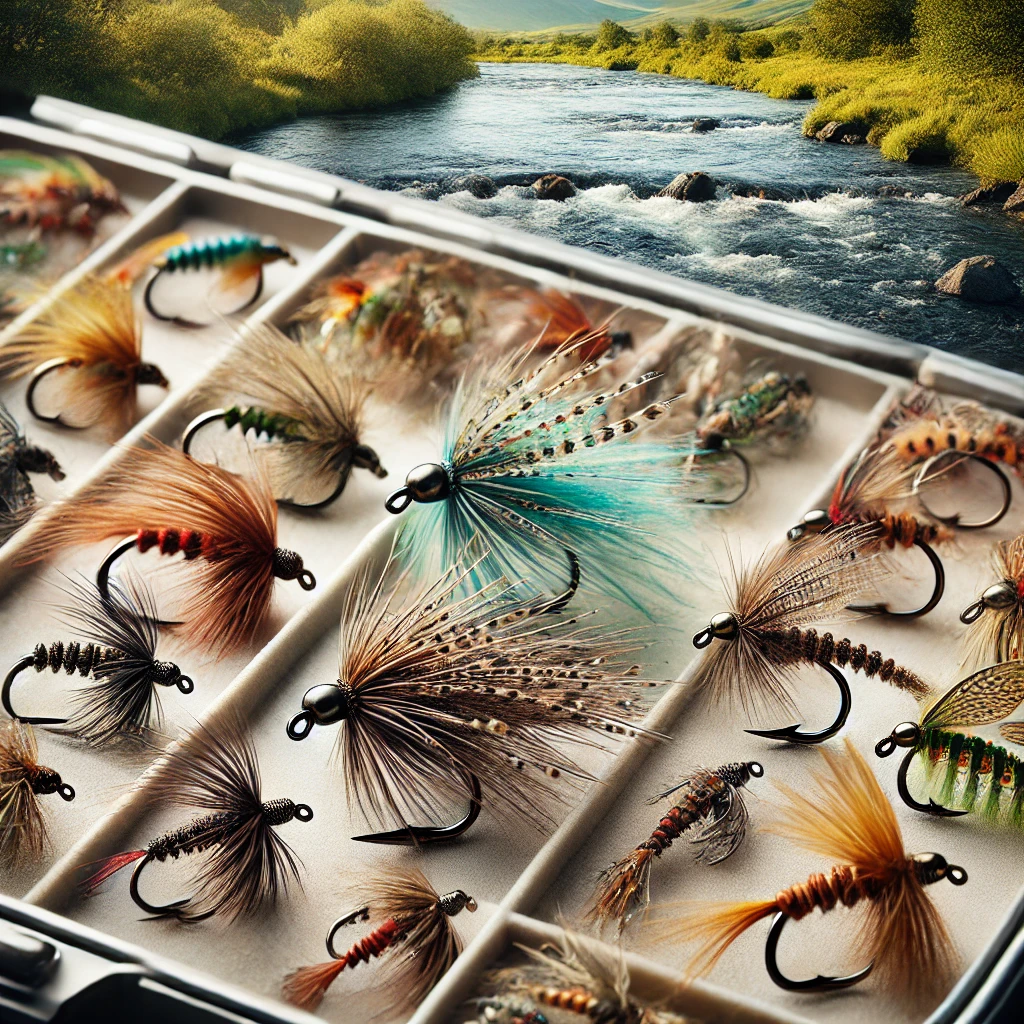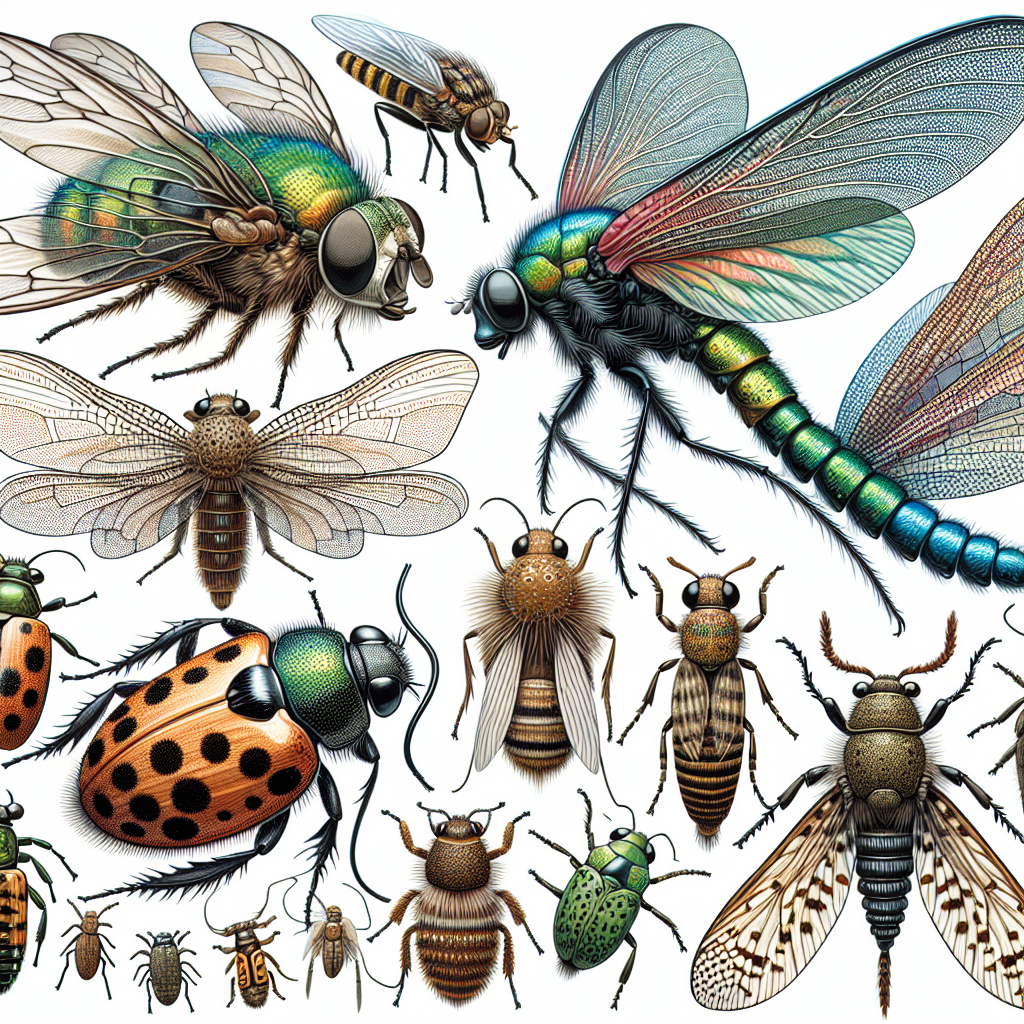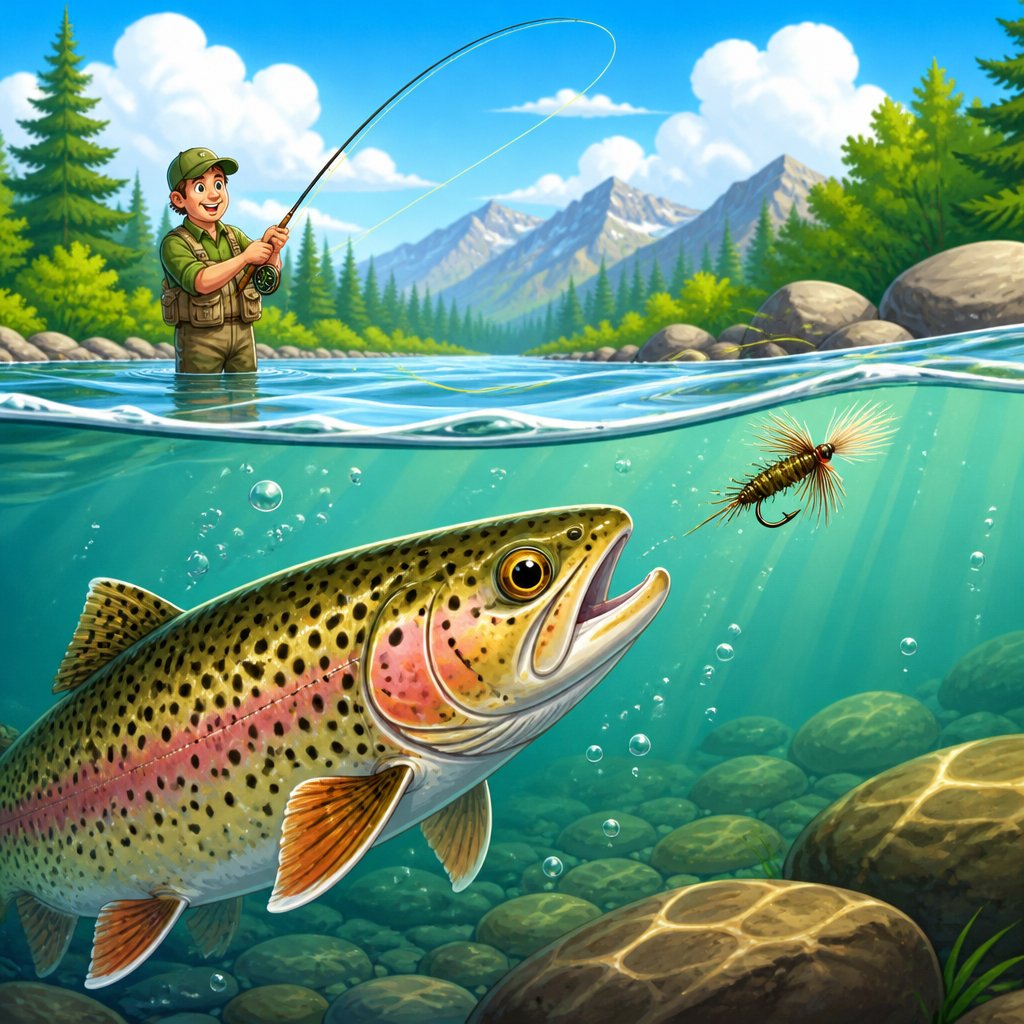
Trout often take wet flies just below the surface because that narrow band of water concentrates vulnerable food, softens the fish’s view of danger, and lets a rising trout intercept prey with the least energy. In practical fly fishing terms, a wet fly is any subsurface pattern fished under or in the film rather than high and dry on top, while “just below the surface” usually means the top few inches where emergers, drowned adults, ascending nymphs, and tiny baitfish all become easy targets. I have watched this behavior across freestone rivers, spring creeks, tailwaters, and stillwaters, and the pattern is remarkably consistent: when trout feed with confidence in the upper column, they are responding to biology and physics, not random preference. That matters for anglers because understanding why fish are there changes everything from fly choice to leader length, swing angle, and retrieve speed. It also matters because this question sits at the center of the broader subject of fly patterns and tying. If you want a reliable hub for types of flies, you need more than a list of dry flies, nymphs, streamers, wet flies, emergers, and terrestrials. You need to understand where each style sits in the water, what it imitates, and why trout react to it. Wet flies are especially important because they bridge categories. A soft hackle can suggest an emerging caddis, a drowned mayfly dun, a midge cluster, or pure movement and life. That versatility makes wet flies one of the most misunderstood and productive types of flies in modern trout fishing.
To answer the headline directly, trout take wet flies under the surface for three primary reasons. First, many natural insects are most exposed as they rise, drift trapped in the film, or drown after egg laying. Second, trout see silhouettes and movement exceptionally well against the brighter surface window, making a sparse fly easy to detect. Third, the near-surface lane is an efficient feeding zone: current often carries food there at a manageable speed, oxygen is high, and the fish can feed upward without fully breaking the surface, which reduces risk from birds, wading anglers, and sudden light changes. Once you understand those drivers, the entire “types of flies” conversation becomes more practical. Dry flies imitate food on top. Nymphs imitate subsurface immature insects. Streamers suggest larger prey like minnows, leeches, and sculpins. Emergers cover the transition stage. Wet flies overlap several of those roles, which is why this subtopic deserves a hub article that links the categories together conceptually. The better you see those connections, the better your tying choices, rigging, and presentation become on the water.
Why the Near-Surface Zone Is a Trout Feeding Lane
The top few inches of water are one of the most active feeding zones in a trout stream because food concentrates there during key moments of insect life cycles. Mayfly nymphs swim or drift upward before hatching. Caddis pupae rocket toward the surface in a gas-assisted ascent. Midges hang in or just under the film. Spent spinners collapse onto the water and then sink. Even stoneflies, which usually hatch on rocks, can end up drowned and drifting. A trout stationed a foot or two below that lane can inspect multiple food forms without moving far. In current, that economy matters. Fish gain calories by minimizing effort, so a lane that delivers vulnerable prey repeatedly becomes a preferred station.
Light also changes what trout can see. Looking upward, a trout views the world through Snell’s window, the circular cone of refracted light from above. Against that brighter background, a slim soft hackle or sparsely dressed spider creates a clean silhouette. Trout do not need a fly to be ornate; they need it to register as alive and attainable. That is why classic North Country spiders and simple wet patterns have remained effective for centuries. Their mobile materials pulse with tiny changes in current, and the fish reads that motion as life. In many cases, the trigger is not exact imitation but the combination of size, translucence, and movement in the correct depth band.
Predation risk reinforces the behavior. A trout that takes a dry fly must often break the surface or tilt sharply upward, exposing itself to herons, kingfishers, ospreys, and human activity. Taking a wet fly just under the film lets the fish feed confidently while staying covered. On pressured rivers, I regularly see fish refuse perfect dries yet eat the same hatch represented by an emerger or soft hackle six inches down. The fish are still feeding on the hatch; they simply prefer the lower-risk version of the meal.
What Wet Flies Usually Imitate
Wet flies are not a single biological imitation. They are a functional family of patterns that can represent several food forms. Most commonly, they imitate emerging aquatic insects. A partridge-and-orange soft hackle, for example, can suggest an ascending caddis pupa, a mayfly struggling free, or a general drifting insect. Traditional winged wets may resemble drowned duns or spent insects beneath the surface. Slim beadless wets can pass for midge pupae. In lakes, larger wets like a Black Pennell or a Kate McLaren can suggest chironomids, drowned terrestrials, or even small fry when pulled on a figure-eight retrieve.
This is where a hub page on types of flies becomes useful. Dry flies, nymphs, streamers, wet flies, emergers, and terrestrials are best understood by role. Dry flies sit on top and depend on flotation and profile. Nymphs operate deeper and usually emphasize weight, segmentation, and natural drift. Streamers create attraction through size, motion, and predatory cues. Emergers represent transformation, often hanging in the film or just below it. Terrestrials imitate land insects like ants, beetles, hoppers, and crickets that fall into the water. Wet flies overlap nymphs and emergers, but their defining trait is not taxonomy. It is presentation in the upper water column with movement built into sparse materials.
That overlap explains why wet flies are so effective during ambiguous feeding situations. If trout are flashing below a hatch but not fully rising, they may be eating emergers. If they are slashing at caddis in broken water, they may be intercepting pupae. If no obvious hatch is visible, they may still take a general wet because it suggests food without demanding exact species matching. Few other fly types cover uncertainty this well.
How Insect Behavior Drives Wet Fly Success
Insect behavior creates predictable moments when wet flies outperform other patterns. During a mayfly hatch, the nymph leaves the bottom, drifts upward, and splits to release the dun. That ascent is dangerous and slow compared with the insect’s life on the substrate. Trout know it. During caddis activity, the pupa rises rapidly and can swing toward the surface at the end of the drift, which is exactly why the classic wet-fly swing remains so productive. Midges provide another example. In cold weather, trout may key on tiny pupae suspended just under the surface rather than adults on top. An angler who insists on fishing only dries will miss fish that are visibly feeding but targeting a different stage.
Real-world examples make this clearer. On a spring creek during a blue-winged olive hatch, I often see gentle dimples that look like dry-fly rises. Yet fish refuse a well-presented size 20 dun. Switch to a sparse RS2-style emerger or soft hackle in the film, and the refusals turn into steady takes. On a freestone river during an evening caddis event, dead-drifted elk hair patterns may draw some fish, but a swung soft hackle through the last third of the drift often gets hit hard because it mirrors the natural’s upward motion. On a reservoir chironomid day, trout may patrol just below the chop taking ascending pupae. A static dry misses that zone entirely.
| Fly type | Primary imitation | Typical depth | Best use case |
|---|---|---|---|
| Dry fly | Adult insect on surface | In the film or on top | Visible rises to duns, spinners, terrestrials |
| Emerger | Insect transitioning to adult | Film to a few inches down | Refusals to dries during active hatches |
| Wet fly | Emerger, drowned adult, general insect | Upper water column | Swings, lifts, and broad searching presentations |
| Nymph | Immature aquatic insect | Near bottom to mid-column | Deep drifts outside hatch windows |
| Streamer | Baitfish, leech, sculpin | Variable, often deeper | Aggressive fish, big meals, low light |
| Terrestrial | Land insect | Surface or just under | Summer banks, windy afternoons, grassy edges |
Hydrodynamics, Visibility, and the Trigger of Motion
Water movement gives wet flies an advantage that many anglers underuse. Soft materials such as partridge, starling, hen hackle, mole, hare’s ear, and CDC breathe with almost no input. In current, those fibers open and close as pressure changes around the fly. To a trout, that movement suggests legs, shucks, wings, or the instability of an emerging insect. Because many naturals are not drifting perfectly inert near the surface, a wet fly often looks more realistic when it swings, rises, or pulses slightly than when it dead-drifts like a beadhead nymph.
The surface itself also modifies visibility. The film can trap insects, create microbubbles, and distort outlines. A wet fly suspended inches below that layer benefits from contrast and concealment at the same time. The trout sees enough to commit, but not always enough to reject minor inaccuracies. That is one reason traditional patterns remain effective despite simple construction. A fly does not need a UV resin wingcase and exact biot abdomen to be taken in this zone. Correct size, translucency, and animation matter more.
This is not an argument against detailed tying. Rather, it is a reminder that design should match function. If you are tying wet flies for upper-column trout, avoid overdressing. Too much dubbing, stiff hackle, or flash can kill the slim profile and slow sink rate that make these flies behave correctly. In my own tying, the biggest improvement came when I started reducing material by a third. Sparse flies fish better.
How to Fish Wet Flies Just Below the Surface
The most reliable methods are the dead drift, the controlled swing, and the induced lift. On a dead drift, cast quartering upstream or across, mend just enough to avoid immediate drag, and let the fly travel naturally in the upper column. This works well during mayfly hatches when trout inspect food carefully. On the swing, cast across and slightly downstream, then allow tension to build as the fly arcs below you. This is classic caddis water, especially in riffle tails and glides. The induced lift adds a small raise of the rod at the end of the drift, imitating an insect ascending. Many takes come exactly there.
Tackle affects success more than most anglers think. A long leader helps keep the fly from skating too soon, especially with unweighted patterns. Fine tippet improves sink and movement but must match current speed and fish size. In riffled water, 5X may be ideal; in flat spring-creek water, 6X or 7X may be necessary. Rod tip angle matters too. Holding high can keep too much line off the water and pull the fly unnaturally. Often the better choice is a lower, quieter rod angle that lets the current animate the pattern.
Line choice is situational. A floating line covers most river wet-fly work. In lakes or broad slow pools, an intermediate line can hold the fly in the top foot without constant mending. Greased-leader tactics, drawn from traditional methods, are still excellent for emergers and spiders because they keep the fly just under the film while preserving direct contact. If you are missing rises but not touching fish, depth is usually the first variable to change.
Pattern Selection and Tying Principles for This Fly Category
If this page serves as a hub for types of flies, it should also guide pattern selection. For wet flies, start with three variables: size, silhouette, and motion. Match the general size of the naturals first. A size 12 soft hackle during a size 20 olive hatch is not “close enough.” Next, choose silhouette: slim for mayflies and midges, a bit fuller for caddis. Then prioritize motion through soft hackle, sparse dubbing, or a lightly mobile wing. Color matters, but less than most anglers assume. Olive, brown, black, gray, and amber cover a great deal of trout fishing.
Classic patterns remain useful because they solve functional problems cleanly. A Partridge and Orange is an all-purpose searching wet. A Snipe and Purple excels in low light. A March Brown spider can suggest larger upwinged flies. A beadless Hare’s Ear soft hackle bridges nymph and emerger roles. In North America, many anglers also rely on the Soft Hackle Pheasant Tail, RS2, Sparkle Pupa, and unweighted film emergers. These are not redundant. Each sits differently, traps air differently, and suggests a different stage of life.
When tying, choose hooks with a natural gape and moderate wire unless you specifically need a slower drop. Keep dubbed bodies thin. Use just enough hackle to pulse; one and a half to two turns is often enough. Ribbing adds durability and segmentation without bulk. If you use CDC, protect its movement by avoiding heavy head cement in the fibers. The best wet flies are elegant because they are restrained, not because they are complicated.
Common Mistakes Anglers Make With Wet Flies
The most common mistake is fishing wet flies too deep. Anglers often add split shot out of habit, turning an upper-column pattern into a nymph rig that misses the feeding lane. Another mistake is retrieving too fast in stillwater or pulling too hard on the swing in rivers. Wet flies are persuasive because of subtle animation. Overpower that motion and the fly loses credibility. A third mistake is choosing patterns by name rather than by behavior. If trout are taking ascending insects, the right question is not “Which famous fly should I tie on?” but “Which fly will occupy that exact depth and move like that stage?”
Refusal analysis helps. Splashy takes that miss the fly often mean the fish are reacting to movement but not committing, so reduce speed or size. Fish that boil under a dry but never break it may be eating emergers, so drop a wet six inches below. Repeated follows in clear water can mean your pattern is overdressed or too bright. Observation, not constant fly changing, is what separates consistent anglers from frustrated ones.
Trout take wet flies just below the surface because that zone brings together food availability, efficient feeding, visibility, and safety. Emerging insects are vulnerable there, drowned adults linger there, and sparse flies come alive there in a way trout recognize instantly. Once you understand that, wet-fly fishing stops feeling old-fashioned or mysterious and becomes one of the most logical methods in the sport. It also clarifies the wider landscape of types of flies. Dry flies belong on top, nymphs usually work deeper, streamers suggest larger prey, terrestrials imitate land insects, and emergers cover the transition stage, but wet flies connect several categories by occupying the exact layer where trout often feed most confidently.
For anglers building knowledge under the broader fly patterns and tying topic, this is the key benefit of treating wet flies as a hub subject: they teach depth control, insect life cycles, material function, and presentation all at once. They force you to think like both a tier and a fish. Start with a small box of proven patterns, fish them in the top foot of water during active insect periods, and pay close attention to how trout rise, flash, or refuse. If you do that, you will not only catch more fish; you will understand far better why each type of fly exists and when it should be used. The next step is simple: organize your fly box by function, tie a few sparse soft hackles, and fish the water just under the surface with intent.
Frequently Asked Questions
Why do trout feed so confidently on wet flies just below the surface?
Trout feed confidently in that narrow zone because it is one of the most efficient feeding lanes in the entire water column. The top few inches often gather the most vulnerable food forms at exactly the moment they are easiest to catch. Emerging insects are leaving the safety of the bottom and drifting upward, drowned terrestrials are trapped in or under the film, spent adults can no longer escape, and small baitfish near the surface are more exposed than they would be deeper down. To a trout, that makes the near-surface layer a place where calories are concentrated and escape routes are limited.
There is also an important visibility advantage. The surface film diffuses and interrupts what the trout sees above it, which can make predators, wading anglers, and shoreline movement less sharply defined than they might appear in shallow, clear water at mid-depth. At the same time, prey silhouetted against the brighter surface can stand out clearly. In simple terms, trout can see food well there while often feeling slightly safer themselves. Add in the fact that a gentle rise through the water column usually costs less energy than chasing food hard across current seams, and it becomes easy to understand why a trout will repeatedly target a fly presented just under the film.
What kinds of natural food are trout imitating when they take a wet fly under the surface?
Several major food categories live in that zone, and that is exactly why wet flies are so effective there. The most common are emergers, insects transitioning from nymph or pupa to winged adult. During that brief stage, they are helpless compared with fully formed adults. Their movement is restricted, they often stall in the film, and current can carry them without much control. Trout quickly learn that these insects offer an easy, high-probability meal.
Ascending nymphs are another major trigger. Many aquatic insects do not instantly pop through the surface. They rise gradually, drift, pause, and struggle as they approach the film. A soft-hackled wet fly, unweighted nymph, or sparse emerger can imitate that behavior extremely well. Drowned adults are also important, especially after wind, rain, or heavy hatches. Mayflies, caddis, ants, beetles, and other insects can become pinned just under the film, where they are no longer buoyant enough to float cleanly yet still visible to feeding trout. In some rivers and stillwaters, tiny baitfish and fry also move in this layer, making small streamers or wet flies highly effective. So when trout take a fly just below the surface, they are often responding to one of the most vulnerable and natural food stages available to them.
Why is the “just below the surface” zone often better than fishing deeper or using a dry fly on top?
That zone can outperform both deeper presentations and dry flies because it sits at the intersection of visibility, vulnerability, and realism. Fishing deeper can be highly productive when trout are holding low, but in many feeding situations the most vulnerable prey is not near the bottom. It is on the way up or trapped near the top. Trout know this, especially during hatches, when much of the available food is transitioning through the upper water column. A fly riding a few inches down can therefore match what fish are actually eating more closely than a heavier nymph drifting well below them.
Compared with a dry fly, a wet fly just under the film often looks more like the insects trout are truly selecting. Anglers naturally notice splashy rises and assume fish are eating adults on top, but many rise forms actually signal trout taking emergers or insects hanging beneath the film. In those cases, a perfectly floating dry may pass over fish that want something subsurface. A wet fly can also move more naturally in broken currents, because it is not fighting surface drag in the same obvious way. That subtle sink, swing, or lift can imitate life better than a static topwater presentation. When fish are refusing dries, rising short, or showing just under the film, that near-surface wet fly is often the most accurate and productive choice.
How should a wet fly be presented to imitate food just below the surface effectively?
The best presentations usually emphasize natural movement rather than speed or depth alone. Since the fly is meant to represent something ascending, trapped, or drifting helplessly near the film, the goal is often to keep it in the top few inches while allowing it to move as current would move real food. Across-and-down swings, quartering downstream casts, greased leaders with lightly dressed flies, and gentle induced lifts near the end of the drift are all classic methods because they suggest an insect rising or struggling upward. Soft hackles excel here because their fibers pulse with almost no effort, giving the impression of life without overworking the fly.
Dead-drifting can also be highly effective, especially during selective feeding. If trout are taking emergers in a seam or just under a riffled surface, a drag-free drift with a lightly weighted or unweighted pattern may be ideal. In calmer water, a slow hand-twist retrieve or subtle figure-eight can keep a wet fly hovering in the zone without making it look unnatural. The key is depth control. Too much weight pulls the fly beneath the feeding lane, while too little may let it skate unnaturally. In practice, anglers often succeed by fishing sparse patterns, longer leaders, and minimal weight, then adjusting based on how fish are rising. If trout are bulging, dimpling, or rolling rather than fully breaking the surface, that is a strong sign to keep the fly just under the film and let movement do the convincing.
What conditions make trout especially likely to take wet flies just under the surface?
Hatch periods are the most obvious trigger, particularly when insects are emerging in numbers but few adults are riding high and clean on top. This is classic emerger water. Trout may show steady rise forms without obvious noses poking through, and that often means they are intercepting insects just under the film. Broken water, riffle tails, seams below faster current, and slicks where drifting insects collect are all prime places because they funnel food while giving trout cover. Cloud cover, low light, and a slight ripple on the water can make this feeding style even more pronounced by helping fish feel secure near the top.
Wind and weather can also create ideal conditions. A breeze can knock terrestrials and spent insects into the water, while rain can drown adults and stir up surface activity. On lakes and stillwaters, chop along wind lanes often pushes food into concentrated bands where trout patrol just beneath the surface. Seasonal timing matters too. Spring and fall often produce strong near-surface feeding because insect activity is steady and water temperatures encourage active trout. Even in summer, early and late in the day can be excellent when fish move up to exploit low-risk feeding windows. In all of these situations, the upper few inches become a narrow but highly productive feeding corridor, and a wet fly presented there matches exactly what trout expect to find.