Freshwater gar, known for their prehistoric appearance and tenacity, present a unique challenge for anglers, especially those using fly fishing techniques. These fascinating fish, often overlooked in the fly fishing community, require a blend of strategy, precision, and patience to target effectively. Understanding their behavior, preferred environments, and feeding patterns is crucial for those looking to successfully catch gar with a fly rod. In this extensive guide, we’ll explore the intricacies of targeting freshwater gar with flies, from selecting the right equipment and flies to mastering the techniques that will improve your efficiency and success rate. Whether you’re a seasoned fly angler seeking a new challenge or a beginner wanting to expand your horizons, freshwater gar fishing with flies offers a rewarding experience filled with excitement and learning opportunities.
Freshwater gar are primarily found in North America, residing in calm, warm waters such as lakes, slow-moving rivers, and backwaters. These predatory fish are often spotted hovering near the water surface, ambushing prey with surprising speed. With a body that resembles a torpedo and sharp, needle-like teeth, gar are built for snatching up unwary targets. Fly fishing for gar requires a keen understanding of their feeding habits, as they predominantly feed on smaller fish and occasionally insects, amphibians, and crustaceans. Being opportunistic feeders, gar rely heavily on ambush tactics, making them a challenging quarry for fly fishermen.
Preparation is key when it comes to gar fishing with flies. Selecting the appropriate fly patterns, gear, and tactics can significantly enhance your chances of landing these toothy creatures. In the following sections, we’ll break down each aspect of fly fishing for gar, from understanding their ecology and behavior to tailoring your gear and tactics to match these elusive fish. This thorough examination will equip you with everything you need to embark on a successful gar fishing expedition. By understanding the intricacies of these fascinating aquatic creatures, you can elevate your fly fishing skills and enjoy the thrill of catching freshwater gar.
Body Sections
Understanding Freshwater Gar Behavior
Understanding the behavior of freshwater gar is the cornerstone of angling success. Gar are well adapted to their static water habitats, utilizing a combination of keen senses and stealth to capture prey. Unlike many fish species, gar have an excellent ability to breathe both under and above water, thanks to their primitive swim bladder that doubles as a lung. This unique adaptation allows them to thrive in areas with low oxygen, where many other fish cannot survive.
Gar prefer habitats with dense underwater vegetation and structure where they can effectively camouflage and ambush potential prey. They are most active during warmer months, primarily dawn and dusk, when they hunt more aggressively. During these times, observing their surfacing activity can provide significant clues on their whereabouts and feeding routines. Being patient and observant can be highly beneficial when formulating your fishing strategy. Recognizing the specific times and areas where gar are active dramatically boosts your chances of success.
Selecting the Right Gear for Gar Fishing
Choosing the correct gear is pivotal when fly fishing for gar. Given their size, strength, and sharp teeth, gar require robust and resilient equipment. A medium to heavy fly rod, typically 7 to 9 weight, ensures enough power to handle these tenacious fish. Opt for a fast-action rod to cast heavier flies more efficiently and manage close-quarter battles effectively. When selecting fly reels, prioritize models with reliable drag systems to manage the forceful runs gar are known for.
Considering fly lines, an intermediate or floating line can be effective, depending on the gar’s position in the water column. Leaders should be sturdy and abrasion-resistant; a 20 to 30-pound test fluorocarbon leader is a safe choice. Additionally, employ wire tippets to withstand the gar’s razor-sharp teeth during fights—a non-negotiable component of your outfit to minimize line breakage.
Fly Selection for Gar
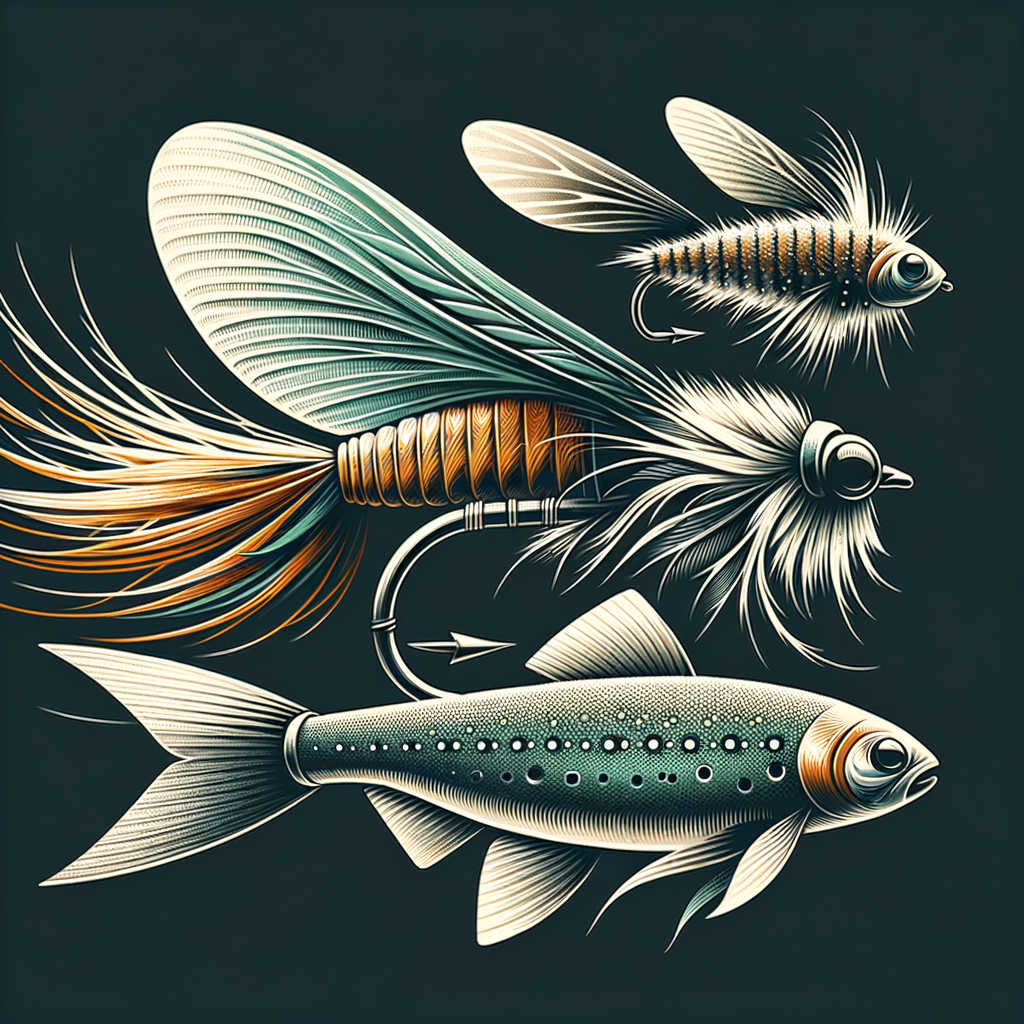
Fly selection is an art form when targeting freshwater gar. Unlike typical trout flies, gar-specific patterns should mimic the baitfish and other small creatures found in their habitats. Streamers are the most effective fly patterns for gar, as they convincingly imitate the profile and movement of small fish. Choose patterns such as deceivers, clouser minnows, and baitfish flies to mimic local prey species. Additionally, flies made from synthetic materials provide durability against gar’s rough teeth.
Incorporating flashy materials can enhance your fly’s visibility, capturing gar’s attention in murky waters. Experimenting with color variations can also attract lethargic fish. Bright colors like chartreuse, yellow, or white can outshine others in muddier conditions, while natural tones resemble primary food sources. Adjust fly size and weight based on water depth and fishing conditions, maintaining a subtle and enticing motion during retrieval.
Techniques for Fly Fishing for Gar
Fishing techniques play a crucial role in successfully catching gar on the fly. With a precise presentation necessary to fool these wary fish, understanding their feeding habits can significantly influence your approach. Begin with positioning yourself in areas where gar are visible or have recently fed. Making long, accurate casts is essential to avoid spooking them. A stealthy approach with minimal disturbances enhances your chances of a successful encounter.
Present your fly upstream or downdrift from the fish, using a steady and natural retrieve that mimics the motion of struggling prey. Keep your fly line taut and ready for a swift hook set; gar tends to bite quickly and unpredictably. Strip striking—a technique where the angler pulls the line tight with a firm tug—improves hook penetration due to their bony jaws. Mismatching power and timing can lead to failed hook sets, so practice is crucial in mastering this technique.
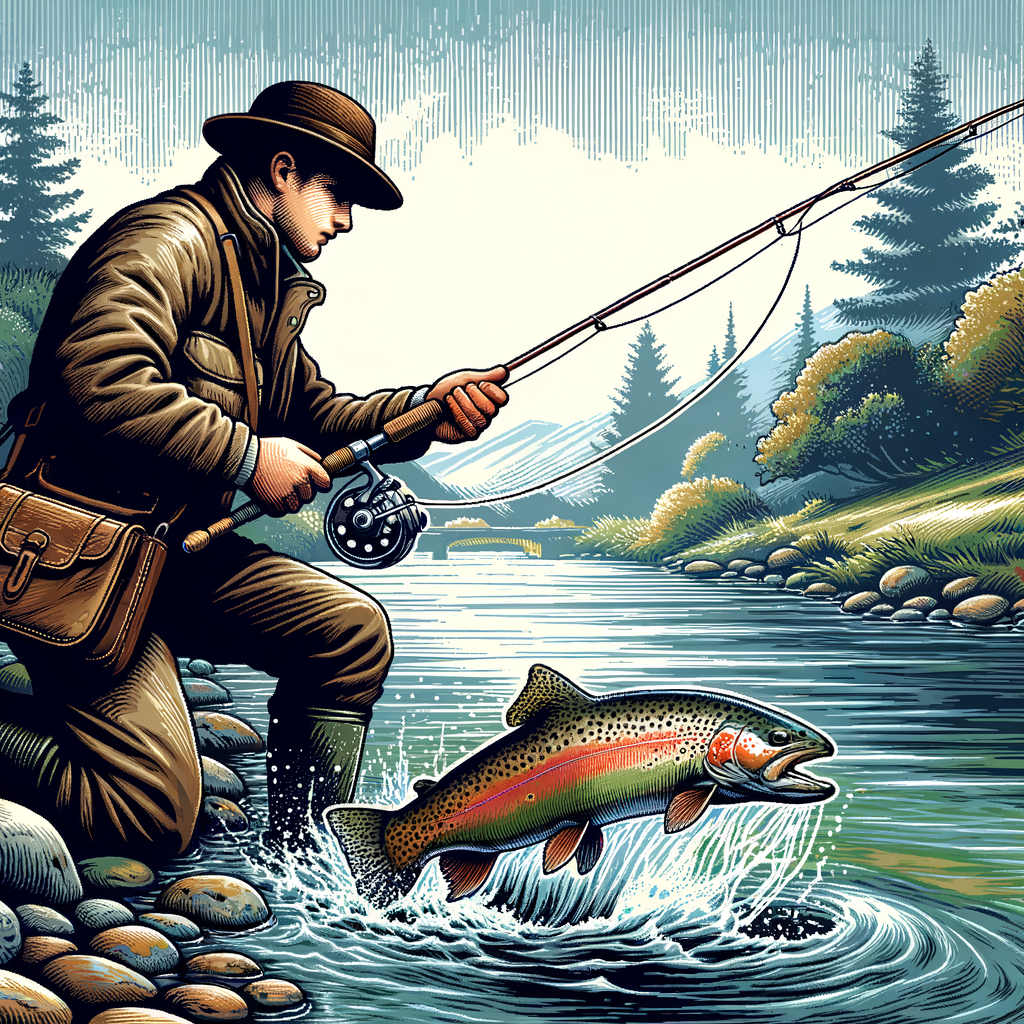
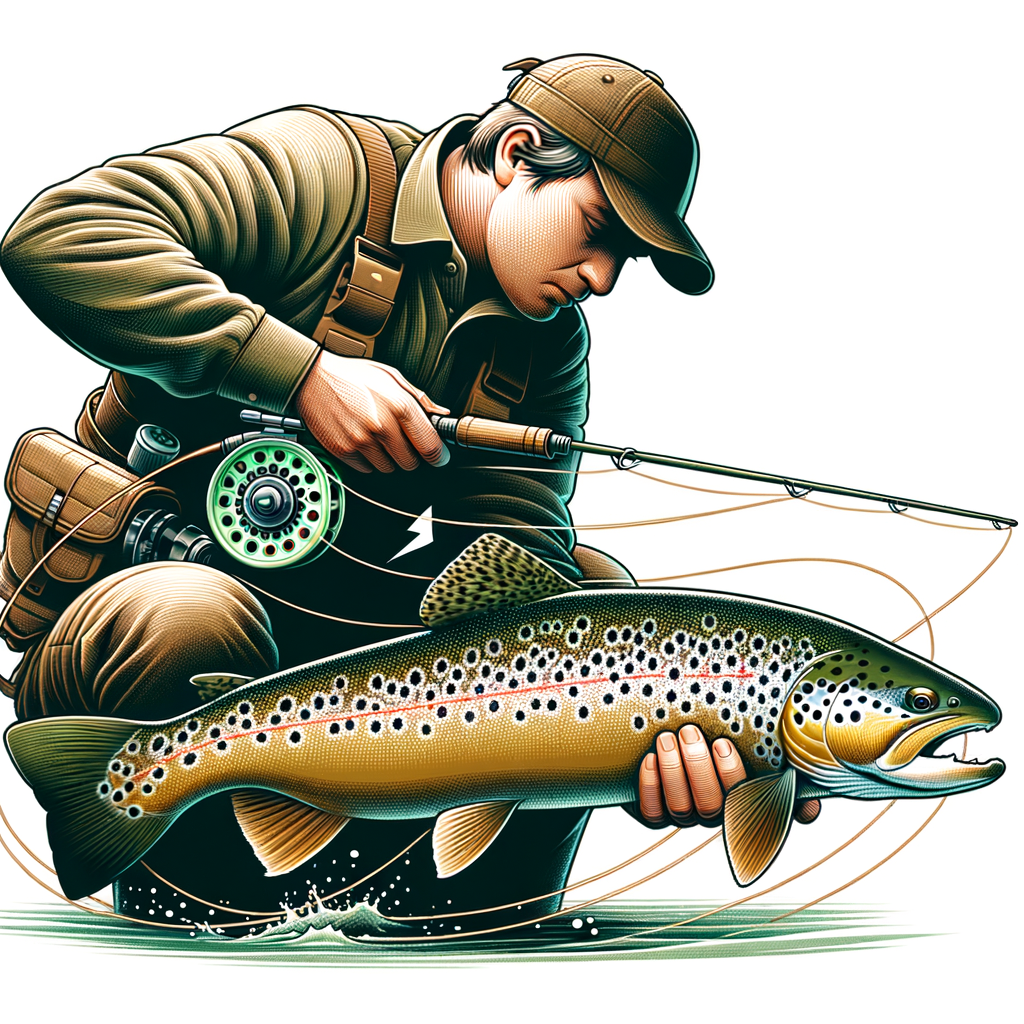
Once hooked, prepare for an energetic fight. Gar are known for leaping and thrashing, demanding concentration and quick reflexes to maintain tension and keep them on the line. Firm control and patience throughout bring rewarding success, allowing you to cradle these impressive specimens carefully.
Safety and Stewardship in Gar Fishing
Prioritizing safety and stewardship is fundamental when targeting freshwater gar. Respect these creatures and their habitats to ensure sustainable and ethical fishing practices. Always approach gar fishing with reverence, minimizing handling time and maintaining them in the water until ready for release. De-barbing hooks beforehand can reduce handling stress, promoting safer catch-and-release experiences.
Advocate for conservation efforts by raising awareness and participating in habitat protection initiatives. Encourage fellow anglers to practice ethical fishing, emphasizing the importance of maintaining balanced ecosystems that support diverse aquatic life, including gar. These efforts contribute significantly to preserving our waterways for future generations who wish to experience the excitement of gar fishing on the fly.
Conclusion
Targeting freshwater gar with flies offers an exhilarating and rewarding challenge for anglers willing to embrace these fascinating prehistoric fish. With their formidable appearance and energetic nature, gar promise unforgettable encounters for those prepared to put in the time and effort to understand their habits and tailor their approach. By adopting suitable gear, meticulously choosing fly patterns, and mastering essential techniques, anglers can consistently target these elusive predators and elevate their fly fishing experiences.
Beyond the thrill of the catch, fly fishing for gar enriches anglers with valuable insights into aquatic ecosystems and their dynamics. Recognizing the ecological importance of gar and promoting conservation-minded practices ensure the sustained health and diversity of our freshwater habitats. Ultimately, as you venture into the world of fly fishing for gar, remember that the journey itself is as captivating as the catch, filled with opportunities for learning and exploration. Equip yourself with knowledge and respect for these majestic creatures, and you’ll become a more accomplished and responsible angler, contributing positively to the angling community and the environment.
With this extensive guide, you’re now prepared to embark on your gar fly fishing adventure. May your experience be filled with excitement and success as you hone your skills and embrace the remarkable challenge of targeting freshwater gar with flies. Remember, patience, precision, and passion are your best allies in this incredible pursuit.