
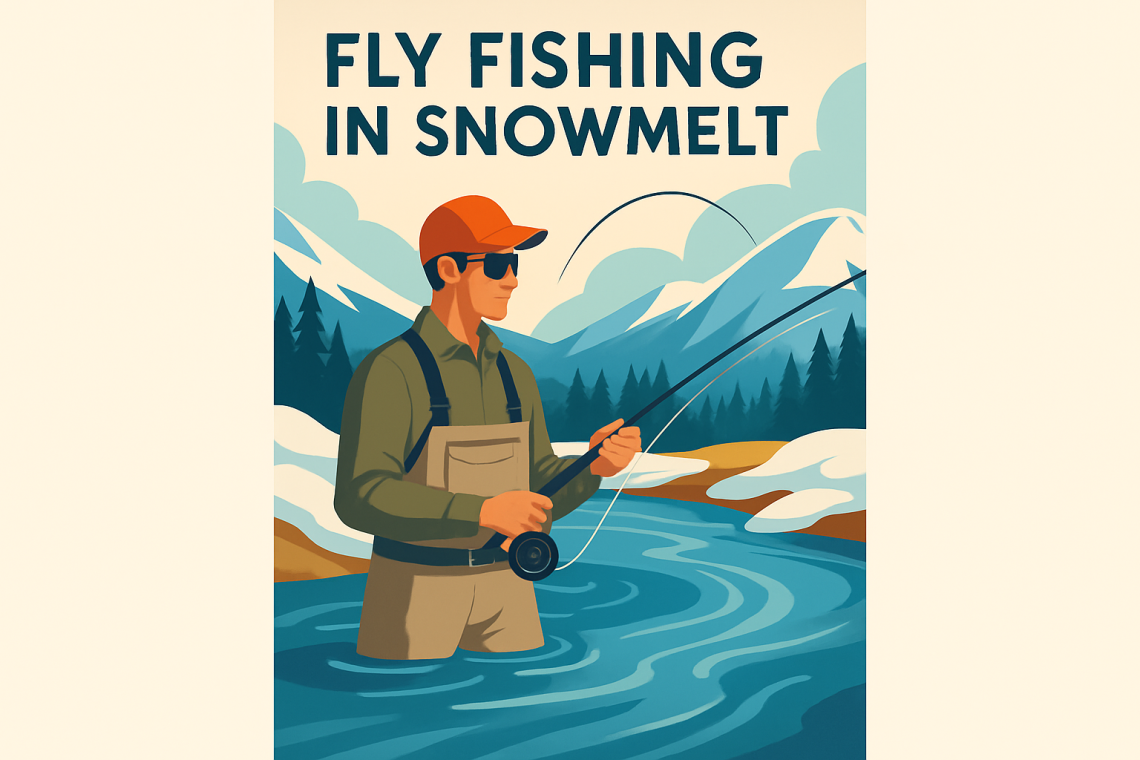
Fly fishing is an art that connects anglers with nature, offering a unique combination of challenge, peace, and satisfaction. Among the diverse environments that anglers face, fishing in snowmelt presents a distinct set of challenges and opportunities. Snowmelt occurs when accumulated snow in mountainous regions begins to thaw as temperatures rise, leading to an increase in river and stream flows. This time period is often characterized by cold, fast-flowing water and heightened turbidity, which can complicate the fly fishing experience for the unprepared angler. Understanding and adapting to these conditions is crucial for any angler looking to improve their success rate during this challenging but rewarding season.
The appeal of fly fishing in snowmelt lies in the abundance of active fish that take advantage of the nutrient-rich waters. Fish are more likely to feed aggressively, making this period an excellent opportunity for those who know how to approach the conditions. Such fishing expeditions demand advanced techniques, specialized gear, and an understanding of the aquatic ecosystem that differs from traditional methods used in calmer waters. Whether you are looking to hone your skills or simply embrace the challenge, mastering these techniques can transform your fly fishing experience in snowmelt runoff. This article provides an in-depth exploration of these tactics, ensuring that you are well-prepared for your next snowy fishing adventure.
Understanding Snowmelt and Its Impact on Fly Fishing
Before diving into specific techniques, it’s essential to grasp how snowmelt affects river ecosystems and fish behavior. Snowmelt leads to elevated water levels, increased turbidity, and lower water temperatures, factors that influence fish activity and feeding patterns. Rapid changes in water conditions require fish to adapt, often resulting in altered feeding times and locations. As the water clears over time, fish spread out from the deep central channels to shallower pools and runs.
For instance, a study conducted on the Madison River in Montana revealed how fish movement patterns change with rising snowmelt levels. As snowmelt introduced more sediment and debris into the river, trout tended to stay in deeper, slower-moving sections for protection against the fast currents. This understanding of fish behavior is vital for anglers planning their strategies. Comprehending when and where to fish can significantly increase an angler’s success in hooking a fish during this challenging season.
Choosing the Right Gear for Snowmelt Conditions
Successfully fishing in snowmelt requires choosing the right gear to handle the cold, fast-flowing waters. Anglers should select fly rods and lines tailored to these conditions. Heavier rods help cast larger flies and control them in swift river currents, while a floating or sink-tip line is often preferable to maintain effective fly presentation in varying depths.
Real-world examples illustrate how specialized equipment makes a difference. Consider the Fork Fisher outfitters in Colorado, whose guides recommend using a 6 to 7-weight rod with a fast action tip for their guided snowmelt fly fishing trips. These rods enable anglers to efficiently manage the larger, weighted nymphs and streamers often required during this period.
In addition to rods and lines, other gear such as polarized sunglasses and breathable waders with secure footing are essential to navigate and fish turbulent snowmelt water safely. These tools enhance visibility and provide security on slippery banks and submerged rocks, contributing to a more productive fishing experience.
Selecting Flies that Match Snowmelt Conditions
Flies are the centerpiece of any fly fishing expedition, and selecting the right fly is particularly important during snowmelt. Due to the high turbidity and sediment presence, visibility is reduced, necessitating the use of brighter and larger flies to draw attention in murky waters. Patterns that mimic the profile and movement of aquatic insects dislodged during snowmelt prove effective in enticing hungry fish.
The Conehead Woolly Bugger is an excellent choice, favored by many anglers for its versatility and visibility. This fly’s bright colors and substantial size make it a standout choice for murky waters, and its movement mirrors struggling aquatic insects seamlessly. Another commonly used pattern is the San Juan Worm, which simulates aquatic worms that are abundant in runoff conditions.
Techniques for Effective Presentation in Snowmelt
Once equipped with the right gear and flies, anglers must adapt their casting techniques to cope with the swift currents and deeper water typical of snowmelt conditions. An essential tactic is upstream casting, allowing your fly to drift naturally with the current, avoiding unnatural drag that can deter fish. A slight mending of the line minimizes tension and ensures a realistic presentation enticing to fish already on edge from the turbid environment.
Another critical technique is high-sticking, which keeps more line out of the water, allowing for better control over the fly’s movement and reducing interference from swift currents. However, this technique may require practice to perfect, especially for beginners. Using a tandem rig, with a weighted nymph and a dry fly as an indicator, can provide additional advantages by covering more water depth and increasing the likelihood of a strike.
When executed with precision, these techniques greatly improve the chances of success. In Pennsylvania’s Pocono Mountains, local fishing guides regularly teach these methods to their clients, resulting in impressive catch rates even during peak snowmelt runoff.
Safety Considerations During Snowmelt Fishing
Fly fishing in snowmelt is not without its risks. The increased water levels and faster currents present hazards that anglers must take into account. Before heading out, it’s crucial to be aware of the river’s current state and any potential changes in weather conditions that might lead to abrupt increases in water flow.
Anglers should always fish with a buddy when possible, use wading staffs for balance, and avoid crossing fast-moving channels unless absolutely necessary. Wearing a personal flotation device (PFD) adds an extra safety layer in case of accidental slips into the water.
Consider the experiences of fishers venturing into California’s Kings River during the height of snowmelt. Though the river offers exciting fishing prospects, guides emphasize precaution due to sudden water level changes from snowmelt, which can lead to unexpectedly swift and hazardous conditions.
- Safety Gear: Personal flotation device (PFD)
- Tactics: Buddy system, using wading staff
- Avoid: Crossing fast channels
Local Knowledge and Practice: The Key to Mastery
While mastering snowmelt fly fishing requires knowledge and skill, there is no substitute for local insights and practice. Familiarizing yourself with the local river systems and their typical snowmelt behavior can provide an undeniable edge. Engaging with experienced local anglers, guides, and fishing clubs can reveal valuable tips and tricks tailored to the specific river and its inhabitants.
In Colorado, the South Platte River is a prime example where local expertise plays a crucial role. Anglers rely on guides with comprehensive knowledge of the river’s unique patterns created by snowmelt. These insights not only enhance the chances of successful fishing but also enrich the overall experience with an understanding of the river’s ecology and dynamics.
Conclusion: Embrace the Challenge of Snowmelt Fly Fishing
Fly fishing in snowmelt runoff presents a demanding yet incredibly rewarding opportunity for anglers who are eager to refine their craft. By understanding the variables at play, from choosing the appropriate gear to mastering specific techniques, anglers can significantly increase their success rates during this exhilarating season. The key takeaways include adapting strategies to fast and cold waters, selecting the right flies, prioritizing safety, and leveraging local expertise.
This guide emphasizes preparedness, patience, and persistence as fundamental elements that cumulatively enhance the snowmelt fly fishing experience. The challenge of adapting to dynamic water conditions and fish behaviors offers a profound sense of achievement once surmounted.
If you’re ready to undertake this exciting challenge, take the first step by exploring local waterways impacted by snowmelt, either independently or with experienced local guides. Embrace the adventure of snowmelt fly fishing, and let the thrill of this unique pursuit enrich your angling repertoire.
Whether you are an experienced angler or new to fly fishing in snowmelt, the skills and knowledge gained will undoubtedly contribute to your growth and appreciation for this captivating sport.
Happy fishing and tight lines!
Frequently Asked Questions
1. What are the key considerations when fly fishing in snowmelt conditions?
Fly fishing during snowmelt conditions presents unique challenges and opportunities that require anglers to adapt their strategies. One of the primary factors to consider is the water temperature. Snowmelt water is often significantly colder than usual, which can affect fish behavior, making them less active and more lethargic. Cold water also impacts the metabolism of fish, causing them to feed less frequently. Therefore, selecting the right fly is crucial. Opt for flies that imitate the insects most likely to be found in the frigid waters during this time. Another consideration is the water clarity and flow. Snowmelt increases turbidity, as runoff carries sediments and debris into the streams. This can reduce visibility for both fish and anglers, making it essential to choose flies that are larger and more visible. Additionally, the fast-flowing water requires heavier flies or weighted lines to ensure your fly reaches the fish’s strike zone efficiently. Lastly, adjust your fishing techniques. Fish tend to seek refuge during high, fast currents, often sticking closer to the banks or congregating in slower, deeper pools. Understanding these behavioral shifts and interpreting the water correctly can greatly enhance your success rates in snowmelt conditions.
2. How can I improve my fly presentation in cold, fast-flowing snowmelt waters?
In fast-flowing, cold snowmelt waters, presenting your fly effectively requires strategic adjustments. Begin by positioning yourself upstream of where you anticipate fish might be holding. This allows your fly to drift naturally toward them, mimicking the movement of the real prey. Using longer leaders can also improve fly presentation, reducing drag and offering a more subtle approach. Consider utilizing a roll cast technique to minimize disturbance on the water surface, allowing for a gentle landing of your fly, which is less likely to spook the fish. Additionally, focus on drag-free drifts. With the strong currents typical of snowmelt periods, achieving a natural drift can be challenging. Mending your line – that is, adjusting it after the cast – is crucial to prevent unnatural movements that could deter fish from striking. Practice mending to counteract the influence of swift currents on your fly line. Furthermore, employ a stealthy approach by wearing muted clothing to blend into the surroundings, minimizing movement that could alert fish to your presence. All these techniques contribute to an improved fly presentation, increasing your chances of enticing a bite.
3. What flies are most effective during snowmelt season for targeting fish?
During snowmelt, the types of insects available as fish food change due to the cold temperatures and altered water conditions. As such, it’s important to select flies that not only match the best possible approximation of the current food source but also to opt for patterns that are visible in turbid water conditions. Nymphs are often extremely effective during this period. Consider patterns like the Pheasant Tail or the Hare’s Ear Nymph, which are reliable options for simulating common aquatic insects in early stages that are prevalent in colder waters. Adding a copper or beadhead variant can help your fly reach the deeper zones quickly in swift, deep currents. Streamers can also be highly successful as they mimic baitfish or larger aquatic insects. Patterns like the Woolly Bugger are versatile and, when stripped through slower pools, can effectively provoke predatory responses. The movement of streamers can be particularly enticing in conditions where fish are reactively feeding due to the surge in water movement. Lastly, given the increased turbidity during snowmelt, choose flies with vibrant colors or opt for patterns with ample flash like the Copper John to maximize visibility in muddy waters.
4. How do I stay safe while fly fishing in fast-moving snowmelt water?
Safety should be a top priority when fishing in fast-moving snowmelt streams, as conditions can be volatile and unpredictable. Begin by equipping yourself with the appropriate gear. Wearing a personal flotation device (PFD) can save your life if you lose balance and fall into turbulent water. Also ensure you have high-quality wading boots equipped with cleated or studded soles to improve traction on slippery rocks. Always wade cautiously, testing foot placement with each step before fully committing your weight. Sideways steps can offer better stability than forward walking, allowing you to distribute your weight more evenly. Carrying a wading staff is advisable as it provides additional support and helps gauge water depth in murky waters. Avoid wading during peak snowmelt conditions when the water levels and flow rates are at their highest. Typically, early morning fishing is safer as the flow is reduced overnight and starts to build up as the sun heats the snowpack. Also, take the time to scout the river beforehand to identify potential hazards like rocks and submerged trees. Communicate your plans to a friend or family member, informing them of your expected locations and wall-time. A communication plan ensures help can be notified in emergencies. Finally, never fish alone. Having a fishing partner can provide immediate aid if accidents occur and contributes to your overall safety in challenging snowmelt conditions.
5. How should I adjust my strategy when fish seem inactive during snowmelt?
Snowmelt conditions often result in colder water, which can render fish less active due to their lower metabolism. However, it is still possible to experience successful outings by adapting your fishing strategy accordingly. First, focus on finding pockets of slower-moving water around structures such as submerged rocks, dams, or fallen trees where fish take refuge. Employ a search pattern by systematically working different sections of the stream, starting with promising locations like eddies and deep pools, where fish might be conserving energy. Re-assess your fly selection to see if certain patterns trigger a feeding response when others remain ignored. Experiment with your retrieval technique to find the right cadence that piques the fish’s curiosity. Sometimes a slower retrieval works better; other times, fast, erratic motion captures their attention. Similarly, adjusting the depth at which your fly drifts can sometimes be the key to success – ensure you are targeting the right column where fish are likely stationed. Lastly, pay attention to alternating weather conditions during the snowmelt, such as sudden warm spells or cloud cover, and adapt your fishing techniques to take advantage of any window of opportunity when fish might become more active than usual.


